Source Soundproof Poreless Rubber Gym Flooring for Gyms, Clubs, and Playgrounds
Find 30 listings for Soundproof Poreless Rubber Gym Flooring tailored for fitness centers, commercial clubs, and home gyms. Compare specifications including thickness, material composition, and fire resistance ratings to identify suitable options for your facility.
Key considerations
Products List

Rubber Floor Forrubber Roll Acoustic Flooring Rubber Mat Gym Flooring
$3.00 - $15.00
MOQ: 100 Square Meters


Sound Insulation and Shock Absorption Durable EPDM Gym Rubber Flooring
$8.00 - $12.00
MOQ: 200 Square Meters


Gym Fitness Rubber Flooring Mat for Fitness Shock Resistance and Sound Insulation
$10.00 - $25.00
MOQ: 200 Square Meters

Factory Wholesale Anti-Slip Sound Insulation Mat Gym Rubber Flooring
$10.00 - $25.00
MOQ: 200 Square Meters

Shockproof and Sound Reduce Interlocking Rubber Gym Flooring Tiles
$1.50 - $1.70
MOQ: 200 Square Meters
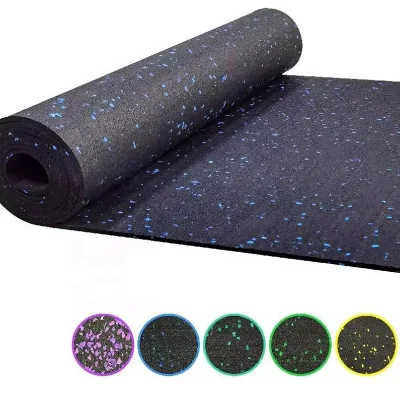
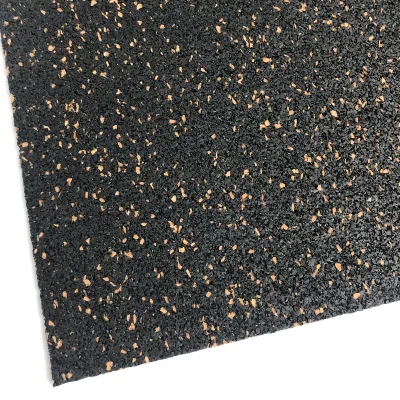


Soundproofing Gym Rubber Floor Tile for Gym Durable Quality Gym Floor Tiles
$8.95 - $13.88
MOQ: 50 Square Meters


Comprehensive Sourcing Guide
Soundproof Poreless Rubber Gym Flooring Sourcing Guide
Procuring Soundproof Poreless Rubber Gym Flooring requires a disciplined approach to material verification and acoustic performance assessment. Buyers must distinguish between generic rubber mats and specialized acoustic flooring designed to dampen impact noise and vibration in high-traffic fitness environments. The core challenge lies in identifying products that maintain structural integrity under heavy equipment loads while providing the necessary sound absorption properties. This guide outlines the critical verification steps, technical parameters, and commercial considerations necessary to secure a reliable supply of high-performance gym flooring.
The following sections provide a structured framework for evaluating suppliers and products. By focusing on observed listing signals, technical specifications, compliance documentation, cost drivers, supplier qualification, and long-term procurement checks, buyers can mitigate risk and ensure that the selected flooring meets both functional and regulatory requirements. Each section is designed to address specific buyer decisions, from initial product screening to final contract negotiation, ensuring a comprehensive sourcing strategy.
Product Scope and Observed Listing Signals
The product scope for Soundproof Poreless Rubber Gym Flooring typically encompasses applications in schools, homes, commercial clubs, playgrounds, and gyms. Observed listings indicate that these products are often marketed under names such as "Rubber Floor for Gym Rubber Roll Acoustic Flooring" or "8mm Anti-Slip Fitness Equipment Gym Rubber Floor." The material composition frequently includes SBR (Styrene-Butadiene Rubber), recycled rubber, EPDM, and MDI binder, which contribute to the durability and acoustic properties of the flooring. Buyers should verify that the specific product they are considering aligns with their intended application, whether it is for a home gym, a commercial fitness center, or a leisure club.
Observed listing signals reveal a wide range of specifications, with lengths varying from 1m to 200m, widths from 0.5m to 1.25m, and thicknesses from 2mm to 18mm. Some listings also offer modular sizes such as 50cmx50cm or 1mx1m. The color options typically include black, brown, white, and green, with black being the most common for commercial gyms due to its aesthetic neutrality and ability to hide wear. Buyers should pay close attention to the "poreless" claim, ensuring that the product description explicitly mentions a non-porous surface to prevent moisture absorption and facilitate easy cleaning, which is critical for maintaining hygiene in fitness environments.
Technical Specifications to Verify
Technical verification begins with confirming the material composition and its impact on acoustic performance. The presence of EPDM and SBR, often combined with an MDI binder, is a strong indicator of quality, as these materials provide excellent shock absorption and sound dampening properties. Buyers should request detailed material data sheets to verify the ratio of recycled content to virgin rubber, as this can affect the consistency and longevity of the flooring. Additionally, the "poreless" characteristic should be validated through product samples or manufacturer specifications, ensuring that the surface is dense and non-absorbent, which is essential for preventing bacterial growth and simplifying maintenance.
Thickness and density are critical technical parameters that directly influence the flooring's ability to absorb sound and protect the subfloor from impact damage. Observed specifications indicate a thickness range of 2mm to 18mm, with thicker options generally providing superior acoustic insulation and durability. Buyers should verify the density of the rubber, as higher density materials tend to offer better soundproofing and resistance to compression set. It is also important to confirm the fire resistance rating, with some listings indicating a B1 rating, which is a significant safety feature for commercial installations. Buyers should ensure that the selected thickness and density align with the specific acoustic and load-bearing requirements of their facility.
Compliance and Safety Documentation
Compliance with international safety and environmental standards is non-negotiable for gym flooring procurement. Buyers should verify that the supplier holds relevant certifications such as CE, RoHS, and ISO, which indicate adherence to quality management and environmental protection standards. Some listings also mention SGS, TUV, and fire resistance certifications, which provide additional assurance of product safety and performance. Buyers should request copies of these certificates and verify their validity with the issuing bodies to ensure that the products meet the regulatory requirements of their target market.
Fire safety is a critical aspect of gym flooring compliance, given the potential for high heat and friction in fitness environments. Buyers should confirm the fire resistance rating of the flooring, with B1 being a common standard for commercial applications. Additionally, buyers should inquire about the presence of harmful substances such as phthalates or heavy metals, ensuring that the product is free from toxic chemicals that could pose health risks to users. Environmental certifications, such as REACH compliance, can also provide assurance that the product is safe for both users and the environment. Buyers should prioritize suppliers who can provide comprehensive documentation on the safety and environmental impact of their products.
Cost Drivers and Commercial Terms
Cost drivers for Soundproof Poreless Rubber Gym Flooring include material composition, thickness, customization options, and order volume. Thicker and denser rubber products, as well as those with higher EPDM content, tend to be more expensive due to the higher quality of materials and manufacturing processes. Customization options, such as logo printing or specific color combinations, can also add to the cost. Buyers should request detailed quotes that break down the cost per square meter, including any additional fees for customization, packaging, and shipping, to ensure a transparent comparison between suppliers.
Commercial terms such as MOQ (Minimum Order Quantity), payment terms, and lead times are also significant factors in the procurement process. Observed listings indicate MOQs ranging from 10 to 500 square meters, with some suppliers offering free samples to help buyers evaluate product quality before committing to a large order. Payment terms typically involve T/T (Telegraphic Transfer), and lead times can vary from 7 to 20 days, depending on the order size and customization requirements. Buyers should negotiate favorable terms, such as flexible MOQs or extended payment periods, to reduce financial risk and ensure timely delivery.
Supplier Qualification and Quality Control
Supplier qualification is essential to ensure that the selected manufacturer can consistently deliver high-quality products. Buyers should verify the supplier's production capacity, quality control processes, and after-sales service capabilities. Some listings mention online technical support and onsite installation services, which can be valuable for ensuring proper product installation and addressing any issues that may arise. Buyers should also inquire about the supplier's experience in the gym flooring industry, as well as their track record of delivering projects on time and within budget.
Quality control measures should include regular inspections of raw materials, production processes, and finished products. Buyers should request information on the supplier's quality management system, including any ISO certifications they hold. Additionally, buyers should consider conducting third-party inspections or audits of the supplier's facilities to verify their quality control practices. It is also important to establish clear communication channels with the supplier to address any concerns or issues that may arise during the procurement process. Buyers should prioritize suppliers who demonstrate a commitment to quality and customer satisfaction.
Long-Term Procurement Checks
Long-term procurement checks involve monitoring the performance of the flooring over time and maintaining a relationship with the supplier for future orders. Buyers should establish a schedule for regular inspections of the installed flooring to assess its condition and identify any signs of wear or damage. This proactive approach can help extend the lifespan of the flooring and reduce maintenance costs. Buyers should also maintain open communication with the supplier to address any issues that may arise and to explore opportunities for future collaborations.
Warranty and after-sales service are critical components of long-term procurement. Buyers should verify the warranty period offered by the supplier, with some listings indicating warranties of more than 5 years. It is important to understand the terms and conditions of the warranty, including what is covered and what is excluded. Buyers should also ensure that the supplier provides adequate after-sales support, such as technical assistance and replacement parts, to address any issues that may arise. By prioritizing long-term relationships and proactive maintenance, buyers can maximize the value of their investment in Soundproof Poreless Rubber Gym Flooring.
FAQs
What certifications does the rubber gym flooring have?
The product holds ISO, RoHS, and CE certifications. Additional certifications include SGS, TUV, and specific fire resistance ratings. These ensure the flooring meets international safety and environmental standards for commercial and home use.
Can I get a free sample of the rubber flooring?
Yes, free samples are available for this product. Buyers can request samples to verify quality before placing a bulk order. This allows for testing the material properties and acoustic performance without initial financial commitment.
What is the minimum order quantity for this flooring?
The minimum order quantity is typically 100 square meters. Some listings indicate a requirement of 200 square meters. Buyers should confirm the specific MOQ with the supplier before finalizing their purchase agreement.
How long does delivery take for this rubber floor?
Delivery is generally completed within 15 days or two weeks. Some suppliers state a range of 7 to 20 days depending on order volume. The loading ports are located in Qingdao or Shanghai.
Which materials are used to make this gym flooring?
The flooring is made from SBR, recycled rubber, EPDM, and MDI binder. These materials provide durability and sound absorption. The product is designed to be environmentally friendly while offering high performance for gym applications.
What are the standard dimensions for the rubber roll?
Standard specifications include lengths from 1 to 200 meters and widths between 0.5 and 1.25 meters. Thickness options range from 2 to 18 millimeters. Custom sizes are also available upon request.
Is customization available for the logo and design?
Customization is available for logos and product designs. Buyers can request specific branding or tailored specifications. The supplier supports OEM services and offers various color options like black, brown, white, and green.