Source South Korea Artificial Marble for Countertops, Floors, Walls
Compare 30 listings for South Korea Artificial Marble suitable for countertops, floors, and walls. Buyers can review specifications like thickness, surface finish, and certifications to find the right material for interior and exterior decoration projects; compare the available evidence and request quotations based on your requirements.
Key considerations
Products List


Texture Marble Colors 12mm Solid Surface Artificial Stone Korean Marble Factory
$50.00 - $150.00
MOQ: 30 Square Meters


Premium Korean White Acrylic Slab for Artificial Marble Projects
$80.00 - $121.00
MOQ: 1 Square Meters


Premium Korean Artificial Marble Acrylic for Elegant Bathroom Basins
$60.00 - $100.00
MOQ: 1 Square Meters


Artificial Marble Solutions: Engineered Quartz Stone with Natural Composition
$18.00 - $50.00
MOQ: 10 Square Meters

Artificial Marble - Recycled Eco-Stone with Natural Marble Composition
$18.00 - $50.00
MOQ: 10 Square Meters

Premium Artificial Marble - Customizable Eco-Stone for Modern Interiors
$18.00 - $50.00
MOQ: 10 Square Meters

Customizable Engineered Marble - Eco-Friendly Artificial Marble Collection
$18.00 - $50.00
MOQ: 10 Square Meters


Comprehensive Sourcing Guide
South Korea Artificial Marble Sourcing Guide
Sourcing artificial marble for projects targeting the South Korean market requires a nuanced understanding of material properties, aesthetic preferences, and regulatory compliance. While the provided data indicates origins in China and South China, buyers must carefully evaluate how these materials align with local design standards and import requirements. The focus should remain on verifying that the artificial stone meets the specific durability and visual expectations of Korean commercial and residential sectors.
Procurement teams must distinguish between natural stone characteristics and engineered alternatives. The available data highlights products labeled as "Artificial Marble" with various finishes, including polished and glazed surfaces. Buyers need to ensure that the selected material’s technical specifications, such as density and thickness, are suitable for the intended application, whether it be interior flooring, wall cladding, or kitchen countertops, while adhering to South Korean building codes.
Product Scope and Observed Listing Signals
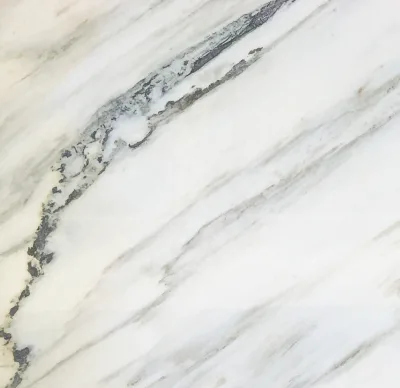
The current market landscape for artificial marble includes a diverse range of product forms, from big slabs to standard tiles. Listings indicate the availability of materials in various colors, including white, gray, beige, black, and green, with specific models like "Green Color China Evergreen Marble" and "SRS" appearing in the data. Buyers should observe that customization is widely available, allowing for tailored solutions that meet specific project dimensions and aesthetic requirements.
Observed listing signals reveal a significant variation in product attributes, with thicknesses ranging from 10.5mm to 20mm and standard sizes such as 300300mm tiles and larger slabs up to 220up120up cm. The presence of both tile and slab formats suggests flexibility in procurement strategies. Buyers must verify which specific product types are actually in stock and suitable for their immediate needs, as the broad range of options may include items with different lead times and minimum order quantities.
Technical Specifications to Verify
Technical verification is critical when sourcing artificial marble, particularly regarding thickness and surface finish. Data points show thicknesses of 15mm, 10.5mm, and 20mm, with surface treatments including polished and glazed finishes. Buyers must confirm that the selected thickness aligns with the structural requirements of the application, such as high-traffic commercial areas or residential bathrooms, to prevent cracking or wear over time.
Density and material composition are also key technical factors. One data point lists a density of 2.6 g/cm³, which is typical for stone-based materials. Buyers should request detailed material safety data sheets to understand the resin content and aggregate composition. Additionally, edge processing options, such as flat edges, should be specified to ensure seamless installation and a professional finish that meets the high-quality standards expected in South Korean construction projects.
Compliance and Safety Documentation
Compliance with international and local standards is essential for importing artificial marble. The provided data mentions certifications such as ISO, SGS, RoHS, and CE, which are commonly required for construction materials. Buyers must verify that the supplier can provide valid, up-to-date certificates for each batch, ensuring that the materials meet environmental and safety regulations in South Korea, particularly regarding volatile organic compound (VOC) emissions.
Safety features like wear-resistance, non-slip properties, and acid resistance are highlighted in the product attributes. Buyers should request test reports that substantiate these claims, especially for applications in kitchens and bathrooms where exposure to chemicals and moisture is common. Ensuring that the material is waterproof and anti-static adds value in commercial settings, but these claims must be backed by independent laboratory testing to guarantee long-term performance and safety.
Cost Drivers and Commercial Terms
Cost drivers for artificial marble include material type, thickness, surface finish, and customization requirements. The observed price range of 8-299 USD suggests significant variation based on these factors. Buyers should analyze how customization, such as specific sizes or colors, impacts the unit price. Understanding the cost structure helps in budgeting accurately and negotiating favorable terms with suppliers who offer owner-operated factories.
Commercial terms such as minimum order quantity (MOQ), packaging, and delivery time are crucial for planning. MOQs range from 1 to 300 units, and delivery times are estimated at 10-25 days. Buyers must consider the packaging method, which is typically wooden crates or pallets, to ensure safe transport. Clear agreement on these terms prevents unexpected costs and delays, ensuring that the procurement process aligns with project timelines and budget constraints.
Supplier Qualification and Quality Control
Supplier qualification involves verifying the manufacturer’s capabilities and quality control processes. The data indicates that some suppliers are owner-operated factories, which can offer better control over production quality. Buyers should conduct due diligence to confirm the supplier’s ability to maintain consistent quality across batches, particularly for customized orders. Requesting samples before placing large orders is a standard practice to assess material quality and finish.
Quality control checks should include visual inspection for color consistency and structural integrity. Buyers must ensure that the supplier adheres to the stated standards, such as SGS or ISO, during production. Implementing a robust quality assurance plan, including third-party inspections if necessary, helps mitigate risks associated with defects or non-compliance. This proactive approach ensures that the delivered materials meet the expected standards and reduces the likelihood of project disruptions.
Long-Term Procurement Checks
Long-term procurement success depends on establishing reliable supply chains and maintaining ongoing supplier relationships. Buyers should monitor supplier performance over time, tracking metrics such as delivery accuracy, product consistency, and responsiveness to issues. Regular audits and feedback loops help identify areas for improvement and ensure that the supplier continues to meet evolving project requirements and market standards.
Sustainability and regulatory changes in South Korea may impact future procurement strategies. Buyers should stay informed about updates to building codes and environmental regulations that affect artificial marble imports. Building a flexible procurement strategy that can adapt to these changes ensures long-term viability. Additionally, exploring opportunities for bulk purchasing or long-term contracts can provide cost advantages and secure priority access to high-quality materials.
FAQs
What certifications do the artificial marble products have?
The products hold BCC, ISO, and TUV certifications. Additional standards include CE, SGS, and RoHS compliance. These documents verify quality and safety for international trade, ensuring the materials meet rigorous industry requirements for commercial and residential applications.
Which thickness options are available for the marble slabs?
Available thicknesses include 15mm, 10.5mm, and 20mm. Tile and slab options also come in 2cm and 3cm variants. Custom sizes are available upon request, allowing flexibility for specific countertop, floor, or wall installation needs across various project scales.
Can I order customized artificial marble with specific colors?
Yes, customization is available for color patterns including white, gray, beige, and black. The factory offers tailored solutions for unique design requirements. Buyers can specify dimensions and finishes to match their interior or exterior decoration projects precisely.
How long is the delivery time for these stone products?
The standard delivery time ranges from 10 to 25 days. This timeline applies to orders shipped via sea transport from any port in China. Lead times may vary based on order volume and specific customization requirements requested by the buyer.
What packaging methods are used for shipping the marble?
Products are packed in wooden crates, wooden pallets, or wooden bundles. This secure packaging protects the slabs and tiles during transit. The method ensures the materials arrive safely for installation in schools, bathrooms, kitchens, or commercial spaces globally.
Which surface finishes are offered for the artificial marble?
Polished and glazed surface finishes are available for the stone products. These treatments enhance durability and aesthetic appeal. The finishes provide wear-resistant, non-slip, and waterproof properties suitable for high-traffic areas like floors and countertops in various building types.
What are the standard slab sizes for this artificial marble?
Standard slab sizes include 3200x1600mm, 2700x1800mm, and 2400x1600mm. Other standard dimensions are 220cm by 60cm or 120cm. Custom sizes are also available to meet specific project requirements for interior and exterior decoration applications.