Source South Korea Tarpaulin for Truck Covering, Packaging, Textiles
Compare 30 listings for South Korea Tarpaulin from Zhejiang and Qingdao suppliers. Buyers can evaluate PP and PE materials, widths from 1 to 20 meters, and customization options for truck covering, packaging, and textiles applications; compare the available evidence and request quotations based on your requirements.
Key considerations
Products List


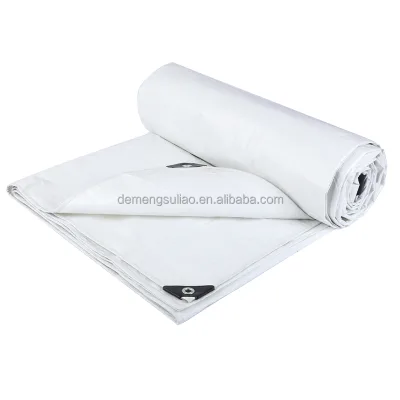
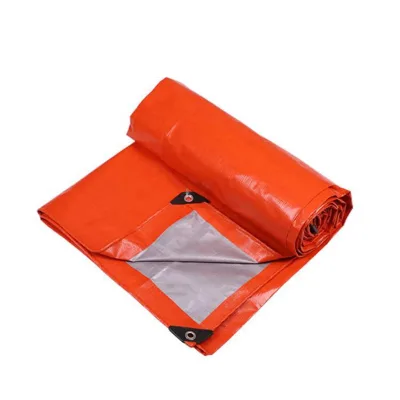
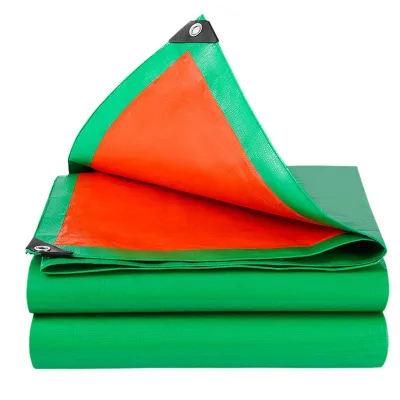
High Quality Waterproof Heavy Duty Korea PE Tarpaulin for Truck Tent Cover
$1.50 - $2.00
MOQ: 500 Pieces


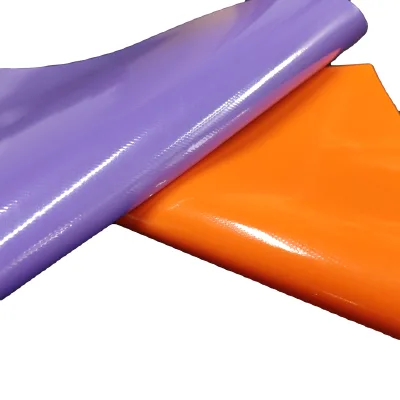


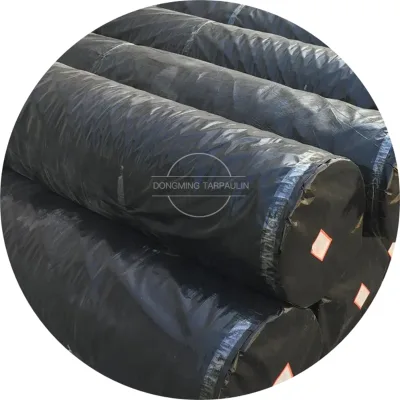

Factory Price Korea Quality PVC Tarpaulin Roll Lona Vinyl Coated Heavy Duty Fabric
$0.89 - $1.65
MOQ: 3000 Square Meters
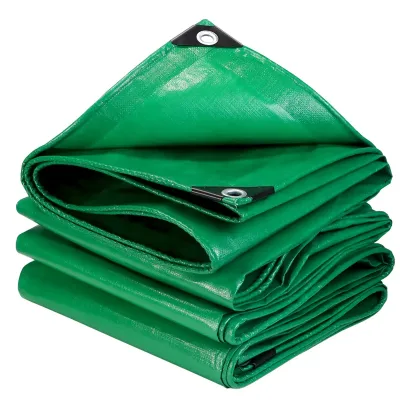


High Quality Waterproof Heavy Duty Korea PVC PE Tarpaulin for Truck Tent Cover
$1.20 - $1.35
MOQ: 3000 Square Meters

High Quality Waterproof Heavy Duty Korea PVC Tarpaulin for Truck Tent Cover
$1.20 - $1.80
MOQ: 3000 Square Meters

High Quality Waterproof Heavy Duty Korea PVC PE Tarpaulin for Truck Tent Cover
$1.20 - $1.80
MOQ: 3000 Square Meters

OEM High Quality Waterproof Heavy Duty Korea PVC Tarpaulin for Truck Tent Cover
$1.20 - $1.80
MOQ: 3000 Square Meters




Comprehensive Sourcing Guide
South Korea Tarpaulin Sourcing Guide
Sourcing tarpaulins for the South Korean market requires a nuanced understanding of both local industrial demands and global supply chain dynamics. Buyers must navigate a landscape where durability against harsh weather conditions is paramount, particularly for logistics, construction, and agricultural sectors. The decision to import or source locally often hinges on cost-efficiency versus lead time reliability. Understanding the specific material properties and customization options available from international suppliers is critical for ensuring that the final product meets rigorous local standards. This guide provides a structured approach to evaluating potential suppliers, verifying technical specifications, and managing commercial risks associated with tarpaulin procurement.
The core keyword "South Korea Tarpaulin" suggests a focus on products suitable for the region’s specific climatic and industrial needs. While the provided data highlights origins in Zhejiang, Wenzhou, and Qingdao, buyers targeting South Korea must ensure that these products align with local regulatory requirements and quality expectations. The guide emphasizes the importance of verifying material composition, such as PP or PE, and structural integrity, including woven fabric forms and laminated styles. By focusing on evidence-based verification steps, buyers can mitigate risks related to product performance and supplier reliability, ensuring a smooth procurement process from initial inquiry to final delivery.
Product Scope and Observed Listing Signals
The observed product listings reveal a diverse range of tarpaulin types, primarily constructed from PP (polypropylene) and PE (polyethylene) materials. These materials are selected for their balance of strength, flexibility, and cost-effectiveness, making them suitable for applications such as truck covering, packaging, and textiles. The listings indicate a wide variety of widths, ranging from 1 meter to 20 meters, allowing for customization to fit specific vehicle or storage dimensions. Buyers should note that the products are available in plain or coated patterns, with styles including PE laminated and woven fabric forms, which offer different levels of water resistance and durability.
Color options are predominantly blue or white, with customization available to meet specific branding or visibility requirements. The gram weight of the materials varies significantly, from 40 GSM to 400 GSM, indicating that buyers must select the appropriate thickness based on the intended load-bearing capacity and environmental exposure. Additionally, the listings show various product models, such as 6998, 69001, and 5987, which may correspond to different weave densities or coating treatments. Understanding these variations is essential for matching the product to the specific use case, whether it be heavy-duty truck covers or lighter-duty packaging solutions.
Technical Specifications to Verify
When evaluating tarpaulins, buyers must verify the structural integrity and dimensional accuracy of the product. The listings indicate that the fabric width can range from 1 to 20 meters, with some specific models offering widths of 1.83m, 2m, or 4m. It is crucial to confirm the exact width and length specifications, as deviations can lead to fitting issues during installation. The gram weight, ranging from 40 GSM to 400 GSM, is a key indicator of durability and should be matched to the expected usage intensity. Buyers should request detailed technical sheets that specify the yarn count, such as 1000Dx1000D or 500DX500D, to assess the tensile strength and tear resistance of the material.
Furthermore, the construction details, such as heat-cut tops and single-fold stitched bottoms, should be verified to ensure proper sealing and longevity. The product structure, described as fabric form or three-dimensional form, impacts how the tarpaulin conforms to the object it covers. Buyers should also check the coating type, whether plain or coated, as this affects water repellency and UV resistance. For applications requiring high visibility or specific branding, the color options and customization capabilities must be confirmed. Ensuring that all technical specifications align with the project requirements is vital to avoid performance failures and ensure customer satisfaction.
Compliance and Safety Documentation
Compliance with safety and environmental standards is a critical aspect of tarpaulin procurement, especially for markets with strict regulatory frameworks like South Korea. While the provided data mentions ROHS proved material as an optional standard, buyers must verify if this certification is applicable and required for their specific use case. ROHS compliance ensures that the materials used in the tarpaulin are free from certain hazardous substances, which is particularly important for products that may come into contact with food or sensitive environments. Buyers should request relevant certification documents from suppliers to confirm that the materials meet these safety standards.
Additionally, buyers should inquire about other potential certifications or standards that may be relevant, such as REACH compliance, although this is noted as low-confidence background information. It is essential to clarify with the supplier whether the product meets any specific local or international safety regulations. Documentation such as material safety data sheets (MSDS) and test reports for flammability, water resistance, and UV stability should be requested. Ensuring that all compliance documentation is in order helps mitigate legal risks and ensures that the product can be legally imported and used in the target market.
Cost Drivers and Commercial Terms
The cost of tarpaulins is influenced by several factors, including material type, gram weight, width, and customization requirements. The observed price range of 0.05 to 2400 USD reflects the diversity in product specifications and order quantities. Buyers should consider that higher gram weights and wider widths typically command higher prices due to increased material usage. Customization options, such as specific colors or printed logos, may also add to the overall cost. Understanding these cost drivers allows buyers to budget accurately and negotiate effectively with suppliers.
Commercial terms, including minimum order quantities (MOQ) and delivery times, are also significant factors in the procurement process. The observed MOQ ranges from 1 to 10,000 units, offering flexibility for both small and large buyers. Delivery times are typically around 30 days upon receiving the deposit, which buyers must factor into their supply chain planning. Payment terms and shipping arrangements should be clearly defined in the contract to avoid disputes. Buyers should also consider the total landed cost, including shipping, duties, and insurance, to make informed decisions about the most cost-effective sourcing strategy.
Supplier Qualification and Quality Control
Qualifying suppliers is a crucial step in ensuring the reliability and quality of the tarpaulin supply. Buyers should verify the supplier’s production capabilities, including their factory size, equipment, and quality control processes. The provided data indicates that suppliers are located in Zhejiang, Wenzhou, and Qingdao, which are known manufacturing hubs. Buyers should request information about the supplier’s experience in exporting to South Korea or similar markets to assess their understanding of local requirements. Checking for any relevant business licenses and export credentials is also essential.
Quality control measures should be clearly defined and agreed upon before placing an order. This includes specifying inspection points, such as material testing, dimensional checks, and visual inspections. Buyers may consider hiring third-party inspection services to verify the quality of the goods before shipment. Clear communication of quality expectations and providing detailed specifications can help minimize the risk of receiving substandard products. Establishing a strong relationship with the supplier and maintaining open lines of communication can also help resolve any issues that may arise during the production or delivery process.
Long-Term Procurement Checks
Long-term procurement success depends on continuous monitoring and evaluation of supplier performance. Buyers should establish key performance indicators (KPIs) to track metrics such as on-time delivery, product quality, and responsiveness to issues. Regular audits and reviews of the supplier’s operations can help identify areas for improvement and ensure that they continue to meet the buyer’s standards. Building a diversified supplier base can also mitigate risks associated with single-source dependency, providing flexibility in case of supply chain disruptions.
Additionally, buyers should stay informed about changes in market trends, regulatory requirements, and technological advancements in tarpaulin manufacturing. This proactive approach allows buyers to adapt their sourcing strategies and maintain a competitive edge. Regular communication with suppliers about future needs and potential product improvements can foster a collaborative relationship and drive innovation. By focusing on long-term partnership and continuous improvement, buyers can ensure a stable and reliable supply of high-quality tarpaulins for their operations in South Korea.
FAQs
What materials are used for South Korea Tarpaulin products?
Products are made from PP or PE materials. The fabric structure is woven with plain or coated patterns. Gram weight ranges from 40 to 400 GSM depending on the specific application requirements and customization options available for buyers.
Can I customize the color and size of the tarpaulin?
Yes, customization is available for color and dimensions. Buyers can choose blue or other required colors. Widths range from 1 to 20 meters, and sizes can be cut to finished specifications like 55 by 90 cm or custom lengths.
What is the delivery time for South Korea Tarpaulin orders?
The standard delivery time is 30 days upon receiving the deposit. This timeline applies to most orders regardless of the specific model number or material type selected. Buyers should plan their logistics accordingly to ensure timely receipt of goods.
Which locations manufacture these tarpaulin products?
Manufacturing originates from Zhejiang, Wenzhou, and Qingdao regions. These locations are the primary production hubs for the listed products. Buyers can expect consistent quality standards from factories situated in these specific Chinese industrial zones.
How are the tarpaulin products packed for shipment?
Products are packed in bales or cartons depending on the order. Some items use bale packing while others utilize carton boxes. This flexible packaging ensures safe transport and protects the fabric from damage during international shipping processes.
What are the common applications for this tarpaulin fabric?
Common uses include truck covering, packaging, textiles, and home textiles. The fabric serves as a lining, curtain, or umbrella material. It is also suitable for tents and various accessories requiring durable, weather-resistant woven or laminated structures.
What is the minimum order quantity for these products?
The minimum order quantity ranges from 1 to 10000 units. This flexibility allows buyers to place small trial orders or large bulk purchases. Specific MOQs may vary based on the product model and customization requirements selected by the buyer.