Find Speaker Grille for Home Audio, Car, and Industry Use
Source 30 Speaker Grille options from verified suppliers. Compare specifications like material, shape, and customization for home audio, automotive, and industrial applications to find the right fit.
Key considerations
Products List


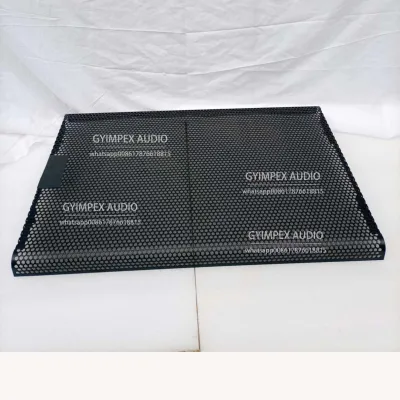
Aluminum/ Stainless Steel/ Perforated Metal Etching Audio Speaker Grille
$1.00 - $10.00
MOQ: 1000 Pieces



$0.23 - $1.00
MOQ: 500 Pieces


$0.23 - $1.00
MOQ: 500 Pieces

$0.50 - $2.50
MOQ: 500 Pieces


$0.50 - $2.50
MOQ: 500 Pieces





Comprehensive Sourcing Guide
Strategic Sourcing Guide for Speaker Grilles and Acoustic Components
Navigating the global market for speaker grilles and associated acoustic components requires a disciplined approach that balances technical precision with supply chain reliability. The core keyword "Speaker Grille" often serves as a gateway to a broader ecosystem of audio hardware, including mounting systems, custom-etched metal parts, and complete speaker assemblies. Buyers must distinguish between the protective grille itself and the complex internal components it houses, such as the driver units and wiring configurations. This guide synthesizes observed market data and verified product attributes to provide a framework for evaluating potential suppliers and defining procurement specifications without relying on unverified claims.
Technical Specifications and Design Variability
The technical landscape for speaker grilles and related audio hardware is defined by significant variability in materials, dimensions, and functional designs. Observed product data indicates that materials range from iron to aluminum, with specific finishes such as aluminum plating or chemical etching applied to enhance durability and aesthetics. For instance, stainless steel chemical etching is a documented process for creating intricate patterns on metal parts, which is particularly relevant for grilles requiring custom branding or specific acoustic transparency. The shape of these components is equally diverse, ranging from spiral and barrel types to custom shapes tailored to specific vehicle or home audio chassis.
Dimensional specifications are critical for integration. Market observations list standard diameters including 70mm, 77mm, 80mm, and 88mm, alongside thicknesses that can be as thin as 0.05mm for specialized etched parts. However, a significant portion of the market operates on a "custom request" basis, where size and thickness are defined by the buyer's engineering requirements rather than fixed standards. This flexibility is often paired with customization options for logos and branding, allowing manufacturers to integrate their identity directly into the grille structure.
The electrical characteristics of the associated speaker systems also influence grille selection. While the grille itself is a passive component, it must accommodate the wiring and connection modes of the driver. Data points show connection modes varying between single-wire and double-wire configurations, with current ratings observed at 3A and 2.8A respectively. Voltage standards typically align with 12V systems, common in automotive applications, though home audio systems may operate under different power profiles. The sound frequency range is noted as high pitch in specific contexts, suggesting that grille mesh density must be optimized to allow high-frequency transmission without distortion.
Compliance, Certification, and Material Standards
In the B2B procurement of audio hardware, verifying compliance and certification is as important as the physical specifications. The supply chain for speaker grilles and related parts frequently references international standards to ensure quality and safety. Observed certifications include ISO9001 for quality management, CE for European conformity, and MSDS (Material Safety Data Sheet) for chemical handling, particularly when parts undergo processes like chemical etching or silkscreen printing. These certifications are not merely marketing tools; they indicate that the supplier adheres to documented procedures for material safety and production consistency.
Material standards are equally rigorous. The transition from iron to aluminum or stainless steel is often driven by corrosion resistance requirements, especially for automotive applications where exposure to moisture and road salts is common. The "Aluminium" finish and "Stainless Steel" material mentions in product data suggest a focus on longevity and aesthetic appeal. Buyers must verify that the stated material matches the intended application environment. For example, an iron grille without proper coating may degrade rapidly in humid conditions, whereas an aluminum or stainless steel option offers superior resistance.
When evaluating suppliers, buyers should request documentation that proves the validity of these certifications. The presence of ISO9001, for instance, implies a systematic approach to quality control, but it does not guarantee that every batch of grilles will meet specific acoustic performance metrics. Therefore, the certification should be viewed as a baseline requirement for the supplier's operational maturity rather than a direct performance guarantee for the specific product unit.
Cost Drivers and Pricing Structures
Understanding the cost drivers for speaker grilles is essential for budgeting and negotiating effectively. The observed price range in the market spans from $0.23 to $50 USD, a wide disparity that reflects the complexity of the product and the volume of the order. The lower end of the spectrum likely corresponds to standard, off-the-shelf components with minimal customization, while the higher end encompasses custom-engineered parts with complex etching, specific branding, or specialized materials.
Minimum Order Quantity (MOQ) is a primary factor influencing unit cost. The observed MOQ range of 10 to 2000 units suggests that suppliers offer flexibility for prototyping and small-batch runs, but economies of scale are realized at higher volumes. Buyers seeking to minimize costs should aim to consolidate orders to meet higher MOQ thresholds, provided the storage and logistics costs do not negate the savings. Additionally, the "Customization" attribute is a significant cost driver. Products with custom shapes, logos, or specific dimensions often incur higher setup fees and longer lead times compared to standard inventory items.
Other cost factors include the finishing process and packaging. Processes such as chemical etching, silkscreen printing, and printing add value but also increase production costs. Packaging requirements, whether standard cartons, pallets, or specialized industrial packing, also contribute to the final price. Buyers should clarify whether freight costs are included in the quoted price, as some suppliers offer "Free Samples" but charge "Freight Collect" for shipping, which can impact the total landed cost.
Typical Applications and Functional Requirements
Speaker grilles serve diverse applications across multiple industries, from automotive and home audio to industrial and advertising sectors. The functional requirements vary significantly depending on the use case. In automotive contexts, grilles must withstand vibration, temperature fluctuations, and potential exposure to water and chemicals. The "Notice" function mentioned in product data suggests that some grilles may also serve as visual indicators or safety warnings, requiring high visibility and durability.
Home audio and theater systems present different challenges. Here, the aesthetic integration with the room decor is paramount, and the grille must support high-fidelity sound output without introducing resonance or blocking specific frequency ranges. The "Surround Sound" and "5.Speaker System" attributes indicate that grilles for these applications must be designed to maintain acoustic integrity across a wide soundstage. The "Ceiling" mount specification highlights the need for secure installation methods that can support the weight of the speaker assembly while maintaining a clean visual profile.
Industrial and advertising applications often prioritize durability and branding. The "Industry, Home, Ad, Car" usage list underscores the versatility of these components. In advertising, the grille might be customized with specific logos or patterns to serve as a branding element. The "Global" export market status of many suppliers indicates that these components are designed to meet international shipping and handling standards, ensuring they arrive in pristine condition regardless of the destination.
Supplier Evaluation and Selection Criteria
Selecting the right supplier requires a multi-faceted evaluation strategy that goes beyond price comparison. Buyers should prioritize suppliers who demonstrate a clear understanding of customization capabilities. The availability of ODM (Original Design Manufacturer) and OEM (Original Equipment Manufacturer) services is a key indicator of a supplier's flexibility. Suppliers offering "Customized" designs, "Custom Shape" options, and "Accept Customized Logo" services are better positioned to meet unique project requirements than those offering only standard inventory.
Lead time and sample availability are critical operational metrics. The observed "Sample Days" of 5-7 days suggest a relatively agile production cycle, which is beneficial for prototyping and rapid iteration. However, buyers must verify if this timeline applies to custom orders or only to standard samples. The "Sample Fee" structure, which often includes "Free Samples" with "Freight Collect," allows buyers to evaluate product quality without significant upfront investment, but the shipping costs should be factored into the total evaluation.
Geographic location is another consideration. Suppliers originating from "China" and specifically "Guangdong, China" are prevalent in this market. While this region offers a robust manufacturing ecosystem, buyers should assess the supplier's logistics capabilities and export experience. The "Export Market: Global" attribute suggests that these suppliers have experience handling international shipments, but buyers should still verify their track record with specific regions to ensure reliable delivery.
Quality Control and Long-Term Procurement Considerations
Ensuring consistent quality in Speaker Grille procurement requires a robust quality control (QC) framework. Buyers should establish clear acceptance criteria based on the observed specifications, such as material thickness, diameter tolerances, and finish quality. The "Standard" attribute of "Dia. 70mm, 77mm, 80mm, 88mm, T=0.05mm" provides a benchmark for dimensional accuracy, but buyers must confirm if these tolerances apply to their specific order or if they are general standards.
Long-term procurement considerations involve building a relationship with suppliers who can scale with demand. The "Custom Request" and "Min/customized" model options indicate that suppliers are willing to adapt to changing requirements, but buyers should formalize these agreements to ensure consistency. Regular audits of the supplier's production process, particularly for critical steps like chemical etching and silkscreen printing, can help prevent quality drift over time.
Furthermore, buyers should consider the lifecycle of the product. Grilles that are exposed to harsh environments may require periodic replacement or maintenance. Selecting suppliers who offer consistent material quality and reliable after-sales support can mitigate the risks associated with product failure. The "Certification" of ISO9001 and CE provides a foundation for trust, but ongoing communication and performance reviews are necessary to maintain a high standard of supply.
Comparative Analysis of Product Attributes
To facilitate decision-making, buyers can compare key attributes of available Speaker Grille options using the following matrix. This table synthesizes the observed data to highlight the diversity of the market.
| Attribute Category | Option A (Standard/Automotive) | Option B (Custom/Home Audio) | Option C (Industrial/Ad) |
|---|---|---|---|
| Material | Iron, Stainless Steel | Aluminum, Stainless Steel | Iron, Aluminum |
| Shape | Spiral, Barrel Type | Custom Shape | Custom Shape |
| Diameter | 70mm, 77mm, 80mm, 88mm | Custom Request | Custom Request |
| Connection | Single Wire, Double Wire | Wired | Wired |
| Finish | Aluminium, Etching | Etching, Silkscreen | Printing, Etching |
| MOQ Range | 10 - 2000 | 10 - 2000 | 10 - 2000 |
| Certification | ISO9001, CE, MSDS | ISO9001, CE, MSDS | ISO9001, CE, MSDS |
| Origin | China | Guangdong, China | China |
| Sample Lead | 5-7 Days | 5-7 Days | 5-7 Days |
This comparison illustrates that while the core materials and certifications remain consistent across categories, the customization options and specific dimensions vary widely. Buyers should use this matrix to align their specific project needs with the appropriate product profile, ensuring that the selected grille meets both functional and aesthetic requirements.
Conclusion
Sourcing speaker grilles and related audio components is a complex process that demands a thorough understanding of technical specifications, material standards, and supplier capabilities. By focusing on verified attributes such as material composition, dimensional tolerances, and certification status, buyers can make informed decisions that mitigate risk and ensure product quality. The wide range of customization options available in the market allows for tailored solutions, but this flexibility must be managed through clear communication and rigorous quality control. Ultimately, successful procurement relies on a strategic approach that balances cost, quality, and lead time while maintaining a focus on long-term supply chain stability.
FAQs
What materials are used for speaker grilles?
Speaker grilles are commonly made from iron or aluminum, with some featuring stainless steel chemical etching. The choice depends on durability needs and aesthetic requirements, such as the silvery color observed in specific models.
Can I get custom shapes and logos?
Yes, customization is available for shapes, logos, and dimensions. Buyers can request custom shapes and specific branding, with sample days typically ranging from 5 to 7 days for these tailored orders.
What certifications do the suppliers hold?
Suppliers often hold ISO9001, CE, and MSDS certifications to ensure quality and safety. These standards verify the production process, especially for parts undergoing chemical etching or silkscreen printing.
How does the price range vary?
Prices range from 0.23 to 50 USD depending on customization and volume. Lower costs apply to standard items, while complex etching or specific branding increases the unit price significantly.
What are the standard dimensions available?
Standard diameters include 70mm, 77mm, 80mm, and 88mm with thicknesses as thin as 0.05mm. Custom requests allow for specific sizes and thicknesses to match unique engineering requirements.
Where are these products manufactured?
Products originate from China, with specific manufacturing hubs in Guangdong. This location supports global export markets and ensures access to a robust supply chain for audio components.
What is the minimum order quantity?
The minimum order quantity ranges from 10 to 2000 units depending on the supplier. Lower MOQs facilitate prototyping, while higher volumes often reduce the per-unit cost through economies of scale.