Source Spiral Scraper Resin Reactor for Chemical Mixing
Find 30 Spiral Scraper Resin Reactor units with capacities from 50L to 30,000L. Buyers can compare specifications including power ratings, agitator models, and material grades for chemical and daily chemical applications.
Key considerations
Products List


$6999.00 - $69999.00
MOQ: 1 Pieces

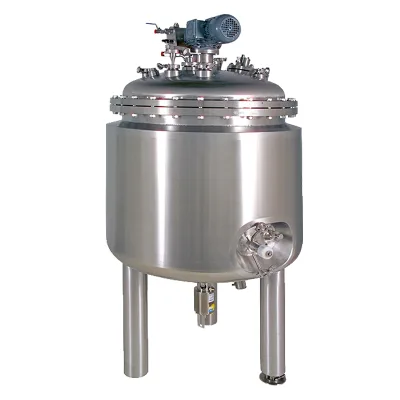


Jinzong Machinery Multifunctional Stirrer Reactor High Viscosity Reactor
$2000.00 - $20000.00
MOQ: 1 Pieces


Chemical Reactor Stainless Steel Polyester Resin Turnkey Project Reactor Chemical
$9866.00 - $9899.00
MOQ: 1 Pieces
Comprehensive Sourcing Guide
Spiral Scraper Resin Reactor Sourcing Guide
Procuring a Spiral Scraper Resin Reactor requires a nuanced understanding of both the mechanical agitation dynamics and the chemical processing environment. These vessels are specialized for high-viscosity applications, particularly in resin synthesis, where standard agitators often fail to maintain uniform temperature and consistency. The spiral scraper design ensures that material adhering to the vessel walls is continuously removed, preventing hot spots and degradation of sensitive chemical compounds. Buyers must recognize that this equipment is not a generic mixing tank but a precision instrument designed for continuous or batch operations involving complex fluid dynamics.
The sourcing landscape for these reactors is dominated by manufacturers in China, with significant production hubs in Jiangsu and Guangdong provinces. These regions offer a mature supply chain for stainless steel fabrication and industrial machinery, allowing for a wide range of customization options. However, the diversity of suppliers also introduces variability in build quality and control system sophistication. Procurement teams must navigate this landscape by focusing on specific technical verifications rather than general product descriptions, ensuring that the selected reactor aligns with precise operational requirements for viscosity handling and thermal management.
Product Scope and Observed Listing Signals
The observed market signals indicate a broad spectrum of capacities, ranging from small-scale 50-liter units to large industrial vessels exceeding 20,000 liters. Listings frequently highlight capacities such as 528.34 gallons, suggesting that suppliers cater to both metric and imperial measurement preferences. This variability in scale allows buyers to select equipment that matches their production volume, but it also necessitates careful verification of the actual internal volume versus the nominal rating. The presence of "Jacketed Reactor" and "Resin Synthesis Reaction Vessel" models confirms that thermal control is a primary feature, with jackets designed for circulating heating or cooling media to maintain precise reaction temperatures.
Material composition is another critical signal, with stainless steel being the predominant choice for contact surfaces. Specific grades such as SUS304 and SUS316 are commonly cited, indicating a focus on corrosion resistance and hygiene standards suitable for chemical processing. Some listings also mention carbon steel for structural components, which is a cost-effective approach for non-contact parts. The automatic grade and vertical layout are standard features, reflecting the industry preference for automated control systems and space-efficient designs. Buyers should note that while "Acrylic" is mentioned in some contexts, it is likely associated with specific auxiliary components or smaller-scale prototypes rather than the main reactor body for industrial resin synthesis.
Technical Specifications to Verify
The core components of a spiral scraper reactor include the gearbox, motor, gear, and pump, which work in tandem to drive the agitator and manage fluid flow. The power range observed spans from 1.1 kW to 75 kW, indicating that motor selection must be matched to the viscosity of the resin and the size of the vessel. Buyers must verify that the gearbox is rated for the specific torque requirements of high-viscosity mixing, as underpowered gearboxes can lead to premature failure. The stirring type is often described as "diving" or "combined agitator," which suggests a multi-stage impeller system designed to handle both bulk movement and surface circulation.
Voltage and power supply requirements are typically standardized at 380V, which is common for industrial machinery in many regions. However, buyers must confirm the specific phase and frequency requirements to ensure compatibility with their facility’s electrical infrastructure. The structural type is predominantly closed, which is essential for containing volatile organic compounds and maintaining pressure integrity during reactions. Additionally, the heating or cooling capabilities should be customized to the specific thermal profile of the resin being processed, with jacket designs that maximize heat transfer efficiency.
Compliance and Safety Documentation
Certification status is a key indicator of manufacturing quality, with ISO and CE certifications frequently mentioned in product listings. These certifications suggest that the manufacturer adheres to international standards for quality management and safety in machinery design. Buyers should request copies of these certificates to verify their validity and scope, ensuring that the specific model of the reactor is covered. The presence of a "Machinery Test Report" and "Video Outgoing Inspection" provides additional layers of assurance, allowing buyers to verify the mechanical integrity and operational performance of the unit before shipment.
Warranty terms are typically offered for one year, which is standard for industrial equipment of this nature. However, buyers should negotiate extended warranty options or comprehensive service agreements to mitigate long-term maintenance risks. The "Three-Layer Plywood" packing method indicates a robust shipping strategy designed to protect the reactor from damage during transit. Buyers must ensure that the packing specifications are clearly defined in the contract to avoid disputes over damage claims upon delivery.
Cost Drivers and Commercial Terms
The price range for spiral scraper resin reactors is highly variable, reflecting the customization and scale of the equipment. Observed prices span from $500 to nearly $100,000, driven by factors such as material grade, capacity, motor power, and control system complexity. Buyers should expect higher costs for reactors made from SUS316 stainless steel, those with larger capacities, and those equipped with advanced automation features. The "Competitive Price" selling point suggests that manufacturers are aggressive in pricing, but buyers must balance cost with quality and reliability to avoid hidden expenses in maintenance and downtime.
Minimum Order Quantities (MOQ) are typically set at one unit, indicating that these reactors are often custom-built rather than mass-produced. This flexibility allows buyers to order single units tailored to their specific needs, but it also means that lead times may be longer compared to standard off-the-shelf equipment. Buyers should clarify the lead time and production schedule early in the procurement process to align with their project timelines. The "Customized" standard further emphasizes that each unit may require unique engineering adjustments, which can impact both cost and delivery time.
Supplier Qualification and Quality Control
Supplier qualification should focus on the manufacturer’s ability to provide detailed engineering drawings and technical support. The "Easy to Operate" selling point suggests that the control systems are user-friendly, but buyers must verify the complexity of the interface and the availability of training materials. The "Key Selling Points" also include "Competitive Price," which should be evaluated against the total cost of ownership, including energy consumption and maintenance requirements. Buyers should assess the supplier’s reputation for after-sales service, as the complexity of spiral scraper reactors requires specialized knowledge for troubleshooting and repair.
Quality control measures should include a thorough review of the "Video Outgoing Inspection" and "Machinery Test Report" provided by the supplier. These documents offer insight into the final assembly and testing processes, allowing buyers to identify potential issues before shipment. Buyers should also consider requesting third-party inspection services to verify the quality of materials and workmanship. The "Customization" capability of the supplier is a critical factor, as it determines the ability to adapt the reactor to specific process requirements.
Long-Term Procurement Checks
Long-term procurement success depends on the availability of spare parts and technical support. Buyers should ensure that the supplier provides a comprehensive list of spare parts, including seals, bearings, and agitator components, which are subject to wear and tear. The "1 year Warranty" covers initial defects, but buyers should plan for ongoing maintenance costs and the potential need for extended service contracts. The "Automatic Grade" of the equipment implies a reliance on electronic controls, which may require specialized technicians for repairs.
The "Application Area" of chemical and daily chemical processing suggests that the reactor will be used in demanding environments. Buyers should monitor the performance of the reactor over time, tracking metrics such as mixing efficiency, temperature stability, and energy consumption. Regular maintenance checks should be scheduled to inspect the spiral scraper mechanism and the jacket integrity. By maintaining a proactive approach to equipment management, buyers can maximize the lifespan and efficiency of their spiral scraper resin reactors.
FAQs
What capacity ranges are available for the reactor?
The reactor is available in capacities ranging from 50 liters up to 50000 liters. Specific models support volumes like 1000 to 30000 liters or 200 to 50000 liters depending on the configuration selected for your production needs.
Can the reactor be customized for specific applications?
Yes, the reactor offers full customization options including heating or cooling systems and structural types. It is designed for chemical and daily chemical applications with a closed type structure and can be tailored to meet unique operational requirements.
Which certifications do the manufacturers hold?
The equipment comes with ISO and CE certifications to ensure safety and quality standards. These certifications verify that the manufacturing process and final product meet international regulatory requirements for industrial machinery used in chemical processing.
How is the reactor powered and what voltage is required?
The reactor operates with power ranging from 1.1kw to 75kw at a standard voltage of 380V. This electrical setup supports the gearbox, motor, and pump core components required for efficient stirring and mixing operations in industrial settings.
What materials are used for the reactor construction?
The main contact materials are stainless steel grades SUS304 or 316, with carton steel used for other parts. This ensures durability and corrosion resistance, making the unit suitable for handling various chemical liquids and suspended solids effectively.
What is the warranty period for the equipment?
The reactor comes with a standard one-year warranty covering manufacturing defects and component failures. This warranty provides buyers with assurance of quality and support during the initial operational phase after installation and commissioning.
How is the reactor packed for shipping?
The equipment is packed in three-layer plywood crates to ensure safe transport. This robust packaging method protects the reactor from damage during transit, whether it is being shipped from Jiangsu or Guangdong in China to international destinations.