Source Spiral Point Tap Tools for Drilling, Milling, and Lathe
Find 30 Spiral Point Tap options for motorized and manual applications. Compare high-speed steel and alloy tool steel variants in metric and inch sizes. Source customized threading solutions from Jiangsu and China suppliers for punch and drilling machine needs; compare the available evidence and request quotations based on your requirements.
Key considerations
Products List






Comprehensive Sourcing Guide
Spiral Point Tap Sourcing Guide
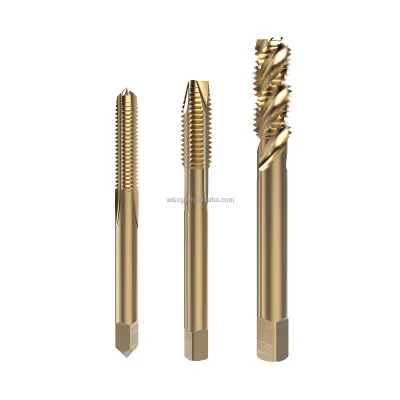
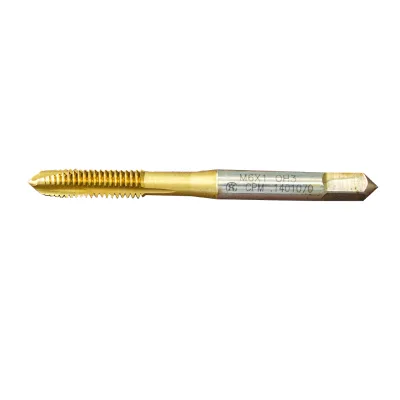
Spiral point taps are specialized cutting tools designed primarily for through-hole threading operations in ductile materials. These tools feature a unique flute geometry that directs chips forward, away from the cutting edge, which significantly reduces the risk of chip clogging and tool breakage during high-speed machining. Buyers should verify that the specific product listing confirms the "Spiral Point" designation, as this distinguishes the tool from straight fluting or spiral fluting variants that serve different hole types and material conditions.
When evaluating listings, procurement teams must confirm the intended application matches the tool's design, such as use in drilling machines, lathes, or motorized setups. The observed product data indicates these taps are suitable for various machine tools including punch and milling applications, provided the material and hole depth align with the tool's geometry. Ensuring the listing explicitly states the tool is for through holes is critical, as spiral point taps are generally not recommended for blind holes where chip evacuation is restricted.
Product Scope and Observed Listing Signals
The market for spiral point taps presents a diverse range of specifications, with observed listings covering metric, British, and American standards simultaneously. Buyers will encounter models ranging from small diameters like M0.7 up to larger sizes such as M12, alongside specific thread standards like G1/8 to G2. It is essential to cross-reference the listed model numbers, such as KM-M1-M16 or T-12, against your specific engineering drawings to ensure the pitch and diameter match your production requirements exactly.
Packaging and unit quantities vary significantly across suppliers, with options including plastic boxes, cartons, or individual plastic tubes. Some listings specify a standard count of 20 pieces per set, while others may offer customized packing solutions. Procurement teams should carefully review the "Pieces" attribute and "prod_packing" details to avoid receiving incorrect quantities or packaging that does not suit your inventory management system, especially when ordering in bulk for automated production lines.
Technical Specifications to Verify
Material composition is a primary determinant of tool life and performance, with observed listings featuring both High-speed Steel and Alloy Tool Steel variants. Buyers must verify which material is specified for the specific order, as High-speed Steel offers superior heat resistance for high-speed operations, while Alloy Tool Steel may be selected for specific hardness requirements. Confirming the material grade ensures the tap can withstand the cutting forces and thermal loads generated during the machining of your specific workpiece materials.
Flute geometry and coating are equally critical technical parameters that influence chip flow and tool longevity. The data confirms the availability of spiral point designs, but buyers should also check for additional attributes like "Coating" which can enhance wear resistance and reduce friction. Additionally, verifying the standard compliance, such as DIN, ANSI, or ISO, ensures the thread profile meets international quality benchmarks, preventing compatibility issues with existing fasteners or mating components in your assembly process.
Compliance and Safety Documentation
While specific certification documents are not explicitly detailed in the provided product facts, buyers should request evidence of adherence to recognized manufacturing standards like DIN, ANSI, or GOST. The presence of these standard references in the listing suggests a baseline of quality control, but formal documentation is necessary to validate that the tools meet the specific regulatory requirements of your industry or destination market. Procurement teams must ensure the supplier can provide mill certificates or quality inspection reports that verify the material and dimensional accuracy.
Safety and operational compliance also extend to the intended use of the tool within your facility. Since the products are listed for use in motorized and manual applications, including drilling machines and lathes, buyers should confirm that the tool specifications align with the safety protocols of their machinery. Ensuring the tool is rated for the specific RPM and feed rates of your equipment prevents catastrophic failure during operation, protecting both the operator and the machine from damage caused by tool breakage or excessive vibration.
Cost Drivers and Commercial Terms
Pricing for spiral point taps is influenced by material grade, coating technology, and the complexity of the thread specification. The observed price range of 0.1 to 50 USD reflects the variance between basic high-speed steel tools and more specialized alloy or coated variants. Buyers should analyze the cost per unit relative to the expected tool life, as a higher initial investment in a coated or alloy tool may yield significant savings through reduced replacement frequency and minimized downtime.
Minimum Order Quantities (MOQ) and lead times are significant commercial factors that vary widely, with observed ranges spanning from 10 to 10,000 units. Smaller MOQs may be suitable for prototyping or low-volume production, while larger orders often unlock better pricing tiers but require careful inventory planning. Procurement teams must negotiate terms that balance cost efficiency with flexibility, ensuring that the supplier can meet delivery schedules without compromising on the quality of the customized or standard items ordered.
Supplier Qualification and Quality Control
Geographic origin plays a role in the supply chain dynamics, with observed listings indicating production in regions such as Jiangsu, Zhenjiang, and Dongguang in China. While these locations are known manufacturing hubs, buyers should verify the specific factory capabilities and quality management systems rather than relying solely on the region. Establishing a relationship with a supplier that demonstrates consistent quality control processes is essential for maintaining the precision required for thread machining applications.
Quality assurance should include a rigorous inspection of the received goods against the agreed-upon specifications, including thread pitch, diameter, and surface finish. The "Neutral" brand status observed in some listings suggests that the tools may be generic or private label, making it even more critical to verify the physical attributes upon receipt. Buyers should implement a sampling plan to test the taps in actual machining conditions, ensuring they perform as expected before committing to larger production runs.
Long-Term Procurement Checks
Sustaining a reliable supply of spiral point taps requires ongoing monitoring of supplier performance and product consistency over time. Buyers should track key performance indicators such as defect rates, delivery reliability, and the consistency of material grades across different production batches. Regular audits and feedback loops with the supplier help identify potential issues early, ensuring that the tools continue to meet the stringent requirements of your machining operations.
As production needs evolve, the ability to customize specifications becomes a vital asset for long-term procurement success. The availability of customization options allows buyers to adapt to changing design requirements or material specifications without switching suppliers. Maintaining open communication regarding future needs and potential design changes ensures that the supplier can provide tailored solutions, securing a stable and flexible supply chain for your Spiral Point Tap requirements.
FAQs
What sizes are available for spiral point taps?
Spiral point taps in this range cover metric sizes from M 0.7 to M12, with other listings extending to M3-M52 and inch standards such as UNC 3/8-16 and G1/8 to G2. Metric, British, and American thread systems are supported. Confirm the exact size, pitch, and tolerance you need before ordering, since availability varies by listing.
Can spiral point taps be customized for specific threading requirements?
Yes, customization is available on listed Spiral Point Tap products, and some listings are marked as customized. You can typically specify thread size, shank, coating, and packaging details. Provide your drawing or thread specification, required standards such as DIN, ANSI, GOST, or ISO, and target quantity so the factory can confirm feasibility and cost.
What material and coating are used for these spiral point taps?
Listed spiral point taps are made from high-speed steel, with some variants using alloy tool steel, and a coating process is applied. Coating helps reduce friction and improves wear resistance during thread machining. If you need a specific coating type or substrate hardness, request the material certificate and coating details from the supplier before placing an order.
Which machines are suitable for driving spiral point taps?
Spiral point taps work on drilling machines, lathes, milling machines, and punch-type machine tools, and listings note both motorized and manual applications. They are designed for through holes, where the spiral point pushes chips forward ahead of the tap. Match the tap shank to your holder and confirm machine spindle speed suits the workpiece material.
How are spiral point taps packed for shipment?
Packing options seen in the listings include plastic boxes, cartons, and one piece in one plastic tube. Plastic tube packing protects cutting edges during transit, while plastic boxes suit tap sets of about 20 pieces. Confirm your preferred packing method when requesting a quote, especially for export orders that require moisture protection.
Which standards do these spiral point taps comply with?
Listed products reference DIN, ANSI, GOST, and ISO standards, and thread systems include metric, British, and American sizes. ANSI standard spiral pointed taps are also listed. When sourcing, state the standard and thread class you require in your inquiry so the supplier can confirm which products meet that specification before quoting.
What is the typical MOQ range when sourcing spiral point taps?
Observed minimum order quantities for Spiral Point Tap listings range from 10 to 10000 pieces, so MOQ depends on size, type, and supplier terms. Small trial orders may be possible for standard metric sizes, while customized taps usually require higher volumes. Ask suppliers to state MOQ per size and confirm whether mixed-size assortments are accepted.
Where are Spiral Point Tap suppliers located in these listings?
Listed origins include Jiangsu, Zhenjiang, Dongguang, and other locations in mainland China. Many taps are sold under a neutral brand, which suits buyers who market under their own label. When shortlisting, compare origin together with price, lead time, and customization capability, since regional clusters often differ in specialization and production capacity.