Source Spirotetramat for Crop Protection, Pest Control, and Agriculture
Compare 30 listings of Spirotetramat insecticides and intermediates from verified Chinese factories. Buyers can review formulations, purity levels, and packaging options to find suitable solutions for systemic and contact pest management; compare the available evidence and request quotations based on your requirements.
Key considerations
Products List


Spirotetramat 15%Sc New Type Insecticide for Protect Fruits and Vegetables
$2.00 - $4.00
MOQ: 1000 Liter


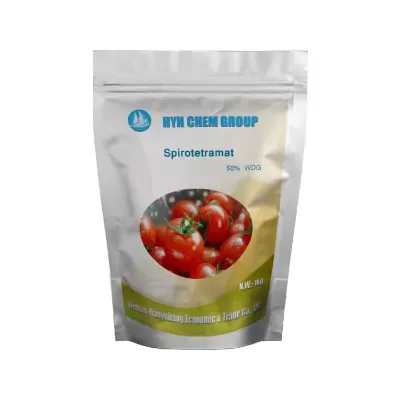
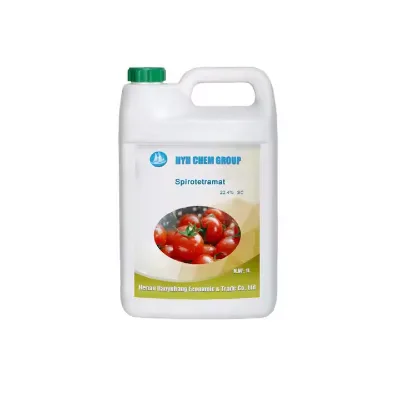
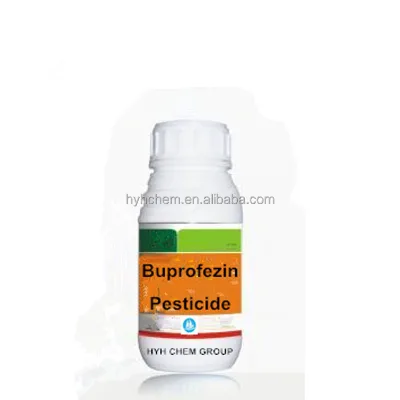


Comprehensive Sourcing Guide
Spirotetramat Sourcing Guide
Procurement professionals must first distinguish between the distinct physical forms available in the current market, as the product listing signals a split between liquid formulations and technical powders. Buyers should verify whether the specific requirement is for a 15% or 10% Spirotetramat suspension concentrate, which appears as a liquid, or the technical grade material which is observed as a white powder. This distinction dictates the entire downstream supply chain, from storage requirements to the specific application equipment needed for field deployment.
The observed market data indicates a wide range of customization options, including customized labels and packaging designs that cater to specific regional branding needs. Sourcing teams must carefully review the listed appearance and formulation details to ensure the product matches the intended mode of action, whether it is a systemic insecticide or a contact agent. Misidentifying the physical state or the specific mode of action can lead to significant operational inefficiencies and regulatory non-compliance in the target agricultural sector.
Product Scope and Observed Listing Signals
Buyers should analyze the observed price range and minimum order quantities to understand the commercial flexibility of the current supply base. The market data suggests a broad spectrum of entry points, with minimum order quantities ranging from single kilograms for samples to larger bulk orders, allowing for both small-scale testing and large-volume procurement strategies. This variability requires procurement teams to align their internal inventory policies with the specific supplier's capacity to deliver the required volume within the stated lead times.
It is critical to recognize that the product scope includes various packaging formats, from small foil bags for technical intermediates to large drums for bulk distribution. The availability of free samples for quality assurance serves as a vital verification step before committing to larger orders, allowing buyers to physically inspect the color, texture, and consistency of the material. This hands-on verification is essential to confirm that the observed white powder or liquid matches the technical specifications before any financial commitment is made.
Technical Specifications to Verify
Technical verification must begin with the precise model number and formulation percentage, as the market lists distinct entries for 15% SC and 10% SC products alongside technical grade intermediates. Buyers need to confirm the exact active ingredient concentration and the specific formulation type, such as suspension concentrate, to ensure compatibility with existing agricultural application systems. The presence of different model numbers like HB-Spirotetramat or generic SC codes indicates a need for rigorous cross-referencing against the purchase order to prevent specification errors.
Quality assurance protocols should focus on the purity standards observed in the listings, which range from 96% to 98% for technical grades and specific percentages for formulated products. Procurement teams must request and review HPLC test results to validate the chemical purity and ensure the product meets the required technical standards for efficacy. Verifying the storage requirements, such as the need for a cool, dry place, is also essential to maintain the integrity of the product from the point of manufacture to the final point of application.
Compliance and Safety Documentation
Safety documentation is paramount when sourcing agrochemicals, requiring immediate verification of the toxicological effects and safety data sheets provided by the supplier. The observed data indicates varying toxicological profiles, including classifications as nerve poisons or low toxicity reagents, which necessitates a careful review of the Material Safety Data Sheet (MSDS) for every specific batch. Buyers must ensure that the safety documentation aligns with the regulatory requirements of the destination country to avoid legal liabilities and ensure the safe handling of the chemical.
Certification status serves as a primary indicator of a supplier's commitment to quality management and regulatory adherence. The market listings frequently reference ISO9001, COA, and SGS certifications, which provide a baseline assurance of the manufacturing process and product consistency. Procurement teams should treat these certifications as mandatory prerequisites, verifying that the certificates are current and issued by recognized bodies before proceeding with any contract negotiation or order placement.
Cost Drivers and Commercial Terms
Commercial terms are heavily influenced by the packaging configuration and the logistics method selected for the shipment, whether by sea or by air. The observed packaging options, ranging from 1kg foil bags to 25kg drums, directly impact the unit cost and the total shipping volume, requiring buyers to calculate the most cost-effective logistics strategy for their specific order size. Understanding these variables is crucial for accurate budgeting and for negotiating favorable freight terms that align with the project timeline.
The availability of customized packaging and labeling adds a layer of complexity to the cost structure, often involving additional setup fees or minimum order thresholds. Buyers must clarify whether the quoted price includes the cost of custom design and printing or if these are separate line items that will increase the total expenditure. Clear communication regarding these customization costs is necessary to prevent unexpected budget overruns and to ensure that the final delivered product meets all branding and regulatory labeling requirements.
Supplier Qualification and Quality Control
Supplier qualification should prioritize entities that identify as factories rather than trading companies, as this distinction often correlates with better control over production quality and pricing. The observed supplier types indicate a direct manufacturing base, which allows for more transparent communication regarding production schedules and quality control measures. Buyers should verify the supplier's location, noting that origins in China, specifically Shaanxi, are common, and assess the logistical implications of sourcing from these specific regions.
Quality control processes must be validated through the supplier's ability to provide consistent test results and adherence to the stated standards. The presence of specific test methods like HPLC and the availability of certificates of analysis (COA) are key indicators of a robust quality control system. Procurement teams should request a detailed quality control plan that outlines how the supplier maintains the 96% to 98% purity standards and ensures the consistency of the liquid or powder appearance across different production batches.
Long-Term Procurement Checks
Long-term procurement strategies require establishing a framework for continuous quality monitoring and periodic re-verification of supplier certifications. Buyers should implement a schedule for regular audits or sample testing to ensure that the product continues to meet the initial specifications regarding purity, appearance, and toxicological profile. This proactive approach helps in maintaining supply chain stability and ensures that any deviations in product quality are identified and addressed before they impact agricultural operations.
Market dynamics and regulatory landscapes are subject to change, necessitating a review of the supplier's ability to adapt to new standards or certification requirements. Procurement teams must maintain open channels of communication to stay informed about updates to ISO standards or other relevant regulations that may affect the product's compliance status. Establishing a long-term partnership based on mutual trust and verified performance data will provide the resilience needed to navigate future supply chain challenges effectively.
FAQs
What formulations of Spirotetramat are available?
Available formulations include 15% SC and 10% SC liquid insecticides. Customized packaging options exist for bulk orders. Technical grade powder is also offered with white or yellow colors depending on the specific batch and application requirements.
Can I get a free sample for quality assurance?
Yes, free samples are provided for quality assurance purposes. These samples allow buyers to verify product efficacy before placing larger orders. Customized packaging is available for sample shipments to meet specific testing needs.
Which certifications do the Spirotetramat products hold?
Products hold ISO9001, COA, MSDS, and Icama certifications. Additional certificates like SGS are also available for specific batches. These documents ensure compliance with international safety and quality standards for agricultural chemical applications.
How is the Spirotetramat insecticide stored and packed?
Storage requires a cool, dry place to maintain product stability. Packaging options include aluminum foil bags, drums, or customized packages. Bulk shipments are typically arranged by sea or air depending on the order volume and destination requirements.
What is the minimum order quantity for this product?
The minimum order quantity starts at 1kg for technical grade samples. Bulk orders may have different MOQs ranging up to 1000 units depending on the supplier and specific formulation selected. Customized packaging can alter standard packing constraints.
Where are the Spirotetramat products manufactured?
Products originate from factories located in Shaanxi, China. The manufacturing process involves organic synthesis to ensure high effectiveness. Suppliers are verified as direct factories to guarantee quality control throughout the production chain.
What are the main markets for this insecticide?
The main markets include North America and Europe. These regions have high demand for systemic and contact insecticides. The product is designed to meet the specific regulatory and agricultural needs of these global markets.