Source Auxin Indole Acetic Acid for Plant Growth, Rooting, and Flowering
Compare 30 listings of Auxin Indole Acetic Acid to evaluate purity, packaging, and specifications. This guide helps buyers identify suitable industrial grade options for various agricultural applications and procurement needs; compare the available evidence and request quotations based on your requirements.
Key considerations
Products List






Comprehensive Sourcing Guide
Auxin Indole Acetic Acid Sourcing Guide
Procuring indole-3-acetic acid (IAA) requires a disciplined approach to verifying chemical identity and purity, as this auxin plays a critical role in plant physiology. Buyers must distinguish between high-purity technical grades and lower-grade industrial variants, ensuring the product matches the specific agricultural or industrial application intended. The observed market data indicates a wide range of listing prices, from one to over one hundred sixty-three US dollars, reflecting significant variability in concentration, packaging, and supplier tier. This variance underscores the necessity of detailed specification sheets rather than relying on generic product descriptions.
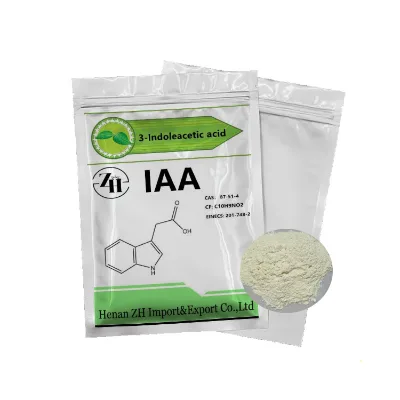
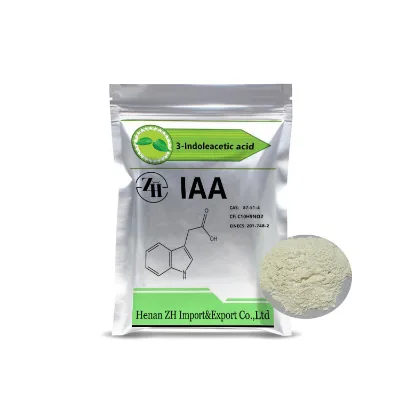
Understanding the physical and chemical properties of IAA is essential for effective storage and handling. The compound typically appears as colorless leaf-like crystals or a white crystalline powder, with a molecular weight of approximately 175.19. It is insoluble in water, which dictates specific formulation strategies for end-users. Sourcing decisions should account for the melting point, generally observed between 165 and 169 degrees Celsius, and the boiling point, which varies in reported data but is critical for distillation processes. Buyers should prioritize suppliers who provide consistent physical data to ensure batch-to-batch reliability.
Product Scope and Observed Listing Signals
The product scope for Auxin Indole Acetic Acid includes various formulations, primarily 98% technical grade and 0.11% soluble liquid. The technical grade is suitable for further processing into commercial plant growth regulators, while the liquid formulation offers convenience for direct application. Listings often specify the CAS number 87-51-4 and EINECS number 205-101-5, which are critical identifiers for regulatory compliance and chemical verification. Buyers should confirm that the supplier’s documentation aligns with these standard identifiers to avoid misidentification with other indole derivatives.
Observed listing signals indicate that packaging options vary significantly, including 1kg bags and 25kg drums. This flexibility allows buyers to match procurement volumes with their production scale, from small-scale research to large-scale agricultural manufacturing. The minimum order quantity is often listed as 1kg, facilitating sample acquisition for quality testing. However, bulk orders in 25kg drums may offer better economic terms. Buyers should evaluate whether their logistics infrastructure can handle drum packaging or if bagged units are more practical for their specific operational needs.
Technical Specifications to Verify
Verifying technical specifications is paramount to ensure the IAA meets the required purity and stability standards. The purity is typically listed as 98% total content, but buyers should request a Certificate of Analysis (COA) to confirm this value for each batch. Impurities can affect the efficacy of the growth regulator and potentially harm plant tissues. Additionally, the appearance should be consistent with white or colorless crystals; any discoloration may indicate degradation or contamination. Buyers must cross-reference the supplier’s COA with their internal quality standards to ensure compliance.
Physical properties such as melting point and density serve as additional verification points. The melting point is generally reported between 165 and 169 degrees Celsius, while the density is approximately 1.1999. These values help confirm the chemical identity and purity of the sample. Buyers should also verify the storage conditions, as IAA is recommended to be stored at -20 degrees Celsius or in a dry, cool, sealed container to maintain stability. Proper storage is crucial to prevent degradation, which can reduce the compound’s effectiveness as a plant growth stimulant.
Compliance and Safety Documentation
Compliance documentation is a critical component of sourcing IAA, particularly for agricultural applications where regulatory oversight is strict. Suppliers should provide a Material Safety Data Sheet (MSDS) and a Technical Data Sheet (TDS) to ensure safe handling and application. These documents outline potential hazards, first-aid measures, and environmental impact, which are essential for workplace safety and regulatory compliance. Buyers should verify that the MSDS is current and aligns with local safety regulations to avoid legal liabilities.
Certifications such as COA, MSDS, and TDS are standard requirements for industrial-grade IAA. While specific certifications may vary by region, the presence of these documents indicates a supplier’s commitment to quality and safety. Buyers should request samples for independent testing to verify the accuracy of the provided documentation. This step is crucial for establishing trust and ensuring that the product meets the specified standards. Additionally, buyers should confirm that the supplier adheres to good manufacturing practices to minimize the risk of contamination.
Cost Drivers and Commercial Terms
Cost drivers for IAA include the purity level, packaging format, and order volume. Higher purity grades, such as 98% technical, typically command a premium price compared to lower-grade variants. Packaging also influences cost, with 25kg drums often offering a lower per-kilogram price than 1kg bags due to reduced packaging and handling expenses. Buyers should negotiate terms based on their long-term procurement needs, as bulk orders may qualify for discounts. Understanding these cost drivers helps buyers optimize their budget and secure favorable commercial terms.
Commercial terms should include clear specifications for delivery, payment, and quality assurance. Buyers should agree on the acceptable range for purity and physical properties to avoid disputes over non-conforming batches. Payment terms, such as letters of credit or advance payments, should be negotiated based on the supplier’s creditworthiness and the buyer’s cash flow. Additionally, buyers should clarify the lead time for production and shipping, as delays can impact their production schedule. Transparent communication on these terms ensures a smooth procurement process and minimizes potential conflicts.
Supplier Qualification and Quality Control
Supplier qualification involves assessing the manufacturer’s capabilities, reputation, and quality control systems. Buyers should verify the supplier’s location, such as Henan, China, and their production capacity to ensure they can meet demand. A reputable supplier will have a robust quality control system, including in-process checks and final product testing. Buyers should request references from other clients to gauge the supplier’s reliability and consistency. This due diligence helps mitigate the risk of receiving substandard products and ensures a stable supply chain.
Quality control measures should include regular testing for purity, impurities, and physical properties. Suppliers should maintain records of these tests and provide them upon request. Buyers can conduct third-party testing to independently verify the quality of the IAA. This dual approach ensures that the product meets the required standards and provides an additional layer of assurance. Establishing a strong relationship with the supplier, based on mutual trust and transparency, is essential for long-term success in sourcing IAA.
Long-Term Procurement Checks
Long-term procurement checks involve monitoring the supplier’s performance and market trends. Buyers should regularly review the supplier’s quality metrics, delivery times, and responsiveness to issues. Consistent performance is a key indicator of a reliable supplier. Additionally, buyers should stay informed about market trends, such as changes in raw material costs or regulatory updates, which can impact pricing and availability. Proactive monitoring helps buyers anticipate potential disruptions and adjust their procurement strategy accordingly.
Building a strategic partnership with the supplier can enhance long-term procurement efficiency. This includes negotiating long-term contracts with fixed pricing or volume commitments, which can provide stability and cost savings. Buyers should also explore opportunities for collaboration, such as joint development of new formulations or improvements in packaging. By fostering a collaborative relationship, buyers can ensure a steady supply of high-quality IAA and gain a competitive advantage in their market.
FAQs
What is the chemical classification of indole acetic acid?
Indole acetic acid is classified as an auxin and a plant growth regulator. It functions primarily as a growth promoter that helps restrain the growth of stems, leaves, and buds. This classification identifies its role in stimulating plant development and regulating various physiological processes in agricultural applications.
What is the typical purity level for industrial grade IAA?
The typical purity level for industrial grade indole acetic acid is 98% TC. This specification indicates the concentration of the active ingredient in the product. Buyers should verify the Certificate of Analysis to ensure the material meets this standard for consistent performance in plant growth applications.
How is indole acetic acid typically packaged for shipment?
Indole acetic acid is commonly packaged in 1kg bags or 25kg drums. Customized packaging options are also available to meet specific logistical requirements. This packaging format ensures the stability of the crystalline powder during transport and storage, protecting the product from moisture and contamination.
What are the primary uses of indole acetic acid in agriculture?
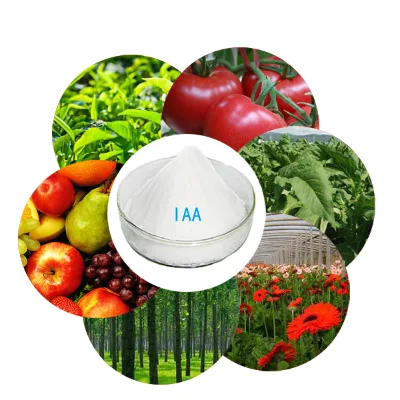
Indole acetic acid is used to promote plant growth, hasten rooting, and induce flower bud formation. It also aids in cut-flower preservation and the formation of seedless fruit. These applications make it a versatile tool for enhancing crop yield and quality in various agricultural settings.
What are the physical properties of indole acetic acid powder?
Indole acetic acid appears as colorless leaf-like crystals or a white crystalline powder. It has a melting point between 165 and 169 degrees Celsius and is insoluble in water. Understanding these physical properties is essential for proper handling, storage, and formulation in plant growth regulator products.
Can suppliers provide samples of indole acetic acid for testing?
Yes, samples of indole acetic acid are generally available from suppliers. Requesting a sample allows buyers to verify the product's purity, appearance, and performance before committing to a larger order. This step is crucial for ensuring the material meets specific technical requirements and quality standards.
What is the recommended storage condition for indole acetic acid?
Indole acetic acid should be stored in a dry, cool, and sealed container. Some specifications recommend storage at -20 degrees Celsius to maintain stability. Proper storage conditions prevent degradation and ensure the product remains effective for its intended use as a plant growth stimulant.