Source Spray Paint Forged Hammer Union for Oil and Gas
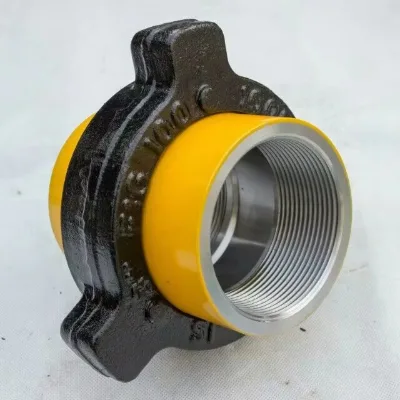
Find and compare 30 Spray Paint Forged Hammer Union options from Chinese manufacturers. Evaluate specifications including working pressure, nominal bore sizes, and surface treatments to select the right fittings for industrial applications.
Key considerations
Products List


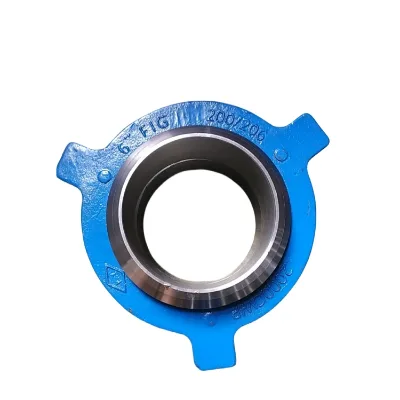
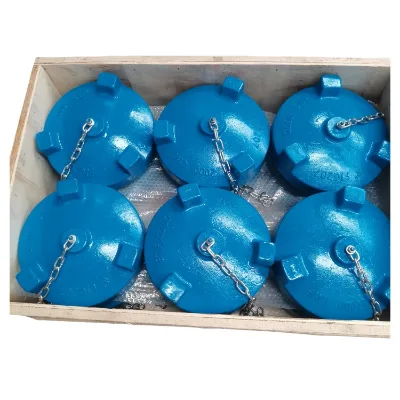
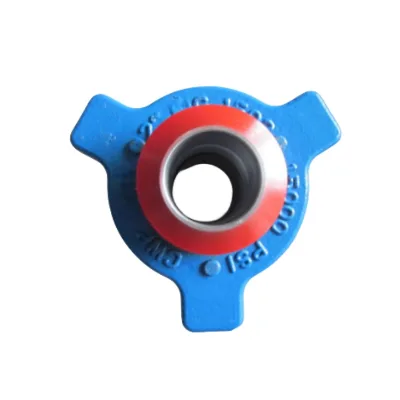
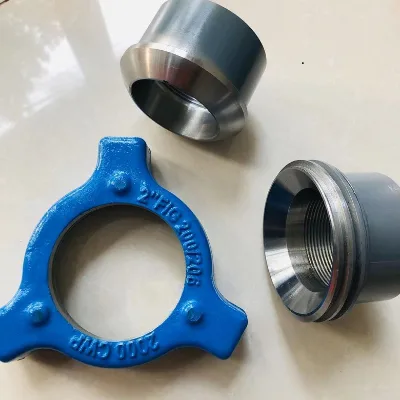

Comprehensive Sourcing Guide
Spray Paint Forged Hammer Union Sourcing Guide
Procuring spray-painted forged hammer unions requires a disciplined approach that balances mechanical integrity with environmental protection. These components serve as critical connection points in high-pressure fluid systems, where the forging process ensures superior grain structure and resistance to fatigue compared to cast alternatives. The spray-paint finish provides an additional layer of corrosion resistance, making these unions suitable for demanding industrial environments where exposure to moisture, chemicals, or harsh weather conditions is expected. Buyers must recognize that the combination of forging and surface treatment is not merely aesthetic but functional, directly impacting the longevity and reliability of the piping infrastructure.
The sourcing landscape for these specialized fittings is characterized by a mix of standardized models and custom engineering options. Suppliers often offer a range of nominal bores and pressure ratings, allowing for flexibility in system design. However, the presence of customization options means that buyers must clearly define their technical requirements early in the engagement process. This guide outlines the essential verification steps, technical parameters, and commercial considerations necessary to secure a reliable supply chain for spray-painted forged hammer unions, ensuring that the final product meets both operational demands and safety standards.
Product Scope and Observed Listing Signals
The market for hammer unions includes a variety of configurations, ranging from welding-type connections to threaded unions, each serving specific installation needs. Observed listings indicate a strong presence of models such as the FMC Weco Welding Type and various Figure 1003 or 1502 variants, which are widely recognized in the industry. These models often feature nominal bores between 1 inch and 5 inches, catering to medium to large-scale piping systems. The working pressure ratings observed in the market span from 7 MPa to 140 MPa, highlighting the versatility of these components across different pressure classes. Buyers should note that while some listings mention atmospheric pressure applications, the majority of forged hammer unions are engineered for significantly higher operational pressures.
Surface treatment and material composition are key differentiators among suppliers. Stainless steel and alloy iron are common materials, chosen for their strength and corrosion resistance. The spray-paint finish is frequently applied over these materials to provide an extra barrier against environmental degradation. Some listings also mention galvanized sheet or galvanized finishes, which may be used in conjunction with or as an alternative to spray paint depending on the specific corrosion requirements. The manufacturing process is predominantly forging, which contributes to the high mechanical strength of the unions, although some listings may reference casting or CNC milling for specific components. Buyers must verify the exact manufacturing method to ensure it aligns with their pressure and stress requirements.
Technical Specifications to Verify
Verifying the nominal bore and pressure rating is the first critical step in ensuring compatibility with existing piping systems. The observed range of 1 inch to 5 inches covers most standard industrial applications, but buyers must confirm the exact dimensions and tolerances for their specific project. The working pressure rating, which can range from 7 MPa to 140 MPa, must be matched to the system’s maximum operating pressure, including safety factors. It is essential to distinguish between the union’s rated pressure and the system’s actual operating pressure to prevent overloading the connection. Buyers should request detailed pressure-temperature derating curves from suppliers to understand how the union’s performance changes under varying thermal conditions.
Connection type and head design are equally important technical parameters that affect installation and maintenance. Hammer unions are typically available in female threaded connections, which require precise thread standards to ensure a leak-free seal. The head type, often round, is designed for easy handling and operation, allowing for quick disassembly and reassembly of the piping system. Buyers should verify the thread standard, such as NPT, BSP, or metric, to ensure compatibility with existing fittings. Additionally, the surface treatment, whether spray-paint, galvanized, or untreated, must be selected based on the environmental conditions of the installation site. Buyers should request samples or detailed specifications to confirm the thickness and adhesion of the paint or coating.
Compliance and Safety Documentation
Compliance with international standards is crucial for ensuring the safety and reliability of hammer unions in high-pressure applications. Standards such as DIN and ANSI are commonly referenced in the market, providing guidelines for dimensions, pressure ratings, and testing procedures. Buyers must verify that the supplier’s products comply with the relevant standards for their region and industry. For example, ANSI standards are prevalent in North America, while DIN standards are common in Europe. Buyers should request certification documents or test reports that demonstrate compliance with these standards, ensuring that the unions meet the required safety and performance criteria.
Safety documentation also includes material certifications and quality control records. Stainless steel and alloy iron materials must be sourced from reputable suppliers and accompanied by mill test reports that verify chemical composition and mechanical properties. Buyers should ensure that the forging process is controlled to prevent defects such as cracks or inclusions, which can compromise the union’s integrity. Surface treatment processes should also be documented to confirm that the coating is applied uniformly and adheres properly to the substrate. Buyers should request a quality assurance plan from the supplier that outlines the inspection and testing procedures used throughout the manufacturing process.
Cost Drivers and Commercial Terms
The cost of spray-painted forged hammer unions is influenced by several factors, including material costs, manufacturing complexity, and surface treatment requirements. Stainless steel and alloy iron are more expensive than carbon steel, but they offer superior corrosion resistance and strength. The forging process is more labor-intensive and requires specialized equipment, which can increase production costs compared to casting. Additionally, the spray-paint finish adds to the overall cost, but it provides long-term value by reducing maintenance and replacement frequency. Buyers should consider the total cost of ownership, including installation, maintenance, and potential downtime, rather than focusing solely on the initial purchase price.
Commercial terms such as minimum order quantity (MOQ), packaging, and lead times also impact the procurement process. Observed MOQs range from 1 to 100 units, offering flexibility for both small and large orders. Packaging options include export packages, plywood cases, and wooden boxes, which are designed to protect the unions during transit. Buyers should specify their preferred packaging to ensure that the products arrive in good condition. Lead times can vary depending on the order size and customization requirements, so buyers should plan their procurement schedule accordingly. Payment terms and warranty policies should also be negotiated to mitigate financial risks and ensure supplier accountability.
Supplier Qualification and Quality Control
Supplier qualification is a critical step in ensuring the reliability of the supply chain for spray-painted forged hammer unions. Buyers should conduct a thorough assessment of the supplier’s manufacturing capabilities, quality management systems, and track record. Suppliers with ISO 9001 certification demonstrate a commitment to quality management, although buyers should verify the scope of the certification to ensure it covers the relevant products and processes. Site audits can provide valuable insights into the supplier’s production facilities, equipment, and personnel training. Buyers should also review the supplier’s customer references and case studies to assess their experience in supplying similar products.
Quality control measures should be implemented throughout the manufacturing process to ensure consistent product quality. Buyers should request a detailed quality control plan that outlines the inspection points, testing methods, and acceptance criteria for each stage of production. Incoming material inspections should verify the chemical composition and mechanical properties of the stainless steel and alloy iron. In-process inspections should monitor the forging, machining, and surface treatment processes to detect and correct defects early. Final inspections should include dimensional checks, pressure testing, and visual inspections of the surface finish. Buyers should also consider third-party inspection services for large orders or critical applications to provide an additional layer of quality assurance.
Long-Term Procurement Checks
Long-term procurement success depends on establishing a robust relationship with suppliers and implementing continuous improvement processes. Buyers should conduct regular performance reviews to assess the supplier’s delivery reliability, product quality, and responsiveness to issues. Key performance indicators such as on-time delivery rate, defect rate, and customer satisfaction should be tracked and analyzed to identify areas for improvement. Buyers should also engage in open communication with suppliers to address any concerns or changes in requirements promptly. Regular feedback sessions can help strengthen the partnership and ensure that both parties are aligned on quality and service expectations.
Continuous monitoring of market trends and technological advancements is essential for staying competitive and ensuring the long-term viability of the procurement strategy. Buyers should stay informed about new materials, manufacturing techniques, and surface treatment technologies that may offer improved performance or cost savings. Participating in industry conferences and networking with other procurement professionals can provide valuable insights and best practices. Buyers should also review and update their specifications and requirements periodically to reflect changes in industry standards and operational needs. By maintaining a proactive approach to supplier management and market analysis, buyers can ensure a stable and efficient supply chain for spray-painted forged hammer unions.
FAQs
What manufacturing process is used for these hammer unions?
The primary manufacturing process is forging, though some items are cast or CNC milled. Surface treatments include spray paint and galvanization to ensure durability. These unions are available in stainless steel and alloy materials to meet specific industrial requirements.
Which working pressure ranges are available for these fittings?
Working pressure ranges from 7MPa to 140MPa depending on the specific model. Some atmospheric pressure variants are also listed. Buyers should verify the exact pressure rating against their system requirements before selecting a specific nominal bore size.
Can I request custom specifications for these hammer unions?
Yes, customization is available for these products. Buyers can request specific colors and packing options like plywood cases or wooden boxes. Standard sizes range from 1 inch to 8 inches, with various model numbers like FMC and FIG available for selection.
What standards do these hammer unions comply with?
These products comply with DIN and ANSI standards. Specific model standards include Figure 1003, 400, 602, and 1502. Nominal bore sizes typically range from 1 inch to 5 inches, ensuring compatibility with various international piping systems and industrial applications.
How are these products packed for export?
Products are packed in export packages, plywood cases, or wooden boxes. The specific packing method depends on the order size and product type. All items originate from China, with some suppliers located in Shandong, Dongying, ensuring secure transport for international buyers.
What connection types are offered for these unions?
The available connection type is female threaded. Some models feature round heads and are designed as threaded unions. Buyers should check the specific model number, such as FIG206 or GPE-U, to confirm the exact connection configuration for their application.