Source Square Copper Braided Ground Strap for Power, Telecom, Industrial
Compare 30 Square Copper Braided Ground Strap options from verified suppliers. Buyers can evaluate specifications like conductor material, insulation, and certifications to find suitable solutions for power stations, telecommunications, and industrial applications; compare the available evidence and request quotations based on your requirements.
Key considerations
Products List
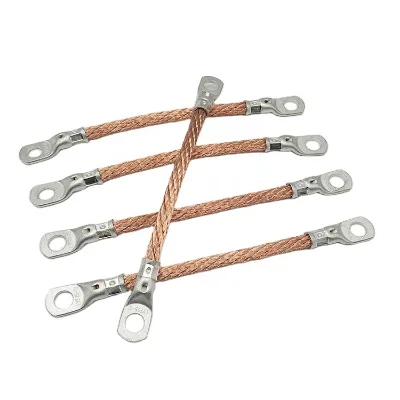
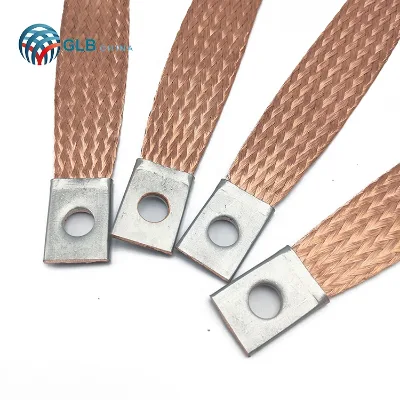
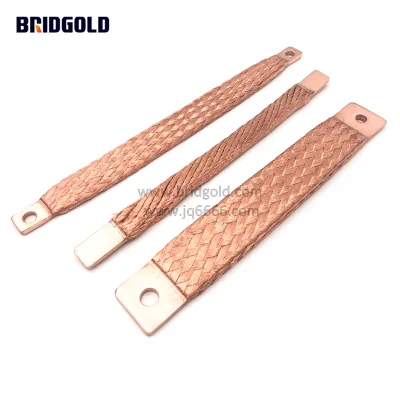


Factory Price Tinned Copper Braid Wire Earth Bonding Strap for Substation
$0.80 - $2.00
MOQ: 100 Pieces
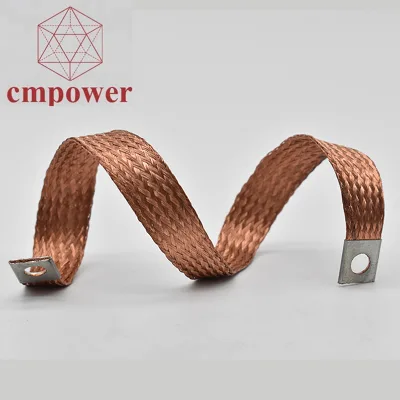


Electrical Ground Earth Strap Flexible Connector Copper Wire Braided Cable
$8.00 - $10.00
MOQ: 10 Meters


Comprehensive Sourcing Guide
Square Copper Braided Ground Strap Sourcing Guide
Procuring square copper braided ground straps requires a precise understanding of material conductivity and mechanical flexibility. These components serve as critical bonding links in electrical systems, ensuring low-resistance paths for fault currents and static dissipation. Buyers must distinguish between bare copper and tin-plated variants, as the plating enhances corrosion resistance and solderability without significantly compromising conductivity. The square cross-section offers a larger surface area compared to round wires, facilitating better contact pressure and heat dissipation in tight installation spaces.
The manufacturing process typically involves braiding high-purity copper strands, often using T2 copper or tin-plated copper wire, to achieve the desired flexibility and tensile strength. This construction allows the strap to absorb vibration and thermal expansion without fatigue failure. Sourcing decisions should prioritize suppliers who provide detailed specifications on strand count and braiding density, as these factors directly influence the ampacity and mechanical durability of the final product. Understanding these physical properties is essential for selecting the right component for industrial or power station applications.
Product Scope and Observed Listing Signals
Market listings for square copper braided ground straps reveal a wide variance in specifications, reflecting the customized nature of the product. Observed data indicates that products are available in various lengths, ranging from short jumpers to 100-foot reels, with some suppliers offering lengths up to 30 meters. The number of cores or strands can vary significantly, with some listings specifying sixty-four cores for high-current applications, while others offer flexible configurations labeled as "other" to meet specific client drawings. This variability underscores the importance of verifying the exact dimensional and structural requirements before placing an order.
Pricing and minimum order quantities (MOQ) also show considerable diversity, with observed prices ranging from minimal unit costs to over twelve thousand dollars for large-scale industrial orders. MOQs typically start at one unit for samples or small batches but can extend to ten thousand units for standardized production runs. Buyers should note that packaging methods differ, with options including pallets, PP bags with wooden boxes, or reels in carton boxes. These logistical details impact shipping costs and handling procedures, so aligning packaging preferences with supply chain capabilities is a crucial early step in the sourcing process.
Technical Specifications to Verify
Verifying the conductor material and surface treatment is the first technical priority. Trusted knowledge confirms that T2 copper is a standard base material, often finished with tin plating to prevent oxidation and improve connection reliability. Buyers must confirm whether the wire core is bare copper or tin-plated, as this affects both the initial cost and long-term maintenance requirements. Additionally, the insulation status is critical; many ground straps are bare to maximize conductivity, while others may use PE heat shrink tubes or PVC insulation for specific environmental protections. Clarifying these material attributes prevents mismatches in electrical performance.
Electrical and mechanical ratings must be explicitly defined in the purchase order. Ampacity ranges observed in the market span from 40A to 2000A, depending on the cross-sectional area and cooling conditions. The interface type should be confirmed as AC or DC compatible, and the gender of any attached terminals, such as female connectors, must match the mating hardware. Furthermore, the construction type, whether lightweight or heavy-duty stranded, influences flexibility and installation ease. Buyers should request detailed drawings or specifications that confirm the standard, such as "as drawing" or customized models like FB or AGRP, to ensure exact fitment.
Compliance and Safety Documentation
Certification requirements vary by region and application, so buyers must verify which standards apply to their specific project. Common certifications observed in listings include CE, ISO, RoHS, UL, VDE, and CCC. It is essential to confirm that the supplier holds valid certificates for the specific product variant being ordered, as compliance is not always uniform across all SKUs. For instance, some products may carry RoHS and ISO certifications, while others include UL or VDE marks for stricter safety compliance. Requesting copies of these certificates and verifying their authenticity with the issuing body is a necessary due diligence step.
Beyond certifications, documentation should include material test reports and conformity declarations. Buyers should ask for proof that the copper meets the purity standards associated with T2 copper, ensuring optimal conductivity. If the product is intended for use in hazardous environments or specific industries like telecommunications or power stations, additional safety data sheets may be required. Understanding the regulatory landscape of the destination country is vital, as some markets mandate specific local certifications alongside international ones. Proper documentation ensures that the installed components pass inspection and operate safely within legal frameworks.
Cost Drivers and Commercial Terms
The primary cost driver for square copper braided ground straps is the fluctuating price of copper, which constitutes the bulk of the material cost. Tin plating adds a secondary cost layer but provides value through extended lifespan and reduced maintenance. Buyers should analyze the total cost of ownership, considering that higher-quality plating may reduce long-term failure rates in corrosive environments. Additionally, the complexity of customization, such as specific lengths, terminal types, or unique braiding patterns, can increase manufacturing costs. Standardized products generally offer better economies of scale and lower unit prices.
Commercial terms regarding payment, lead time, and shipping should be negotiated clearly. While specific lead times are not universally fixed, buyers should inquire about production schedules for both sample and bulk orders. Packaging choices, such as pallets versus wooden boxes, affect freight costs and insurance premiums. It is advisable to clarify who bears the risk during transit and how claims are handled for damaged goods. Understanding these commercial nuances helps in budgeting accurately and avoiding unexpected expenses that can erode the margin on the procurement project.
Supplier Qualification and Quality Control
Evaluating supplier capability involves assessing their manufacturing processes and quality control systems. Suppliers should demonstrate proficiency in braiding techniques and surface treatment processes like tin plating. Buyers should inquire about in-process inspections, such as checking strand integrity and plating thickness, to ensure consistency. A robust quality management system, often indicated by ISO certification, suggests a structured approach to defect prevention. However, buyers must verify that the certification covers the specific product line, as general company certification does not guarantee product-specific compliance.
Sampling is a critical step before committing to large orders. Buyers should request samples to physically inspect the braiding density, terminal attachment strength, and surface finish. Electrical testing, such as resistance measurements, can verify that the sample meets the specified ampacity and conductivity requirements. It is also wise to review the supplier’s return policy and warranty terms for defective goods. Establishing a clear communication channel for technical queries ensures that any discrepancies are addressed promptly, fostering a reliable partnership for future procurement needs.
Long-Term Procurement Checks
Establishing a framework for ongoing performance monitoring is essential for maintaining supply chain reliability. Buyers should track the performance of installed ground straps in terms of resistance stability and corrosion resistance over time. Regular audits of supplier quality can help identify trends in defect rates or changes in material composition. Maintaining a database of approved suppliers and their specific product capabilities allows for quicker reordering and better negotiation leverage. This proactive approach minimizes downtime and ensures that replacement parts are readily available when needed.
Continuous engagement with market trends and technological advancements can provide opportunities for cost savings or performance improvements. Buyers should stay informed about new plating technologies or alternative materials that may offer better durability or conductivity. Periodic reviews of contract terms and pricing structures can ensure that the procurement strategy remains competitive. By integrating long-term checks into the procurement process, organizations can build a resilient supply chain that supports their operational goals and safety standards effectively.
FAQs
What certifications are available for square copper braided ground straps?
Available certifications include CE, ISO, RoHS, UL, VDE, and CCC. These standards ensure the product meets international safety and environmental requirements for industrial and power station applications.
Which materials are used for the wire core in these cables?
The wire core material is typically red copper wire or bare copper wire. Some variants use T2 pure copper with tin plating to enhance conductivity and corrosion resistance for overhead or underground use.
Can the product be customized for specific industrial needs?
Yes, customization is available for model numbers, standards, and specifications. Buyers can request tailored dimensions and shapes to fit unique power station or telecommunication infrastructure requirements effectively.
What is the current range capacity for these copper cables?
The ampacity ranges from 40A to 2000A depending on the specific configuration. This wide range supports diverse applications including AC and DC systems in heavy industrial environments.
How is the surface treatment applied to the copper wire?
The surface treatment involves tin plating or leaving the wire bare. This finish protects the copper conductor while maintaining high electrical conductivity for reliable performance in various voltage conditions.
What packaging options are provided for shipping these cables?
Packaging options include pallets, PP bags with wooden boxes, or reels in carton boxes. These methods ensure safe transport and protection of the round or flat wire shapes during delivery.
Which applications are suitable for this type of ground strap?
Suitable applications include industrial facilities, power stations, overhead lines, and underground installations. They are also used in telecommunication, computer systems, and automotive contexts requiring reliable grounding solutions.