Source Vacuum Sponge Suction Cup for Vehicle, Machinery, and Household Use
Compare 30 Vacuum Sponge Suction Cup options from Chinese manufacturers. Buyers can evaluate materials like nitrile and silicone rubber, hardness levels, and certifications such as CE and FDA for applications in vehicles, machinery, and household appliances.
Key considerations
Products List


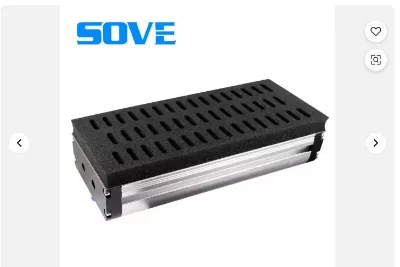


Anti-Slip Suction Cup Quick Loading Unloading Multi-Angle Rotation Vacuum Suction Cup
$3400.00 - $3580.00
MOQ: 1 unit


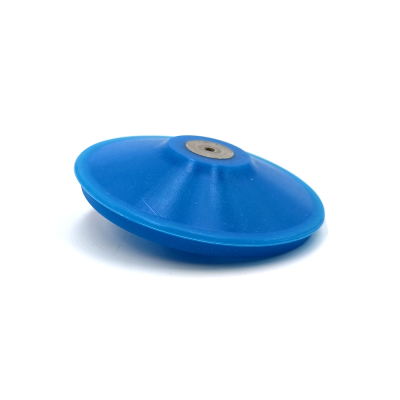


$0.60
MOQ: 1000 Pieces
Comprehensive Sourcing Guide
Vacuum Sponge Suction Cup Sourcing Guide
Sourcing vacuum sponge suction cups requires a nuanced understanding of material science, mechanical design, and supply chain reliability. These components serve as critical interface elements in automation, medical devices, and industrial handling systems, where the ability to create a reliable seal without damaging delicate surfaces is paramount. Unlike rigid suction cups, sponge variants offer compliance and adaptability, making them ideal for uneven or porous surfaces. Buyers must navigate a market characterized by significant variation in material grades, hardness tolerances, and manufacturing processes to ensure the selected component meets specific operational demands.
The procurement landscape for these items is diverse, ranging from standardized off-the-shelf products to highly customized solutions tailored to specific drawing requirements. Suppliers often operate across different industrial hubs, with notable concentrations in regions like Guangdong and Hebei in China, each offering distinct advantages in terms of supply chain maturity and cost structure. Understanding the interplay between material properties, such as nitrile rubber versus silicone, and the intended application environment is essential for making informed purchasing decisions that balance performance, durability, and total cost of ownership.
Product Scope and Observed Listing Signals
The market for vacuum sponge suction cups encompasses a wide array of configurations, primarily distinguished by their material composition and structural design. Common materials observed in listings include nitrile rubber and silicone rubber, each offering unique benefits regarding chemical resistance, temperature tolerance, and flexibility. Nitrile variants are often selected for their robustness in industrial environments, while silicone options are preferred for applications requiring high purity, such as in medical or food-grade contexts. The cross-section shape is frequently identified as O-rings or custom profiles, indicating that the sealing mechanism relies on the compression of a sponge-like core to achieve a vacuum seal.
Listing signals reveal a strong emphasis on customization capabilities, with many suppliers offering bespoke solutions based on customer drawings or specific technical requirements. Attributes such as "Non-Customized" and "Customized" appear alongside terms like "Customized" and "according customer," suggesting a hybrid market where standard items coexist with made-to-order products. The presence of various colors, including black and transparent options, often correlates with material type or specific performance characteristics, such as UV resistance or visibility during installation. Buyers should interpret these signals as indicators of the supplier’s flexibility rather than a guarantee of immediate availability for all variations.
Technical Specifications to Verify
When evaluating technical specifications, hardness is a critical parameter that directly influences the suction cup’s performance and lifespan. Observed data indicates a hardness range of 30-90A, with specific mentions of "Soft" and "Hard" variants, highlighting the importance of selecting the correct durometer for the application. Softer materials provide better conformity to irregular surfaces but may wear faster, while harder materials offer greater durability and resistance to tearing. Buyers must verify the exact hardness rating for their specific use case, as this attribute affects the force required to attach and detach the component, as well as its ability to maintain a seal under vibration or movement.
Other essential technical attributes include tensile strength and elongation at break, which determine the mechanical integrity of the suction cup under stress. Specifications such as tensile strength greater than or equal to 17MPa and elongation at break greater than or equal to 300% suggest a focus on durability and flexibility. The manufacturing process, often cited as molding, plays a significant role in the consistency and quality of the final product. Additionally, the weight of individual components, observed around 9.9 kg for certain larger or specialized units, indicates that scale and mass can vary significantly, impacting handling and installation logistics.
Compliance and Safety Documentation
Compliance with international standards is a key consideration for buyers, particularly in regulated industries such as medical, automotive, and food processing. Certifications such as CE and FDA are frequently mentioned, signaling that certain products meet European safety and health requirements or US food contact standards. These certifications provide a baseline assurance of material safety and manufacturing quality, but buyers should verify the scope of these certifications to ensure they cover the specific material grade and application intended. The presence of CIQ certification further suggests adherence to Chinese inspection and quarantine standards, which may be relevant for import compliance.
Safety and usage documentation should also include clear guidelines on the intended application environment, as indicated by attributes like "Medical," "Household," "Electronic," "Vehicle," and "Industrial." These classifications help buyers assess the suitability of the product for their specific needs, ensuring that the material is compatible with the chemicals, temperatures, and mechanical stresses it will encounter. Buyers should request detailed material safety data sheets (MSDS) and usage instructions to understand any limitations or special handling requirements associated with the suction cups.
Cost Drivers and Commercial Terms
Cost structures for vacuum sponge suction cups are influenced by several factors, including material type, customization level, and order volume. The observed price range of 0.01 to 3580 USD reflects the vast diversity in product complexity, from simple standard items to large, custom-engineered solutions. Minimum order quantities (MOQs) typically range from 1 to 1000 units, offering flexibility for both prototyping and mass production. Buyers should consider the trade-off between unit price and setup costs, especially for customized orders, where tooling and design fees may apply.
Commercial terms also encompass packaging and shipping considerations, with options ranging from cardboard boxes and cartons to pallets and custom packaging upon request. These details impact the total landed cost, particularly for large orders where packaging efficiency and protection during transit are crucial. Buyers should clarify whether packaging costs are included in the quoted price and inquire about the supplier’s ability to accommodate specific packaging requirements to minimize damage and optimize storage space.
Supplier Qualification and Quality Control
Supplier qualification involves assessing the manufacturer’s capability to deliver consistent quality and meet technical specifications. The presence of multiple origin locations, such as Guangdong and Hebei, indicates a competitive market with varying levels of industrial maturity. Buyers should verify the supplier’s manufacturing processes, including prototype development methods like SLA, vacuum forming, and CNC, to ensure they have the technical expertise to produce complex designs. Quality control measures should be clearly defined, with suppliers providing evidence of inspection protocols and testing procedures.
Documentation of standards and specifications is another critical aspect of supplier evaluation. Suppliers may adhere to standard series like the 200-Series or follow customer-specific drawings, requiring buyers to ensure clear communication of technical requirements. The availability of customization services suggests that suppliers are willing to collaborate on design improvements, but buyers must establish clear acceptance criteria and quality benchmarks to prevent discrepancies between the ordered and delivered products.
Long-Term Procurement Checks
Long-term procurement success depends on establishing a robust relationship with suppliers who can support ongoing needs and adapt to changing requirements. Buyers should monitor supplier performance metrics, such as on-time delivery, defect rates, and responsiveness to issues, to ensure consistent quality over time. Regular audits and periodic re-evaluation of supplier capabilities can help identify potential risks and opportunities for improvement, ensuring that the supply chain remains resilient and efficient.
Additionally, buyers should stay informed about advancements in materials and manufacturing technologies that may offer improved performance or cost savings. Engaging with suppliers on continuous improvement initiatives can lead to innovations in product design and process efficiency, enhancing the overall value proposition. By maintaining open communication and fostering a collaborative partnership, buyers can secure a reliable supply of vacuum sponge suction cups that meet their evolving operational needs.
FAQs
What materials are used for vacuum sponge suction cups?
These suction cups are commonly made from Nitrile Rubber or Silicone Rubber. Nitrile variants offer hardness between 30-90A, while silicone options provide transparency and high elongation at break. Both materials ensure effective sealing and fixture capabilities for various industrial applications.
Can I find customized vacuum sponge suction cups?
Yes, customized options are available for these products. Buyers can request specific shapes, standards, and packaging based on their drawings. The manufacturing process supports molding to meet unique requirements while maintaining quality standards like CE or FDA certification where applicable.
Which certifications do these suction cups hold?
Available certifications include CE, FDA, and CIQ depending on the specific product variant. These certifications ensure compliance with safety and quality standards for applications in medical, household, and industrial sectors. Buyers should verify the specific certification required for their intended use case.
How are these suction cups packaged for shipping?
Packaging options include cardboard boxes, cartons, pallets, and inner polybags. Some suppliers offer standard packaging or custom solutions upon request. The choice of packaging depends on the product type and specific customer requirements to ensure safe transport and storage.
What is the minimum order quantity for these items?
The minimum order quantity ranges from 1 to 1000 units depending on the supplier and product configuration. Buyers can often source single items or larger batches. Specific MOQ values vary by manufacturer and should be confirmed during the sourcing process.
Where are these suction cups manufactured?
These products originate from manufacturing locations in Guangdong and Heibei, China. The production facilities specialize in molding processes for rubber components. Buyers sourcing from these regions can access a wide range of specifications and customization options.