Source Square CNC Aluminum Heat Sink for Auto, Machinery, Hardware
Explore 30 Square CNC Aluminum Heat Sink options from Guangdong, China. Buyers can compare specifications, finishes, and customization services from verified manufacturers offering mass production and small order capabilities.
Key considerations
Products List
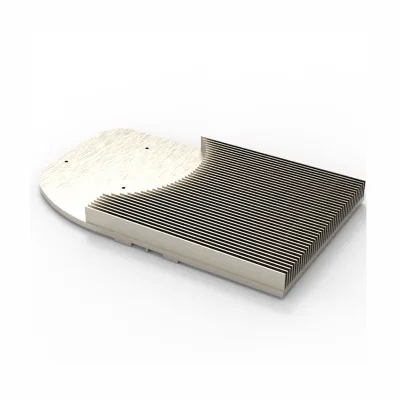
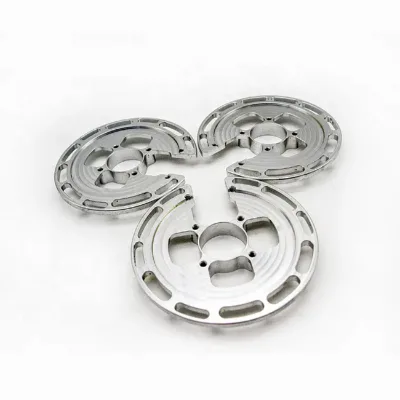
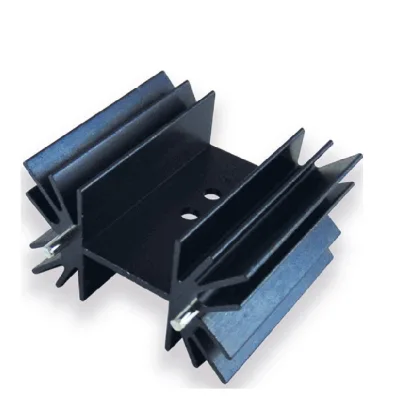


Comprehensive Sourcing Guide
Strategic Sourcing Guide for Square CNC Aluminum Heat Sinks
Understanding Technical Specifications and Material Composition
When sourcing square CNC aluminum heat sinks, the primary focus must remain on the precise intersection of geometry, thermal performance, and material integrity. The core keyword implies a specific geometric form factor—a square profile—machined from aluminum, a material selected for its optimal balance of thermal conductivity and machinability. Based on available product attributes, the material composition for these components frequently includes Aluminum, Aluminum Alloy, and in some instances, mixed material options such as Stainless Steel, Brass, or Copper. However, for a dedicated "aluminum heat sink," the buyer must verify that the specific listing explicitly states Aluminum or Aluminum Alloy as the primary material, as some suppliers may list a broader range of metals including Iron, Plastic, or Nylon which are unsuitable for high-efficiency thermal dissipation.
The manufacturing process is a critical differentiator. The attribute "Cnc machining" is a high-confidence fact for this category, indicating that the square heat sinks are produced via Computer Numerical Control machining rather than casting or extrusion. This method allows for tighter tolerances and complex internal geometries that enhance surface area for heat transfer. The observed model numbers, such as LL049, 01, and VH-HS024, suggest a variety of standardized and custom profiles available in the market. Buyers should scrutinize the "Standard Length" and "Standard" attributes, noting that while some listings offer customized standard lengths, others may reference specific codes like "China GB Code" or dimensions such as 12510 or 202010. It is imperative to confirm that the square dimensions provided match the thermal requirements of the specific electronic or mechanical application, as the surface area directly correlates to heat dissipation efficiency.
Surface Treatments and Finishing Processes
The surface finish of a Square CNC Aluminum Heat Sink plays a pivotal role in both thermal performance and environmental durability. The supplied data indicates a wide array of finishing options, including Plating, Powder coating, Polish, Painting, Smooth, Galvanized, Anodizing, and Brushing. For aluminum components, Anodizing is particularly significant as it creates a hard, corrosion-resistant oxide layer that can also be colored (Silver, White, Black, Blue, Red, Yellow, Gold) without significantly impeding thermal transfer if the process is controlled correctly.
Buyers must evaluate the "Surface Treatment" and "Surface Finish" attributes carefully. Listings often mention combinations such as "Painting\Powder Coating\Brushing\Polishing\Anodize." While powder coating and painting provide excellent aesthetic customization and corrosion protection, they can act as thermal insulators if applied too thickly. Therefore, for high-performance applications, Anodizing or Polishing is generally preferred over thick polymer coatings. The observed "Surface Color" options include Silver, White, and Black, which are standard for industrial and consumer electronics. When evaluating a supplier, request specific details on the thickness of the anodizing layer or the type of powder coating used, as these factors influence the long-term reliability of the heat sink in harsh environments. The "Finish" attribute also lists "Smooth," which may indicate a mechanical polishing process to reduce surface roughness, potentially aiding in fluid flow if the heat sink is part of a liquid cooling system.
Compliance, Certification, and Quality Assurance
Navigating the compliance landscape for industrial components requires a rigorous verification of certifications and quality control protocols. The provided facts highlight several certifications, including ISO9001, As9100, and RoHS. ISO9001 is a fundamental quality management standard that indicates the supplier has established processes for consistent quality. As9100 is a more specialized standard often required for aerospace and high-reliability industries, suggesting a higher level of scrutiny in the manufacturing process. RoHS compliance ensures that the materials used do not contain restricted hazardous substances, which is a legal requirement for electronics sold in many global markets.
However, buyers must exercise caution. While these certifications are listed as "High-confidence facts" for the category, they are not guaranteed for every single product listing. A specific heat sink model may or may not carry these certifications depending on the specific batch or supplier configuration. The "Quality Control" attribute mentions "100% Inspection," which is a strong indicator of a supplier's commitment to defect reduction. Additionally, the "Service" attribute lists "One-Stop Service," which often implies that the supplier handles design, manufacturing, and logistics, potentially simplifying the compliance verification process.
Buyers should also be aware of standard references such as "ASME" and "China GB Code" found in the product attributes. These standards govern the mechanical properties and dimensional tolerances of the components. When requesting a quote, explicitly ask for the test reports or certification documents that verify the product meets these specific standards. Do not assume that a supplier's general claim of "Reliable Quality" translates to specific compliance with ASME or GB codes without documentary evidence. The "Condition" of the products is listed as "New," which is standard for CNC-machined parts, but verifying the "Production Type" as "Mass Production" ensures that the supplier has the capacity to maintain consistency across large orders.
Cost Drivers and Procurement Economics
The economics of sourcing square CNC aluminum heat sinks are influenced by several variables, including material costs, machining complexity, and order volume. The observed price range in the market is extensive, spanning from $0.30 to $3,700. This wide disparity reflects the difference between small, simple heat sinks and large, complex assemblies or custom-engineered solutions. The Minimum Order Quantity (MOQ) also varies significantly, ranging from 1 to 1000 units. This flexibility is crucial for buyers who may be prototyping or require small batches for specialized applications.
Several factors drive the cost. First, the material choice is paramount; while Aluminum is the standard, the use of Aluminum Alloy or mixed materials like Copper can increase costs due to raw material prices and processing difficulty. Second, the "Customized" attribute is a major cost driver. Listings indicate that customization is "Available" and "Accepted," with "Customized" being a specific attribute. Customization involves design changes, tooling setup, and potentially slower production cycles. The "Technical Support" attribute mentions "Graphic Design" and "3D Drawing," which are services that add value but also cost. Buyers should determine if these design services are included in the unit price or billed separately.
Lead time is another economic factor. The data shows a "Lead Time" for samples of 3-5 days, which is relatively fast. However, for mass production, the lead time will extend significantly. The "Production Type" is listed as "Mass Production," implying that once the initial setup is complete, the per-unit cost decreases, but the initial lead time for tooling and setup remains. The "Small Orders" attribute confirms that suppliers are willing to accept low-volume requests, which is beneficial for startups or R&D departments, though the per-unit cost may be higher due to the lack of economies of scale.
Typical Applications and Industry Fit
Square CNC aluminum heat sinks are versatile components designed to dissipate heat from various sources. The "Application" attributes provide a comprehensive list of potential uses, including Casting machinery, Coating machinery, Cutting machine, Drawing machinery, Engraving machinery, Forging machinery, Processing machinery part, Recycling machine, Spinning machinery, Straightening machinery, and general Machine or Industrial equipment. Furthermore, the "Application" field explicitly mentions "Auto," "Hardware Tool," "Machinery Accessory," "Fastener," and "Auto and Motorcycle Accessory."
This breadth of application suggests that square heat sinks are not limited to a single industry but are integral to thermal management in diverse mechanical and automotive systems. In the automotive sector, they may be used in engine control units, LED lighting systems, or power electronics. In industrial machinery, they are essential for maintaining the temperature of motors, drives, and control panels. The "Type" attribute identifies the product specifically as a "Heat sink" or "small heat sinks," indicating that the form factor is optimized for compact spaces where space is at a premium.
The "Advantages" listed, such as "Factory Outlet" and "Reliable Quality," suggest that these components are often sourced directly from manufacturers, reducing the risk of counterfeit or substandard parts. The "Free Sample" attribute is particularly valuable for buyers in the R&D phase, allowing them to test the thermal performance and fitment of the square heat sink before committing to a larger order. When selecting a heat sink for a specific application, buyers should cross-reference the thermal load of their component with the surface area and material properties of the heat sink to ensure adequate cooling.
Supplier Evaluation and Long-Term Procurement Strategy
Selecting the right supplier for square CNC aluminum heat sinks requires a holistic evaluation of their capabilities beyond just the product specifications. The "Place of Origin" is consistently listed as "Guangdong, China," a major manufacturing hub known for its metalworking and electronics supply chain. While this location offers competitive pricing and high production capacity, buyers must verify the supplier's specific capabilities regarding CNC machining precision and quality control. The "Service" attribute of "One-Stop Service" is a positive indicator, suggesting the supplier can handle design, manufacturing, and logistics, which simplifies the procurement process.
Long-term procurement considerations should focus on the supplier's ability to maintain consistency and support customization. The "Customization" and "Customized" attributes indicate that suppliers are flexible, but buyers must ensure that the customization process is well-documented and repeatable. The "Logo" attribute, which accepts "Custom Logo," is relevant for buyers looking to brand their components, but this should not compromise the structural integrity or thermal performance of the heat sink.
Quality control is paramount. The "100% Inspection" claim should be verified through third-party audits or sample testing. Buyers should also inquire about the "Packing" methods, which include "PVC Protective Film," "Poly Bag," "Foam," and "Wooden Cases." Proper packaging is essential to prevent damage during shipping, especially for precision-machined aluminum parts that can be susceptible to scratches or deformation. The "Standard Length" and "Standard" attributes, such as "Accept Customized" or specific codes like "12510," highlight the need for clear communication regarding dimensions to avoid mismatches.
In conclusion, sourcing square CNC aluminum heat sinks involves a careful balance of technical requirements, compliance verification, and supplier reliability. By leveraging the available data on materials, finishes, and certifications, buyers can make informed decisions that ensure their thermal management solutions are effective, compliant, and cost-efficient. The flexibility in MOQ and the availability of customization make this category suitable for a wide range of procurement needs, from prototyping to mass production.
FAQs
What materials are used for square CNC aluminum heat sinks?
These heat sinks are primarily made from Aluminum or Aluminum Alloy, though some listings include Stainless Steel, Brass, Copper, and Plastic. Buyers must verify the specific material in the product details to ensure suitability for thermal dissipation, as options like Iron or Nylon are less effective for this application.
Which surface finishes are available for these components?
Available finishes include Anodizing, Powder Coating, Painting, Polishing, Brushing, and Plating. Anodizing is preferred for corrosion resistance, while powder coating and painting provide aesthetic options in colors like Silver, White, and Black, though thick coatings may slightly reduce thermal efficiency.
Can I order small quantities or custom designs?
Yes, small orders are accepted with Minimum Order Quantities as low as 10 pieces, and customization is available for dimensions and logos. Suppliers offer free samples and technical support for 3D drawing, allowing buyers to prototype before committing to mass production runs.
What certifications do these manufacturers typically hold?
High-confidence facts indicate certifications such as ISO9001, As9100, and RoHS are available for these products. While not guaranteed for every single listing, these standards confirm quality management and compliance with hazardous substance restrictions, ensuring reliability for industrial and automotive applications.
How long does it take to receive a sample?
Sample lead times are typically 3 to 5 days for these CNC machined parts. This rapid turnaround supports R&D and testing phases, though mass production lead times will extend significantly depending on order volume and customization requirements.
Where are these heat sinks manufactured?
The place of origin for these products is consistently Guangdong, China, a major manufacturing hub for metalworking and electronics. This location offers competitive pricing and high production capacity, but buyers should verify specific factory capabilities regarding CNC precision and quality control.