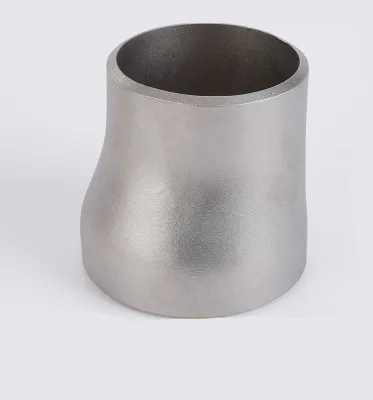
Source Stainless Steel Cylindrical Reducer for Machinery
Find 30 Stainless Steel Cylindrical Reducer options for petroleum, chemical, and agricultural machinery applications. Compare specifications including torque, transmission ratio, and material standards to identify suitable suppliers for your industrial needs; compare the available evidence and request quotations based on your requirements.
Key considerations
Products List


$150.00 - $15000.00
MOQ: 1 Pieces

$150.00 - $15000.00
MOQ: 1 Pieces


$2000.00 - $8000.00
MOQ: 1 Pieces


Custom Designed Speed Reducer for Special Machinery
$120.00 - $330.00
MOQ: 1 Pieces
Hunan Sanwei Intelligent Environmental Protection Equipment Co., Ltd

High-Ratio Speed Reducer for Slow Speed Applications
$120.00 - $330.00
MOQ: 1 Pieces
Hunan Sanwei Intelligent Environmental Protection Equipment Co., Ltd
Comprehensive Sourcing Guide
Stainless Steel Cylindrical Reducer Sourcing Guide
Procuring stainless steel cylindrical reducers requires a disciplined approach to material verification and dimensional accuracy, as these components serve as critical transition points in fluid handling and mechanical power transmission systems. Buyers must distinguish between forged and cast manufacturing techniques, as the structural integrity and surface finish vary significantly between the two processes. The observed market data indicates a strong presence of customized solutions, with suppliers offering flexibility in outer diameter and wall thickness to meet specific pipeline or machinery requirements. This customization capability is essential for integrating reducers into existing infrastructure where standard sizes may not align with current piping layouts or equipment interfaces.
The selection process is further complicated by the diverse range of standards and certifications available, including GB, JIS, DIN, ISO, and industry-specific norms like 3A and SMS for sanitary applications. Buyers need to carefully evaluate whether the supplier’s production capabilities align with the required technical standards, particularly when dealing with high-pressure or corrosive environments. The presence of both eccentric and cylindrical types in the market suggests that flow dynamics and installation orientation are key decision factors. Understanding these nuances ensures that the selected reducer not only fits physically but also performs reliably under operational stress, minimizing the risk of leaks or mechanical failure in critical systems.
Product Scope and Observed Listing Signals
The current market landscape for stainless steel cylindrical reducers reveals a wide spectrum of product configurations, ranging from small-scale fittings to large-diameter industrial components. Listings frequently highlight customization options for size, with specifications extending from DN150 up to DN1800, indicating that suppliers are equipped to handle substantial volume orders for major infrastructure projects. The material composition is predominantly stainless steel, though some listings also mention cast steel variants, necessitating clear communication to ensure the correct alloy grade is supplied. This variability in material and size underscores the importance of precise specification sheets when initiating procurement discussions, as generic inquiries may yield irrelevant quotes or incompatible product samples.
Commercial signals in the market suggest a high degree of flexibility, with minimum order quantities as low as one piece, which is advantageous for prototyping or small-scale maintenance repairs. Delivery times are often described as dependent on the situation, reflecting the custom nature of many orders and the need for production scheduling. Suppliers frequently offer samples to verify quality before committing to larger purchases, a practice that buyers should leverage to assess surface treatments, such as black painting or hot galvanizing, and overall build quality. These market signals indicate a competitive environment where responsiveness and technical support are key differentiators among suppliers.
Technical Specifications to Verify
When evaluating technical specifications, buyers must prioritize the verification of wall thickness and pressure ratings, as these factors directly impact the reducer’s ability to withstand operational stresses. The market data references various schedule ratings, such as SCH5s through SCH160s, which define the wall thickness relative to the nominal pipe size. It is crucial to confirm that the selected schedule matches the system’s design pressure to prevent premature failure. Additionally, the manufacturing technique, whether forged or cast, should be explicitly stated, as forged reducers generally offer superior mechanical properties and fatigue resistance compared to their cast counterparts, making them preferable for high-cycle or high-pressure applications.
Dimensional accuracy is another critical area requiring verification, with tolerances often described as dependent on specific project requirements. Buyers should request detailed dimensional drawings that include outer diameter, inner diameter, and length measurements to ensure compatibility with existing piping or machinery. The installation type, whether horizontal or vertical, may also influence the design of the reducer, particularly for eccentric types where flow alignment is paramount. Furthermore, the gear shape and hardness, if applicable to mechanical reducers, should be confirmed to ensure they meet the torque and speed requirements of the driven equipment. Clear documentation of these specifications prevents costly rework and installation delays.
Compliance and Safety Documentation
Compliance with international and industry-specific standards is non-negotiable for stainless steel cylindrical reducers, particularly in sectors like petroleum, chemical, and food processing. Buyers must verify that the supplier holds relevant certifications, such as ISO9001, which indicates a robust quality management system. For sanitary applications, adherence to 3A, SMS, or IDF standards is essential to ensure that the reducer’s surface finish and material composition do not harbor contaminants. The presence of multiple standard references in listings, including GB, JIS, and DIN, suggests that suppliers may cater to diverse regional markets, but buyers must ensure that the specific standard required by their project is explicitly met and documented in the product certificates.
Safety documentation should also include material test reports that verify the chemical composition and mechanical properties of the stainless steel used. These reports provide evidence that the material meets the specified grade and performance criteria, reducing the risk of corrosion or structural failure. Buyers should also inquire about surface treatment processes, such as painting or galvanizing, and ensure that these treatments do not compromise the integrity of the stainless steel or introduce harmful substances, especially in sensitive environments. Clear and comprehensive compliance documentation not only facilitates regulatory approval but also provides a legal safeguard in the event of product liability issues.
Cost Drivers and Commercial Terms
The cost of stainless steel cylindrical reducers is influenced by several factors, including material grade, manufacturing technique, and customization level. Forged reducers typically command a higher price than cast ones due to the additional processing steps and superior material properties. Customization of size, wall thickness, and surface treatment also adds to the cost, as it requires specialized tooling and production adjustments. Buyers should be aware that while some suppliers advertise factory prices, the final cost may vary based on the complexity of the order and the volume purchased. Understanding these cost drivers allows buyers to negotiate more effectively and allocate budget appropriately for critical components.
Commercial terms such as FOB, CIF, and CFR are commonly offered, each carrying different implications for shipping costs and risk transfer. Buyers must carefully evaluate these terms in the context of their logistics strategy, considering factors like freight method, whether air or sea, and the associated lead times. The warranty period, often cited as 12 months, provides a baseline for product reliability, but buyers should clarify the scope of coverage and the process for claiming warranty rights. Additionally, the supplier’s export experience and ability to handle international shipping can impact the overall procurement cost and timeline, making it essential to select a partner with a proven track record in global trade.
Supplier Qualification and Quality Control
Supplier qualification is a critical step in ensuring the reliability of stainless steel cylindrical reducers, particularly given the diverse range of manufacturing capabilities in the market. Buyers should assess the supplier’s production facilities, focusing on their ability to perform both forging and casting processes as required. The presence of advanced quality control measures, such as dimensional inspection and material testing, is a strong indicator of a supplier’s commitment to quality. Buyers should also verify the supplier’s experience in exporting to their target market, as this indicates familiarity with international standards and logistics requirements. A thorough qualification process helps mitigate the risk of receiving substandard products that could compromise system integrity.
Quality control should extend beyond the initial purchase to include ongoing monitoring of production batches, especially for large orders. Buyers should request sample approvals before mass production begins, using these samples to verify dimensions, surface finish, and material quality. The supplier’s ability to provide detailed inspection reports and certificates of conformity is essential for maintaining quality standards throughout the production cycle. Additionally, buyers should establish clear communication channels for addressing any quality issues that may arise, ensuring that problems are resolved promptly and effectively. A robust quality control framework not only protects the buyer’s investment but also enhances the long-term reliability of the supplied components.
Long-Term Procurement Checks
Long-term procurement success depends on establishing a sustainable relationship with suppliers who can consistently deliver high-quality stainless steel cylindrical reducers. Buyers should conduct periodic performance reviews to assess the supplier’s adherence to delivery schedules, quality standards, and customer service responsiveness. Tracking key performance indicators, such as defect rates and lead time variability, provides valuable insights into the supplier’s operational efficiency. These reviews should be documented and used to inform future procurement decisions, ensuring that the supply chain remains resilient and cost-effective. A proactive approach to supplier management helps identify potential issues before they escalate, maintaining the continuity of operations.
Additionally, buyers should stay informed about changes in industry standards and technological advancements that may impact the specification of reducers. Regularly updating technical requirements and engaging in continuous dialogue with suppliers ensures that procurement strategies remain aligned with evolving market conditions. This ongoing engagement also fosters innovation, as suppliers may offer new products or improvements based on feedback and market trends. By maintaining a dynamic and collaborative relationship with suppliers, buyers can secure a competitive advantage and ensure that their infrastructure remains reliable and efficient over the long term.
FAQs
What materials are used for stainless steel cylindrical reducers?
Stainless steel cylindrical reducers are primarily manufactured using stainless steel and cast steel materials. These materials ensure durability and resistance to corrosion in demanding industrial environments. The choice between forged and casting techniques depends on specific pressure and structural requirements for the application.
Can I customize the size and specifications of these reducers?
Yes, customization is available for size, outer diameter, and wall thickness. Standard sizes range from DN150 to DN1800 or 1/2 to 72 inches. You can request specific wall thicknesses like XXS or Sch120 to meet your unique engineering needs and system compatibility requirements.
What certifications and standards do these reducers meet?
These reducers comply with various international standards including ISO, GB, JIS, DIN, and API. Certifications such as ISO9001 are available to ensure quality management. Specific technical standards like GB/T9112 for forging and GB/T13401 for casting are also applied based on the manufacturing process.
What are the typical applications for these reducers?
They are widely used in petroleum, chemical, machinery, and boiler industries. Additionally, gear reducers with similar cylindrical designs serve agricultural machinery, mining, and metallurgy sectors. Their robust construction makes them suitable for high-torque transmission and fluid handling systems requiring reliable flow direction changes.
What is the minimum order quantity for these products?
The minimum order quantity is typically one piece, allowing for flexible purchasing. This low MOQ supports both sample testing and small-scale production needs. Buyers can request samples to verify quality before placing larger orders, ensuring the product meets their specific technical and performance expectations.
How are these reducers packaged and shipped?
Packaging options include film, box, carton, case, pallet, or wooden case. Shipping methods are available via air or sea freight to global destinations. The packaging is designed to protect the silver-colored or black painted surfaces during transit, ensuring the products arrive in optimal condition for installation.