Source Stainless Steel Diving Reel for Surfing Diving Triathlon
Find 30 Stainless Steel Diving Reel options from verified manufacturers in China. Compare models like scuba reels and spools with customizable features, certifications, and delivery times ranging from 5 to 20 days.
Key considerations
Products List


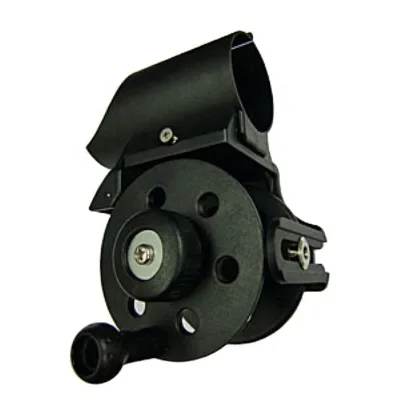
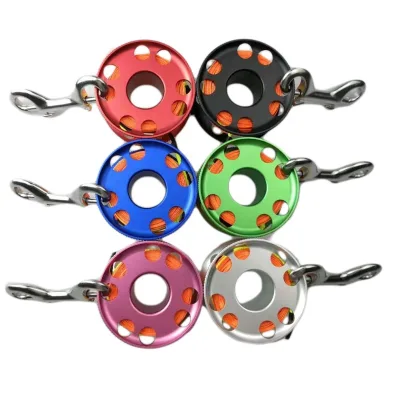
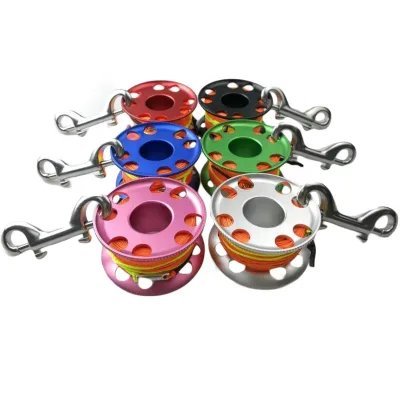
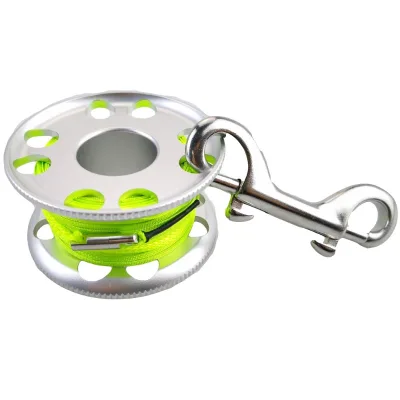
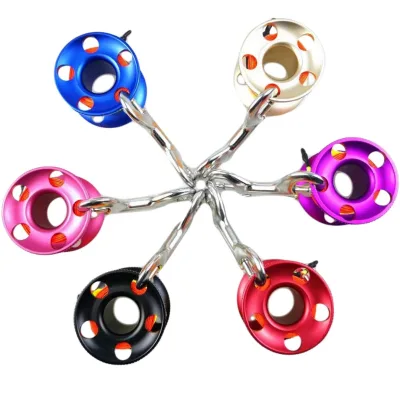
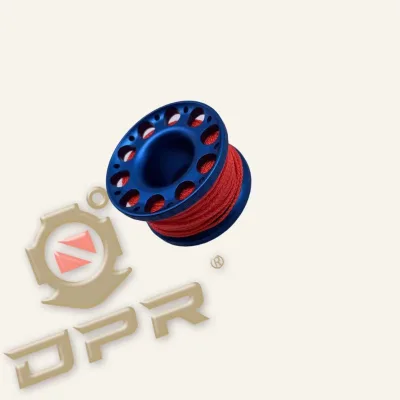
CNC Machining 316 Stainless Steel 7075 Aluminum Finger Reel for Scuba Diving
$0.18 - $1.88
MOQ: 100 Pieces


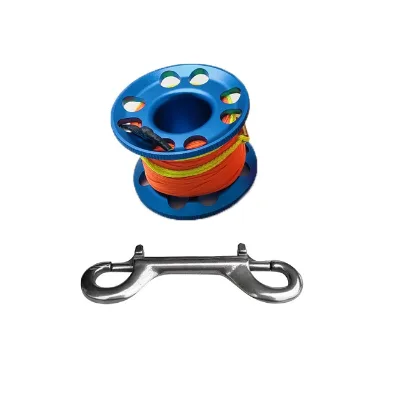
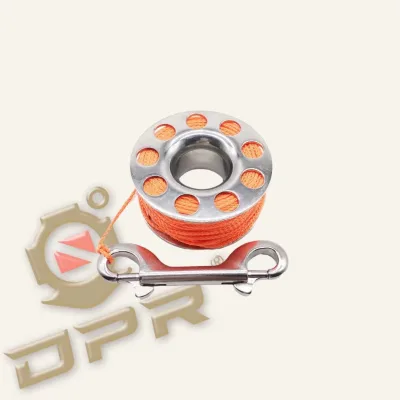
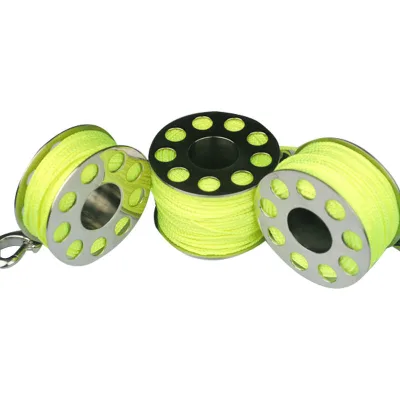
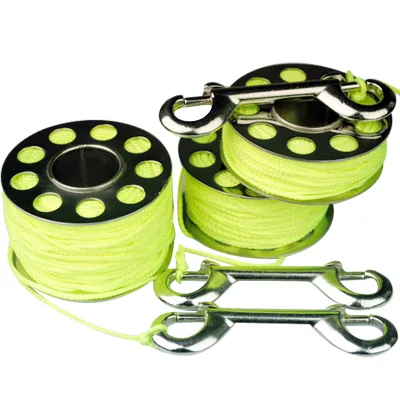
Stainless Steel Scuba Diving Spool Diver Dive Reel Guide Line Double Swivel
$0.18 - $1.88
MOQ: 100 Pieces

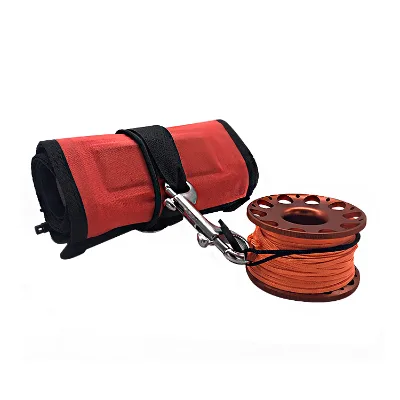
Factory Supply Aluminum Wreck Cave Finger Scuba Diving Spool Reel with Snap
$10.80 - $18.80
MOQ: 100 Pieces




Comprehensive Sourcing Guide
Strategic Sourcing Guide for Stainless Steel Diving Reels
Understanding the Technical Landscape of Diving Reels
The core keyword "Stainless Steel Diving Reel" refers to specialized equipment designed for underwater retrieval, line deployment, and safety monitoring in aquatic environments. In the current B2B market, these products are often categorized under broader diving accessories but possess distinct engineering requirements due to the corrosive nature of saltwater. The primary material composition observed in high-quality listings includes stainless steel, aluminum, and increasingly, carbon fiber and titanium for weight-sensitive applications. For a procurement specialist focusing on stainless steel variants, the material selection is critical; the supply chain data indicates that available materials range from standard stainless steel to specialized alloys capable of withstanding deep-sea pressure and chemical exposure.
The manufacturing process for these reels typically involves CNC machining, which ensures precise tolerances for moving parts like spools and swivels. This is often complemented by laser cutting for structural components and surface treatments such as anodized coating or polishing. These surface processes are not merely aesthetic; they are functional requirements that prevent galvanic corrosion and ensure smooth line retrieval. The observed product models, such as "Scuba Diving Reel," "Diving Spool," and "Diving Double Swivel," suggest a variety of configurations, from single-action reels to complex double-swivel systems designed to prevent line twisting. Buyers must verify that the specific model they source matches the intended mechanical function, whether it is for a finger reel used in triathlon or a heavy-duty spool for commercial diving operations.
Compliance and Certification Verification Protocols
When sourcing industrial-grade diving equipment, compliance with international standards is non-negotiable. The supply data highlights several recurring certifications that serve as indicators of a supplier's quality management systems and product safety. Prominent among these are ISO9001 and ISO9001:2018, which validate the manufacturer's ability to maintain consistent quality control processes. Additionally, the presence of ISOCCC and CCC certifications suggests adherence to specific regional safety and environmental standards, particularly relevant for products originating from China.
For diving equipment, the CE marking is a critical compliance indicator, signifying that the product meets EU safety, health, and environmental protection requirements. The data also references Ts16949, a standard often associated with automotive quality management, which, when applied to diving gear, implies a rigorous approach to defect prevention and variation reduction. Buyers should not assume that a supplier possessing one certification automatically satisfies all regulatory needs for their specific market. Instead, procurement teams must request valid, current certificates for each product batch. The verification process should include checking the scope of the certification to ensure it explicitly covers the manufacturing of diving reels and not just general metal fabrication. Furthermore, the "100% Testing" attribute observed in the product listings indicates a high level of internal quality assurance, but this should be corroborated by third-party test reports for critical performance metrics like tensile strength and corrosion resistance.
Cost Drivers and Pricing Structure Analysis
The pricing structure for stainless steel diving reels is influenced by a complex interplay of material costs, manufacturing complexity, and customization levels. The observed price range in the market spans from $0.18 to $18.80 USD, a significant variance that reflects the difference between simple components, such as buckles or keepers, and fully assembled, precision-machined reels. For a buyer targeting the "Stainless Steel Diving Reel" category, the lower end of this spectrum likely corresponds to basic accessories or smaller components, while the higher end represents complete, multi-functional units with advanced surface treatments.
Material selection is a primary cost driver. While stainless steel is the baseline, the inclusion of titanium or carbon fiber, as noted in the available materials list, will substantially increase the unit cost due to raw material scarcity and the difficulty of machining these alloys. Additionally, the customization factor plays a pivotal role. The supply data confirms that "Customization" and "OEM ODM" services are widely available. Buyers opting for custom logos, specific packaging (such as "Carton or Custom"), or unique standard specifications will incur higher costs compared to purchasing off-the-shelf standard models. The "Customized" attribute suggests that the product can be tailored to specific brand requirements, which adds value but also extends the production timeline.
Payment terms observed in the market, such as a 30% deposit and 70% balance structure, are standard for B2B transactions in this sector. However, the Minimum Order Quantity (MOQ) varies significantly, ranging from 2 to 500 units. This flexibility allows small businesses to test the market with low-volume orders, while larger enterprises can leverage economies of scale. Buyers must calculate the total landed cost, including shipping and potential tariffs, as the origin locations (Shenzhen and Jiangsu, China) imply specific logistics considerations. The lead time, typically between 5 to 20 days, also impacts cash flow planning and inventory management strategies.
Typical Applications and Usage Scenarios
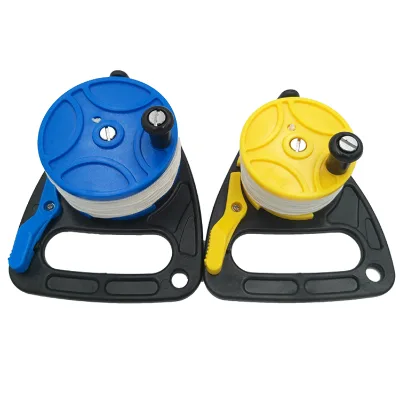
The versatility of stainless steel diving reels is evident in the diverse usage scenarios listed in the product data. These applications range from recreational activities to professional and competitive environments. The "Usage" field explicitly lists Surfing, Diving, Windsurfing, and Triathlon, indicating that these reels are not limited to deep-sea operations but are also integral to surface sports and endurance events. For instance, a "Finger Reel for Scuba Diving" is likely designed for personal safety and line marking in recreational diving, whereas a "Scuba Diving Spool Reel" might be intended for more robust commercial or technical diving applications.
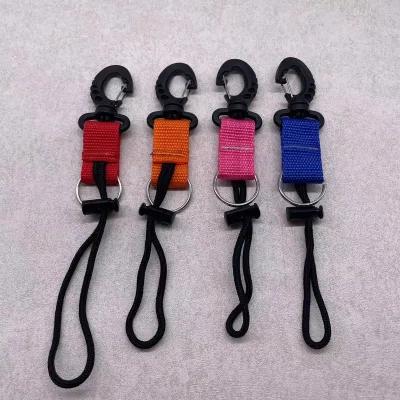
The specific product models provide further insight into their functional roles. The "Scuba Diving Weight Belt Keeper" and "Stainless Steel Scuba Diving Spool Diver Dive Reel" suggest components used for equipment management and safety line deployment. In triathlon events, where transitions are critical, lightweight and durable reels are essential for quick deployment of safety lines or equipment retrieval. The "Diving Belt Keeper" and "Tank Strap" models highlight the importance of secure equipment attachment, ensuring that divers do not lose gear in turbulent waters.
Buyers should align their product selection with the specific demands of their end-users. A supplier offering "Carbon Fiber" and "Titanium" options is better suited for high-performance applications where weight reduction is paramount, such as competitive triathlon or technical diving. Conversely, standard stainless steel models are ideal for general-purpose diving where durability and cost-effectiveness are the primary concerns. The "New" condition of all listed products ensures that buyers receive pristine equipment, free from wear and tear, which is crucial for safety-critical gear.
Supplier Evaluation and Manufacturing Capabilities
Evaluating a supplier for stainless steel diving reels requires a deep dive into their manufacturing capabilities and service offerings. The data indicates that many suppliers are located in industrial hubs like Shenzhen and Jiangsu, China, which are known for their robust metalworking and machining industries. The presence of "CNC Machining" and "Laser Cutting" processes suggests that these suppliers have the technical capacity to produce complex geometries with high precision. Buyers should verify the age and calibration of this machinery, as older equipment may result in inconsistent tolerances.
Service capabilities are another critical evaluation metric. The availability of "OEM ODM" services and "Customized Logo" options indicates that suppliers are willing to collaborate on product development and branding. This is particularly valuable for companies looking to create a unique product line. The "Sample" availability is a positive indicator, allowing buyers to physically inspect the quality of the product before committing to a large order. However, buyers must ensure that the sample provided is representative of the mass-produced items, as initial samples can sometimes be hand-finished to a higher standard than automated production runs.
The "Custom" nature of the product packing and standards suggests a high degree of flexibility. However, this flexibility can also introduce risks if the supplier lacks a standardized quality control process for custom orders. Buyers should request a detailed breakdown of the customization process, including how design changes are communicated and implemented. The "100% Testing" attribute is a strong selling point, but it should be backed by documented test procedures. Buyers should ask for sample test reports to verify that the testing covers critical failure points, such as the integrity of the swivel mechanism and the corrosion resistance of the stainless steel.
Quality Control and Long-Term Procurement Considerations
Ensuring the long-term reliability of stainless steel diving reels requires a robust quality control framework. The observed "Quality: 100% Testing" attribute is a baseline expectation, but buyers must define what this testing entails. For diving equipment, this should include hydrostatic pressure testing, salt spray testing for corrosion resistance, and mechanical stress testing on moving parts like the spool and handle. The "Anodized Coating" and "Polishing" surface treatments are essential for longevity, and buyers should verify the thickness and adhesion of these coatings to ensure they do not peel or degrade over time.
Long-term procurement considerations also involve the supply chain's resilience. The lead time of 5 to 20 days is relatively short, which is beneficial for just-in-time inventory strategies. However, buyers should assess the supplier's capacity to scale production during peak seasons or in response to sudden demand spikes. The "Available Material" list, which includes Stainless Steel, Aluminum, Carbon Fiber, and Titanium, suggests that the supplier has a diverse material sourcing network. This diversity is a strategic advantage, allowing for quick material substitution if supply chain disruptions occur.
Finally, buyers should consider the after-sales support and warranty policies. While the product is listed as "New," the long-term performance depends on the durability of the materials and the quality of the assembly. A supplier that offers a clear warranty and responsive customer service for defective units is preferable. The "Custom" packing and "Carton or Custom" options also play a role in product protection during shipping, reducing the risk of damage before the product reaches the end-user. By focusing on these quality and supply chain factors, buyers can ensure a sustainable and reliable procurement strategy for stainless steel diving reels.
FAQs
What certifications do stainless steel diving reels typically have?
Stainless steel diving reels typically hold CE, ISO9001, and CCC certifications. Some listings also include ISOCCC or Ts16949 standards to ensure compliance with safety and quality management systems for diving equipment.
Which materials are available for manufacturing these diving reels?
Available materials include stainless steel, aluminum, carbon fiber, and titanium. These options allow buyers to select based on weight requirements and corrosion resistance needs for specific diving environments.
Can suppliers provide customized logos and packaging for these reels?
Yes, suppliers offer customized logos and packaging options including cartons or custom designs. This OEM and ODM service allows buyers to tailor products to their specific brand requirements and market standards.
How long is the delivery time for orders of diving reels?
The standard delivery time ranges from 5 to 20 days depending on order volume and customization. This lead time applies to orders originating from manufacturing hubs in Shenzhen and Jiangsu, China.
What is the minimum order quantity for purchasing diving reels?
The minimum order quantity varies between 2 and 500 units based on the supplier and product type. This flexibility supports both small trial orders and large-scale procurement needs for diving accessories.
Which payment terms are standard for these diving reel transactions?
Standard payment terms require a 30% deposit with the remaining 70% balanced before shipment. This structure is common for B2B transactions involving customized diving equipment and metal fabrication services.