Source Stainless Steel Dog Playpen for Indoor Kennels, Training, and Travel
Compare 30 Stainless Steel Dog Playpen options from verified Chinese manufacturers. Buyers can evaluate panel sizes, materials like 202 stainless steel, and MOQs ranging from 4 to 1000 pieces for indoor pet containment needs; compare the available evidence and request quotations based on your requirements.
Key considerations
Products List
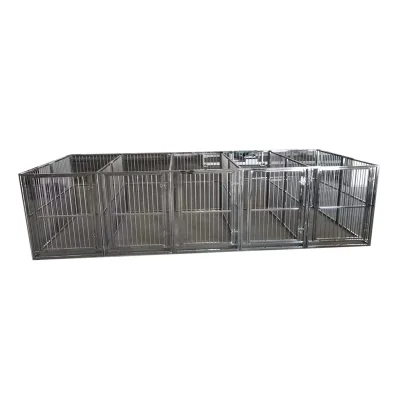
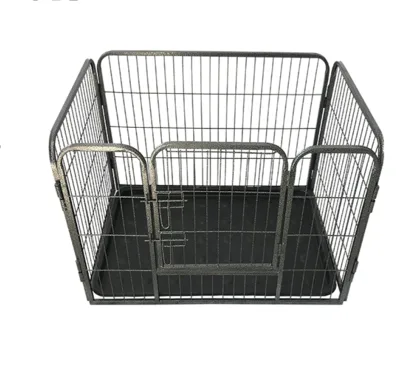
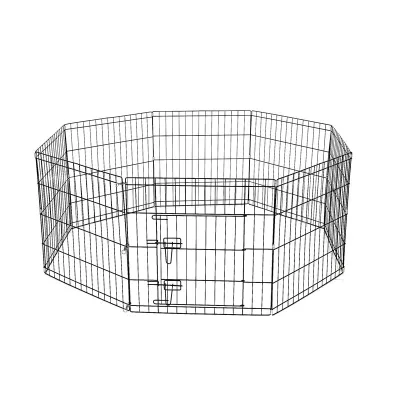
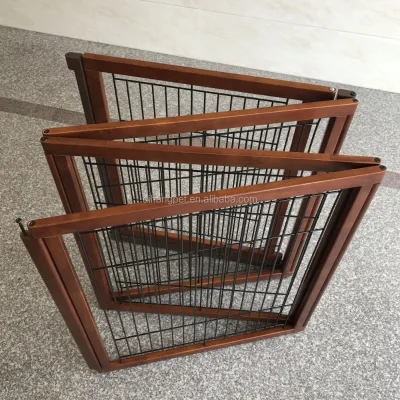


Customizable Dog Playpen with Removable Panels for Indoor and Outdoor Use
$15.99 - $29.99
MOQ: 50 Sets


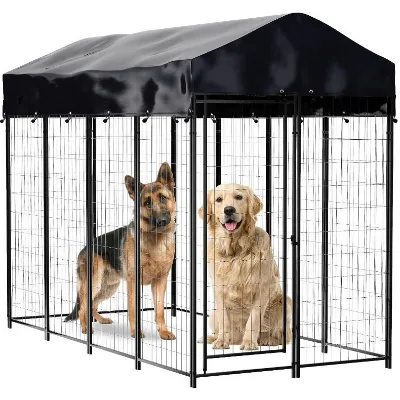

Dog Playpen Puppy Playpen, for Puppies and Small Dogs, Keep Pets Secure
$23.50 - $25.50
MOQ: 10 Pieces


Comprehensive Sourcing Guide
Stainless Steel Dog Playpen Sourcing Guide
Procuring stainless steel dog playpens requires a disciplined approach to material verification and structural integrity assessment. Buyers must distinguish between genuine stainless steel grades and cheaper alternatives that may rust or fail under stress. The core value proposition lies in durability, hygiene, and resistance to corrosion, which are critical for both indoor and outdoor pet containment solutions. Understanding the specific alloy composition, such as 202 versus 304 stainless steel, is the first step in ensuring long-term product performance and customer satisfaction.
This guide outlines the essential verification steps for sourcing high-quality pet enclosures. It covers technical specifications, compliance requirements, cost structures, and supplier qualification metrics. By focusing on observable listing signals and rigorous quality control protocols, procurement teams can mitigate risks associated with material fraud and structural defects. The following sections provide a structured framework for evaluating suppliers and selecting products that meet stringent safety and durability standards for canine companions.
Product Scope and Observed Listing Signals
Market listings for stainless steel dog playpens often highlight specific design features such as horizontal sliding closures, square or rectangular shapes, and animal-themed patterns. Buyers should note that observed product attributes vary significantly, with some items featuring powder-coated finishes in black or silver, while others emphasize breathability and classic styles. The presence of OEM and ODM acceptance indicates supplier flexibility, allowing for custom branding and structural modifications to meet specific market demands or branding requirements.
Observed listing signals also reveal diverse packaging and logistical details, including single package dimensions and gross weights that impact shipping costs. Some products are marketed for indoor use with specific panel sizes, while others cater to reptiles or small animals, indicating a broader scope of applicability. Buyers must carefully cross-reference these signals with actual product capabilities, as terms like "anti-rust" or "strong" are subjective claims that require independent verification through material testing and structural load assessments before committing to large orders.
Technical Specifications to Verify
Verification of panel dimensions and overall enclosure size is critical for ensuring the playpen fits the intended space and accommodates the target pet breed. Buyers should confirm exact measurements for individual panels, such as 61x81cm or 93.5x64cm, and verify the total configuration, including the number of panels and height specifications. Structural integrity depends on the quality of the steel wire and tube construction, so inspecting weld points, joint stability, and gate mechanisms is essential to prevent collapse or escape incidents during use.
Material composition must be rigorously tested to confirm the grade of stainless steel used, as 202 stainless steel offers different corrosion resistance compared to higher grades. Buyers should request mill certificates or conduct spot tests to verify the absence of rust and ensure the finish, whether powder-coated or bare metal, meets durability expectations. Additionally, verifying the closure type, such as horizontal sliding mechanisms, ensures smooth operation and security, while checking for breathable designs enhances pet comfort during extended confinement periods.
Compliance and Safety Documentation
Safety compliance is paramount when sourcing pet enclosures, as products must meet regional standards for structural stability and material toxicity. Buyers should verify that all components, including coatings and welds, are free from harmful substances that could endanger pets. Documentation should confirm that the product design prevents pinching hazards and that gates lock securely to prevent accidental openings. Ensuring that the playpen meets relevant safety regulations helps mitigate liability risks and builds trust with end consumers who prioritize pet well-being.
Environmental and manufacturing standards also play a role in product selection, with buyers needing to confirm that production processes adhere to ethical and environmental guidelines. Certifications related to quality management systems, such as ISO standards, can indicate a supplier’s commitment to consistent product quality. Buyers should request evidence of routine quality checks and stress testing to ensure that each unit performs reliably under normal use conditions, thereby reducing the likelihood of returns or complaints due to structural failures or material degradation.
Cost Drivers and Commercial Terms
Cost structures for stainless steel dog playpens are influenced by material grades, panel dimensions, and finishing processes. Buyers should analyze how variations in steel thickness and alloy composition affect pricing, as higher-grade materials command premium prices but offer superior longevity. Packaging details, such as paper carton specifications, also impact logistics costs, so understanding the single package size and gross weight is essential for accurate freight calculations and inventory planning.
Commercial terms, including minimum order quantities and delivery times, vary among suppliers and must be negotiated to align with procurement schedules. Observed MOQs range from small batches to larger volumes, allowing flexibility for different business models. Buyers should clarify lead times and port of dispatch options, such as Shanghai or Shenzhen, to ensure timely delivery. Understanding these commercial parameters helps in budgeting accurately and avoiding unexpected costs associated with expedited shipping or small-order surcharges.
Supplier Qualification and Quality Control
Supplier qualification involves assessing manufacturing capabilities, production capacity, and quality control processes. Buyers should verify the supplier’s ability to maintain consistent output, such as 600 sets per month, and ensure they have robust QC protocols in place. Inspecting factory audits and reviewing past performance records can provide insights into reliability and adherence to specifications. Suppliers who accept OEM and ODM requests often demonstrate greater flexibility and technical expertise, which can be advantageous for custom product development.
Quality control checks should include random sampling and destructive testing to verify material integrity and structural strength. Buyers must ensure that suppliers conduct thorough inspections before shipment, checking for defects in welding, coating, and assembly. Establishing clear acceptance criteria and communication channels for addressing non-conformities is crucial. By prioritizing suppliers with transparent quality practices, buyers can minimize the risk of receiving substandard products and ensure that each playpen meets the required safety and durability standards.
Long-Term Procurement Checks
Long-term procurement success depends on continuous monitoring of supplier performance and product quality. Buyers should establish regular review cycles to assess consistency in material quality, delivery times, and customer feedback. Tracking return rates and complaint patterns can highlight emerging issues, such as rust formation or gate malfunctions, allowing for proactive corrective actions. Maintaining open communication with suppliers facilitates timely resolution of problems and fosters a collaborative relationship focused on continuous improvement.
Market trends and regulatory changes may also impact product requirements, so staying informed about industry developments is essential. Buyers should periodically re-evaluate supplier qualifications and explore alternative sources to ensure competitive pricing and supply chain resilience. Documenting all quality checks and supplier interactions creates a valuable knowledge base for future procurement decisions. By implementing these long-term checks, buyers can sustain high product standards and adapt to evolving market demands effectively.
FAQs
What are the dimensions of the Stainless Steel Dog Playpen?
The standard panel size is 61x81cm, with a total configuration of 61cm x 81cm x 6 panels. Some models offer alternative sizes like 93.5 x 64cm or 36x25x24inch. These dimensions provide adequate space for dogs while remaining compact for indoor use and easy storage when not in use.
Can the Stainless Steel Dog Playpen be customized with OEM or ODM?
Yes, OEM and ODM services are accepted for these stainless steel playpens. Buyers can request custom branding, specific panel configurations, or tailored finishes. This flexibility allows businesses to align the product with their brand identity while leveraging the strong, anti-rust properties of the stainless steel 202 material.
What is the minimum order quantity for stainless steel dog playpens?
The minimum order quantity varies by supplier, typically ranging from 4 to 1000 pieces. Some listings specify an MOQ of 6 pieces or 4 pcs, while others require 100 pcs for certain items. Buyers should verify the specific MOQ with the manufacturer to ensure it aligns with their procurement volume.
How long is the delivery time for stainless steel dog playpens?
The standard delivery time is approximately 7 days for production and dispatch. This quick turnaround supports efficient inventory management for buyers. However, actual lead times may vary based on order volume and customization requirements, so confirming the exact schedule with the supplier is recommended before finalizing the purchase.
What material is used to construct the Stainless Steel Dog Playpen?
The playpen is primarily constructed from stainless steel 202, ensuring strength and anti-rust performance. Some variants may use steel wire and tube with a powder-coated finish for added durability. The material choice supports long-term indoor use while maintaining a sleek, silver or black appearance suitable for modern home environments.
Where are the stainless steel dog playpens manufactured?
These products are manufactured in China, with origins reported in Henan and Hebei provinces. The goods are typically dispatched from major ports such as Shanghai, Shenzhen, Qingdao, Tianjin, or Ningbo. This location facilitates efficient logistics and export processes for international buyers seeking reliable supply chains for pet accessories.