Source Stainless Steel DIY Charms for Necklaces, Bracelets, and Earrings
Compare 30 listings of Stainless Steel DIY Charms featuring gold plating, ceramic stones, and flower or bow shapes. These findings are available from suppliers in Guangdong, Jiangsu, and Zhejiang with customizable options for jewelry making projects.
Key considerations
Products List





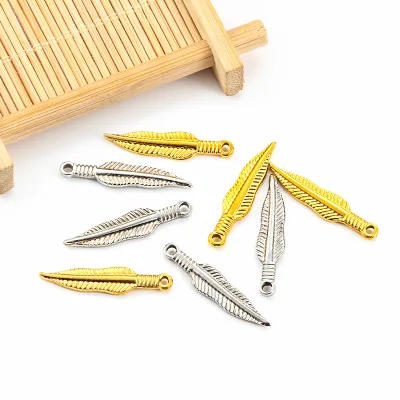


Comprehensive Sourcing Guide
Strategic Sourcing Guide for Stainless Steel DIY Charms
Understanding Product Specifications and Material Integrity
When sourcing Stainless Steel DIY Charms, the primary objective is to identify components that balance aesthetic versatility with structural durability. The core material specification for this category is consistently stainless steel, a choice driven by its resistance to corrosion and its ability to maintain a polished finish over extended periods. In the current market, buyers will encounter a variety of specific model numbers, such as PA1001 through PA11, as well as PCBPN-25092603 and PTS1040. These alphanumeric identifiers often denote specific mold designs or production batches rather than distinct material grades, meaning the material composition remains the critical constant across different SKUs.
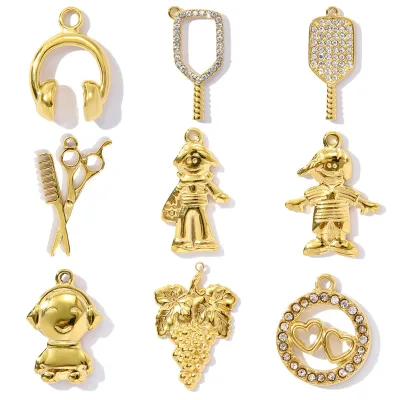
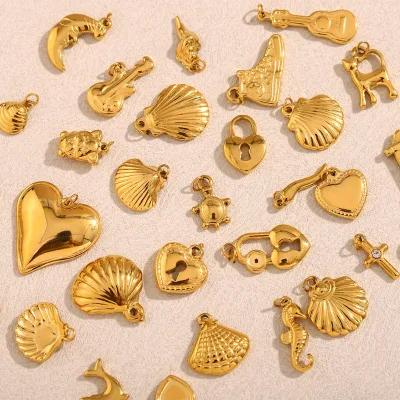
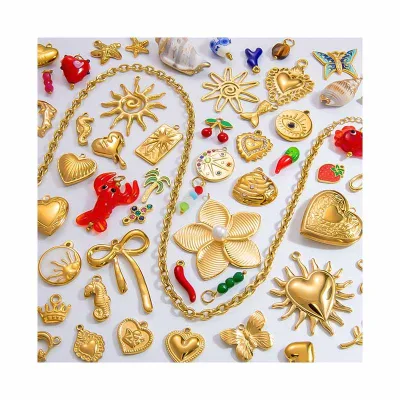
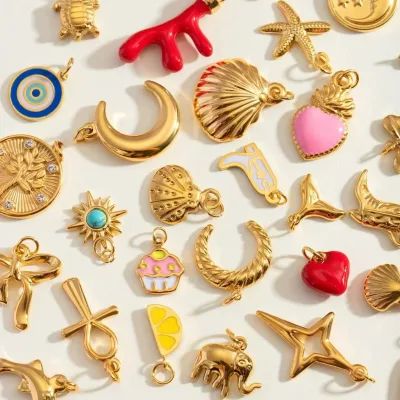
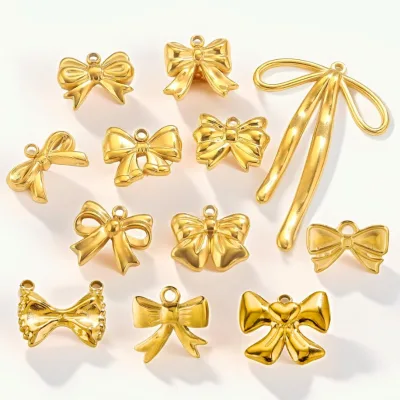
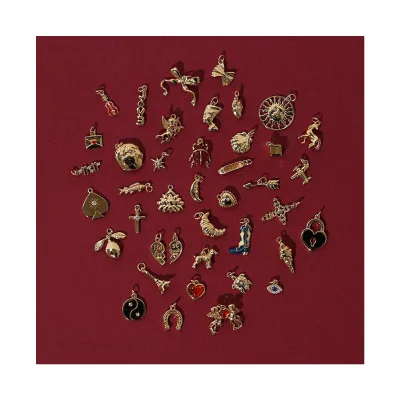
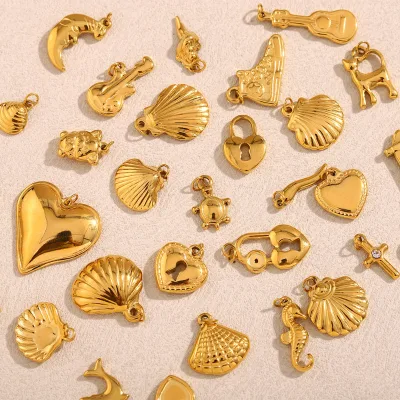
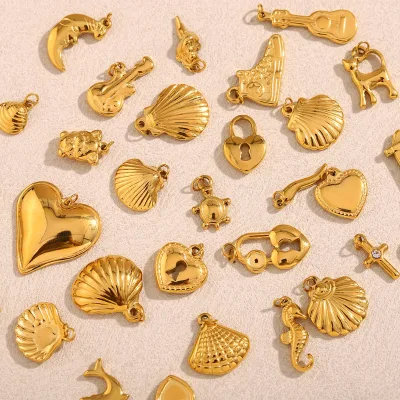
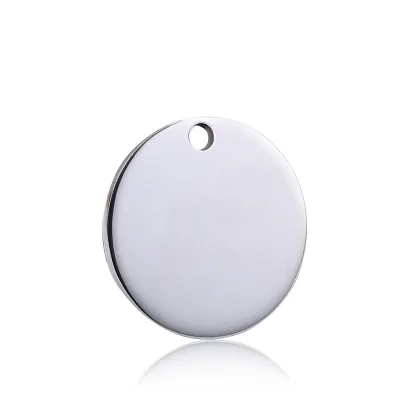
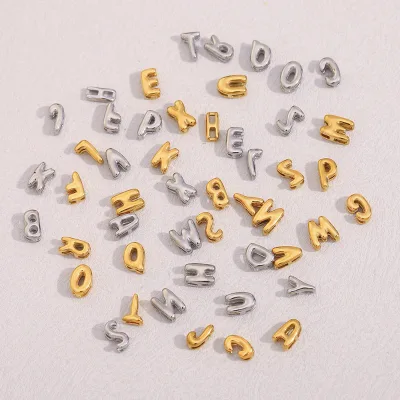
The physical attributes of these charms vary significantly in design and form factor. Common designations include "DIY Charms" with numerical suffixes (1 through 17), indicating a modular approach to jewelry assembly. The shapes observed in the supply chain range from floral motifs to bows and generic pendants. A critical observation regarding the product's finish is the prevalence of gold plating. Specific listings indicate "18K Gold Plated" finishes, while others specify "PVD Plated" treatments. The distinction between these plating methods is vital for procurement decisions, as PVD (Physical Vapor Deposition) generally offers superior adhesion and longevity compared to traditional electroplating, though both aim to replicate the appearance of precious metals.
Dimensional specifications are equally important for assembly compatibility. Buyers should note that single package sizes can vary from 13x8x5 cm to smaller batches of 3x5x3 cm, depending on the quantity and type of charms included. Weight specifications also fluctuate; some listings cite a single gross weight of 0.010 kg, while others provide specific weight ranges per unit, such as 0.94g to 2.26g. These variations suggest that the "standard" weight of 3.5g mentioned in some contexts may refer to a specific batch average or a target weight for a particular charm size rather than a universal constant for all Stainless Steel DIY Charms. Consequently, buyers must verify the exact weight and dimensions of the specific SKU before finalizing orders to ensure compatibility with their jewelry findings and clasp systems.
Compliance, Certification, and Safety Standards
In the realm of jewelry manufacturing, particularly for items intended for direct skin contact, compliance with international safety standards is non-negotiable. The Stainless Steel DIY Charms market is characterized by a high emphasis on hypoallergenic properties. Many suppliers explicitly state that their products are "Hypoallergenic," a crucial attribute for buyers targeting consumers with sensitive skin. This claim is often supported by the material choice itself, as high-grade stainless steel is naturally resistant to oxidation and nickel leaching, which are common causes of allergic reactions.
However, relying solely on the "Hypoallergenic" attribute without third-party verification can be risky. Buyers should look for specific certifications that validate these claims. While some background data suggests the availability of REACH and CE certifications, these should be treated as potential attributes rather than guaranteed facts for every listing. The presence of a "Certificate: Available" attribute in supplier data indicates that documentation can be provided, but it does not confirm that every unit in a shipment is certified. Therefore, the procurement strategy must include a mandatory request for current test reports or certificates of compliance from the supplier.
The "OEM/ODM: Acceptable" attribute found in the supply data highlights the flexibility of the manufacturing sector. This openness to Original Equipment Manufacturer and Original Design Manufacturer services suggests that suppliers are willing to customize products to meet specific regional regulatory requirements. For instance, if a buyer is targeting the European market, they must ensure the supplier can provide documentation confirming REACH compliance. Similarly, for the North American market, verifying that the plating materials do not contain restricted substances is essential. The "Payment Method" options, including T/T and Western Union, are standard, but they should be paired with strict contractual clauses regarding quality assurance and certification delivery to mitigate the risk of receiving non-compliant goods.
Cost Drivers and Pricing Dynamics
The pricing structure for Stainless Steel DIY Charms is influenced by a complex interplay of material costs, plating quality, and order volume. The observed price range in the market spans from $0.08 to $3.87 USD per unit. This wide disparity is not arbitrary; it reflects differences in the complexity of the design, the thickness of the gold plating, and the specific model number. For example, charms with more intricate designs, such as detailed floral shapes or specific bow configurations, may command higher prices due to the increased labor and mold complexity involved in their production.
Minimum Order Quantity (MOQ) is another significant factor affecting the effective cost per unit. The observed MOQ range is between 2 and 1000 units. This flexibility allows buyers to test the market with small orders, such as the "Multiple of 5" selling units seen in some listings, or to commit to larger volumes for better economies of scale. However, the "Selling Units" attribute varies; some products are sold as single items, while others require bulk purchases. Buyers must calculate the total landed cost, including shipping and customs, which can disproportionately affect small orders.
The "Customization: Available" attribute also plays a role in cost dynamics. Customized orders, which may involve specific branding, unique shapes, or tailored plating thicknesses, typically incur higher unit costs and longer lead times. The "Brand Name" variations, ranging from "Aimee" to "jialin" and "Aceworks," suggest that branded items may carry a premium, though the underlying material remains stainless steel. Buyers should be wary of prices that seem too low, as they may indicate inferior plating quality or the use of lower-grade steel that could tarnish quickly. Conversely, prices at the higher end of the spectrum should be scrutinized to ensure they correspond to genuine 18K gold plating or high-quality PVD finishes rather than standard gold-tone electroplating.
Typical Applications and Design Versatility
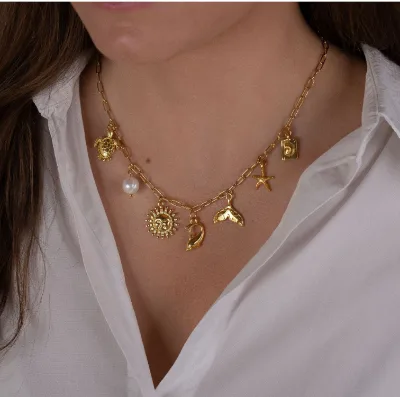
The primary application of Stainless Steel DIY Charms is in the creation of personalized jewelry, including necklaces, bracelets, and earrings. The "Usage" attributes explicitly list "For Necklace Making," "For Bracelet Making," and "For Earring Making," confirming their versatility across different jewelry types. The "Shape" attributes, such as "Flower" and "bow," along with the "Design" options like "DIY Charms-1" through "DIY Charms-17," indicate a focus on aesthetic appeal and modularity. These charms are designed to be strung, clipped, or linked together, allowing for endless combinations.
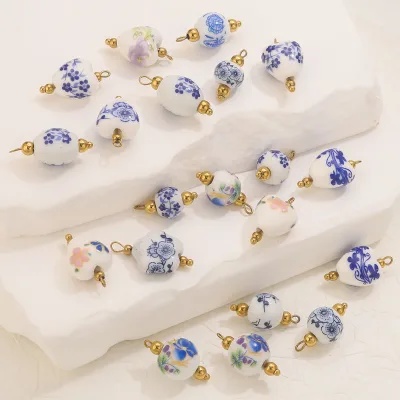
The "Main Stone" attribute, listed as "Ceramics," suggests that some charms incorporate ceramic elements, adding a touch of color and texture to the metal base. This combination of stainless steel and ceramic can enhance the visual appeal while maintaining durability. The "Age" attribute of "Youth" and the "Gender" attribute of "Female" provide insight into the target demographic, though the "Style" attributes of "Fashion" and "Simple" suggest a broad appeal that transcends specific age groups.
The "Plating" options, including "18K Gold Plated" and "PVD Plated," allow these charms to mimic the look of precious metals without the associated cost. This makes them ideal for fashion jewelry that needs to withstand frequent wear and exposure to elements like water and sweat. The "High Polish" finish further enhances their aesthetic value, ensuring a bright and reflective surface that appeals to consumers seeking a premium look. The "Place Of Origin" data, spanning Guangdong, Jiangsu, and Zhejiang in China, indicates a robust manufacturing hub capable of producing these items at scale.
Supplier Evaluation and Quality Control Protocols
Evaluating suppliers for Stainless Steel DIY Charms requires a rigorous approach to quality control. The "Certificate: Available" attribute is a starting point, but buyers must verify the authenticity and relevance of these certificates. A reliable supplier should be able to provide detailed specifications for the stainless steel grade, the plating thickness, and the results of any relevant corrosion or allergy tests. The "OEM/ODM: Acceptable" status is a positive indicator of a supplier's capability to adapt to specific buyer requirements, but it also necessitates clear communication regarding design specifications and quality benchmarks.
Quality control should extend beyond the initial product inspection to include packaging and logistics. The "prod_packing" attribute of "OPP Bag" is common, but buyers should assess whether this packaging provides sufficient protection during transit. The "Single package size" and "Package size per batch" data can help buyers estimate shipping costs and storage requirements. Additionally, the "Shipping Method" options, including DHL, FedEx, and UPS, indicate that suppliers are equipped to handle international logistics, but buyers should verify the reliability of these carriers and the supplier's track record for on-time delivery.
The "Location" data, specifically the "Place Of Origin" in various Chinese provinces, suggests a diverse supplier base. Buyers should consider the logistical advantages of sourcing from specific regions, such as the proximity to ports in Guangdong, which may reduce shipping times and costs. However, the diversity of suppliers also means that quality can vary significantly. Implementing a sampling protocol before placing a bulk order is essential. Buyers should request samples to test the plating durability, the weight consistency, and the overall finish quality.
Long-Term Procurement and Market Considerations
Sourcing Stainless Steel DIY Charms is not just a transactional activity but a strategic partnership that requires long-term planning. The "Customization: Available" attribute suggests that suppliers are willing to evolve their product lines based on market trends. Buyers should maintain open lines of communication with suppliers to stay informed about new designs, such as the "DIY Charms-1" through "DIY Charms-17" series, and emerging plating technologies. The "Brand Name" variations indicate that the market is competitive, with multiple players vying for market share. This competition can be beneficial for buyers, as it drives innovation and keeps prices competitive.
However, the "Low-confidence background" regarding certifications like REACH and CE serves as a reminder that buyers must remain vigilant. Market regulations are constantly evolving, and what is compliant today may not be tomorrow. Establishing a long-term relationship with a supplier who is committed to compliance and quality assurance is crucial. This relationship should be built on mutual trust, with clear expectations regarding quality control, delivery schedules, and regulatory adherence.
The "Usage" attributes, such as "Decoration" and "Gift," highlight the emotional and functional value of these products. Buyers should consider the end-user experience when selecting charms. A charm that looks beautiful but tarnishes quickly will damage the brand's reputation. Therefore, prioritizing suppliers who offer high-quality plating and durable materials is essential for long-term success. The "Payment Method" flexibility, including options like T/T and Western Union, allows for various financial arrangements, but buyers should ensure that payment terms are aligned with delivery milestones to protect their interests.
In conclusion, sourcing Stainless Steel DIY Charms requires a balanced approach that considers material integrity, compliance, cost, and supplier reliability. By focusing on these key areas, buyers can build a robust supply chain that delivers high-quality products to their customers while mitigating risks associated with non-compliance and quality issues. The dynamic nature of the market, with its diverse designs and customizable options, offers significant opportunities for innovation and growth, provided that buyers remain diligent in their selection and evaluation processes.
FAQs
How is the plating quality defined for these charms?
The charms feature 18K Gold Plated or PVD Plated finishes depending on the specific model. Some listings specify high polish surfaces while others use standard gold plating. Buyers should verify the exact plating method listed for each SKU to ensure durability matches their needs.
What materials are used to make these DIY charms?
All listed products are constructed from stainless steel to ensure corrosion resistance and structural integrity. Some designs incorporate ceramic as the main stone for added color and texture. This combination provides a durable base suitable for frequent wear in various jewelry applications.
Which customization options are available for bulk orders?
Customization is available for buyers seeking specific branding or design modifications. Suppliers accept OEM and ODM requests to tailor products to regional regulatory requirements. Buyers must confirm specific design details and lead times directly with the vendor before placing an order.
Can I find hypoallergenic stainless steel charms for sensitive skin?
Yes, the products are explicitly described as hypoallergenic due to the stainless steel composition. This material naturally resists oxidation and nickel leaching which causes allergic reactions. Buyers should still request current test reports to validate these claims for their specific target market.
What is the typical minimum order quantity for these items?
The minimum order quantity ranges from 2 to 1000 units depending on the specific supplier and product model. Some items are sold as single units while others require purchase in multiples of five. Buyers should check the selling units attribute for each SKU to plan their inventory accurately.
Where are these stainless steel charms manufactured?
The products originate from manufacturing hubs in Guangdong, Jiangsu, and Zhejiang provinces in China. These regions provide a robust supply chain capable of producing these items at scale. The specific origin may vary by brand and model number listed in the product details.
How are the charms packaged for shipping and storage?
Individual items are typically packed in OPP bags to protect the finish during transit. Batch packaging sizes vary, with some listings showing dimensions like 3x5x3 cm or 13x8x5 cm per single package. Buyers should verify the gross weight and package dimensions to estimate shipping costs effectively.