Source Stainless Steel Manual Needle Valve for Gas, Water, Oil
Compare 30 Stainless Steel Manual Needle Valve options from Wenzhou suppliers. Buyers can review models like J11-1 and J11w with varying connection modes and pressure ratings for gas, water, and oil applications.
Key considerations
Products List


Stainless Steel Handle Brass Compression Connector Straight Needle Valve
$0.50 - $2.00
MOQ: 1000 Pieces


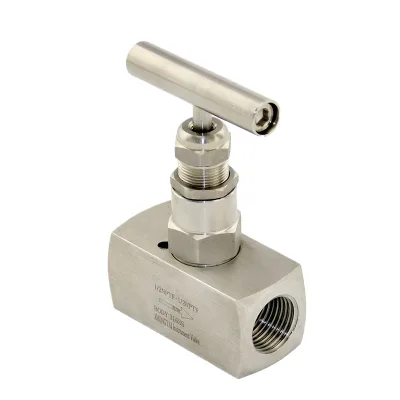
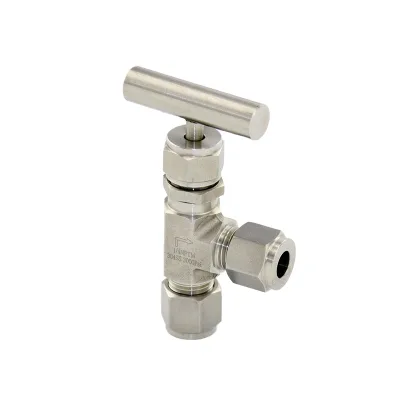


Hot Sale 5.9cm Length Manual Stainless Steel Flow Control 200bar Needle Valve
$14.00 - $22.00
MOQ: 1 Pieces


Comprehensive Sourcing Guide
Strategic Sourcing Guide for Stainless Steel Manual Needle Valves
Understanding Technical Specifications and Configuration
When sourcing stainless steel manual needle valves, buyers must first establish a precise understanding of the technical parameters that define the product's functionality and compatibility. The core of this component lies in its ability to provide precise flow control in high-pressure environments. Based on observed market data, these valves are predominantly manufactured in China, with a significant concentration of production facilities located in Wenzhou, Zhejiang Province. This region is recognized as a hub for valve manufacturing, offering a diverse range of configurations suitable for various industrial needs.
The structural design of these valves is a critical differentiator. The supply chain offers distinct structural types, including the Through Way Globe Valve and the Angle Type Globe Valve. The Through Way design typically allows for a straighter flow path, reducing pressure drop, while the Angle Type is often preferred for applications requiring a change in flow direction. Furthermore, the stem configuration is a vital specification to verify. The market features Outside Screw Stem Globe Valve designs, which are generally preferred for their ability to keep the packing nut away from the process media, thereby reducing wear and simplifying maintenance.
Connection modes vary significantly across the product range, directly impacting installation requirements. Buyers will encounter valves with Internal Thread connections as well as those utilizing Welding modes. Some listings indicate a dual capability with Threaded and Weld connections, offering flexibility for different piping systems. The sealing form is another essential technical attribute. Options range from Gland Packings Globe Valve configurations, which are standard for general applications, to Bellows Globe Valve designs, which provide a hermetic seal for more critical or hazardous media. The specific application type often dictates the choice; for instance, Needle Type Globe Valves are explicitly designed for fine metering, while Forged Steel Globe Valve variants are noted for their robustness in demanding environments.
| Feature Category | Observed Variations |
|---|---|
| Structure Type | Through Way, Angle Type |
| Stem Position | Outside Screw Stem |
| Connection Mode | Internal Thread, Welding, Threaded, Weld |
| Sealing Form | Gland Packings, Bellows |
| Media Type | Gas, Water |
| Pressure Class | High Pressure (1.6~42.0MPa) |
| Temperature Range | Normal, High, Ordinary Temperature |
The pressure rating is a paramount specification for safety and performance. The observed data indicates a working pressure range spanning from 1.6 to 42.0 MPa, classifying these units as high-pressure valves suitable for demanding industrial processes. The size specifications also vary, with models ranging from 1/4" to 2", and in some extended configurations, up to 6". The model numbers observed, such as J11-1, J11w, and J11F, often correspond to specific thread sizes or material grades, though the exact mapping requires direct verification with the manufacturer.
Compliance, Certification, and Standard Verification
Navigating the compliance landscape is essential for ensuring that purchased valves meet international safety and quality requirements. The market data reveals a mix of standards and certifications, but buyers must exercise caution and verify these claims against specific order requirements rather than assuming universal applicability.
Several standard bodies are referenced in the product listings, including DIN, GB, ANSI, and JIS. The GB (Guobiao) standard is particularly prevalent, reflecting the domestic origin of the manufacturing. However, for international procurement, verifying that the specific valve model complies with ANSI or DIN standards is crucial, as these standards dictate thread dimensions, pressure ratings, and material testing protocols. The observed "Standard" attribute often lists "Standard" generically, which implies that the product meets a baseline requirement but may not automatically satisfy specific international regulatory frameworks without explicit confirmation.
Certification status is another area requiring rigorous due diligence. Listings mention CE and ISO9001 certifications, and some specify "Ce, ISO" in the certification field. While these are recognized marks, the presence of these terms in a general product description does not guarantee that every unit in a specific order batch is certified. Buyers should request valid, up-to-date certificates of conformity for the specific batch being purchased. The "Standard Export Package" and "Inner CTN, Outside Ply Wooden Case" packaging methods suggest a focus on protecting the product during transit, which is often a prerequisite for maintaining certification integrity during shipping.
It is important to note that while ASTM B1.20.1 is mentioned in background data, it should not be treated as a confirmed attribute for all listed products without explicit verification. Similarly, the "original" material designation requires clarification; buyers must confirm the specific stainless steel grade (e.g., 304, 316) to ensure corrosion resistance matches the application environment. The verification of these standards and certifications should be a formal part of the Request for Quotation (RFQ) process, ensuring that the supplier provides documentary evidence rather than relying on general marketing claims.
Cost Drivers and Pricing Dynamics
The pricing structure for stainless steel manual needle valves is influenced by a complex interplay of material costs, manufacturing complexity, and order volume. The observed price range in the market spans from 0.5 to 100 USD, a wide spectrum that reflects the diversity in valve size, pressure rating, and material grade. A valve priced at the lower end of this range is likely a smaller, lower-pressure unit with standard threading, while those approaching the upper limit typically feature high-pressure ratings, specialized sealing mechanisms like bellows, or larger diameters.
Material costs are a primary driver of the final price. Stainless steel prices fluctuate based on global market conditions, and the specific alloy composition significantly impacts the cost. Forged steel variants, which are noted in the application descriptions, generally command a higher price due to the intensive manufacturing process required to achieve the necessary grain structure and strength. Additionally, the connection mode affects cost; welded valves often require more labor and precision than threaded counterparts, potentially increasing the unit price.
Order volume is another critical factor. The Minimum Order Quantity (MOQ) observed ranges from 1 to 1000 units. Buyers purchasing small quantities, such as the observed 5-piece MOQ for certain models, may face a higher per-unit cost compared to bulk purchasers. However, the flexibility of low MOQs allows for smaller projects or prototype testing without excessive inventory commitment. Conversely, large orders may benefit from economies of scale, though the supplier's capacity to maintain consistent quality across large batches must be monitored.
Lead times also influence the overall cost of procurement. The observed delivery time of 7 to 15 days suggests a relatively efficient supply chain, but this can vary based on customization requirements. Customization is listed as an available attribute, and any request for non-standard dimensions, special materials, or unique packaging will likely extend the lead time and increase the cost. Buyers should factor in these potential delays and costs when planning their procurement schedules to avoid production bottlenecks.
Typical Industrial Applications and Media Compatibility
The versatility of stainless steel manual needle valves makes them suitable for a wide array of industrial applications, primarily driven by their ability to handle high pressures and specific media types. The observed data highlights compatibility with both gas and water, indicating their use in diverse sectors ranging from petrochemical processing to water treatment facilities.
In high-pressure systems, these valves are indispensable for precise flow regulation. The working pressure range of 1.6 to 42.0 MPa allows them to be utilized in hydraulic systems, high-pressure gas lines, and steam applications. The "Needle Type" designation specifically points to applications requiring fine metering, such as in laboratory equipment, analytical instruments, and instrumentation lines where even minor flow adjustments are critical. The "Forged Steel Globe Valve" application suggests use in environments where mechanical strength and resistance to vibration are paramount, such as in power generation or heavy machinery.
Temperature considerations are equally important. The market offers valves rated for normal, high, and ordinary temperatures. For applications involving high-temperature media, the selection of the appropriate sealing form is vital. Bellows Globe Valves, for instance, are often preferred in high-temperature or hazardous media scenarios due to their superior sealing capabilities compared to standard gland packings. The "Angle Type" structure is particularly useful in applications where space is limited or where a change in flow direction is necessary, such as in boiler feedwater systems or complex piping networks.
The media compatibility extends to corrosive substances, provided the correct stainless steel grade is selected. While the general term "Stainless Steel" is used, the specific grade determines the valve's resistance to various chemicals. Buyers must ensure that the valve material is compatible with the specific chemical composition of the gas or water being handled to prevent corrosion and potential failure. The "Through Way" design is often selected for applications where minimizing pressure drop is essential, ensuring efficient flow through the system without unnecessary energy loss.
Supplier Evaluation and Sourcing Strategy
Evaluating suppliers for stainless steel manual needle valves requires a strategic approach that goes beyond price comparison. Given the concentration of manufacturers in Wenzhou, Zhejiang Province, buyers have access to a robust supply base, but they must navigate the quality variance inherent in a large market. The first step in supplier evaluation is verifying the authenticity of their location and production capabilities. Confirming that the supplier is indeed based in Wenzhou and has a physical manufacturing presence is crucial to avoid trading companies that may lack direct control over quality.
The ability to offer customization is a significant indicator of a supplier's technical maturity. The fact that customization is available suggests that the supplier can adapt to specific project requirements, such as unique thread sizes or special material grades. Buyers should assess the supplier's flexibility in handling these custom requests, including their lead time for non-standard orders and their willingness to provide engineering support.
Quality control processes should be a central part of the supplier evaluation. Buyers should inquire about the supplier's internal quality assurance protocols, including material testing, pressure testing, and final inspection procedures. The presence of certifications like ISO9001 is a positive indicator, but it should be supported by a track record of consistent quality. Requesting samples or conducting a third-party inspection before placing a large order can provide valuable insights into the actual product quality.
Communication and responsiveness are also key factors. A reliable supplier should be able to provide clear and accurate information regarding product specifications, lead times, and packaging details. The observed packaging options, ranging from simple polythene bags to robust plywood cases, indicate that suppliers are aware of the need to protect their products during transit. Buyers should ensure that the packaging selected matches the sensitivity of the valves and the requirements of the shipping destination.
Quality Control and Long-Term Procurement Considerations
Ensuring the long-term reliability of stainless steel manual needle valves requires a proactive approach to quality control and procurement planning. The initial inspection of the product upon receipt is just the beginning. Buyers should implement a comprehensive quality assurance program that includes regular audits of the supplier's production processes and periodic testing of the valves in service.
The sealing form and stem thread position are critical areas for long-term maintenance. Gland packings may require periodic tightening or replacement, and the Outside Screw Stem design facilitates this maintenance without removing the valve from the line. Buyers should ensure that the supplier provides clear maintenance guidelines and availability of spare parts, such as packing rings or stem seals, to minimize downtime.
Packaging plays a significant role in preserving the quality of the valves during storage and transit. The "Standard Export Package" and "Inner CTN, Outside Ply Wooden Case" options are designed to protect the valves from moisture and physical damage. However, buyers should verify that the packaging is suitable for the specific shipping conditions, especially if the valves are being transported to humid or corrosive environments.
Long-term procurement considerations also involve building a sustainable relationship with the supplier. Consistent ordering patterns can lead to better pricing and priority treatment during peak demand periods. Buyers should maintain open communication with the supplier regarding future needs and potential changes in specifications. Additionally, staying informed about market trends and standard updates ensures that the procurement strategy remains aligned with industry best practices.
In conclusion, sourcing stainless steel manual needle valves requires a balanced approach that considers technical specifications, compliance, cost, and supplier reliability. By carefully evaluating the available options and maintaining a rigorous quality control process, buyers can secure high-performance valves that meet their specific industrial needs while ensuring long-term operational efficiency.
FAQs
What connection modes are available for these valves?
Available connection modes include internal thread, welding, and threaded options. Some listings indicate dual capabilities with both threaded and weld connections to support various piping system requirements.
Which pressure ratings do these stainless steel valves support?
These valves support a working pressure range from 1.6 to 42.0 MPa. This high-pressure capability makes them suitable for demanding industrial processes and hydraulic systems.
Can I find valves with bellows sealing forms?
Yes, bellows globe valve sealing forms are available in the product range. This design provides a hermetic seal suitable for critical or hazardous media applications compared to standard gland packings.
What is the typical delivery time for these orders?
The typical delivery time ranges from 7 to 15 days. This lead time may vary depending on customization requirements or specific order volumes requested by the buyer.
Where are these valves primarily manufactured?
These valves are primarily manufactured in Wenzhou, Zhejiang Province, China. This region is a recognized hub for valve manufacturing with a diverse range of configurations.
What is the minimum order quantity for these valves?
The minimum order quantity ranges from 1 to 1000 units depending on the specific model. Some models allow for small quantities like 5 pieces, while others require larger bulk orders.
Which standards do these valves comply with?
Valves comply with standards such as DIN, GB, ANSI, and JIS. Buyers should verify specific batch certifications like CE or ISO9001 against their project requirements.