Source Stainless Steel Trailer Sideboard Fastener for Trucks, Gates, Boats
Find and compare 30 Stainless Steel Trailer Sideboard Fastener options from verified Chinese manufacturers. Buyers can review specifications like material, surface treatment, and weight to select suitable parts for trucks, gates, and boats.
Key considerations
Products List


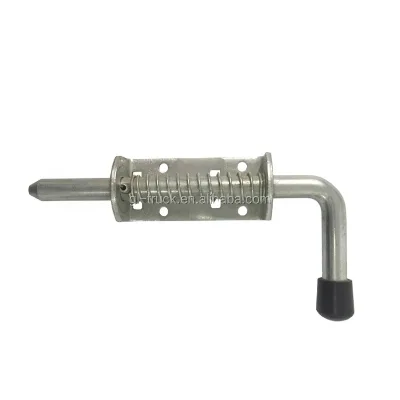
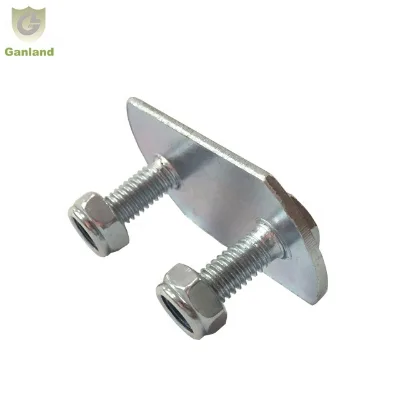
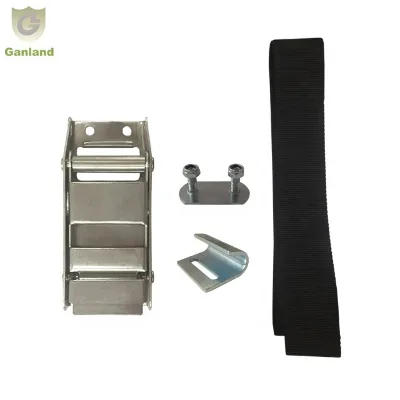
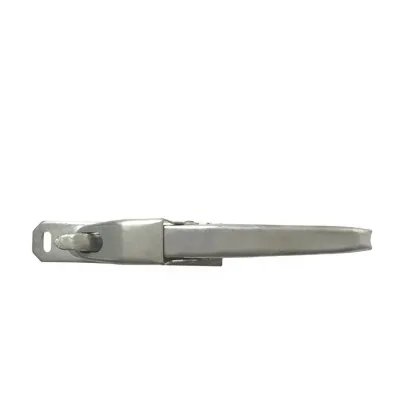

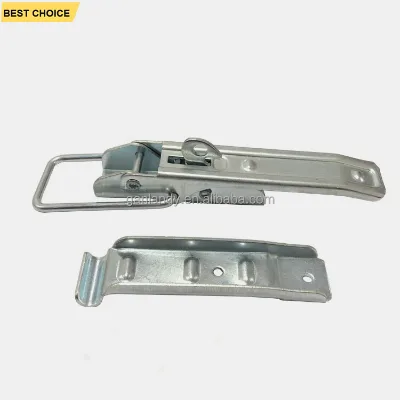


20FT Sidewall Trailer Side-Wall Trailer 3 Axle Side Board Sidewall Semitrailer
$11000.00 - $13000.00
MOQ: 1 Pieces




Comprehensive Sourcing Guide
Strategic Sourcing Guide for Stainless Steel Trailer Sideboard Fasteners
Understanding Technical Specifications and Material Integrity
When sourcing stainless steel trailer sideboard fasteners, the primary objective is to identify components that maintain structural integrity under dynamic loads and harsh environmental conditions. The core material requirement for this application is stainless steel, though the supply chain often presents variations including carbon steel, aluminum, and plastic composites. For trailer sideboards, which are subject to vibration, moisture, and potential chemical exposure from road salts or cargo, the selection of the correct grade of stainless steel is critical. Buyers must verify that the material specification explicitly matches the intended environment, as generic "steel" listings may refer to carbon steel requiring additional protective treatments rather than true stainless variants.
The physical dimensions and mechanical properties of the fastener are equally vital. Observed product data indicates that these components often come in specific model numbers such as 51990, 51960, and 12160, suggesting a standardized yet diverse catalog of offerings. The weight of individual units varies significantly, ranging from light-duty components at 0.135 kg to heavier assemblies reaching 1.11 kg. This variance implies that the fastener selection must be matched to the specific load-bearing requirements of the trailer sideboard. A fastener that is too light may fail under stress, while one that is too heavy may add unnecessary payload weight. Furthermore, the pin diameter is a critical specification; data points show a specific instance of a 12mm pin diameter, which serves as a benchmark for heavy-duty applications. Buyers should not assume a universal pin size but must request detailed engineering drawings to confirm the exact diameter and tolerance for their specific trailer model.
Surface treatment is another technical parameter that defines the longevity of the fastener. While stainless steel offers inherent corrosion resistance, additional treatments such as zinc plating or mirror polishing are frequently applied to enhance performance. The observed data lists "Zinc Plated" and "Mirror Polished" as common surface finishes, alongside a specific abbreviation "ZP" for zinc plating. These treatments are essential for fasteners that may not be fully stainless or for carbon steel alternatives used in the same assembly. The choice between a standard zinc plate and a mirror polish often depends on the aesthetic requirements of the trailer and the specific corrosion protection needed. Buyers must verify that the surface treatment process is compatible with the base material to prevent galvanic corrosion or premature degradation.
Compliance, Certification, and Regulatory Standards
Navigating the compliance landscape for trailer components requires a rigorous verification of certifications and adherence to international standards. The automotive and transport industries operate under strict quality management systems, and suppliers of trailer fasteners must demonstrate compliance with these frameworks. The supply data highlights several key certifications, including ISO/TS16949 and ISO/TS, which are specific to the automotive industry's quality management requirements. Additionally, the certificate "TS16949.ISO9001:2008" is noted, indicating a dual compliance with quality management and automotive-specific technical standards. These certifications are not merely marketing labels; they represent a supplier's commitment to a standardized production process that minimizes defects and ensures traceability.
In terms of national and industry standards, the observed data references the "GB" standard, which denotes the Chinese National Standard. This is a crucial detail for buyers sourcing from China, as it indicates that the product meets specific local regulatory requirements. However, for international procurement, buyers must determine if the GB standard is sufficient or if additional certifications like CE (though noted as low-confidence in the background data) or specific European standards are required for the target market. The presence of the "ISO/TS" certification suggests a high level of quality assurance, but buyers should explicitly request the validity of these certificates and the scope of their coverage. It is important to note that while "CE" is mentioned in background notes, it should not be assumed as a guaranteed attribute without direct verification from the supplier.
The production type is listed as "Mass Production," which implies that the supplier has the capacity to handle large volume orders with consistent quality. This is a positive indicator for buyers looking to scale their procurement, but it also necessitates a robust quality control plan to ensure that the mass-produced items meet the specific engineering drawings and tolerance requirements. The "Condition: New" attribute confirms that the products are not refurbished or second-hand, which is a baseline expectation for critical safety components like trailer fasteners. Buyers should always request current certification documents and verify their authenticity with the issuing bodies to ensure ongoing compliance.
Cost Drivers and Pricing Dynamics
The pricing structure for stainless steel trailer sideboard fasteners is influenced by a complex interplay of material costs, manufacturing processes, and order volume. The observed price range in the market spans from $0.10 to $13,000, a vast disparity that reflects the difference between a single unit purchase and a complete bulk order or a specialized custom assembly. This wide range underscores the importance of defining the procurement scope clearly. A single fastener may cost a fraction of a dollar, while a custom-engineered batch or a specialized high-tension assembly could reach significant price points.
Material composition is a primary cost driver. Stainless steel is inherently more expensive than carbon steel or aluminum due to the cost of raw materials and the energy-intensive refining process. When a supplier lists "Steel/Stainless Steel" as a material option, the final price will depend heavily on the specific grade of stainless steel selected (e.g., 304 vs. 316). The inclusion of aluminum or plastic in the material mix can also alter the cost structure, often reducing the price but potentially compromising durability for heavy-duty trailer applications. Buyers must balance the initial cost against the total cost of ownership, considering factors like maintenance, replacement frequency, and the risk of failure.
Order volume plays a decisive role in the final unit price. The observed Minimum Order Quantity (MOQ) ranges from 1 to 2,000 pieces. Suppliers offering an MOQ of 1 are likely catering to prototyping or small-scale repair needs, where the unit price is higher due to the lack of economies of scale. Conversely, an MOQ of 2,000 pieces suggests a supplier optimized for mass production, offering significantly lower unit costs for large orders. The "Mass Production" nature of the supply chain means that buyers who can commit to larger volumes will likely secure better pricing. However, buyers must be cautious of suppliers who push for high MOQs without offering flexibility for customizations or smaller trial runs.
Additional cost factors include surface treatment and packaging. Processes like mirror polishing or specialized zinc plating add to the manufacturing cost. Packaging options, such as "Box+Pallet" or "Carton+Pallet," also influence the final price, as specialized packaging adds labor and material costs. The delivery lead time, observed as 15-35 days or a standard 30 days, can also impact costs if expedited shipping is required. Buyers should factor in the total landed cost, including shipping, duties, and insurance, rather than focusing solely on the unit price.
Typical Applications and Compatibility Verification
The application scope for stainless steel trailer sideboard fasteners is broad, extending beyond simple cargo securing to include structural integrity in various transport modes. The data indicates that these fasteners are designed for "Auto and Motorcycle Accessory" applications, as well as specific use cases in "trailers, trucks, utes, gates, boats, etc." This versatility suggests that the fasteners are engineered to withstand the diverse stresses of different vehicle types. For trailer sideboards, the fasteners must resist the constant vibration and shifting loads associated with long-haul transport.
Compatibility is a critical consideration when selecting these fasteners. The "Car Fitment" is listed as "Universal," and the "Truck Model" is noted as "Other" or "Universal," indicating that many of these components are designed to be adaptable to various trailer models. However, the term "Universal" should be treated with caution. While it suggests broad applicability, the specific dimensions, such as the 12mm pin diameter or the single package size of 15x8x3 cm, must be verified against the specific trailer's mounting points. A fastener that is universal in design may still require specific adapters or modifications to fit a particular trailer model perfectly.
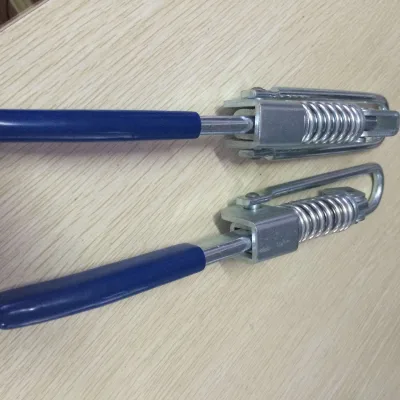
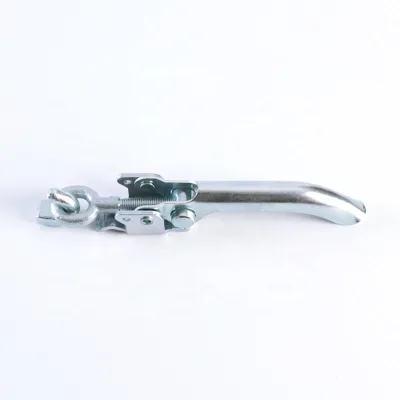
The "Product name: Spring Latch Bolt" highlights a specific type of fastener often used in trailer applications. Spring latch bolts are designed to provide a secure, self-locking mechanism that can withstand the dynamic forces of travel. These are particularly useful for sideboards that need to be opened and closed frequently. The "Model Number" variations, such as GL-14124 or 51190, suggest that different models are optimized for different load capacities or mounting configurations. Buyers should cross-reference the model number with the specific requirements of their trailer sideboard to ensure a proper fit.
Furthermore, the application extends to gates and boats, indicating that the fasteners are robust enough for marine and heavy-duty environments. This versatility is a significant advantage for buyers who operate a mixed fleet or require components that can be used across different types of equipment. However, the specific environmental conditions of each application must be considered. For example, a fastener used on a boat may require a higher grade of stainless steel to resist saltwater corrosion compared to one used on a standard road trailer.
Supplier Evaluation and Production Capabilities
Evaluating a supplier for stainless steel trailer sideboard fasteners requires a deep dive into their production capabilities, location, and operational history. The observed data indicates that the "Place of Origin" is primarily "China," with a specific mention of "Zhejiang, China." Zhejiang is a major manufacturing hub known for its metalworking and automotive component industries. While this location offers access to a vast supply chain and competitive pricing, buyers must conduct thorough due diligence to ensure the supplier meets international quality standards.
The "Production Type" is listed as "Mass Production," which implies that the supplier has the infrastructure to handle large volumes. However, buyers should also assess the supplier's flexibility regarding customization. The "Customization: Available" attribute is a significant positive indicator, suggesting that the supplier can adapt standard designs to meet specific buyer requirements. This is particularly important for trailer manufacturers who may have unique mounting requirements or specific load specifications. Buyers should inquire about the supplier's ability to modify dimensions, materials, or surface treatments to suit their needs.
Lead time is another critical factor in supplier evaluation. The observed delivery times range from 15 to 35 days, with a standard "D/T" of 30 days. This timeline is reasonable for mass production but may be tight for urgent orders. Buyers should confirm the supplier's ability to meet specific deadlines and understand the factors that could impact the lead time, such as raw material availability or production bottlenecks. The "Sample: available" attribute is also crucial, as it allows buyers to physically inspect the product before committing to a large order. Requesting samples is a standard best practice to verify quality, dimensions, and material integrity.
The supplier's location in Zhejiang, China, offers logistical advantages but also presents challenges in terms of communication and quality control. Buyers should establish clear communication channels and consider hiring third-party inspection agencies to verify the quality of goods before shipment. The "Single package size" and "Single gross weight" data provide insights into the logistics and shipping costs, which should be factored into the overall procurement strategy.
Quality Control and Long-Term Procurement Strategy
Implementing a robust quality control (QC) strategy is essential for ensuring the reliability of stainless steel trailer sideboard fasteners. Given the critical nature of these components in safety-critical applications, buyers must establish clear QC protocols that cover material verification, dimensional accuracy, and surface treatment quality. The "Standard: GB" reference indicates that the products are manufactured to Chinese National Standards, but buyers should verify if these standards align with their local regulatory requirements or if additional testing is necessary.
Quality control should begin at the source. Buyers should request detailed inspection reports for each batch, including material certificates, tensile strength tests, and corrosion resistance data. The "Condition: New" attribute is a baseline, but buyers must ensure that the products are free from defects such as cracks, burrs, or inconsistent plating. The "Surface Treatment" options, such as zinc plating or mirror polishing, should be inspected for uniformity and adhesion. Any deviation from the specified treatment can compromise the fastener's performance and lifespan.
Long-term procurement considerations involve building a sustainable relationship with the supplier. This includes establishing clear communication channels, agreeing on consistent quality standards, and planning for future volume increases. The "MOQ" range of 1 to 2,000 pieces suggests that suppliers are willing to accommodate different order sizes, but buyers should aim to stabilize their order volumes to secure better pricing and priority production slots. The "Customization: Available" attribute allows for long-term collaboration, where the supplier can develop specialized solutions tailored to the buyer's evolving needs.
Finally, buyers should consider the total cost of ownership when evaluating suppliers. While a lower unit price may be attractive, it should not come at the expense of quality or reliability. A fastener that fails prematurely can lead to costly downtime, safety hazards, and reputational damage. By prioritizing quality, compliance, and supplier reliability, buyers can ensure a steady supply of high-performance stainless steel trailer sideboard fasteners that meet the rigorous demands of the transport industry.
Comparative Analysis of Fastener Attributes
To facilitate informed decision-making, the following table summarizes key attributes observed in the supply data, highlighting the variability in specifications and the importance of verification.
| Attribute | Observed Values | Procurement Implication |
|---|---|---|
| Material | Steel, Stainless Steel, Aluminum, Plastic | Verify grade; Stainless is preferred for corrosion resistance. |
| Surface Treatment | Zinc Plated, Mirror Polished, ZP | Check compatibility with base material; ZP indicates Zinc Plating. |
| Certification | ISO/TS, ISO/TS16949, TS16949/ISO9001:2008 | Request valid certificates; ensure automotive industry compliance. |
| Standard | GB (Chinese National Standard) | Verify alignment with target market regulations. |
| MOQ | 1 to 2,000 pcs | Align order volume with supplier capacity for optimal pricing. |
| Lead Time | 15-35 Days (Standard 30 Days) | Plan production schedules accordingly; confirm urgent delivery options. |
| Weight | 0.135 kg to 1.11 kg | Match weight to load requirements; avoid over-engineering. |
| Packaging | Box+Pallet, Carton+Pallet | Consider logistics costs and handling requirements. |
| Application | Auto, Motorcycle, Trailer, Truck, Boat, Gate | Ensure fitment for specific vehicle type and environmental conditions. |
| Customization | Available | Leverage for specific design requirements and unique mounting needs. |
This comparative analysis underscores the need for buyers to carefully evaluate each attribute against their specific operational requirements. The diversity in specifications means that a "one-size-fits-all" approach is rarely effective. Instead, a tailored procurement strategy that prioritizes material integrity, certification validity, and supplier capability is essential for securing high-quality stainless steel trailer sideboard fasteners. By adhering to these guidelines, buyers can mitigate risks and ensure the long-term reliability of their trailer fleets.
FAQs
What certifications do stainless steel trailer sideboard fasteners typically have?
These fasteners typically hold ISO/TS16949 and ISO9001:2008 certifications. Suppliers often provide these documents to verify compliance with automotive quality management systems and ensure traceability for mass production units.
Which materials are used for manufacturing these trailer fasteners?
Manufacturers commonly use steel, stainless steel, aluminum, and plastic. The specific material grade must be verified against the intended application, as generic steel listings may require additional surface treatments for corrosion resistance.
Can I find these fasteners with a specific pin diameter like 12mm?
Yes, specific models feature a 12mm pin diameter for heavy-duty applications. Buyers must request engineering drawings to confirm exact dimensions and tolerances, as universal fitment does not guarantee a single standard size.
How long is the standard delivery time for these components?
The standard delivery time ranges from 15 to 35 days or typically 30 days. This lead time applies to mass production orders, while expedited shipping may incur additional costs depending on the supplier's capacity.
What surface treatments are available for these steel fasteners?
Common surface treatments include zinc plating, mirror polishing, and ZP finishes. These processes enhance corrosion resistance and durability, particularly for carbon steel variants used in harsh environments like marine or road transport.
What is the minimum order quantity for purchasing these fasteners?
The minimum order quantity ranges from 1 piece to 2000 pieces depending on the supplier. Lower MOQs suit prototyping needs, while higher volumes often secure better pricing for mass production requirements.
Where are these trailer fasteners typically manufactured?
These products are primarily manufactured in China, with specific origins noted in Zhejiang. Buyers should verify the place of origin to ensure the supplier meets the required international standards and logistical expectations.