Source 33 Beads Muslim Rosary for Prayer, Gifts, and Collectibles
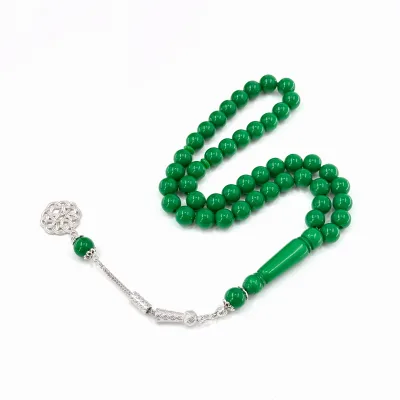
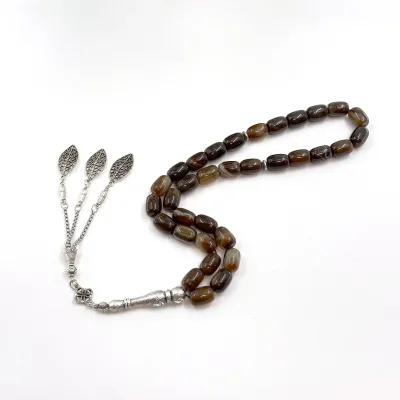
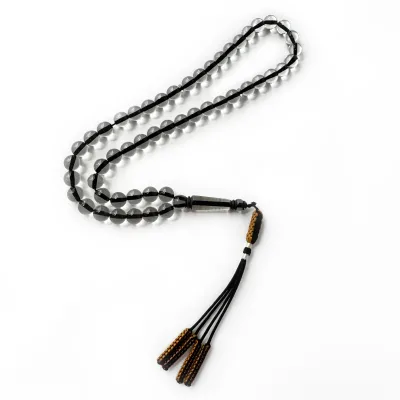
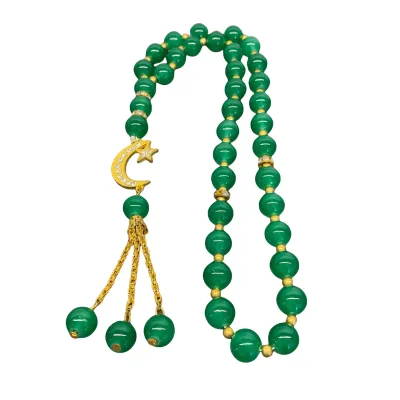
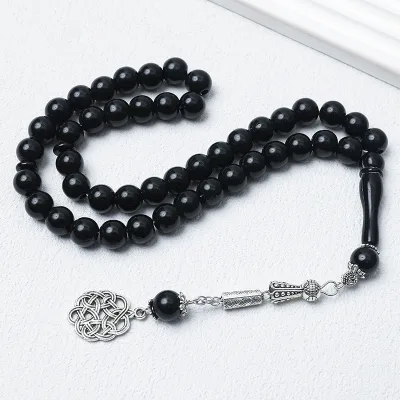
Explore 30 listings for the 33 Beads Muslim Rosary, featuring resin, acrylic, and stone materials in drop or ball shapes. Compare specifications like bead sizes (7-16mm), weights, and religious styling to find suitable prayer accessories, gifts, and art collectibles for diverse sourcing needs.
Key considerations
Products List




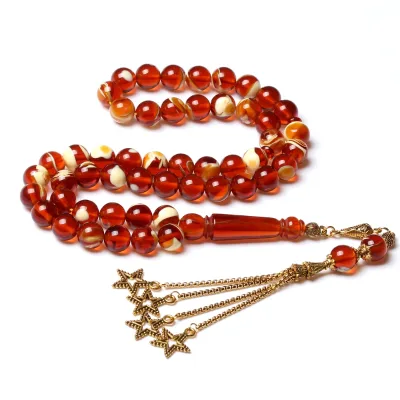
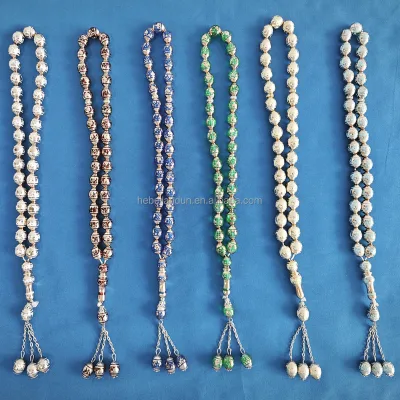
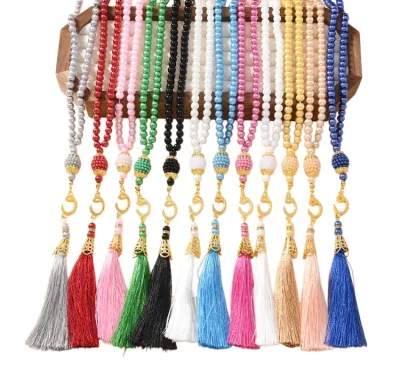
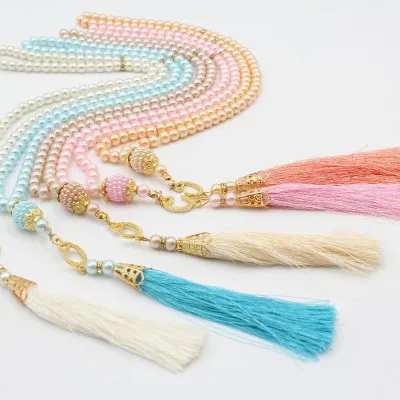

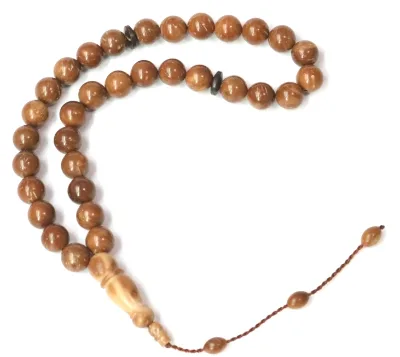
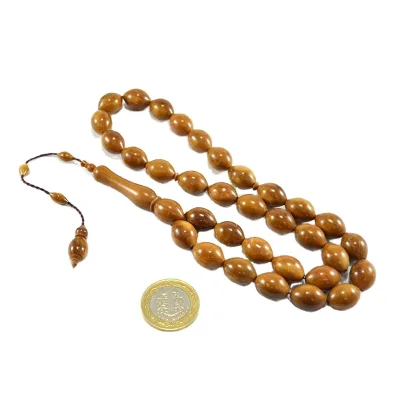
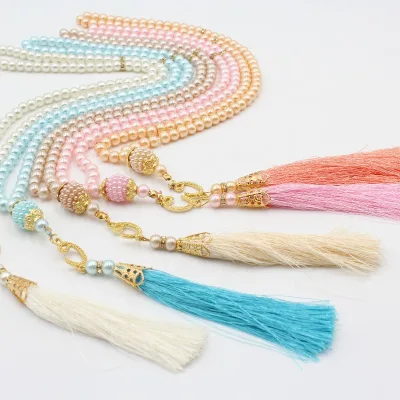
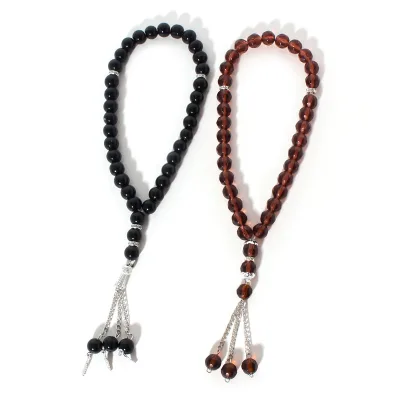
Comprehensive Sourcing Guide
33 Beads Muslim Rosary Sourcing Guide
Sourcing 33-bead Muslim rosaries, often referred to as Tasbih or Misbaha, requires a nuanced understanding of both religious significance and material quality. These prayer beads are not merely decorative accessories but essential tools for spiritual practice, necessitating durability, tactile comfort, and aesthetic consistency. The market offers a wide spectrum of options, ranging from mass-produced acrylic items to handcrafted pieces using natural resins, amber, or semi-precious stones. Buyers must navigate this diversity by focusing on specific material properties, bead dimensions, and finishing techniques that align with their target demographic’s expectations.
The procurement process involves balancing cost-efficiency with the perceived value of the product. While some listings indicate low minimum order quantities (MOQs) suitable for testing, others require larger commitments typical of wholesale distribution. Understanding the distinction between synthetic materials like resin or acrylic and natural stones such as agate or quartz is critical for accurate pricing and marketing. Furthermore, the origin of manufacture, predominantly observed in regions like Zhejiang, China, influences supply chain dynamics, including lead times and packaging standards, which must be factored into the overall procurement strategy.
Product Scope and Observed Listing Signals
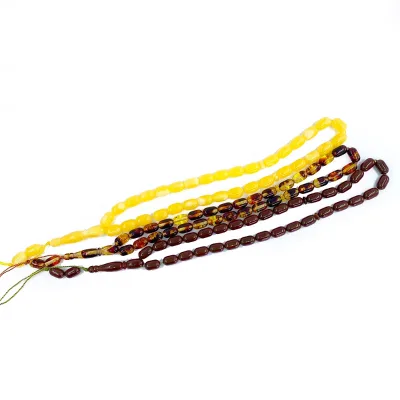
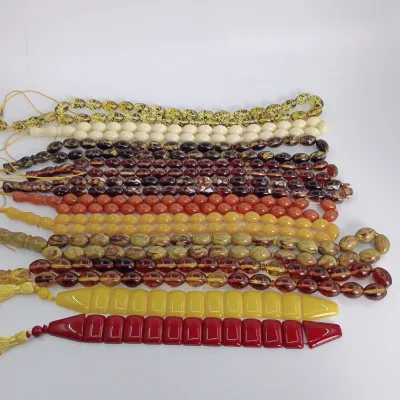
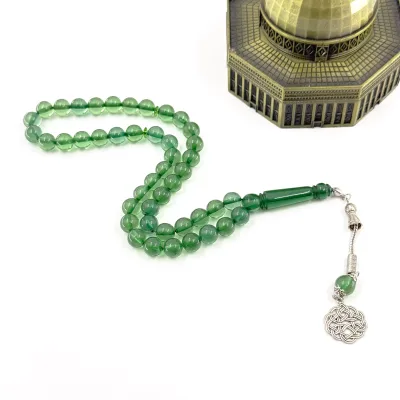
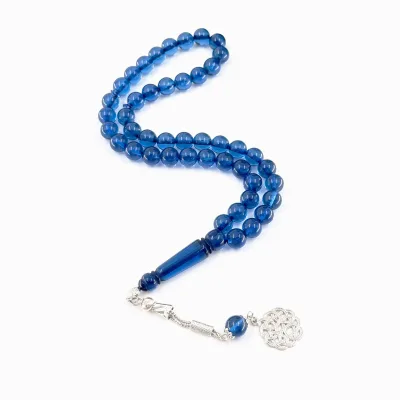
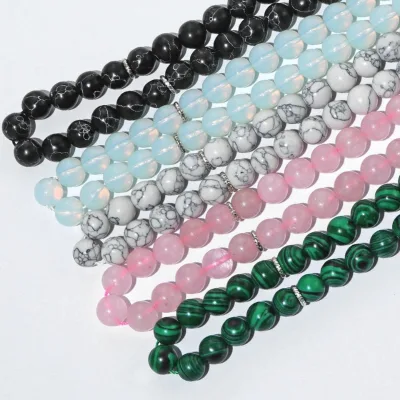
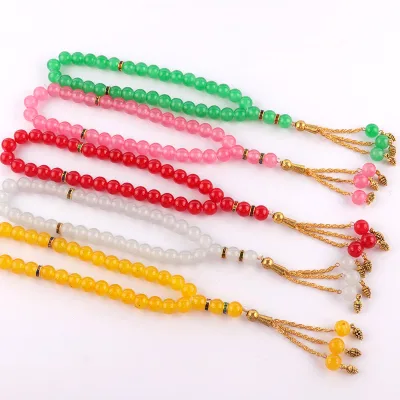
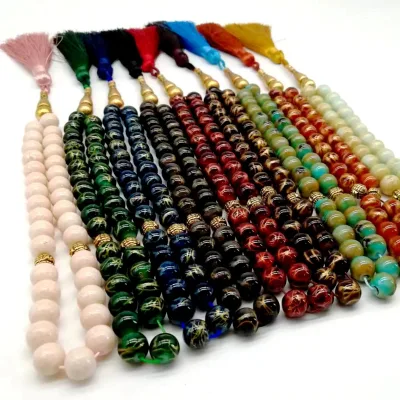
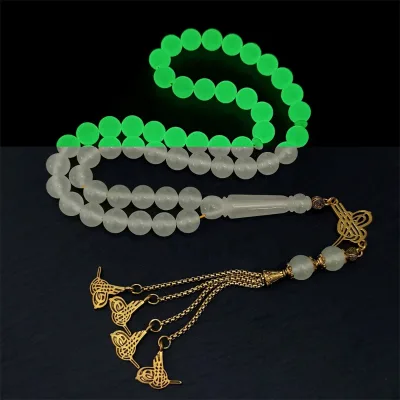
The product landscape for 33-bead rosaries is characterized by significant variation in materials, shapes, and intended applications. Listings frequently highlight materials such as resin, acrylic, quartz stone, and agate, each offering distinct visual and tactile qualities. For instance, resin-based rosaries often mimic the appearance of amber or natural stones at a lower cost point, while acrylic options provide a lightweight, durable alternative. The shape of the beads also varies, with drop shapes and ball patterns being common, influencing both the aesthetic appeal and the ease of handling during prayer. Buyers should carefully review product attributes to ensure the selected material aligns with the brand’s positioning, whether it is budget-friendly fashion or premium religious collectibles.
Color and style further define the scope of available products, with options ranging from natural colors and amber browns to vibrant reds and yellows. The style is often described as both religious and fashionable, indicating a dual market potential for spiritual use and everyday jewelry. Some products are explicitly marketed as handmade, suggesting a higher level of craftsmanship and attention to detail, which can justify a premium price point. Additionally, the inclusion of features such as antique silver plating or channel setting technology adds complexity to the manufacturing process, requiring suppliers to possess specific technical capabilities. Buyers must verify these attributes through product samples to confirm that the visual and structural qualities match the supplier’s descriptions.
Technical Specifications to Verify
Bead size and dimension are critical technical specifications that directly impact the usability and aesthetic of the rosary. Observed listings indicate a range of bead sizes, including 7x10mm, 10x13mm, 9x14mm, and 12x16mm, with some variations extending to 21x15mm. These dimensions affect the overall length of the rosary and the comfort of holding the beads during use. Larger beads may be preferred for ease of handling, while smaller beads offer a more delicate appearance. Buyers should request detailed dimensional data for each SKU to ensure consistency across batches, as variations in bead size can lead to uneven spacing and a poor user experience.
Packaging and weight specifications are equally important for logistics and cost calculation. Single package sizes vary significantly, from compact 1x1x1 cm units for individual beads to larger 30x3x2 cm packages for complete rosaries. The gross weight per batch and single item weight also differ, with some items weighing as little as 0.070 kg per piece and others reaching 1.655 kg per batch. These metrics are essential for calculating shipping costs and determining storage requirements. Buyers must verify that the packaging protects the beads from damage during transit, especially for fragile materials like quartz or agate, and ensure that the packaging dimensions align with carrier restrictions to avoid additional fees.
Compliance and Safety Documentation
While specific certification statuses are not universally disclosed in general listings, buyers must ensure that all materials used in the production of 33-bead rosaries comply with relevant safety standards. For products intended for children or those marketed with specific health claims, compliance with regulations regarding heavy metals and toxic substances is paramount. Materials such as resin and acrylic should be verified for non-toxicity, particularly if the rosaries are handled frequently or placed in the mouth. Buyers should request material safety data sheets (MSDS) or test reports from suppliers to confirm that the products meet international safety standards, such as those outlined in ISO 27001:2022 for information security management, although this is more relevant to data handling than product safety.
Documentation regarding the origin and composition of materials is also crucial for transparency and ethical sourcing. Buyers should verify that suppliers provide accurate information about the place of origin, such as Zhejiang, China, and the specific materials used, such as quartz stone or agate. This information is essential for customs clearance and for meeting consumer demand for transparency. Additionally, buyers should inquire about the customization options available, such as logo engraving or specific color matching, and ensure that these processes do not compromise the structural integrity or safety of the product. Clear documentation helps build trust with end-users and mitigates the risk of regulatory issues in target markets.
Cost Drivers and Commercial Terms
The cost of 33-bead rosaries is influenced by several factors, including material choice, manufacturing complexity, and order volume. Materials like natural agate or quartz stone typically command higher prices than synthetic resins or acrylics due to their rarity and processing requirements. Handmade items, which involve more labor-intensive processes, also contribute to higher unit costs. Buyers should analyze the cost structure in relation to the perceived value of the product, ensuring that the pricing strategy aligns with the target market’s willingness to pay. Understanding these cost drivers allows buyers to negotiate more effectively and identify opportunities for cost savings without compromising quality.
Minimum order quantities (MOQs) and selling units are key commercial terms that affect inventory management and cash flow. Observed MOQs range from 2 to 2000 pieces, with some products sold in multiples of 100 items. These terms vary depending on the supplier’s production capacity and the complexity of the order. Buyers should assess their sales forecasts and storage capabilities to determine the optimal order size, balancing the benefits of bulk discounts against the risks of excess inventory. Additionally, buyers should clarify the selling units and packaging configurations to ensure that the received goods match the ordered specifications, avoiding discrepancies that could lead to customer dissatisfaction or additional logistical costs.
Supplier Qualification and Quality Control
Evaluating supplier qualification is a critical step in ensuring the reliability and consistency of 33-bead rosary supplies. Buyers should assess suppliers based on their production capabilities, quality control processes, and track record in the industry. Suppliers with experience in producing religious jewelry and accessories are more likely to understand the specific requirements and sensitivities associated with these products. Buyers should request samples to evaluate the craftsmanship, material quality, and attention to detail, such as the consistency of bead size and the durability of the stringing. Additionally, verifying the supplier’s ability to handle customization requests, such as specific colors or shapes, is essential for meeting diverse market needs.
Quality control measures should be implemented throughout the production process to minimize defects and ensure product consistency. Buyers should establish clear quality standards and inspection criteria, covering aspects such as bead shape, color accuracy, and packaging integrity. Regular audits and inspections, both during production and before shipment, can help identify and address issues early in the process. Buyers should also consider implementing a sampling plan for incoming goods to verify that the delivered products meet the agreed-upon specifications. By maintaining rigorous quality control standards, buyers can reduce the risk of returns and complaints, thereby protecting their brand reputation and customer satisfaction.
Long-Term Procurement Checks
Establishing long-term relationships with suppliers requires ongoing monitoring and evaluation of performance metrics. Buyers should track key performance indicators such as on-time delivery, product quality, and responsiveness to issues. Regular communication with suppliers helps to address any emerging challenges and fosters a collaborative partnership. Buyers should also stay informed about market trends and consumer preferences, adjusting their sourcing strategies accordingly. This proactive approach ensures that the procurement process remains aligned with business goals and market demands, enabling buyers to maintain a competitive edge in the religious jewelry sector.
Continuous improvement in the supply chain is essential for sustaining long-term success. Buyers should explore opportunities for process optimization, such as streamlining packaging or negotiating better terms based on volume commitments. Additionally, diversifying the supplier base can mitigate risks associated with single-source dependencies. By regularly reviewing and updating procurement policies, buyers can enhance efficiency and resilience in their supply chain. This strategic focus on long-term checks and improvements ensures that the sourcing of 33-bead Muslim rosaries remains a reliable and profitable component of the business operations.
FAQs
What materials are used for 33 Beads Muslim Rosary?
The product is primarily made from resin, with some variants using acrylic or quartz stone. Specific items feature amber brown colors and drop shapes, while others utilize natural colors. These materials ensure durability for religious use and decorative purposes.
Which bead sizes are available for this prayer necklace?
Available bead dimensions include 7*10mm, 10*13mm, 9*14mm, and 12*16mm. Some listings also mention 21*15mm and 10*14mm options. Buyers should verify the specific model number to confirm the exact size required for their order.
Can I customize the 33 Beads Muslim Rosary design?
Customization is available for this product line. Buyers can request specific modifications to meet their needs. The items are handmade and feature religious styles suitable for gifts or art collections, allowing for tailored procurement solutions.
What is the minimum order quantity for these rosaries?
The minimum order quantity is typically 100 pieces per batch. Some selling units are structured as multiples of 100 items, while others may allow single item purchases. Buyers must check the specific supplier listing to confirm the exact MOQ.
Where are these prayer beads manufactured?
The products originate from Zhejiang, China, with some listings simply stating China as the place of origin. This location indicates the manufacturing hub for these resin and acrylic jewelry items. Buyers should verify the specific factory location for shipping details.
How much does a single 33 Beads Muslim Rosary weigh?
A single unit typically weighs 18 grams. The gross weight per batch is recorded as 1.655 kg, while individual package weights vary by size. These weights help in calculating shipping costs and logistics for bulk orders.