Source Steel Greenhouse Bending Machine for Arched Roofs
Find and compare 30 Steel Greenhouse Bending Machine options for arched roofs, walls, and floors. These units feature PLC controllers, electric transmission, and high bending precision to support automated greenhouse construction projects.
Key considerations
Products List


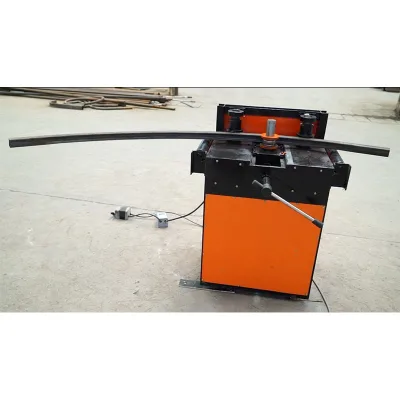
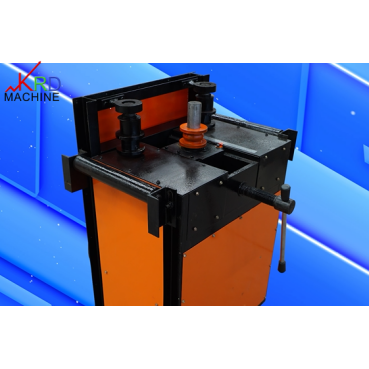


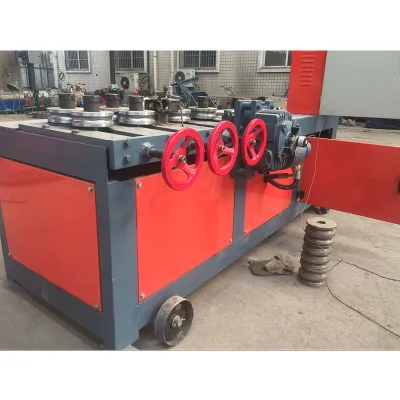


Pipe Rolling Machine Bender for Pipe and Tube Suitable for Greenhouse Production
$7450.00 - $7500.00
MOQ: 1 Pieces

Fully Automatic Greenhouse Pipe and Tube Rolling Bending Machine with High Productivity
$7450.00 - $7500.00
MOQ: 1 Pieces

Greenhouse Pipe and Tube Rolling Bending Machine Fully Automatic with PLC
$7450.00 - $7500.00
MOQ: 1 Pieces
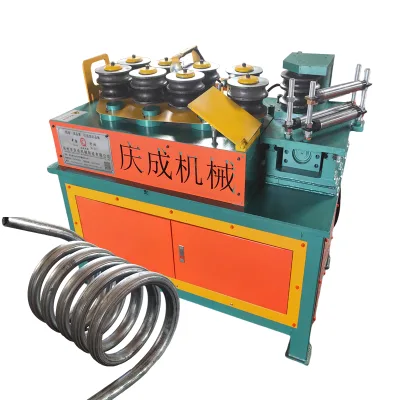
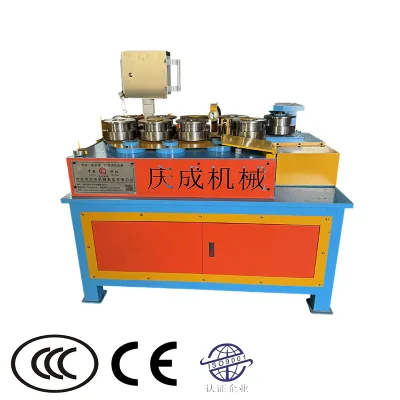
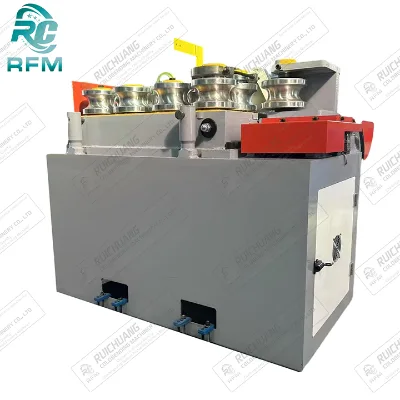


Hydraulic Profile Stainless Steel Ss Greenhouse Tube Bender Pipe Bending Machine
$4050.00 - $4250.00
MOQ: 1 Pieces

Automatic CNC Hydraulic Rolling Pipe Tube Bending Machine Greenhouse Rolling Bending Machine
$4000.00 - $8000.00
MOQ: 1 Pieces

CNC 3 Roller Rolling Bending Machine Greenhouse Spiral Circle Pipe Bender Roller
$3700.00 - $3800.00
MOQ: 1 Pieces

Profile Bending & Pipe Bending Machine for Greenhouse and Steel Structure Projects
$6500.00 - $8500.00
MOQ: 1 Pieces

Efficient Greenhouse Pipe Bending Machine with Safety Protection System
$558.00 - $1470.00
MOQ: 1 Pieces
Comprehensive Sourcing Guide
Steel Greenhouse Bending Machine Sourcing Guide
Procuring a Steel Greenhouse Bending Machine requires a careful balance between mechanical precision, automation level, and structural compatibility with your specific greenhouse framework. These machines are primarily designed to form arched profiles from steel pipes, which serve as the foundational ribs for greenhouse structures. The core keyword, Steel Greenhouse Bending Machine, encompasses a range of equipment from semi-automatic manual units to fully automated CNC systems, each offering different trade-offs in speed, labor intensity, and initial capital expenditure. Buyers must first determine whether their production volume and pipe specifications align with the capabilities of the available machinery, ensuring that the selected unit can handle the required wall thicknesses and tube diameters without compromising structural integrity.
The market for these machines is characterized by a wide variance in specifications, with observed listing prices ranging from $4 to $26,500 USD and minimum order quantities (MOQ) varying between 1 and 120 units. This broad spectrum indicates that buyers are not limited to a single tier of equipment; rather, they can select from entry-level manual benders for small-scale operations to high-end hydraulic CNC models for industrial-scale manufacturing. Understanding this range is critical for budgeting and operational planning, as the choice of machine directly impacts the per-unit cost of greenhouse components and the overall throughput of the fabrication line.
Product Scope and Observed Listing Signals
The product scope for steel greenhouse bending machines includes various configurations such as hydraulic CNC bending machines, pipe arch curve machines, and double-head pipe arch curve machines. These units are typically engineered to process materials like alloy steel, stainless steel, and aluminum, with a specific focus on wall thicknesses up to 2 mm and maximum tube diameters of 50 mm. The observed listings indicate that these machines are often marketed with specific model numbers, such as the KRD-WGJ-291A, and are branded by manufacturers like KRD, suggesting a standardized approach to component design and functionality within the industry.
Key operational attributes observed in the market include automation levels ranging from semi-automatic to fully automatic systems, with power consumption typically around 3 kW and operating voltages of 380 V. The machines are designed to achieve high bending precision, with some models capable of bending angles up to 360 degrees and bending radii ranging from 10 to 50 mm, or strictly adhering to a radius of at least ten times the pipe diameter. These technical signals help buyers identify machines that can meet the specific geometric requirements of arched greenhouses, ensuring that the resulting structures are both aesthetically pleasing and structurally sound.
Technical Specifications to Verify
When evaluating technical specifications, buyers should prioritize the material composition and durability of critical components such as the rolling shaft and rollers. High-confidence data indicates that rolling shafts are often made from 40cr steel, tempered to improve hardness, while rollers are constructed from Cr12, chromed to prevent abrasion and corrosion. These material choices are vital for maintaining precision over time, as wear on the rollers can lead to inconsistencies in the bending radius and angle, ultimately affecting the fit and assembly of greenhouse panels. Verifying these material specifications ensures that the machine will withstand the rigors of continuous industrial use.
Another critical area for verification is the control system and its impact on operational efficiency. Many modern units feature PLC controllers that allow for automatic counting of length and quantity, significantly reducing manual intervention and potential human error. Buyers should also assess the machine’s dimensions, which are commonly listed around 8007001300 mm, and its weight, typically around 180 kg, to ensure compatibility with their facility’s floor space and load-bearing capacity. Additionally, the main base construction, often described as H-steel weld, provides the necessary stability during high-torque bending operations, preventing vibration and ensuring consistent results.
Compliance and Safety Documentation
Compliance and safety are paramount when sourcing industrial machinery, and buyers must ensure that all equipment meets relevant international standards. Observed listings frequently cite ISO and CE certifications, which are essential for verifying that the machine adheres to European safety directives and quality management systems. These certifications provide a baseline assurance that the manufacturer has implemented proper safety protocols, electrical standards, and mechanical safeguards, reducing the risk of accidents during operation. Buyers should request copies of these certificates to validate the claims made in product listings.
In addition to certifications, buyers should verify the availability of machinery test reports and warranty terms. The presence of a provided machinery test report indicates that the manufacturer has conducted performance checks before shipment, offering insight into the machine’s actual operational capabilities. A standard one-year warranty is commonly observed, which serves as a critical safety net for buyers against early failures or defects. Understanding the scope of this warranty, including what components are covered and the process for claiming repairs, is essential for managing long-term maintenance costs and minimizing downtime.
Cost Drivers and Commercial Terms
The cost of a Steel Greenhouse Bending Machine is influenced by several factors, including the level of automation, the complexity of the control system, and the quality of raw materials used in construction. While observed prices range widely, the lower end of the spectrum may correspond to simpler, semi-automatic units with basic functionality, whereas the higher end reflects advanced hydraulic CNC models with PLC automation and enhanced durability features. Buyers should analyze the total cost of ownership, considering not just the initial purchase price but also the energy consumption, maintenance requirements, and potential savings in labor costs due to automation.
Commercial terms such as MOQ and packaging also play a significant role in the procurement process. With MOQs ranging from 1 to 120 units, buyers have flexibility in ordering quantities, but larger orders may offer economies of scale. The standard export package is commonly used to protect the machine during transit, ensuring that it arrives in optimal condition. Buyers should also consider the origin of the machine, with Cangzhou and Shandong, China, being notable production hubs, as this can impact shipping logistics, lead times, and the availability of local support or spare parts.
Supplier Qualification and Quality Control
Supplier qualification is a critical step in ensuring the reliability of the purchased equipment. Buyers should verify the supplier’s ability to provide customization services, as many listings indicate that customization is available to meet specific greenhouse design requirements. This flexibility allows buyers to tailor the machine’s functionality, such as adjusting the bending radius or angle, to their unique operational needs. Additionally, suppliers that offer end-forming services can provide added value by ensuring that the bent pipes are ready for immediate assembly, streamlining the production process.
Quality control measures should be rigorously assessed before finalizing any purchase. Buyers should inquire about the supplier’s manufacturing processes, including the tempering of shafts and chroming of rollers, to ensure that these steps are performed to industry standards. The presence of a machinery test report is a strong indicator of a supplier’s commitment to quality, as it demonstrates that each unit is tested for performance before shipment. Buyers should also evaluate the supplier’s responsiveness to after-sales support, including the availability of technical assistance and spare parts, to ensure long-term operational success.
Long-Term Procurement Checks
Long-term procurement success depends on the machine’s ability to maintain performance over time and adapt to changing production needs. Buyers should consider the ease of operation and maintenance, as machines with intuitive PLC controls and accessible components will reduce downtime and training costs. The high bending precision and automation features observed in many models contribute to consistent output quality, which is essential for maintaining the structural integrity of greenhouse frameworks. Regular maintenance checks, including the inspection of rollers and shafts for wear, will extend the machine’s lifespan and preserve its accuracy.
Finally, buyers should stay informed about advancements in greenhouse bending technology and market trends. As the industry evolves, new features such as enhanced energy efficiency or improved material handling may become standard, offering opportunities to upgrade or expand production capabilities. By maintaining a proactive approach to supplier relationships and technology adoption, buyers can ensure that their steel greenhouse bending machines remain a valuable asset in their manufacturing operations, supporting growth and efficiency in the long term.
FAQs
What certifications do the steel greenhouse bending machines have?
The machines are certified with ISO and CE standards to ensure safety and quality compliance. These certifications verify that the equipment meets international manufacturing requirements for industrial use in greenhouse construction projects.
Can the machine be customized for specific greenhouse requirements?
Yes, customization is available to meet specific project needs. Buyers can request tailored specifications for the machine to ensure it fits their unique greenhouse arching and bending requirements effectively.
What is the maximum bending angle for the steel pipe bender?
The machine supports a maximum bending angle of up to 360 degrees depending on the specific model configuration. This capability allows for creating full circular arches or complex curved structures for various greenhouse designs.
Which materials can this Steel Greenhouse Bending Machine process?
The equipment processes alloy, stainless steel, and aluminum materials. This versatility allows users to bend different metal types required for constructing durable and corrosion-resistant greenhouse frames and support structures.
How is the machine powered and what is its voltage requirement?
The machine operates on a 380 V power supply with a 3 kW motor. This electrical configuration ensures stable performance for continuous operation in industrial settings where reliable power is available.
What is the warranty period for the Steel Greenhouse Bending Machine?
The product comes with a 1-year warranty covering core components and general functionality. This warranty provides buyers with assurance regarding the machine's reliability and manufacturer support during the initial operational period.