Source Steel Gym Stair Climber for Home Gym and Park
Compare 30 Steel Gym Stair Climber options from verified suppliers. These units feature manual or electric drive systems, support up to 200kg, and are suitable for home gyms, commercial facilities, and community parks; compare the available evidence and request quotations based on your requirements.
Key considerations
Products List


High-Quality Stable Structure Stair Climber for Stair Climbing Workout
$450.00 - $460.00
MOQ: 1 Pieces


High Performance 1450*820*2080 Stair Climber for Stair Climbing Workout
$450.00 - $460.00
MOQ: 1 Pieces


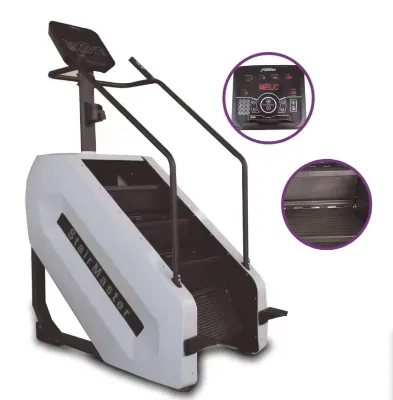

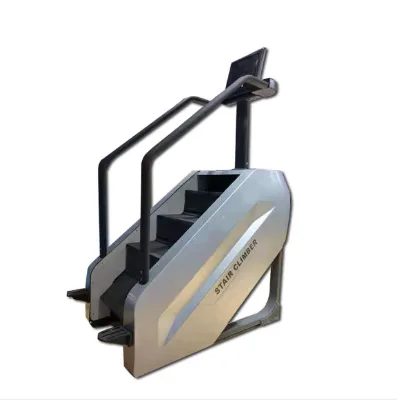
Gym Equipment Stepmill Climbing Machine Cardio Machine Gym Stair Climber
$500.00 - $750.00
MOQ: 1 Pieces
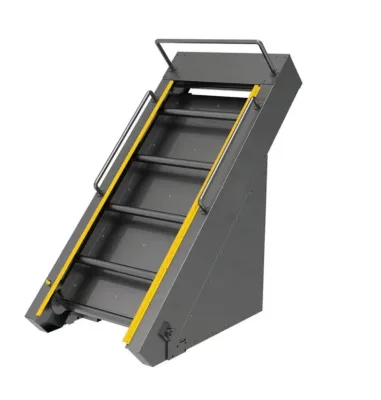
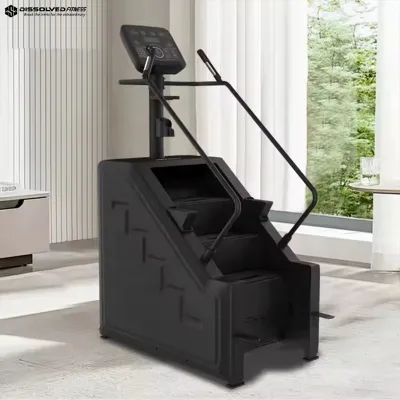


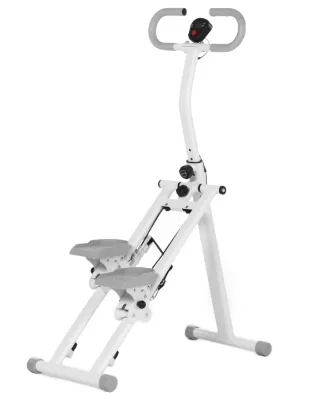
Vertical Climbing Machine Home Gym Body Training Cardio Workout Stair Stepper
$9.00 - $11.00
MOQ: 90 Pieces
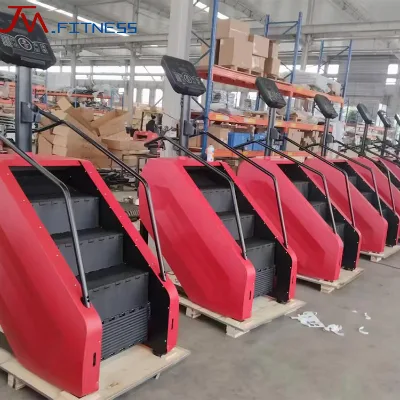





Comprehensive Sourcing Guide
Steel Gym Stair Climber Sourcing Guide
Procuring steel gym stair climbers requires a disciplined approach to distinguishing between manual and electric models, as this fundamental choice dictates the entire technical and commercial landscape. Buyers must first clarify whether the target facility needs passive resistance units for basic cardiovascular training or motorized systems with digital feedback for advanced user engagement. The observed market signals indicate a wide variance in power sources, ranging from purely manual operation to electric drives with magnetoresistance or standard motor systems. This distinction is critical because it influences the required infrastructure, such as electrical outlets and circuit capacity, as well as the long-term maintenance profile of the equipment.
Understanding the specific application environment is equally vital for successful sourcing. The available data suggests these units are designed for diverse settings, including home gyms, commercial fitness centers, parks, and community spaces. Each environment imposes different demands on durability, safety, and user interface complexity. For instance, commercial installations often require higher weight capacities and robust steel construction to withstand heavy usage, while home units may prioritize compactness and aesthetic integration. Buyers should align their procurement strategy with the intended user demographic, ensuring that the selected models support the necessary load limits and operational speeds for their specific facility type.
Product Scope and Observed Listing Signals
The current market landscape for steel stair climbers reveals a broad spectrum of product configurations, primarily driven by the distinction between manual and electric variants. Observed listings highlight models with manual power sources, which rely on user effort for resistance, alongside electric options featuring magnetoresistance motor drives or standard motor systems. These electric models often include digital displays tracking metrics such as time, calories, steps, and heart rate, catering to users who prefer data-driven workouts. The presence of both types in the same search results indicates that buyers must carefully filter options based on their specific functional requirements rather than assuming a uniform feature set across all steel stair climbers.
Material composition and structural design are key differentiators among the observed products. While steel remains the predominant material for frame construction due to its strength and durability, some models incorporate additional components such as steel pipes combined with PP plastic for specific parts. This hybrid approach can affect both the weight of the unit and its resistance to corrosion. Furthermore, customization options are frequently available, allowing buyers to tailor logos, colors, and packaging to their brand identity. The ability to design custom logos and select from various packing methods, such as pallets, cartons, or wooden boxes, provides flexibility for logistics and branding strategies, particularly for commercial gym operators looking to maintain a cohesive aesthetic.
Technical Specifications to Verify
When evaluating technical specifications, buyers must prioritize the drive mechanism and operational parameters to ensure compatibility with their facility’s needs. For electric models, it is essential to verify the mains input voltage, as observed listings indicate variations such as AC220±10% or AC110±10%, which must match the local power infrastructure. Additionally, the running velocity range, typically observed between 15 and 164 steps per minute, should be assessed to determine if the unit meets the desired intensity levels for users. The type of drive, whether magnetoresistance or standard motor, also impacts the smoothness of the motion and the maintenance requirements, making it a critical factor in the selection process.
Structural dimensions and weight capacity are equally important considerations for safety and space planning. Buyers should confirm the step area dimensions, such as the observed 562322cm specification, to ensure adequate foot placement and user comfort. The maximum bearing weight, often cited as ≤200kg, must be verified against the expected user demographics to prevent overloading and potential safety hazards. Furthermore, the overall footprint of the unit, with observed dimensions like 14582208cm or 21608301432mm for different models, needs to be checked against the available floor space. Accurate measurement of these physical attributes ensures that the equipment fits seamlessly into the designated area without compromising safety or accessibility.
Compliance and Safety Documentation
Compliance with international safety and quality standards is non-negotiable for gym equipment, particularly for stair climbers that involve repetitive motion and significant user weight. Buyers should insist on verification of certifications such as CE, RoHS, and ISO, which indicate adherence to specific regulatory requirements for electrical safety and environmental protection. The observed listings mention standards like EN1177, SGS, TUV, and Fire Resistance, which provide additional layers of assurance regarding product safety and material integrity. These certifications are crucial for commercial installations, as they often serve as prerequisites for insurance coverage and regulatory inspections in many jurisdictions.
Documentation should also include detailed test reports and material safety data sheets to verify the absence of hazardous substances and the durability of components. Buyers must ensure that the supplier provides clear evidence of compliance with relevant standards, such as ISO 20957 or EN 20957-8, which govern the safety requirements for fitness equipment. This documentation helps mitigate liability risks and ensures that the equipment meets the highest safety benchmarks. Additionally, verifying the fire resistance properties of materials, especially for plastic components, is essential for maintaining a safe environment in densely populated fitness centers.
Cost Drivers and Commercial Terms
The cost of steel gym stair climbers is influenced by several factors, including the complexity of the drive system, the quality of materials, and the level of customization required. Electric models with advanced digital displays and motor drives typically command higher prices than manual units due to the additional components and engineering involved. Buyers should also consider the impact of customization options, such as custom logos and specialized packaging, which may incur additional fees. Understanding these cost drivers allows for more accurate budgeting and helps in comparing quotes from different suppliers on a like-for-like basis.
Commercial terms, including payment methods and delivery timelines, play a significant role in the overall procurement strategy. Observed listings indicate a variety of payment terms, such as T/T, L/C, D/P, Western Union, Cash, and Paypal, offering flexibility for international transactions. Delivery times are often cited as approximately two weeks, but buyers should confirm lead times for customized orders, which may extend this period. Additionally, the minimum order quantity (MOQ) can vary, with observed ranges from 1 to 100 units, affecting the total cost per unit due to economies of scale. Negotiating favorable terms and clarifying delivery schedules is essential for maintaining project timelines and cash flow.
Supplier Qualification and Quality Control
Supplier qualification is a critical step in ensuring the reliability and consistency of the procured equipment. Buyers should verify the supplier’s manufacturing capabilities, including their experience in producing steel gym equipment and their adherence to quality management systems. The observed listings mention brands such as Sol Fitness and Baoxuan, indicating that there are established manufacturers in the market. However, buyers should conduct due diligence to assess the supplier’s reputation, production capacity, and ability to meet specific customization requests. This includes verifying their history of exports and their responsiveness to technical inquiries.
Quality control measures should be clearly defined and agreed upon before placing orders. Buyers should request samples, which are often available freely, to evaluate the build quality, finish, and functionality of the units. Inspecting the packing methods, such as wooden boxes or pallets, is also important to ensure that the equipment arrives in good condition. Establishing clear quality standards and inspection protocols helps prevent defects and ensures that the delivered products meet the specified requirements. Regular communication with the supplier regarding production progress and quality checks can further mitigate risks and ensure a smooth procurement process.
Long-Term Procurement Checks
Long-term procurement success depends on establishing strong relationships with suppliers who can provide consistent quality and support over time. Buyers should prioritize suppliers who offer comprehensive after-sales service, including warranty coverage and technical support. The ability to source replacement parts and receive timely maintenance guidance is crucial for minimizing downtime and extending the lifespan of the equipment. Additionally, suppliers who offer ongoing customization options and new product developments can help facilities stay competitive and meet evolving user demands.
Regular performance reviews and feedback loops with suppliers are essential for continuous improvement. Buyers should monitor the performance of the equipment in their facilities and share this data with suppliers to drive product enhancements. This collaborative approach fosters innovation and ensures that the procured equipment remains aligned with industry best practices. Furthermore, staying informed about emerging standards and technologies in the fitness equipment sector allows buyers to make proactive decisions about future upgrades and replacements, ensuring that their facilities remain safe, efficient, and attractive to users.
FAQs
How can I customize a Steel Gym Stair Climber for my brand?
Customization is available on listed models, including logo design according to customer requirements and rubber surfaces bearing your logo. Suppliers typically offer OEM and ODM services, so you can request branding, color options like black, and tailored specifications. Confirm your artwork and minimum order quantity with the factory before production begins, since sample and customization terms vary by model.
What certifications do Steel Gym Stair Climber products typically carry?
Listed products reference certifications including CE, ISO, and RoHS, with some standards also citing EN1177, SGS, TUV, and fire resistance. Certification coverage can differ between models and suppliers, so always request the applicable certificates for the specific stair climber model you intend to purchase and verify they match the destination market's regulatory requirements before placing an order.
What is the typical delivery time for a Steel Gym Stair Climber?
One listed supplier states delivery within two weeks of order confirmation. Lead times generally depend on order quantity, customization requirements, and current production capacity, so custom-branded units may take longer than standard configurations. Confirm the exact shipping schedule, packing method such as carton, pallet, or wooden box, and payment terms like T/T, L/C, or PayPal with your supplier.
Which power options are available for steel gym stair climbers?
Both manual and electric drive options appear among listed models. Electric units commonly use a magnetoresistance motor drive with mains input of AC220V plus or minus 10 percent or AC110V plus or minus 10 percent, reaching running velocities from 15 to 164 steps per minute. Choose manual versions for simpler maintenance or motorized units for commercial gymnasium and community fitness settings.
What are the size and weight specifications of a commercial stair climber?
Specifications vary by model. One listed electric climber measures around 2160 by 830 by 1432 millimeters with gross and net weights of about 205 and 155 kilograms, while another lists dimensions of 145 by 82 by 208 centimeters and a step area of 56 by 23 by 22 centimeters. Maximum bear weight is generally stated at up to 200 kilograms for adult users.
Can I order a Steel Gym Stair Climber sample before bulk purchasing?
Yes, one listed supplier offers samples freely, allowing you to evaluate build quality, step motion, and console functions before committing to a bulk order. Sample policies differ among suppliers, and you may still pay freight charges. Review the sample in person, test the OSD functions such as time, climb, calories, steps, and heart rate, then negotiate pricing and MOQ for volume shipments.