Source Steel Structure U Channel Strut for Construction
Find and compare 15 Steel Structure U Channel Strut options for industrial framing, cable laying, and pipeline transport. These products feature materials like carbon steel and stainless steel, with surface treatments such as hot-dip galvanizing to ensure durability and corrosion resistance for various structural applications.
Key considerations
Products List


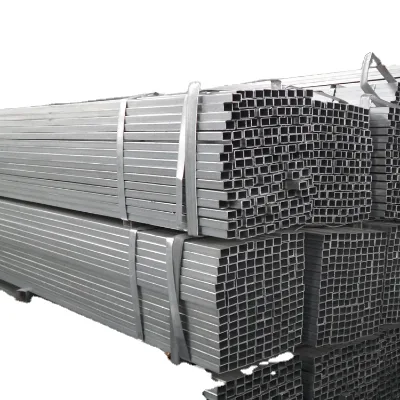
Comprehensive Sourcing Guide
Steel Structure U Channel Strut Sourcing Guide
Procuring steel structure U channel struts requires a disciplined approach to material selection and dimensional accuracy, as these components form the backbone of mechanical, electrical, and plumbing (MEP) support systems. Buyers must first distinguish between carbon steel and stainless steel variants, as the choice directly impacts corrosion resistance and structural load capacity. The supplied data indicates that materials such as Q235B carbon steel and SS304 stainless steel are commonly available, with some listings also noting aluminum alloy options for lightweight applications. Understanding the specific environmental conditions of the installation site is critical; for instance, outdoor or high-humidity environments may necessitate the use of stainless steel or heavily galvanized carbon steel to prevent premature degradation.
Beyond material composition, the surface treatment process plays a pivotal role in the longevity and performance of the strut channel. Hot-dip galvanizing (HDG) is frequently cited as a standard surface treatment, providing a robust barrier against rust and chemical exposure. Buyers should verify whether the galvanization process meets specific thickness requirements, as thinner coatings may not offer adequate protection in aggressive industrial settings. Additionally, some suppliers offer customized colors or specific surface finishes, which can be relevant for aesthetic requirements in architectural applications or for color-coding systems in large facilities. Ensuring that the surface treatment is applied uniformly and adheres to industry standards is essential for maintaining the structural integrity of the support system over its operational lifespan.
Product Scope and Observed Listing Signals
The market for steel structure U channel struts presents a diverse range of product models and configurations, reflecting the varied needs of industrial and construction projects. Common model identifiers observed in listings include BIM-1561, BM-1502, and generic designations like C-shaped steel strut channels. These products are often categorized under broader applications such as support, framing, and fixing work, indicating their versatility in holding pipes, conduits, and ductwork. The presence of OEM models suggests that many manufacturers are capable of producing custom-branded or specification-specific components, allowing buyers to align the product with their project’s branding or unique engineering requirements. This flexibility is particularly valuable for large-scale projects where consistency across multiple suppliers is desired.
Listing signals also reveal significant variation in packaging and shipping methods, which can influence logistics costs and product protection. Options range from bulk packaging and stretch film to carton and palletized arrangements, with some suppliers offering standard export packing for international shipments. The observed minimum order quantities (MOQs) vary widely, from as low as 100 pieces to 2000 pieces, catering to both small repair jobs and large infrastructure developments. Additionally, the availability of free samples allows buyers to physically inspect the product quality before committing to a larger order. This sampling capability is a crucial step in the procurement process, enabling verification of material thickness, hole spacing, and overall build quality against the project’s technical specifications.
Technical Specifications to Verify
Dimensional accuracy is paramount when sourcing U channel struts, as even minor deviations can lead to installation difficulties and compromised structural stability. Standard dimensions such as 41x21, 41x41, 41x62, and 41x72 are commonly referenced, along with other variations like 41x61 and 41x82. Buyers must verify that the selected channel dimensions match the specific load requirements and attachment points of their design. Furthermore, the length of the channels is often customizable, with standard ranges extending from 2000 to 6000mm, allowing for reduced waste and fewer joints in long runs. It is essential to confirm whether the supplier can provide channels cut to precise lengths or if they only offer standard lengths that require on-site cutting.
The presence and configuration of holes in the strut channel are another critical technical specification to verify. Most listings indicate that the channels come with pre-punched holes, which facilitate the attachment of fittings and accessories. Buyers should inquire about the hole pattern, spacing, and diameter to ensure compatibility with their chosen mounting hardware. Additionally, the manufacturing technique, such as hot rolling, can affect the mechanical properties of the steel, including its yield strength and ductility. Understanding the production process helps buyers assess the suitability of the product for high-stress applications. Verifying these technical details against the project’s engineering drawings ensures that the installed system will perform as intended under load.
Compliance and Safety Documentation
Certification requirements vary by region and project type, making it essential to verify the specific standards applicable to your procurement. Common certifications observed in the market include CE, ISO, TUV, RoHS, and CCC, which indicate compliance with various international and regional safety and quality benchmarks. Additionally, some suppliers reference standards such as GB, BS, DIN, ASTM, and JIS, which are critical for projects in specific geographic markets. Buyers must ensure that the provided certifications are valid and relevant to the destination country, as non-compliant products can lead to project delays or legal issues. Requesting copies of the certificates and verifying their authenticity with the issuing body is a prudent step in the due diligence process.
Safety documentation also extends to the material composition and environmental impact of the product. For applications involving food processing or pharmaceuticals, RoHS compliance ensures that hazardous substances are minimized. In construction projects, compliance with local building codes is mandatory, and suppliers should be able to provide test reports or material certificates that demonstrate adherence to these codes. Buyers should also consider the environmental implications of the manufacturing process, particularly regarding the galvanization process, which may involve chemical treatments. Ensuring that the supplier follows environmentally responsible practices can contribute to the overall sustainability goals of the project and reduce potential regulatory risks associated with hazardous waste.
Cost Drivers and Commercial Terms
Several factors influence the final cost of steel structure U channel struts, with material prices being the most significant driver. Fluctuations in the global steel market can impact the cost of carbon steel and stainless steel variants, so buyers should consider locking in prices through long-term contracts or purchasing during periods of market stability. The choice of material also plays a role; stainless steel and aluminum alloys are generally more expensive than carbon steel due to their superior corrosion resistance and lighter weight. Additionally, surface treatments like hot-dip galvanizing add to the cost but are often necessary for durability, so buyers should weigh the initial investment against the long-term maintenance savings.
Commercial terms such as minimum order quantities (MOQs) and delivery times also affect the overall procurement cost. Higher MOQs may result in better unit prices but require larger capital outlays and storage capacity. Conversely, smaller orders may incur higher per-unit costs and potentially higher shipping fees. Delivery times, which can range from 7 to 15 days, impact project scheduling and may necessitate expedited shipping options if lead times are tight. Buyers should also consider the packaging costs, as specialized packaging like pallets or stretch film may add to the total expense. Negotiating clear terms regarding payment methods, warranties, and return policies is essential to mitigate financial risks and ensure a smooth transaction.
Supplier Qualification and Quality Control
Evaluating supplier qualifications is crucial to ensuring the reliability and consistency of the steel structure U channel struts. Buyers should verify the supplier’s manufacturing capabilities, including their production capacity, quality control processes, and experience in the industry. Suppliers located in regions like Hebei and Shandong, China, are known for their steel production expertise, but buyers should still conduct thorough due diligence to assess their operational standards. Requesting references from previous clients and reviewing case studies can provide insights into the supplier’s performance and reliability. Additionally, verifying the supplier’s business license and export credentials ensures that they are legally authorized to operate and ship internationally.
Quality control measures should be clearly defined and agreed upon before placing an order. This includes specifying inspection points during production, such as material testing, dimensional checks, and surface treatment verification. Buyers may also consider hiring third-party inspection agencies to conduct pre-shipment inspections, ensuring that the products meet the agreed-upon specifications. Clear communication of quality expectations and providing detailed technical drawings can help minimize discrepancies. Establishing a robust quality control framework not only reduces the risk of receiving defective products but also fosters a stronger partnership with the supplier, leading to better service and support in the long run.
Long-Term Procurement Checks
Establishing a long-term procurement strategy for steel structure U channel struts involves regular performance reviews and continuous improvement initiatives. Buyers should track key performance indicators (KPIs) such as delivery times, product quality, and supplier responsiveness to identify areas for improvement. Regular audits of the supplier’s quality control processes can help ensure that standards are consistently met over time. Additionally, maintaining open communication channels with the supplier allows for timely resolution of any issues that may arise during the project lifecycle. Building a strong relationship with the supplier can lead to better pricing, priority service, and access to new product innovations.
Market monitoring is another essential aspect of long-term procurement. Staying informed about trends in steel prices, regulatory changes, and technological advancements can help buyers make informed decisions and adapt to changing market conditions. Buyers should also consider diversifying their supplier base to mitigate risks associated with single-source dependency. Regularly reviewing and updating procurement policies and procedures ensures that they remain aligned with the organization’s strategic goals and compliance requirements. By adopting a proactive and strategic approach to procurement, buyers can optimize their supply chain, reduce costs, and enhance the overall value of their steel structure support systems.
FAQs
What materials are commonly used for Steel Structure U Channel Strut products?
Steel Structure U Channel Strut products are commonly made from Q235B carbon steel, SS304 stainless steel, or aluminum alloy, with stainless 304/316 also available for cable laying applications. Material choice depends on load requirements and corrosion exposure. Hot-dip galvanized carbon steel suits most industrial framing, while stainless grades are preferred where corrosion resistance is critical.
Which standard sizes are available for C shaped steel strut channel?
Common standard sizes include 41x21, 41x41, 41x61, 41x62, 41x72, and 41x82 profiles, matching typical 41mm framing systems. Lengths of 2000 to 6000mm are offered, and custom dimensions can be produced according to buyer drawings. Always confirm the profile depth and hole pattern with the supplier before ordering, since hole punching options vary.
Can strut channel fittings be customized to project drawings?
Yes, customization is available for most strut channel and fittings listed here. Manufacturers can produce according to buyer drawings, including custom dimensions, hole patterns, and customized colors. Provide detailed technical drawings, material grade requirements such as Q235B or SS304, and surface treatment specifications. Samples can be supplied freely, so request one before committing to volume production.
What surface treatments protect u channel strut against corrosion?
Hot-dip galvanizing (HDG) is the main surface treatment, with general galvanizing and hot galvanizing also offered depending on the product. HDG provides a thick zinc layer suited to industrial support, framing, and fixing work in demanding environments. Stainless steel options such as SS304 or 316 eliminate the need for galvanizing when maximum corrosion resistance or hygiene is required.
What is the typical MOQ and lead time for strut channel orders?
Minimum order quantities vary by product, with listed MOQs ranging from 100 pieces to 1000 pieces. Delivery time is typically 7 to 15 days after order confirmation for stocked or standard items. Custom dimensions, special surface treatments, or larger volumes may extend this window, so confirm the exact MOQ and production schedule with each supplier before placing an order.
How are strut channel products packed for export shipments?
Common export packing options include bulk packing, stretch film packaging, cartons, carton plus pallet, and standard export packages. Carton and pallet packing suits smaller fittings and protects them during handling, while bulk or stretch film packing works well for long channel lengths. Specify your preferred packing method when requesting quotations so it is included in the delivered price.
Which certifications should buyers check when sourcing strut channel?
Relevant certifications on listed products include CE, ISO, TUV, RoHS, and CCC, and material standards cover GB, BS, DIN, ASTM, and JIS. Steel grades such as Q235B should be verified with mill certificates. Match the certification to your destination market requirements, for example CE for European projects, and request copies of certificates before finalizing a supplier.