Source Steel Structure Workshop for Warehouse, Factory, and Plant
Find and compare 30 Steel Structure Workshop options for warehouses, factories, and industrial plants. Evaluate hot-rolled H-section beams, Q235/Q355 materials, and customizable designs to meet specific load and wind resistance requirements for your building project.
Key considerations
Products List


Steel Structure Buildings Light Steel Structure Workshop Construction
$28.00 - $52.00
MOQ: 100 Square Meters


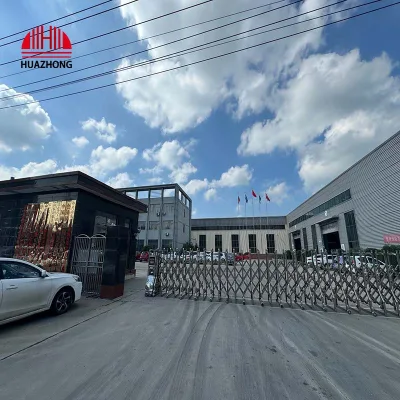


Steel Construction Light Steel Structure Steel Structure Workshop
$25.00 - $45.00
MOQ: 100 Square Meters


Numerous Customization Options Steel Workshop Light Steel Structure Steel Structure Workshop
$25.00 - $45.00
MOQ: 100 Square Meters


Warehouse/Steel Workshop Factory/Steel Frame/Steel Structure Workshop
$28.00 - $60.00
MOQ: 1000 Square Meters

Comprehensive Sourcing Guide
Steel Structure Workshop Sourcing Guide
Product Scope and Observed Listing Signals
The market for steel structure workshops presents a diverse array of prefabricated solutions, primarily characterized by H-section steel columns and beams designed for heavy-duty industrial use. Buyers will observe that these structures are typically classified as high-strength steel building components, often utilizing quality carbon structural steel and alloy structural steel grades such as Q235 and Q355. The observed product listings indicate a strong emphasis on hot-rolled steel forming processes, which provide the necessary structural integrity for large-span applications. These workshops are frequently marketed with customizable features, allowing for specific color schemes and tailored dimensions to meet unique site requirements.
Current listing signals reveal a wide variance in pricing and minimum order quantities, reflecting the custom nature of these projects. Prices observed in the market range significantly, indicating that costs are heavily influenced by material thickness, span width, and specific design complexities rather than being fixed commodity prices. Minimum order quantities also vary, suggesting that suppliers accommodate both small-scale modifications and large-scale industrial deployments. The presence of multiple product models, such as jedha-5177 and jedha-5796, alongside generic descriptors like "Steel Structure Workshop," highlights the need for buyers to look beyond generic titles and focus on specific technical parameters when evaluating potential suppliers.
Technical Specifications to Verify
When evaluating the structural integrity of a steel workshop, the primary focus must be on the main frame composition and the specific steel grades employed. Buyers should verify that the main frame utilizes hot-rolled or built-up H-sections made from verified Q235B or Q345b steel grades, as these materials offer the requisite tensile strength and durability for industrial environments. It is critical to confirm the connection forms, with bolt connections being a standard and reliable method for assembly that allows for easier maintenance and potential future modifications. Additionally, the bracing systems, which may include X-type, V-type, or other configurations, must be clearly specified to ensure lateral stability against wind and seismic forces.
Environmental resistance and load-bearing capacities are equally vital technical considerations that require explicit verification in supplier documentation. Buyers must ensure that the design accounts for maximum wind resistance, with some observed specifications citing capabilities up to 121+ mph, and roof loads exceeding 20 lbs per square foot to accommodate snow or maintenance traffic. The structural design should also address seismic loads, which are customizable based on the geographic location of the installation. Furthermore, the inclusion of specific components such as PVC rainspouts, steel foundation bolts, and concrete foundations with anchor bolts must be confirmed to ensure a complete and functional structural system that meets local engineering codes.
Compliance and Safety Documentation
Safety and regulatory compliance form the backbone of any successful steel structure procurement, requiring rigorous documentation from the supplier. Buyers should insist on proof of adherence to recognized standards, such as GB standards for domestic Chinese manufacturing or international equivalents like EN 1090 for execution of steel structures. While some listings may reference certifications like CE, ISO 9001, or ISO 14001, these should be treated as background indicators rather than guaranteed assurances without valid certificate copies. The primary focus should remain on the structural design drawings, which must be customized to the buyer’s specific demands and stamped by a licensed structural engineer to ensure legal compliance in the destination country.
Documentation must also cover the material traceability and surface treatment processes to guarantee long-term performance. Buyers should request mill test certificates for the Q235 and Q355 steel grades to verify chemical composition and mechanical properties. Additionally, the anti-corrosion treatments applied to the steel, whether through painting or galvanizing, must be documented with specific thickness and durability claims. The warranty terms, which vary from 10 to 50 years in observed listings, should be clearly defined in the contract, specifying what components are covered and under what conditions the warranty remains valid, thereby protecting the buyer against premature structural failure.
Cost Drivers and Commercial Terms
The cost of a Steel Structure Workshop is driven by several key variables, including the total tonnage of steel, the complexity of the design, and the specific material grades selected. Buyers should anticipate that prices will fluctuate based on the global steel market and the specific customization requirements, such as the inclusion of specialized roofing systems or enhanced wind resistance features. The observed price range of 20 to 1200 USD likely refers to per-square-meter or per-ton pricing models, which can be misleading without a detailed breakdown. Therefore, buyers must request a comprehensive quotation that separates material costs, fabrication fees, painting, and logistics to accurately compare offers from different suppliers.
Commercial terms and logistics planning are equally critical in determining the total landed cost of the project. Suppliers typically offer sea-worthy packing or standard export packages, which must be evaluated for their ability to protect the steel components during transit. Buyers should clarify whether the quoted price includes engineering services, such as the design of drawings and on-site installation instruction by engineers, as these services can significantly impact the overall budget. Additionally, the lead time for fabrication and shipping must be explicitly agreed upon, as delays in steel production can cascade into significant project delays, especially when considering the custom nature of the H-section beams and columns.
Supplier Qualification and Quality Control
Selecting a qualified supplier requires a thorough assessment of their manufacturing capabilities and quality control processes. Buyers should verify that the supplier has experience in producing hot-rolled H-section steel and can provide references for similar industrial projects, such as warehouses, textile processing facilities, or heavy industry plants. The ability to offer customization, including specific colors and structural modifications, is a strong indicator of a flexible and competent manufacturing partner. It is also advisable to request site visits or virtual tours of the production facility to observe the welding quality, cutting precision, and assembly processes firsthand.
Quality control measures should be integrated into the procurement process through third-party inspections and rigorous factory audits. Buyers should establish clear acceptance criteria for the steel components, including dimensional tolerances for H-sections and the quality of bolt connections. The use of standardized packing methods, such as standard export packages or customer-specific requirements, should be enforced to prevent damage during handling. Furthermore, the supplier’s ability to provide detailed installation instructions and support, including engineer assistance for on-site assembly, is a crucial factor in ensuring that the final structure meets the designed specifications and safety standards.
Long-Term Procurement Checks
Long-term procurement success depends on establishing a framework for ongoing maintenance and structural monitoring. Buyers should prioritize suppliers who offer extended warranties, with some observed terms reaching up to 50 years, indicating confidence in the product’s durability. The service life of the structure, often cited as more than 50 years, should be supported by regular maintenance schedules that include inspections of the anti-corrosion coatings and the integrity of the bolt connections. Buyers must also consider the recyclability of the steel structure, which aligns with sustainable building practices and can provide value at the end of the structure’s life.
Finally, buyers should maintain a comprehensive record of all design drawings, material certificates, and warranty documents for future reference and potential modifications. The ability to customize the structure for future expansions, such as adding additional bays or upgrading the roofing system, should be considered during the initial procurement phase. By focusing on high-quality materials like Q355 steel and robust design features such as earthquake resistance and high wind load capacity, buyers can ensure that their Steel Structure Workshop remains a reliable and efficient asset for decades to come. Regular engagement with the supplier for periodic inspections and maintenance advice will further extend the operational life of the facility.
FAQs
What materials are used for the Steel Structure Workshop?
The workshop uses Quality Carbon Structural Steel and Alloy Structural Steel, specifically grades Q235 and Q355. These materials ensure high strength and durability for the main frame and columns.
Can the Steel Structure Workshop be customized?
Yes, customization is available for the color, dimensions, and design drawings to meet specific demands. Buyers can request tailored specifications for the roof, walls, and overall structure layout.
What is the expected service life of the steel structure?
The product offers a service life of more than 50 years with proper maintenance. Some warranty options listed include coverage for 10, 15, or up to 50 years depending on the specific configuration.
How is the Steel Structure Workshop installed?
Installation is supported by engineers who help instruct the process on-site. The structure features bolt connections and comes with standard sea-worthy packing to ensure safe transport and assembly.
What types of loads can the workshop withstand?
The structure is designed to handle wind loads up to 121 mph, snow loads, and seismic loads. The maximum roof load capacity is rated at 20 pounds per square foot or higher.
Which standards does the Steel Structure Workshop meet?
The products comply with GB standards and utilize hot-rolled steel forming processes. Specific models may adhere to standard dimensions like 60x50x9 or 100x20x8 for various structural components.
Where are these steel structure workshops manufactured?
These workshops originate from China and are packed in standard export packages or custom requirements. The manufacturing process ensures recyclability and high intensity for industrial applications.