Source Stepless Shearbolt Cable Lug for Power Grids, Buildings, and Machinery
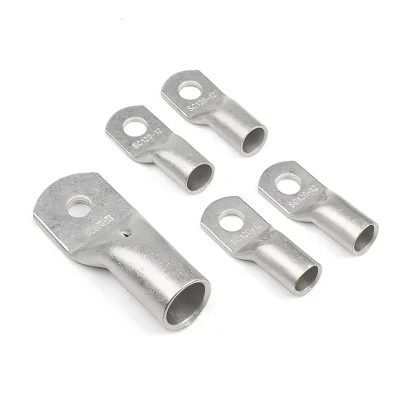
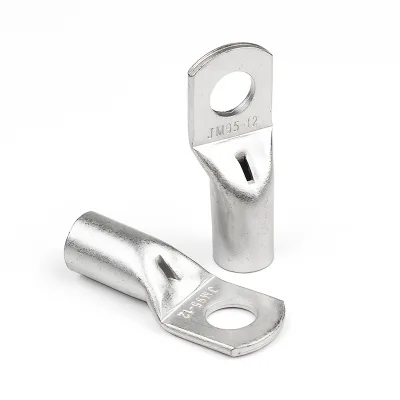
Find 30 Stepless Shearbolt Cable Lug options from verified Chinese manufacturers. Compare copper and steel models with welding or cold pressing processes for electrical transmission and signal applications in power grids, buildings, and machinery.
Key considerations
Products List


Shearbolt Crimping Wire Connector Aluminum Alloy Bolt Cable Lug with Bolt
$1.99 - $2.40
MOQ: 500 Pieces


High Quality Mechanical Terminal Shear Bolt Cable Lug Stepless Shear Bolt Connector
$0.86 - $1.50
MOQ: 1500 Pieces




Comprehensive Sourcing Guide
Strategic Sourcing Guide for Stepless Shearbolt Cable Lugs
The procurement of specialized electrical hardware, specifically stepless shearbolt cable lugs, requires a rigorous approach that balances technical precision with supply chain reliability. These components serve as critical junctions in high-voltage and heavy-current transmission systems, where the integrity of the connection directly impacts system safety and operational continuity. Unlike standard compression lugs, shearbolt variants utilize a specific mechanical release mechanism to ensure consistent torque application, preventing over-tightening that could damage the conductor or under-tightening that leads to thermal failure. For buyers operating in industrial, utility, or infrastructure sectors, understanding the nuanced specifications, material constraints, and verification protocols is essential for successful sourcing. This guide synthesizes available market data and technical requirements to provide a structured framework for evaluating potential suppliers and products.
Technical Specifications and Material Composition
The foundation of a reliable Stepless Shearbolt Cable Lug lies in its material composition and dimensional accuracy. The supplied product data indicates a diverse range of materials available in the current market, including Copper, Carbon Steel, and Stainless Steel. Copper remains the dominant choice for the terminal body itself due to its superior electrical conductivity, which is a primary attribute for products listed under "Conduct Electricity" and "Transmission of Electrical Signals." However, the hardware components, such as the bolts and nuts, often utilize Carbon Steel or Stainless Steel to provide the necessary tensile strength and corrosion resistance required for the shear mechanism.
Dimensional specifications are equally critical. The observed product standards highlight a wide range of cross-sectional areas, specifically noted as 16-800 Sqmm, which dictates the cable size compatibility. Buyers must verify that the selected lug matches the specific cable gauge of their application. Furthermore, the "Stepless" nature of the design implies a specific internal geometry that accommodates various cable diameters without the need for multiple lug sizes, though the exact internal dimensions must be confirmed against the cable's outer diameter. The "Eye dimensions" for certain models are observed to be standardized at 5/8" x 1 1/2" x 2", but this is not a universal constant. The production process often involves welding or cold pressing, with "Cold Pressing" noted as a specific technique for certain models, which can influence the grain structure and mechanical strength of the copper.
| Attribute Category | Observed Specifications | Verification Requirement |
|---|---|---|
| Primary Material | Copper, Carbon Steel, Stainless Steel | Confirm base metal grade for conductivity vs. strength balance. |
| Conductor Size | 16-800 Sqmm range | Match exact cable cross-section to lug rating. |
| Connection Type | Common Bolt, Shearbolt Mechanism | Verify bolt shear torque specifications for the specific model. |
| Surface Finish | Hot Galvanizing, Plain, Passivation | Ensure finish matches environmental exposure (e.g., outdoor vs. indoor). |
| Thread Type | Full Thread and Half Thread | Confirm thread pitch and length for bolt compatibility. |
Compliance and Certification Verification
Navigating the compliance landscape for electrical connectors is vital, as these components often operate in regulated environments. While the provided data lists several standards such as DIN, GB, ANSI, and Non-GB, it is crucial to distinguish between general standard references and specific certification statuses. The market data mentions "DIN, GB, ANSI" as standard references, indicating that suppliers may manufacture to these international or national specifications. However, buyers must not assume that a product labeled with a standard name automatically possesses a valid, current certification from an accredited body.
Specific certifications like ISO9001, CE, and RoHS are mentioned in the background context but are flagged as low-confidence for concrete claims. This means a supplier may claim compliance, but the buyer must request valid, up-to-date certificates for each specific batch or product line. The "Standard" attribute also lists "Customize," suggesting that many manufacturers offer bespoke solutions that may not adhere to a pre-existing international standard but are designed to meet specific project requirements. In such cases, the verification process shifts from checking a certificate to reviewing the engineering drawings and material test reports (MTRs) provided by the manufacturer.
Buyers should specifically verify the "Environmental Protection" attribute, which often correlates with RoHS compliance regarding hazardous substances. Additionally, the "Hot Galvanizing" finish implies adherence to specific corrosion resistance standards, which may vary by region. For applications in the "Chemical Industry" or "Building" sectors, the corrosion resistance of the chosen material (e.g., Stainless Steel vs. Galvanized Carbon Steel) must be validated against the specific environmental conditions of the installation site.
Cost Drivers and Pricing Dynamics
The pricing structure for stepless shearbolt cable lugs is influenced by a complex interplay of material costs, manufacturing complexity, and order volume. The observed price range in the market spans from $0.02 to $19.80 USD, a significant variance that reflects differences in material weight, size, and finish. The lower end of the spectrum likely corresponds to smaller, lighter components or those with simpler finishes, while the upper end represents larger, high-conductivity copper lugs with specialized coatings or custom engineering.
Material cost is the primary driver, with copper prices fluctuating based on global commodity markets. Since the core material is often copper, any spike in copper prices will directly impact the unit cost. The "Customization" attribute is available, which introduces a secondary cost factor. Custom orders often incur higher per-unit costs due to the setup time for molds or dies, as well as the potential for lower production efficiency compared to standard stock items.
Minimum Order Quantity (MOQ) is another critical cost driver. The observed MOQ range is 1 to 1500 units. Buyers seeking small quantities may face higher per-unit costs or specific handling fees, whereas bulk orders of 1500 units or more can leverage economies of scale to reduce the unit price. The "Free Sample" attribute suggests that buyers can test product quality before committing to a large order, which is a valuable risk mitigation strategy. However, the logistics costs for samples and the initial production run must be factored into the total cost of ownership. Packaging also plays a role; options range from "100PCS/Bag" to "Wood Case or Carton," with more robust packaging increasing the overall cost but ensuring better protection during transit.
Typical Applications and Operational Environments
Stepless shearbolt cable lugs are engineered for demanding applications where reliability is paramount. The data indicates usage in "Electric Pole Line," "Machinery," "Chemical Industry," and "Building" sectors. In utility applications, such as electric pole lines, the lugs must withstand harsh outdoor conditions, including UV exposure, temperature fluctuations, and potential moisture ingress. The "High Temperature Resistance" attribute is particularly relevant here, as electrical connections can generate significant heat under load, and the lug must maintain its structural integrity without deforming.
In industrial settings like the chemical industry, corrosion resistance is a primary concern. The availability of Stainless Steel and Hot Galvanized finishes directly addresses this need. The "Environmental Protection" attribute suggests that these products are designed to minimize environmental impact, which is increasingly important for large-scale infrastructure projects. For machinery applications, the "Conduct Electricity" and "Transmission of Electrical Signals" capabilities ensure efficient power transfer and signal integrity, preventing downtime caused by connection failures.
The "Single Hole Terminals" and "T-Connector" types listed in the data point to specific installation scenarios. Single hole terminals are typically used for point-to-point connections, while T-connectors allow for branching circuits. Buyers must ensure that the selected lug type matches the physical layout of their electrical system. The "Round" shape and "Hexagonal" head style are standard design features that facilitate tool engagement and installation, but the specific geometry must be compatible with the available installation tools and space constraints.
Supplier Evaluation and Production Capabilities
Evaluating a supplier for stepless shearbolt cable lugs requires a deep dive into their production capabilities and quality assurance processes. The "Production Process" of welding and "Cold Pressing" are key indicators of the manufacturing method. Cold pressing, in particular, is often associated with higher mechanical strength and better grain flow in copper components, making it a preferred method for high-reliability applications. Buyers should inquire about the specific machinery used and the experience level of the operators.
Geographic origin is another factor to consider. The data points to "China" and specifically "Hebei, China" as production origins. While this indicates a strong manufacturing hub, buyers should verify the specific factory's capacity and reputation. The "Delivery Time" of 7-25 days suggests a relatively agile supply chain, but this can vary based on order size and customization requirements. The "Lead Time" should be confirmed at the time of order placement, as delays in raw material procurement or production scheduling can impact project timelines.
Quality control is paramount. The "Condition: New" attribute is a baseline expectation, but buyers should request evidence of in-process quality checks. The "Export Standard Packing" and "Exportation Standard Package" indicate that the supplier is familiar with international shipping requirements, which is crucial for preventing damage during transit. Buyers should also assess the supplier's ability to handle "Customize" requests, as this requires flexibility in their production line and engineering support.
Quality Control and Long-Term Procurement Considerations
Ensuring the long-term reliability of stepless shearbolt cable lugs requires a robust quality control strategy. The "Surface" finish, whether "Plain," "Passivation," or "Galvanized," must be consistent and free from defects that could lead to premature corrosion or electrical resistance issues. Buyers should implement incoming inspection protocols that verify material composition, dimensional accuracy, and surface finish quality. The "Test Results" mentioned in the background context should be requested for every batch, particularly for critical applications where failure is not an option.
Long-term procurement considerations extend beyond the initial purchase. The "100PCS/Bag" or "Wood Case" packaging options affect storage and handling. Buyers should plan for adequate storage space to maintain the "New" condition of the products until installation. The "Customization" availability offers a strategic advantage for future projects, allowing for a consistent supply chain even as project requirements evolve. However, maintaining a relationship with a supplier who can provide consistent quality over time is essential.
Buyers should also consider the "Bi-Metal Lugs" and "Cable Lug" classifications, which may offer solutions for connecting dissimilar metals, reducing galvanic corrosion risks. The "Cable Accessories" and "Terminal Block" categories suggest that the supplier may offer a comprehensive range of related products, which can simplify the procurement process and ensure compatibility across the entire electrical system.
In conclusion, sourcing stepless shearbolt cable lugs requires a meticulous approach that prioritizes technical specifications, material integrity, and supplier reliability. By leveraging the observed data on materials, standards, and production processes, buyers can make informed decisions that ensure the safety and efficiency of their electrical infrastructure. The focus must remain on verifying claims against actual documentation and maintaining a clear understanding of the specific requirements of the application environment.
FAQs
What materials are used for stepless shearbolt cable lugs?
These lugs are primarily made from copper to ensure high electrical conductivity. Some variants also utilize carbon steel or stainless steel for hardware components like bolts to provide necessary tensile strength and corrosion resistance.
Which production processes are used for manufacturing these terminals?
Manufacturers typically employ welding and cold pressing techniques to produce these terminals. Cold pressing is often preferred for its ability to improve the grain structure and mechanical strength of the copper components.
How are these cable lugs packaged for export?
Standard packaging includes 100 pieces per bag or wood cases, cartons, and pallets depending on the order. Export standard packing is used to ensure safe transit, though custom packaging requests are also available.
Can buyers request customization for these electrical connectors?
Yes, customization is available for specifications, dimensions, and finishes to meet specific project needs. Buyers can request tailored solutions that may not adhere to pre-existing international standards but fit their engineering drawings.
What is the typical delivery time for these cable accessories?
The standard delivery time ranges from 7 to 25 days after order confirmation. This timeline can vary based on order volume, customization requirements, and current production capacity at the manufacturing facility.
Which standards do these cable lugs comply with?
Products often reference DIN, GB, and ANSI standards, though some are customized to Non-GB specifications. Buyers should verify specific compliance certificates as standard references do not automatically guarantee current certification status.