Source Cute Baby Cosmetic Jar for Skincare, Cream, and Balm
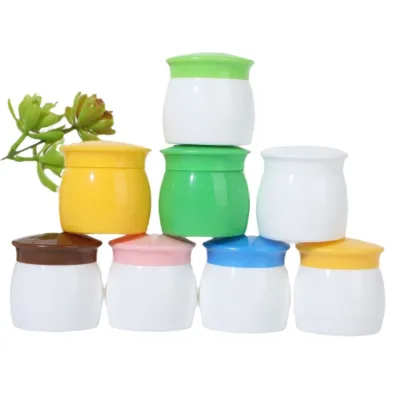
Find 30 options for a Cute Baby Cosmetic Jar suitable for face cream, lip balm, and personal care products. Compare PP plastic jars with custom logos, screen printing, and hot stamping from China-based factories offering OEM/ODM services and samples.
Key considerations
Products List





Comprehensive Sourcing Guide
Cute Baby Cosmetic Jar Sourcing Guide
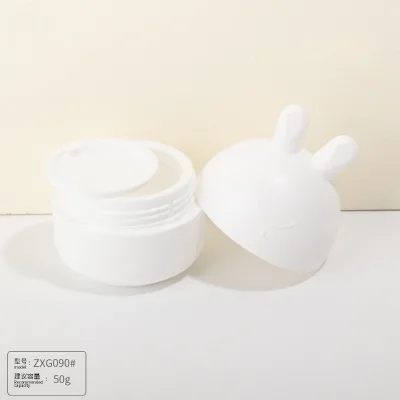
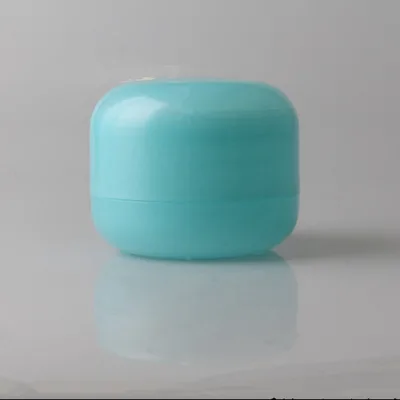
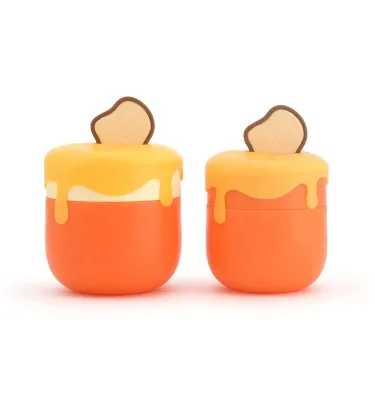
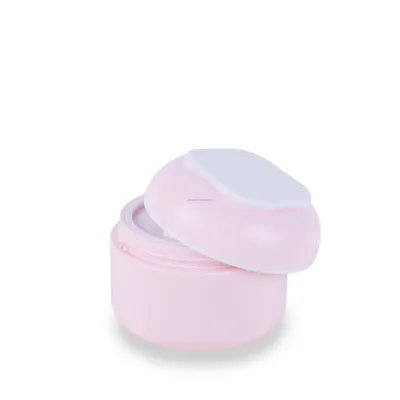
Sourcing cute baby cosmetic jars requires careful attention to material safety and design suitability for infant skincare products. The available market data indicates a strong presence of plastic jars, specifically made from PP (polypropylene), which are widely recognized for their durability and chemical resistance. Buyers should prioritize suppliers who explicitly state that their products are designed for face cream, skincare, and lip balm applications, ensuring the packaging aligns with the gentle nature of baby cosmetics.
When evaluating listings, procurement teams must verify that the "cute" aesthetic does not compromise the functional integrity of the container. Observed product attributes highlight customization options for logos and colors, allowing brands to create distinct visual identities. However, the primary focus must remain on the sealing mechanism, as many observed models utilize pump sprayers or specific sealing types that must be tested for leak-proof performance to prevent product contamination or waste during shipping and storage.
Product Scope and Observed Listing Signals
The current market landscape for these containers reveals a diverse range of volume capacities, with specific listings noting 30ml and 50ml options as standard sizes. These dimensions are particularly relevant for baby products where small, controlled dispensing is often necessary to maintain hygiene and prevent overuse. Buyers should note that while some listings mention "plastic colorful cosmetic jar" descriptions, the actual material composition is consistently identified as PP or general plastic, requiring verification of the specific polymer grade for food and cosmetic contact safety.
Listing signals also indicate a high degree of customization, with many suppliers offering screen printing, hot stamping, and spray treatments to achieve unique finishes. The observed single package size of approximately 8x8x6.5 cm suggests a compact footprint suitable for retail shelving and efficient logistics. However, buyers must be cautious of varying model numbers like CP-84 or LY-P-38, as these often denote different structural designs or lid mechanisms that may not be interchangeable across different product lines.
Technical Specifications to Verify
Verification of the sealing type is critical, as the observed data points to pump sprayers and various sealing mechanisms that must be rigorously tested for compatibility with viscous baby creams. The surface treatment options, including plating and screen printing, add aesthetic value but can introduce chemical interactions if the inks or coatings are not certified for cosmetic contact. Procurement teams should request detailed specifications on the adhesion of these treatments to ensure they do not flake or degrade when exposed to the specific pH levels of baby skincare formulations.
Material thickness and structural integrity are equally important, especially given the lightweight nature of the observed units with a single gross weight of 0.022 kg. While the lightweight design aids in shipping costs, it must not compromise the jar's ability to protect the contents from external contaminants or physical damage. Buyers should confirm that the PP material meets specific density and melt flow requirements to ensure the jar can withstand the filling process without cracking or deforming under pressure.
Compliance and Safety Documentation
Safety compliance is paramount when sourcing packaging for baby products, and buyers must demand documentation proving the materials are free from harmful substances. The observed listings mention certifications such as ISO, CE, and CIQ, which serve as indicators of a supplier's commitment to quality management and regulatory adherence. However, these certifications should be verified against the specific batch of products being ordered, as they may apply to the factory's general operations rather than the specific cosmetic jar model.
In addition to general certifications, specific standards for cosmetic packaging, such as ISO 22716, should be referenced to ensure the manufacturing environment meets hygiene requirements. Buyers should also check for eco-friendly claims, as some listings explicitly state the products are eco-friendly, which may influence brand positioning. It is essential to obtain test reports confirming that the plastic and any printed inks do not leach harmful chemicals into the product, ensuring the safety of the end-user.
Cost Drivers and Commercial Terms
The commercial landscape for these jars is characterized by significant variations in Minimum Order Quantities (MOQ), ranging from 100 to 30,000 pieces depending on the supplier and customization level. High-volume orders often benefit from lower unit costs, but the observed data suggests a standard MOQ of 10,000 pieces for many factory-direct suppliers. Buyers must carefully calculate the total landed cost, factoring in the lead time of 25 to 35 days after deposit and sample confirmation, which can impact inventory planning and cash flow.
Customization is a primary cost driver, with options for custom logos, colors, and surface treatments like hot stamping adding to the base price. While some suppliers offer free samples, the cost of custom tooling and setup fees can be substantial for small batches. Procurement teams should negotiate clear terms regarding sample availability and whether the sample cost is deductible from the final order, ensuring that the initial investment in design validation does not become a financial burden.
Supplier Qualification and Quality Control
Supplier qualification should focus on verifying the "Factory Provide directly" status to eliminate middleman markups and ensure direct communication regarding production issues. The observed data indicates that many suppliers are located in Yuyao, China, a known hub for plastic packaging, but buyers must confirm the specific factory capabilities and capacity to handle large orders without compromising quality. Establishing a direct relationship with the manufacturer allows for better oversight of the production process and faster resolution of any technical discrepancies.
Quality control protocols must be strictly enforced, particularly regarding the consistency of the sealing mechanism and the durability of the surface treatments. Buyers should implement a rigorous inspection plan that includes checking for defects in the plastic molding, verifying the accuracy of custom printing, and testing the seal integrity of a random sample from each batch. Given the short lead times and high customization, a pre-shipment inspection is essential to ensure the final product matches the approved sample and meets all specified requirements.
Long-Term Procurement Checks
Long-term procurement success relies on establishing a stable supply chain that can adapt to changing market demands and regulatory updates. Buyers should regularly review the supplier's ability to maintain consistent quality over multiple production runs, as variations in material batches or printing processes can affect the final product's appearance and safety. Building a relationship based on mutual trust and clear communication channels will help mitigate risks associated with supply chain disruptions or sudden changes in raw material costs.
Continuous monitoring of the product's performance in the market is also crucial, as feedback from end-users can reveal issues not apparent during initial testing. Buyers should track the durability of the jars during shipping and storage, ensuring that the packaging maintains its integrity over time. By maintaining a proactive approach to supplier management and quality assurance, companies can ensure a reliable supply of cute baby cosmetic jars that meet both aesthetic and functional standards for years to come.
FAQs
How many pieces are required as the minimum order for these jars?
The listed minimum order quantity is 10000pcs per item. Some variations on the category page show MOQ ranges extending from 100 up to 30000pcs, so the exact requirement depends on the specific model and customization level. Confirm the MOQ for your chosen jar size and decoration before placing a trial order.
What sizes and materials are available for the Cute Baby Cosmetic Jar?
The jars are offered in 30ml and 50ml volumes, made primarily from PP plastic, which is lightweight and durable for skincare and baby care packaging. PP is commonly chosen for face cream, skincare cream, and lip balm containers. Select the size based on your product fill weight and packaging line requirements.
Can the jars be customized with our own logo and brand colors?
Yes, customization is supported. Colors can be made custom, and logos are applied through screen printing, hot stamping, spray coating, or plating. Provide your artwork and brand color references so the factory can confirm the decoration method, possible finish effects, and any differences in cost or lead time between the options.
How long does production take after the order is confirmed?
Delivery typically takes 25 to 35 days after the deposit is received and the sample is confirmed. Actual timing can shift depending on the order quantity, the decoration processes chosen, and factory scheduling. Factor the sample approval stage into your planning, since production only starts once the confirmed sample is agreed upon.
Are samples available before committing to a bulk order?
Yes, samples are available, and some listings offer them freely. Sampling lets you check the jar's size, color, sealing, and print quality before mass production. Ask whether the sample is provided at no charge and confirm that the sample specification matches the final production version you intend to order.
What certifications or standards do the factories follow?
Listings reference standards such as SGS, and some suppliers note certifications including ISO, CE, and CIQ. Requirements vary by supplier and destination market, so request the specific certificates applicable to your order. If your market requires additional compliance for baby care packaging, discuss documentation before production begins.
Where are these cosmetic jars produced and how are they packed?
The jars come from suppliers based in Yuyao, China, a known hub for cosmetic packaging. Export packaging options include standard cartons, cardboard boxes, and export standard packing, with a single package size around 8X8X6.5 cm and gross weight near 0.022 kg. Confirm carton quantities and palletizing details with the supplier.
Which sealing and usage options suit baby care products?
Listed products include pump sprayer sealing types and jars intended for face cream, skincare cream, and lip balm. For baby care formulations, a secure closure helps prevent leakage during transport. Choose between jar formats for creams and balms or pump formats for lotions, then verify material compatibility with your formula.