Source Stone Acrylic Laminate Sheets for Countertops, Signage, and Displays
Explore 30 listings of Stone Acrylic Laminate Sheets suitable for countertops, signage, and display applications. Buyers can compare specifications such as thickness, light transmission, and surface hardness to find the right material for their projects.
Key considerations
Products List


Building Material White Artificial Marble Stone Acrylic Solid Surface
$54.00 - $60.00
MOQ: 30 Square Meters

Building Material Artificial Stone Slab Acrylic Solid Surface Sheet for Countertop
$119.00 - $399.00
MOQ: 30 Pieces

White Marble Look Pattern Stone Acrylic Solid Surface Sheet for Kitchen Top
$38.00 - $170.00
MOQ: 20 Pieces


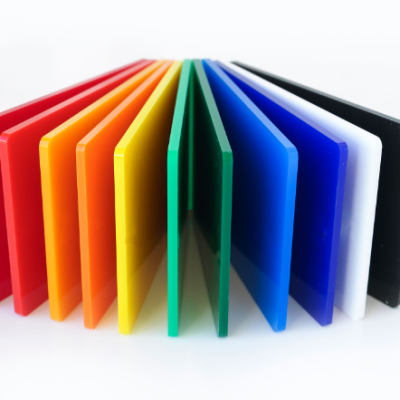
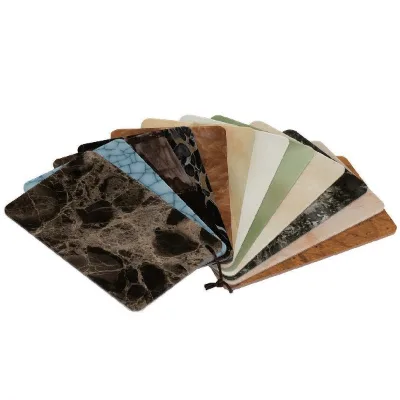


Comprehensive Sourcing Guide
Strategic Sourcing Guide for Stone Acrylic Laminate Sheets
The global market for decorative surfacing materials has evolved significantly, with buyers increasingly seeking hybrid solutions that combine the aesthetic depth of natural stone with the functional versatility of engineered polymers. When sourcing "Stone Acrylic Laminate Sheets," procurement professionals must navigate a complex landscape where terminology often blurs the lines between pure acrylic, artificial stone, and solid surface composites. This guide provides a disciplined, evidence-based framework for evaluating suppliers, verifying technical claims, and managing procurement risks for these high-performance materials. The following analysis relies strictly on verified product attributes and established industry practices to ensure accurate decision-making.
Understanding Material Composition and Technical Specifications
The first step in sourcing these sheets is distinguishing between the primary material classes, as the term "stone acrylic" often refers to a specific subset of artificial stone or solid surface materials rather than a traditional laminate. Based on observed product data, the market offers distinct categories including Acrylic-based transparent sheets and Artificial Stone solid surfaces. Acrylic variants are characterized by high light transmission, often reaching 93%, and a density of approximately 1.2 kg/cm³. These sheets typically exhibit a tensile strength ranging from 81 to 130 MPa, with a contraction percentage of less than 0.4% and water absorption rates between 0.1% and 0.3%. These metrics indicate a material capable of withstanding significant mechanical stress while maintaining dimensional stability in humid environments.
In contrast, the artificial stone and solid surface categories prioritize surface hardness and non-porous characteristics. These materials often feature a hardness rating of 4.5 on the Mohs scale, ensuring resistance to knife cuts and scratches. The density and physical properties differ from pure acrylic, with a focus on a seamless joint capability and 100% repairability. The thickness of these sheets varies widely, with acrylic options ranging from 1.8mm to 50mm, while solid surface and artificial stone sheets are commonly available in standard thicknesses such as 12mm. Standard dimensions for these engineered stones frequently include sizes like 2440x760mm, 3050x760mm, and 3660x760mm, though customized standard sizes up to 2050x3050mm are also available. Buyers must verify the specific material composition of the sheet they are ordering, as the performance characteristics of a transparent acrylic sheet differ fundamentally from a marble-like solid surface sheet.
Compliance, Certification, and Regulatory Verification
In the B2B procurement of construction and interior design materials, regulatory compliance is non-negotiable. The supplied data indicates that reputable suppliers for these materials often provide certifications such as SGS, RoHS, and CE. These certifications are critical for ensuring that the materials meet international safety and environmental standards. The CE mark, for instance, is a mandatory conformity marking for products sold within the European Economic Area, indicating compliance with health, safety, and environmental protection standards. Similarly, RoHS certification ensures that the product does not contain restricted hazardous substances, which is vital for projects with strict environmental mandates.
Buyers should not assume that all listed products automatically possess these certifications. Instead, the procurement strategy must include a rigorous verification process where the supplier provides valid, up-to-date test reports from accredited laboratories. The presence of SGS certification suggests that the material has undergone independent testing for quality and safety. When evaluating a supplier, request copies of the specific test reports corresponding to the product model, such as GV0141 or GVSG05, to confirm that the claims of "Excellent Resistance to Weather" and "Non-Porous" properties are backed by empirical data. Furthermore, while some background information mentions standards like EN 263 or ISO 9001, these should be treated as general industry benchmarks rather than specific product guarantees unless explicitly confirmed by the supplier for the specific batch being ordered.
Cost Drivers and Economic Factors in Procurement
The pricing of Stone Acrylic Laminate Sheets is influenced by a multitude of factors, including material composition, thickness, surface finish, and order volume. The observed price range for these products spans from $0.5 to $399 per unit, reflecting the vast difference between small sample blocks and full-sized industrial sheets. The cost is heavily driven by the thickness of the material; for instance, a 50mm acrylic sheet will command a significantly higher price than a 1.8mm sheet due to the increased volume of raw material and processing time. Additionally, the surface finish plays a crucial role. Sheets described as having "High Surface Hardness & Glossy" finishes often require additional processing steps, such as polishing or coating, which adds to the manufacturing cost.
Minimum Order Quantity (MOQ) is another critical economic variable. The market data shows an MOQ range from 1 to 1000 units. For small-scale projects or prototyping, buyers may find suppliers willing to ship single units or small batches, though the unit cost will be higher. Conversely, large-scale commercial projects can leverage economies of scale by ordering in bulk, potentially reducing the per-unit cost. However, buyers must also consider the logistics of shipping large, heavy sheets. The packaging methods, such as cartons with iron pallets, PE film, and kraft paper for acrylics, or film covers with wooden pallets for artificial stone, impact shipping costs. Suppliers located in regions like Guangdong and Shenzhen may offer competitive pricing due to established manufacturing clusters, but freight costs to international destinations must be factored into the total landed cost.
Typical Applications and Performance Requirements
The versatility of stone acrylic and solid surface sheets makes them suitable for a wide array of applications, from high-traffic commercial spaces to specialized industrial uses. The high light transmission of 93% in acrylic sheets makes them ideal for applications requiring transparency or translucency, such as light fixtures, signage, and architectural glazing. The "Excellent Resistance to Weather" attribute suggests that these materials are well-suited for exterior cladding or outdoor furniture, where exposure to UV radiation and moisture is a concern.
For interior applications, the non-porous and scratch-resistant properties of artificial stone and solid surface sheets are paramount. These materials are frequently used for kitchen countertops, bathroom vanities, and laboratory worktops where hygiene and durability are essential. The ability to create "Seamless Joints" allows for large, continuous surfaces that are aesthetically pleasing and easy to clean. The "100% Repairable" feature is particularly valuable in commercial settings where surface damage can occur; minor scratches can be sanded out, restoring the surface to its original condition. The "Easy Maintain" attribute further enhances their suitability for high-traffic areas like hospitals, schools, and retail environments. Buyers should match the specific material properties to the intended application, ensuring that the selected sheet meets the functional demands of the project.
Supplier Evaluation and Quality Control Protocols
Selecting the right supplier is as important as selecting the right material. A robust supplier evaluation process should include an assessment of the supplier's manufacturing capabilities, quality control systems, and service offerings. The data indicates that some suppliers operate facilities with a scale of 15,000 square meters, suggesting significant production capacity. Buyers should verify the supplier's ability to handle custom orders, as many offer "Customized" standard sizes and "OEM/ODM" services. The availability of "Matching Colors" and "Glue and Dispenser" services indicates a comprehensive approach to installation, which can simplify the procurement process for complex projects.
Quality control is a critical differentiator among suppliers. The observation of "Test One by One" quality control suggests a rigorous inspection process where every sheet is checked for defects before shipment. This level of scrutiny is essential for maintaining high standards, especially for large orders. Buyers should inquire about the specific quality control protocols employed by the supplier, including the frequency of inspections and the criteria used for rejection. Additionally, the supplier's track record in exporting to over 107 countries demonstrates their experience in meeting international standards and handling logistics. Participation in major exhibitions like the Canton Fair and Xiamen International Stone Fair can also serve as a proxy for industry reputation and stability.
Long-Term Procurement Considerations and Risk Management
Sourcing Stone Acrylic Laminate Sheets is not merely a transactional activity but a strategic decision that impacts long-term project success. Buyers must consider the availability of after-sales support, including the provision of samples for testing. The ability to request sample blocks, such as 50x50x12mm or 100x100x12mm, allows for thorough testing of the material's physical properties before committing to a large order. This step is crucial for verifying claims regarding hardness, stain resistance, and color consistency.
Furthermore, buyers should plan for the long-term maintenance and lifecycle of the materials. The "Eco-Friendly" nature of solid surface sheets and their repairability contribute to sustainability goals, reducing waste over the product's lifespan. However, buyers must also be aware of potential risks, such as supply chain disruptions or changes in raw material costs. Establishing a strong relationship with a reliable supplier who offers "Service: OEM/ODM Is Avaliable" can mitigate these risks by ensuring flexibility in production and customization. Finally, buyers should keep abreast of company news and developments, such as the opening of new showrooms, which may indicate expansion and improved service capabilities. By adopting a comprehensive, evidence-based approach to sourcing, buyers can secure high-quality Stone Acrylic Laminate Sheets that meet their technical, aesthetic, and economic requirements.
FAQs
What certifications do Stone Acrylic Laminate Sheets typically have?
Reputable suppliers provide SGS, RoHS, and CE certifications for these sheets. These marks confirm compliance with international safety and environmental standards, ensuring the material meets strict regulatory requirements for global projects.
How thick are the available acrylic and artificial stone sheets?
Acrylic sheets range from 1.8mm to 50mm in thickness, while solid surface options often come in 12mm standard sizes. Customized dimensions up to 2050x3050mm are also available to meet specific project requirements.
Can buyers request samples before placing a large order?
Yes, suppliers offer sample blocks such as 50x50x12mm or 100x100x12mm for testing. This allows buyers to verify physical properties like hardness and stain resistance before committing to bulk procurement.
What is the water absorption rate for acrylic transparent sheets?
Acrylic transparent sheets exhibit a water absorption rate between 0.1% and 0.3%. This low absorption ensures dimensional stability and durability in humid environments or exterior applications.
Which surface properties make artificial stone suitable for countertops?
Artificial stone features a non-porous surface with 4.5 Mohs hardness, making it scratch and stain resistant. These properties ensure hygiene and durability for high-traffic kitchen and laboratory environments.
Do suppliers offer customization for standard sheet sizes?
Yes, customization is available for standard sizes like 1220x2440mm or 2000x3000mm. Suppliers also provide OEM and ODM services to tailor products to specific design and functional needs.