Source Straight Jaw Locking Pliers for Crimping, Cutting, and Twisting
Find 30 straight jaw locking pliers designed for crimping, cutting, and twisting tasks. Compare models like MTE5306 and H108, featuring high carbon steel construction and customizable options for building decoration and industrial use; compare the available evidence and request quotations based on your requirements.
Key considerations
Products List


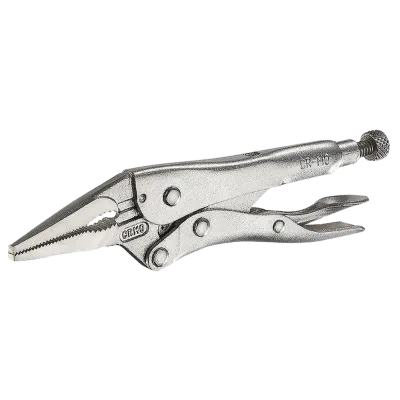
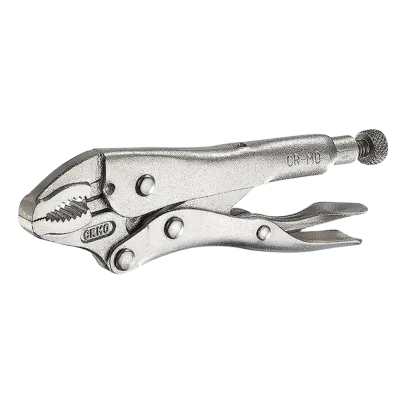
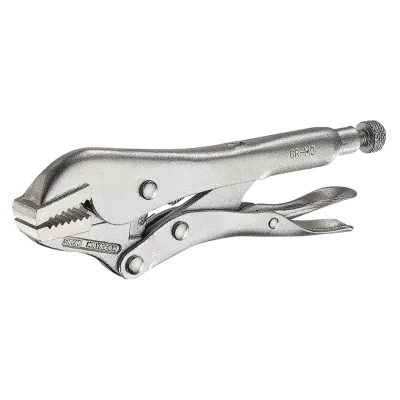
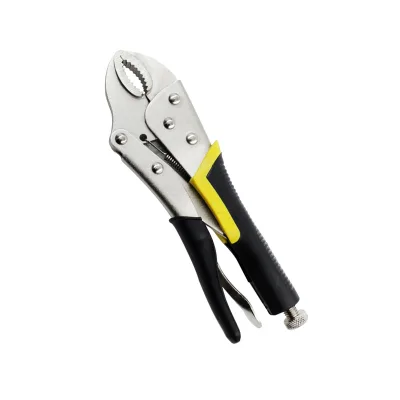
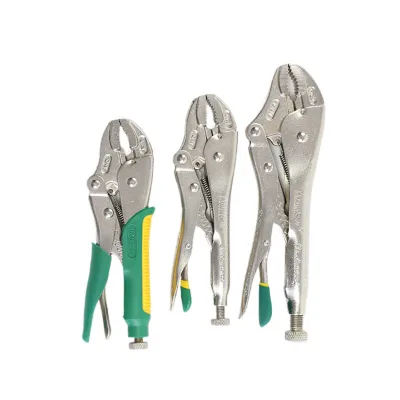


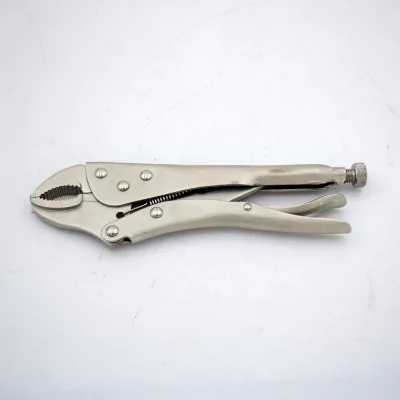


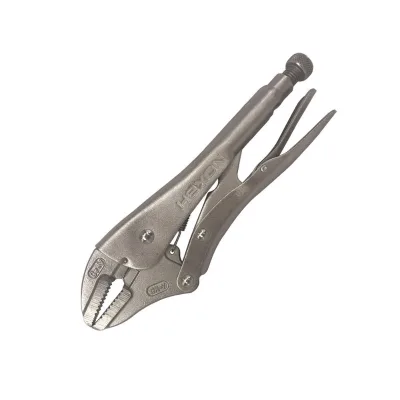
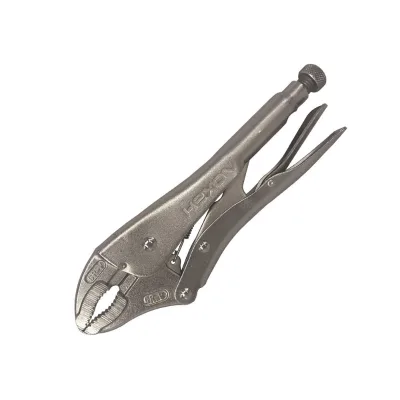
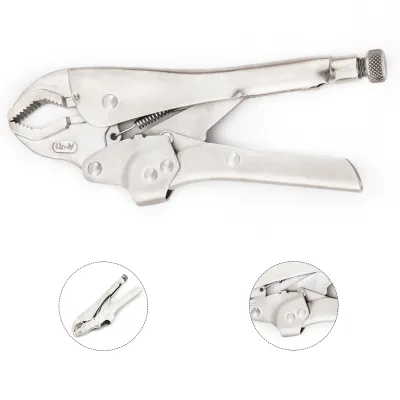
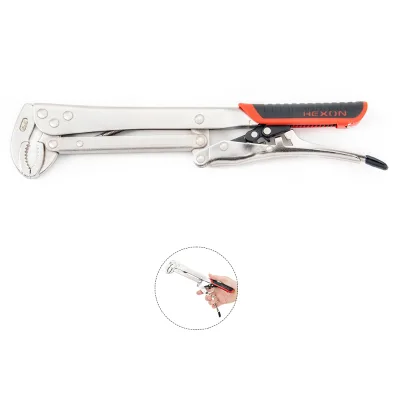
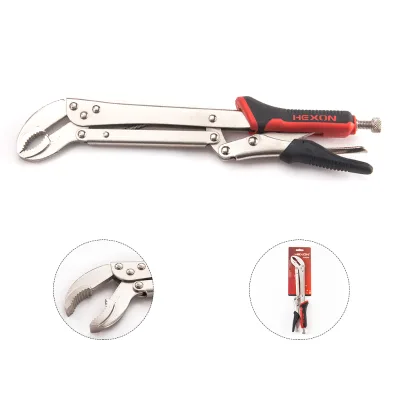
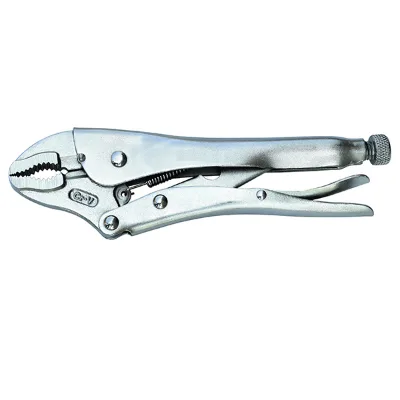


Comprehensive Sourcing Guide
Straight Jaw Locking Pliers Sourcing Guide
Buyers evaluating straight jaw locking pliers must first distinguish between general utility models and specialized variants like the MTE5306 or H108 series observed in current listings. These tools are primarily engineered for building decoration and multi-functional applications, featuring high carbon steel construction to ensure durability under heavy twisting and cutting loads. The straight shaft style is a critical observation for users requiring precise alignment in confined spaces, while the box joint or half-box joint structures provide the necessary leverage for secure clamping without slippage.
When assessing product scope, procurement teams should note that customization is widely available, allowing for specific handle colors ranging from metallic to pure or colorful finishes. The observed listings indicate a diverse range of models, including wire clippers and rubber-covered wrenches, which suggests a need to verify the exact functional intent before ordering. While some units offer blister card packing for retail, others arrive in cartons suitable for bulk industrial distribution, requiring clear specification of packaging needs to avoid logistical mismatches during the initial sourcing phase.
Product Scope and Observed Listing Signals
The market for straight jaw locking pliers presents a wide spectrum of functional capabilities, from simple locking mechanisms to complex multi-functional tools capable of both twisting and cutting operations. Buyers must carefully review the specific model numbers, such as MTE5303 or 231310, as these identifiers often correlate with distinct blade geometries like straight or rounded blades. The presence of features such as rubber-covered handles or customized logos indicates that suppliers are catering to both professional tradespeople and retail consumers who require specific ergonomic or branding solutions.
Procurement signals also reveal significant variation in standard sizing, with observed lengths ranging from 5 inches to 12 inches and specific metric equivalents like 125mm or 250mm. This variability necessitates a rigorous verification process to ensure the selected tool matches the intended application age and physical requirements of the end-user. The observed drop-forged technical specification suggests a manufacturing process that enhances material integrity, yet buyers should confirm that this attribute applies to the specific batch being sourced rather than assuming it is universal across all listed models.
Technical Specifications to Verify
Technical due diligence for straight jaw locking pliers requires a granular examination of the jaw geometry and the locking mechanism's structural integrity. Buyers should verify whether the product utilizes a box joint or half-box joint design, as this directly impacts the tool's ability to maintain a secure grip under high torque. The straight shaft style is a common attribute, but the specific length, whether 6 inches, 9 inches, or 10 inches, must be confirmed against the maximum opening capacity requirements of the intended task to prevent mechanical failure during operation.
Material composition is another critical verification point, with high carbon steel being the predominant material observed in the supply chain. This material choice is essential for maintaining edge retention and resistance to deformation during twisting and cutting performances. However, buyers must ensure that the specific model, such as the H108 or 232310, explicitly confirms this material grade, as variations in steel quality can significantly affect the tool's lifespan and safety profile in demanding industrial environments.
Compliance and Safety Documentation
Safety documentation for locking pliers often centers on the mechanical reliability of the locking mechanism and the structural soundness of the high carbon steel components. While specific certification names are not universally listed in the provided data, buyers should request evidence that the drop-forged manufacturing process meets established industry standards for hand tools. The presence of customized logos and OEM support suggests that suppliers are accustomed to meeting specific client requirements, which should include compliance with relevant safety standards for metalworking tools.
Buyers must also verify that the product origin, typically Zhejiang, China, aligns with the regulatory requirements of the destination market. Although specific test results are not provided in the current listings, the expectation of a "to be advised" maximum opening capacity implies that detailed performance data should be available upon request. Ensuring that the tool meets local safety regulations regarding sharp edges and locking stability is essential to mitigate liability risks associated with industrial or construction use.
Cost Drivers and Commercial Terms
Commercial terms for straight jaw locking pliers are heavily influenced by the minimum order quantity, which ranges significantly from 1 unit to 3000 pieces depending on the supplier and model. High-volume orders, such as those requiring 2400 or 3000 pieces, often unlock more favorable pricing structures, while smaller quantities may incur higher per-unit costs. The observed price range of 0.95 to 10 USD reflects this variability, with costs driven by factors such as customization, packaging type, and the complexity of the locking mechanism.
Customization options, including logo printing and specific handle colors, act as significant cost drivers that can alter the final commercial agreement. Buyers should negotiate clearly on whether these customizations are included in the base price or charged as an additional fee. Additionally, the choice between blister card and carton packing can impact shipping efficiency and overall costs, making it essential to align packaging specifications with the logistical capabilities of the supply chain to optimize the total landed cost.
Supplier Qualification and Quality Control
Supplier qualification for this category requires a thorough assessment of their manufacturing capabilities, particularly their experience with drop-forged high carbon steel production. The presence of OEM and ODM support indicates that suppliers are equipped to handle custom orders, but buyers must verify their quality control protocols to ensure consistency across batches. The observation of multiple model numbers suggests a diverse product line, so it is crucial to confirm that the supplier maintains strict quality standards for each specific variant they offer.
Quality control checks should focus on the structural integrity of the box joint and half-box joint designs, as well as the precision of the straight blade or rounded blade edges. Buyers should request sample units to test the locking performance and twisting capabilities before committing to large orders. Given the origin in Zhejiang, China, establishing a clear communication channel for quality assurance and addressing any potential defects in the initial production run is vital for maintaining product reliability and customer satisfaction.
Long-Term Procurement Checks
Long-term procurement strategies for straight jaw locking pliers should prioritize the stability of the supply chain and the consistency of product specifications over time. Buyers must establish a framework for regular quality audits to ensure that the high carbon steel and drop-forged attributes remain consistent across future production runs. The availability of customization support suggests a flexible partnership, but maintaining a clear record of approved samples and specifications is essential to prevent drift in product quality or design.
Sustainability and supply chain resilience are also critical considerations for long-term success. Buyers should monitor the supplier's ability to meet fluctuating demand, especially given the wide range of observed MOQs and lead times. By maintaining a relationship with suppliers who offer OEM and ODM services, buyers can adapt to market changes and ensure a steady supply of reliable straight jaw locking pliers that meet the evolving needs of their customers in the building decoration and industrial sectors.
FAQs
What materials are used for straight jaw locking pliers?
High carbon steel is the primary material used for manufacturing these tools. This composition ensures durability and resistance to wear during heavy-duty tasks. The metal provides the necessary strength for crimping and cutting functions. Users benefit from the robust construction which supports long-term industrial use without deformation.
Can these pliers be customized for specific branding needs?
Yes, customization is available for these locking pliers. Buyers can request customized logos to be applied to the tool handles or packaging. OEM and ODM support is welcome for tailored production runs. This flexibility allows businesses to maintain brand consistency across their tool inventory and marketing materials effectively.
What are the standard size options for these tools?
Common sizes include 7-inch and 10-inch models for locking pliers. Wire clippers are available in 8, 9, 10, 11, 12, and 13-inch lengths. Other variants feature lengths of 5, 7, and 10 inches. These dimensions cater to various grip capacities and application requirements for building decoration and general mechanical work.
How are these pliers packaged for shipment?
Packaging options include blister cards, carton boxes, and sliding blister cards. The specific packing method depends on the product model and order volume. Blister cards offer individual retail presentation, while cartons are used for bulk distribution. This variety ensures secure protection during transit and convenient storage for distributors and retailers.
What is the minimum order quantity for these pliers?
The minimum order quantity varies by product model, ranging from 1 to 3000 pieces. Specific models like the rubber-covered lock wrench require a minimum of 2400 or 3000 pieces. Other items may have lower MOQs starting at just one unit. Buyers should check specific model requirements to determine the exact threshold for their order.
Where are these straight jaw locking pliers manufactured?
These tools are manufactured in Zhejiang, China. The production facilities in this region are known for precision metalworking and tool manufacturing. The origin ensures access to established supply chains and skilled labor. Buyers sourcing from this location benefit from competitive pricing and reliable production capabilities for bulk orders.