Source Straight Trip Hydraulic Cylinder for Excavators, Machinery, and Equipment
Find and compare 30 Straight Trip Hydraulic Cylinder options from verified Chinese suppliers. Buyers can review specifications, materials like carbon steel and cast iron, certifications including CE and ISO9001, and delivery times ranging from 20 to 30 days for excavators and general machinery applications.
Key considerations
Products List

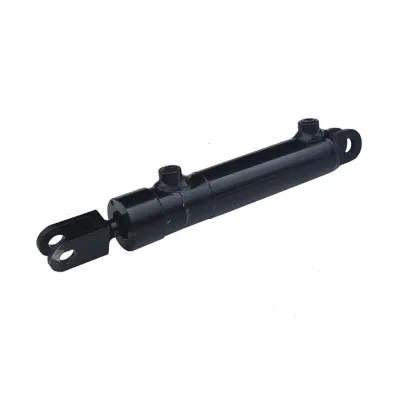
Straight Trip Hydraulic Press Cylinder for 10000tons Hydraulic Press
$12000.00 - $180000.00
MOQ: 1 Pieces



Comprehensive Sourcing Guide
Strategic Sourcing Guide for Straight Trip Hydraulic Cylinders
The procurement of straight trip hydraulic cylinders represents a critical decision point for buyers in the heavy machinery and construction sectors. These components are engineered specifically for applications requiring a linear, direct-acting motion without the complexity of articulated linkages, making them essential for excavators, shovels, and various industrial machinery. Sourcing these units requires a disciplined approach that balances technical performance, material integrity, and supply chain reliability. This guide outlines the essential factors for evaluating suppliers and products, ensuring that procurement decisions are grounded in verifiable data rather than marketing assertions.
Technical Specifications and Material Composition
When evaluating a Straight Trip Hydraulic Cylinder, the primary focus must be on the material composition and dimensional specifications that dictate durability and load-bearing capacity. The supplied market data indicates a diverse range of materials used in the construction of these units. The bearing seats are frequently manufactured from 40cr steel, a chromium-molybdenum alloy known for its high strength and toughness. For the bearing surfaces themselves, buyers should verify the specific alloy used, as the market offers options ranging from Babbitt and White Metal to SAE 11 Alloy and SAE 13 Alloy. Each material serves a distinct purpose in reducing friction and managing wear under heavy loads.
The housing material is equally critical for structural integrity. Observations from the current market show that housings are constructed from Cast Iron D1, Cast Steel Zg25, or Cast Steel Zg35. The choice between cast iron and cast steel often depends on the specific operating environment; cast steel generally offers superior impact resistance, which is vital for heavy-duty applications like rock bucket operations. Furthermore, the standard material for the cylinder body is often listed as Steel, with specific grades such as 42CrMoA appearing in high-performance contexts. This alloy provides excellent hardenability and tensile strength, essential for withstanding the high pressures generated during the straight trip mechanism's operation.
Buyers must also scrutinize the rod diameter and overall model specifications. While some listings indicate "na" for rod diameter, suggesting variable or custom configurations, others specify models such as "HL" or "ALL MODELS." The ability to customize the product is a significant factor, with many suppliers offering "Customized" or "Yes" for tailored dimensions. This flexibility allows procurement teams to match the cylinder exactly to the machinery's requirements, whether for a standard excavator bucket or a specialized shovel application.
Compliance, Certification, and Regulatory Standards
In the global machinery market, compliance with international standards is non-negotiable for ensuring safety and interoperability. The supplied data highlights several certifications that buyers should look for, including CE and ISO9001. The presence of CE marking indicates conformity with health, safety, and environmental protection standards for products sold within the European Economic Area. Similarly, ISO9001 certification demonstrates that the supplier adheres to a quality management system that ensures consistent product quality.
It is important to distinguish between general certification claims and specific standard codes. While some listings mention "ISOCE," this is likely a typographical variation or a specific internal code, and buyers should prioritize verified ISO9001 status. Additionally, the market data references the China GB Code (GB) as a relevant standard. When sourcing from Chinese manufacturers, verifying adherence to GB standards alongside international certifications ensures that the product meets both local regulatory requirements and global quality benchmarks.
Buyers should not assume that a listed certification applies to every unit in a supplier's catalog. Instead, they must request specific certification documents for the exact model being purchased. The condition of the product, often listed as "New," should be verified against these certifications to ensure that the unit has not been refurbished or altered in a way that voids its compliance status.
Cost Drivers and Pricing Dynamics
The pricing for straight trip hydraulic cylinders exhibits a wide variance, with observed ranges spanning from $3 to $180,000 USD. This extensive range reflects the diversity in product specifications, material quality, and customization levels. The lower end of the spectrum likely corresponds to smaller, standard components or accessories, while the higher end represents large, custom-engineered cylinders for heavy-duty excavators or specialized industrial machinery.
Several factors drive these costs. First, the material composition significantly impacts price. Cylinders utilizing high-grade alloys like 42CrMoA or specialized bearing materials such as SAE 13 Alloy will command a premium over those using standard carbon steel or basic white metal bearings. Second, the complexity of the housing, whether cast iron or cast steel, influences manufacturing costs. Third, the level of customization plays a major role. Units labeled as "Customized" or those requiring specific model adaptations often involve higher engineering and tooling costs, which are reflected in the final price.
Buyers must also consider the Minimum Order Quantity (MOQ), which ranges from 1 to 50 units. A lower MOQ of 1 allows for small-scale testing or replacement needs, while higher MOQs of 50 may offer economies of scale for large fleet operations. The selling unit is typically listed as a "Single item," but bulk purchasing agreements can alter the per-unit cost structure. Understanding these variables helps buyers budget accurately and negotiate effectively without compromising on quality.
Typical Applications and Operational Context
Straight trip hydraulic cylinders are predominantly utilized in heavy machinery where linear force is required for digging, lifting, or moving materials. The supplied data explicitly links these cylinders to excavators, specifically noting applications for rock buckets and shovel operations. The "Crawler Type" is identified as "Rubber Track," which is common in modern excavators for improved ground protection and mobility.
The "Working Method" is described as "Straight Trip," confirming the direct linear motion characteristic of these cylinders. This mechanism is ideal for applications requiring high force in a single direction, such as the bucket curling or boom lifting actions in an excavator. The "Application Field" is broadly defined as "All Equipments & Machines," suggesting versatility across various sectors, including construction, mining, and general machinery.
However, buyers should verify that the specific cylinder model matches the intended application. For instance, a cylinder designed for a rock bucket may have different stress tolerances compared to one intended for a standard shovel bucket. The "Product name" is consistently listed as "Hydraulic Cylinder," but the specific configuration, such as the "Excavator Bucket Type," must align with the machinery's operational demands. Ensuring this alignment prevents premature failure and ensures optimal performance in the field.
Supplier Evaluation and Geographic Considerations
The geographic origin of the supplier is a critical factor in the procurement process. The data indicates that manufacturers are located in various regions of China, including Changzhou, Hubei, Shanghai, Shanxi, and Zhejiang. Each region may have different industrial specializations and supply chain efficiencies. For example, Shanghai and Zhejiang are known for advanced manufacturing capabilities, while other regions may specialize in specific casting or forging processes.
When evaluating suppliers, buyers should verify the "Place of Origin" and "prod_origin" details to ensure transparency. The "Brand Name" "hongda" appears in the data, but buyers should not rely on a single brand. Instead, they should assess the supplier's overall reputation, production capacity, and ability to meet delivery timelines. The "Delivery Time" varies, with observed lead times of 20 days and 30 days. These timelines should be factored into the procurement schedule to avoid production delays.
Additionally, the "prod_packing" method, which includes Pallets, Cartons, and Wooden Cases, is an indicator of the supplier's attention to logistics and product protection. For heavy or delicate components, Wooden Cases or Steel Frames are often preferred to prevent damage during transit. Buyers should specify their packaging requirements to ensure the cylinders arrive in pristine condition.
Quality Control and Long-Term Procurement Strategy
Quality control is paramount when sourcing hydraulic cylinders, as failure can lead to costly downtime and safety hazards. The "Warranty" period of 1 Year is a standard offering, but buyers should investigate the scope of this warranty. Does it cover manufacturing defects, or does it exclude wear and tear? The "Condition: New" status should be confirmed through pre-shipment inspections to ensure the product is not refurbished or used.
For long-term procurement, buyers should establish a relationship with suppliers who offer consistent quality and reliable support. The "Customization" attribute is a key differentiator, allowing for tailored solutions that enhance machine performance. Buyers should prioritize suppliers who can provide detailed technical drawings and material certificates for each batch.
Finally, the "Standard" of the product, whether listed as "Steel" or "Customized," should be clearly defined in the purchase order. Ambiguity in standards can lead to mismatched components and operational issues. By maintaining a rigorous evaluation process and demanding transparency in specifications, certifications, and delivery terms, buyers can secure high-quality straight trip hydraulic cylinders that meet the demanding requirements of modern heavy machinery applications.
FAQs
What materials are used for the bearing seat in these cylinders?
The bearing seat is commonly manufactured from 40cr steel, which offers high strength and toughness. Some units also utilize specific alloys like SAE 11 or SAE 13 for the bearing surface to manage wear under heavy loads effectively.
Which certifications should I verify for a Straight Trip Hydraulic Cylinder?
Buyers should look for CE and ISO9001 certifications to ensure safety and quality management compliance. While some listings mention ISOCE, prioritizing verified ISO9001 status alongside China GB Code standards is essential for reliable procurement.
Can I find customized models for specific excavator bucket types?
Yes, customization is available for various applications including rock buckets and shovel operations. Suppliers offer tailored dimensions and models like HL or ALL MODELS to match specific machinery requirements and operational demands.
What is the typical delivery time for these hydraulic cylinders?
The delivery time typically ranges from 20 to 30 days depending on the supplier and order specifics. Buyers should confirm the exact lead time during the negotiation phase to avoid potential production delays.
How does the housing material affect the cylinder's durability?
Housings are constructed from Cast Iron D1 or Cast Steel Zg25 and Zg35 to ensure structural integrity. Cast steel generally offers superior impact resistance, which is vital for heavy-duty applications like rock bucket operations.
What is the minimum order quantity for purchasing these cylinders?
The minimum order quantity ranges from 1 to 50 units, allowing flexibility for small testing or bulk fleet operations. This range helps buyers budget accurately while negotiating per-unit costs based on volume.