Source Stranded Copper Earth Ground Wire for Auto, Industrial, and Railway
Find 30 listings for Stranded Copper Earth Ground Wire with options in PVC, rubber, or silicone insulation. Buyers can compare conductor sizes, voltage ratings, and customization features from verified suppliers in China.
Key considerations
Products List
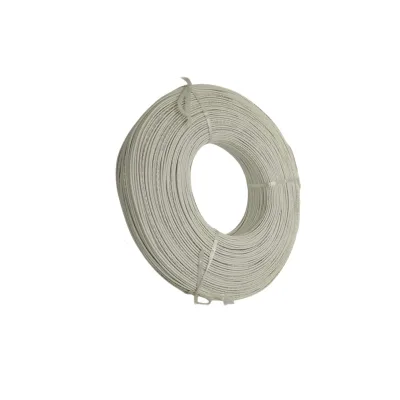

Bare Copper Wire for Electrical Earthing Grounding Copper Wire Conductor
$12000.00 - $12222.00
MOQ: 1000 Tons


Hot Sale 95mm Bare Conductor Stranded Earthing Copper Wire Electrical Cable
$0.30 - $1.00
MOQ: 10000 Meters


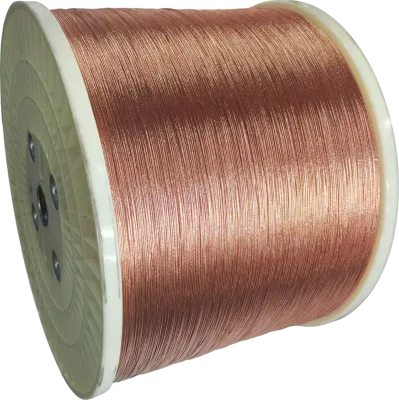


Comprehensive Sourcing Guide
Strategic Sourcing Guide for Stranded Copper Earth Ground Wire
Technical Specifications and Conductor Construction
When sourcing Stranded Copper Earth Ground Wire, the primary focus must be on the physical and electrical characteristics that ensure reliable grounding performance in diverse environments. The core component of this wire is the conductor material, which, based on available market data, is predominantly copper or bare copper. For earth grounding applications, the conductor type is frequently specified as stranded rather than solid. Stranded construction offers superior flexibility, allowing the wire to be routed through complex conduits and around structural obstacles without kinking or breaking. This flexibility is critical for maintaining the integrity of the ground connection during installation and over the lifecycle of the infrastructure.
The cross-sectional area of the conductor is a decisive factor in its current-carrying capacity and resistance to fault currents. The market offers a wide range of single wire sizes, including metric measurements such as 0.1 mm, 0.2 mm, up to 3.0 mm, and American Wire Gauge (AWG) sizes ranging from 2 AWG to 24 AWG. For heavy-duty earth grounding, larger gauges like 2 AWG, 4 AWG, 6 AWG, and 8 AWG are typically required to handle high fault currents without overheating. The insulation material also varies significantly; while bare copper is common for direct burial or overhead applications, insulated variants utilize materials such as PVC, Rubber, Silicone, XLPE, PE, FEP, or PTFE. The choice of insulation depends on the operating environment, with XLPE and Silicone often preferred for their thermal stability and resistance to environmental degradation.
The shape of the wire is another specification to verify. While round wire is the standard for most general-purpose grounding, flat wire options are available for specific applications where space constraints or electromagnetic interference (EMI) shielding are concerns. The rated voltage for these wires spans a broad spectrum, including 12 V, 24 V, 300 V, 450 V, 600 V, and 750 V. Selecting a wire with a voltage rating exceeding the system's maximum operating voltage is a fundamental safety requirement. Furthermore, the temperature rating must align with the ambient conditions of the installation site, with observed ranges extending from -20 °C to 100 °C.
Compliance, Certification, and Regulatory Standards
Verifying compliance with international and regional standards is non-negotiable when procuring grounding wire. The supply chain for Stranded Copper Earth Ground Wire often includes certifications such as VDE, RoHS, CCC, CE, and ISO. These certifications indicate that the product has undergone rigorous testing for safety, environmental impact, and quality management. For instance, RoHS compliance ensures the absence of hazardous substances, which is crucial for electronic equipment grounding and medical applications. The CCC mark is specific to the Chinese market, while CE denotes conformity with health, safety, and environmental protection standards for products sold within the European Economic Area.
Beyond general certifications, specific industry standards govern the manufacturing and performance of grounding conductors. Buyers should look for adherence to standards such as ASTM, BS, and NFC, which define the mechanical and electrical properties of copper conductors. The supply data indicates that some products are manufactured to customizable standards, while others adhere to fixed specifications like "100" or specific model numbers like "TJ" and "TJ-25." It is essential to request the specific standard documentation for any lot of wire to ensure it matches the engineering requirements of the project.
The certification status must be verified against the intended application. For example, wires used in railway or medical equipment applications may require stricter certification protocols than those used for general industrial overhead lines. The presence of a "Warranty: 100% Qualified" claim suggests a manufacturer's confidence in their quality control, but this should be backed by third-party test reports. Buyers must ensure that the certification is current and applicable to the specific batch of goods being purchased, as certifications can be revoked or updated without immediate notice to the market.
Cost Drivers and Pricing Dynamics
The cost of Stranded Copper Earth Ground Wire is influenced by several interconnected factors, with the raw material price of copper being the most volatile. Since the conductor material is explicitly listed as copper or bare copper, the global market price of copper directly impacts the unit cost. The price range observed in the market is extensive, spanning from $0.08 to $12,222. This wide variance is not indicative of a single product type but rather reflects differences in wire length, gauge, insulation complexity, and order volume. A small spool of 0.1 mm insulated wire will naturally cost significantly less than a large drum of 2 AWG bare copper cable intended for high-voltage transmission.
Minimum Order Quantity (MOQ) is another critical cost driver. The observed MOQ range is from 1 unit to 10,000 units. For small-scale projects or prototyping, buyers may find suppliers with low MOQs, though the per-unit cost will be higher. Conversely, large industrial projects can leverage economies of scale by ordering in bulk, potentially reducing the cost per meter. The selling unit is typically listed as a "Single item," which can refer to a spool, a drum, or a specific length package. Understanding the packaging format is vital for budgeting, as shipping costs for heavy copper wire can be substantial if not consolidated into drums.
Other factors influencing cost include the customization level. Customized insulation materials, specific colors, or unique conductor constructions will incur additional tooling and production costs. The place of origin, primarily Guangdong, China, and Shanghai, suggests a competitive manufacturing base, but logistics costs from these locations to the final destination must be factored into the total landed cost. Buyers should also consider the lead time associated with customized orders, as these may extend beyond standard production cycles.
Typical Applications and Environmental Suitability
Stranded Copper Earth Ground Wire is versatile and serves a multitude of applications across various industries. The data indicates usage in automotive, underground, transformer, industrial, computer, electronics, railway, power, cable, medical equipment, electric appliance, motor winding, overhead, and heated systems. In the automotive sector, the wire's flexibility and resistance to vibration make it ideal for grounding engine components and chassis. For underground applications, the wire must be protected against moisture and chemical corrosion, often requiring robust insulation materials like PVC or XLPE.
Overhead applications demand wires with high resistance to weather conditions, UV exposure, and mechanical stress. The supply data explicitly mentions "Weather" resistance and "Lightweight" construction as key attributes for certain products, which are essential for overhead lines that span long distances. In industrial and power distribution settings, the wire must handle high fault currents and operate reliably in harsh environments. The temperature range of -20 °C to 100 °C covers most standard industrial applications, but extreme environments may require specialized insulation.
The shape of the wire also dictates its application. Flat wire is often used in electronic devices where space is limited, while round wire is standard for power distribution. The number of cores can vary from 1-core to 64-core, allowing for complex grounding networks in large facilities. For medical equipment, the wire must meet strict safety standards to prevent electrical shock hazards. The ability to customize the color (black, red, green, blue, white, yellow, orange, purple) is particularly useful for identifying different ground paths in complex electrical systems, ensuring safety and ease of maintenance.
Supplier Evaluation and Geographic Considerations
Evaluating suppliers requires a careful analysis of their location, production capabilities, and reputation. The primary places of origin for these products are Guangdong and Shanghai, China. These regions are known for their robust manufacturing infrastructure and supply chain efficiency. However, buyers should verify the specific factory location, as "Guangdong, China" is a broad region. A supplier located in a specific industrial zone may offer better logistics and quality control than a general trading company.
When assessing a supplier, buyers should look for evidence of their ability to meet the specific technical requirements of the project. The availability of customization is a strong indicator of a supplier's flexibility. The data shows that customization is available for conductor type, insulation material, diameter, and color. This flexibility allows buyers to tailor the wire to their exact needs. However, customization often comes with higher MOQs and longer lead times, so buyers must balance their requirements with their project timeline.
Supplier reliability can be gauged by their certification portfolio and warranty terms. A supplier offering a "100% Qualified" warranty demonstrates confidence in their product quality. Buyers should also check for ISO certification, which indicates a commitment to quality management systems. It is crucial to avoid suppliers who cannot provide clear documentation of their certifications or who make vague claims about their standards. The absence of specific supplier names in the data means buyers must conduct their own due diligence, requesting samples, test reports, and references from previous clients.
Quality Control and Long-Term Procurement Strategy
Implementing a robust quality control (QC) strategy is essential to ensure the long-term reliability of Stranded Copper Earth Ground Wire. QC should begin at the raw material stage, verifying that the copper is of high purity and free from contaminants. The conductor material should be tested for conductivity and tensile strength to ensure it meets the specified standards. For insulated wires, the insulation thickness and dielectric strength must be verified to prevent electrical breakdown.
During the manufacturing process, regular inspections should be conducted to check for defects such as broken strands, uneven insulation, or incorrect coloring. The "Low Maintenance" attribute of the wire suggests that high-quality products should require minimal intervention once installed, but this can only be achieved through rigorous QC. Buyers should consider implementing a third-party inspection service for large orders to verify that the delivered goods match the agreed-upon specifications.
Long-term procurement considerations involve building a relationship with a reliable supplier who can provide consistent quality over time. The "Customizable" nature of the product means that a supplier should be able to adapt to changing project requirements. Buyers should also consider the lifecycle cost of the wire, not just the initial purchase price. A wire with a higher initial cost but superior insulation and corrosion resistance may prove more economical over the long term by reducing maintenance and replacement costs.
To ensure continuity of supply, buyers should maintain a diversified supplier base. Relying on a single source can be risky, especially given the volatility of copper prices and potential supply chain disruptions. Establishing contracts with multiple suppliers in different regions can mitigate these risks. Additionally, buyers should stay informed about changes in industry standards and regulations to ensure that their procurement strategy remains compliant and effective. By focusing on technical specifications, compliance, cost drivers, and quality control, buyers can secure high-quality Stranded Copper Earth Ground Wire that meets the demands of their specific applications.
Comparative Analysis of Wire Configurations
To assist buyers in making informed decisions, the following table compares common configurations of Stranded Copper Earth Ground Wire based on the observed market data. This comparison highlights the trade-offs between different specifications to help align procurement choices with project needs.
| Feature | Configuration A (General Purpose) | Configuration B (Heavy Duty) | Configuration C (Specialized) |
|---|---|---|---|
| Conductor Material | Copper | Bare Copper | Pure Copper |
| Conductor Type | Stranded | Stranded | Stranded |
| Insulation Material | PVC, Rubber | None (Bare) | Silicone, XLPE |
| Typical Diameter | 0.5 mm - 2.5 mm | 2.0 mm - 3.0 mm | 0.1 mm - 1.5 mm |
| Rated Voltage | 300 V - 600 V | N/A (Bare) | 12 V - 750 V |
| Primary Application | Industrial, Electronics | Overhead, Underground | Medical, Automotive |
| Certification | VDE, RoHS, CCC | ASTM, BS | CE, ISO |
| MOQ Range | 1 - 1000 m | 1000 m | 1 - 500 m |
| Temperature Range | 0 °C ~ 50 °C | -20 °C ~ 100 °C | -20 °C ~ 100 °C |
| Color Options | Black, Red, Green | Copper (Natural) | Customized |
This table illustrates that while all configurations share the core attribute of being stranded copper, their specific applications and requirements vary significantly. Configuration A is suitable for general industrial use where insulation is required. Configuration B, being bare, is ideal for overhead or direct burial where flexibility and conductivity are paramount. Configuration C, with specialized insulation and low voltage ratings, is tailored for sensitive equipment like medical devices or automotive systems. Buyers must carefully evaluate these differences to select the optimal wire for their specific grounding needs.
FAQs
What conductor materials are available for Stranded Copper Earth Ground Wire?
Copper and bare copper are the primary conductor materials available for this wire type. Some options also include aluminum or customized materials to meet specific project requirements.
Which insulation materials can be used for these grounding wires?
Insulation options include PVC, rubber, silicone, XLPE, PE, FEP, and PTFE. Buyers can also request customized insulation materials depending on the application environment.
How flexible are the stranded copper wire options for installation?
Stranded construction offers superior flexibility for routing through complex conduits. This design prevents kinking and ensures integrity during installation in automotive, underground, or overhead settings.
What certifications should I look for when sourcing this wire?
Common certifications include VDE, RoHS, CCC, CE, and ISO. These marks verify safety, environmental compliance, and quality management standards required for industrial and medical applications.
Can I customize the wire color and shape for my project?
Yes, customization is available for colors like black, red, green, and blue. Buyers can also select round or flat wire shapes to fit specific space or interference constraints.
What is the typical price range for Stranded Copper Earth Ground Wire?
The observed price range spans from 0.08 to 12222 USD depending on specifications. Costs vary significantly based on wire gauge, length, insulation type, and order volume.
Which locations are the primary sources for these copper wires?
The main places of origin are Guangdong and Shanghai in China. These regions offer robust manufacturing infrastructure and supply chain efficiency for bulk procurement needs.