Source Striped Cosmetic Bag for Travel, Camping, and Household Use
Compare 30 listings for Striped Cosmetic Bag options featuring materials like polyester, PU, and PVC. Buyers can evaluate customization, waterproofing, and sizes for camping, travel, and household applications from Guangzhou suppliers.
Key considerations
Products List


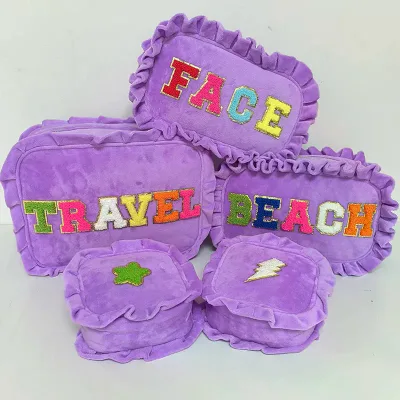


Hot Sale Colorful Storage Pouch Stripe Canvas Makeup Cosmetic Bag for Travel
$1.98 - $2.65
MOQ: 500 Pieces



Comprehensive Sourcing Guide
Striped Cosmetic Bag Sourcing Guide
Sourcing striped cosmetic bags requires a nuanced understanding of material properties, manufacturing capabilities, and compliance standards that vary significantly across global suppliers. While the visual appeal of striped patterns is a primary driver for consumer selection, the underlying structural integrity and material safety are critical for B2B buyers ensuring product longevity and regulatory adherence. This guide synthesizes observed market data and trusted category knowledge to help procurement professionals navigate the complexities of sourcing these specific storage solutions. By focusing on verified attributes such as material composition, customization options, and supplier qualifications, buyers can mitigate risks associated with quality inconsistencies and supply chain disruptions.
The following sections provide a structured approach to evaluating potential suppliers and products. We will examine the observed product scope, technical specifications, compliance requirements, cost drivers, supplier qualifications, and long-term procurement checks. Each section is designed to offer actionable insights based on the provided facts, ensuring that decisions are grounded in evidence rather than assumption. This disciplined approach allows buyers to build a robust sourcing strategy that aligns with their brand’s quality standards and market demands.
Product Scope and Observed Listing Signals
The current market landscape for cosmetic bags reveals a diverse range of materials and designs, with polyester, PU, and PVC being the most commonly observed materials in supplier listings. Polyester options often emphasize durability and a medium-soft hardness, making them suitable for everyday use and travel, while PU and PVC variants frequently highlight waterproof characteristics and fashion-forward aesthetics. Buyers should note that while striped patterns are a popular design element, the specific material choice significantly impacts the bag’s functionality, such as its water resistance and ease of cleaning. Understanding these material distinctions is crucial for aligning product selection with target customer preferences and usage scenarios.
Customization is a prevalent feature across many listings, with suppliers offering OEM services and tailored sizes to meet specific brand requirements. The observed data indicates that many manufacturers support customized sizes and packaging, allowing buyers to create unique product identities. However, it is essential to verify the extent of customization available, as some suppliers may have limitations on pattern complexity or color matching. Additionally, the presence of specific product models, such as FYFFC-090 or FLY0040, suggests that suppliers may have established base designs that can be modified, providing a balance between standardization and personalization.
Technical Specifications to Verify
When evaluating technical specifications, buyers must prioritize the verification of material composition, dimensions, and structural features. The observed listings highlight various shapes, including dumpling types and horizontal squares, which influence the bag’s capacity and aesthetic appeal. It is crucial to confirm the exact dimensions, as some suppliers offer standardized sizes like 9.15.96.3 inches, while others provide fully customizable options. Buyers should request detailed technical drawings or samples to ensure that the specified dimensions align with their packaging and retail requirements, avoiding potential issues with shelf space or consumer usability.
Zipper quality and closure mechanisms are another critical aspect of technical verification. Many observed products feature single-open zippers, which are common for cosmetic bags, but the durability and smoothness of these zippers can vary significantly between suppliers. Buyers should inquire about the zipper brand and material, as well as the testing procedures used to ensure longevity. Additionally, the waterproof rating of the material should be confirmed, especially for products marketed for travel or outdoor use. Verifying these technical details through sample testing or supplier documentation is essential to prevent post-purchase complaints and returns.
Compliance and Safety Documentation
Compliance with international safety and environmental standards is non-negotiable for cosmetic bags, particularly those intended for the European and American markets. Suppliers in Guangzhou, China, often cite certifications such as BSCI, ISO9001, and SGS, which indicate adherence to social responsibility, quality management, and general testing standards. However, buyers must verify the validity and scope of these certifications, ensuring they cover the specific materials and manufacturing processes used for the cosmetic bags. For products made from PVC or PU, additional checks for restricted substances, such as phthalates or heavy metals, are necessary to comply with regulations like REACH or CPSIA.
Environmental and chemical safety standards, such as CE and ROHS, are also relevant for certain materials and components. Buyers should request test reports from accredited laboratories to confirm that the products meet these standards, particularly if the bags are intended for use by children or in regions with strict chemical regulations. It is important to note that while some suppliers may claim compliance, the burden of proof lies with the buyer to obtain and review the actual test data. Establishing a clear requirement for compliance documentation in the initial supplier communication can streamline the vetting process and reduce the risk of non-compliant products entering the supply chain.
Cost Drivers and Commercial Terms
The cost of striped cosmetic bags is influenced by several factors, including material type, customization complexity, and order volume. Observed price ranges vary widely, reflecting differences in material quality and production methods. Buyers should be aware that lower prices may correlate with reduced material durability or less stringent quality control measures. Additionally, the MOQ (Minimum Order Quantity) can significantly impact the unit cost, with higher volumes typically resulting in lower prices. Understanding the relationship between MOQ and pricing is essential for budgeting and negotiating favorable terms with suppliers.
Lead times and payment terms are also critical commercial considerations. Observed lead times range from 10 to 25 days, depending on the order size and customization requirements. Buyers should factor in these lead times when planning inventory and product launches to avoid stockouts or delays. Sample times, which can range from 2 to 5 days, should also be considered in the overall timeline. Negotiating clear payment terms, such as a deposit followed by balance upon shipment, can help manage cash flow and mitigate financial risk. It is advisable to establish a comprehensive commercial agreement that outlines all costs, timelines, and responsibilities to ensure a smooth transaction.
Supplier Qualification and Quality Control
Supplier qualification is a vital step in ensuring the reliability and consistency of Striped Cosmetic Bag supplies. Buyers should assess the supplier’s production capacity, workforce size, and quality control processes. For instance, some suppliers may have a substantial number of employees and QC staff, indicating a robust infrastructure for managing large orders and maintaining quality standards. Verifying the supplier’s establishment date and market reach can also provide insights into their experience and stability. Suppliers with a long history and a diverse market presence, such as those exporting to Japan, Europe, and America, may offer greater reliability and adaptability to changing market demands.
Quality control procedures should be thoroughly reviewed to ensure that they align with the buyer’s expectations. Buyers should inquire about the specific QC steps taken during production, such as material inspection, in-process checks, and final product testing. Requesting a copy of the supplier’s QC manual or observing a production audit can provide valuable insights into their quality management system. Additionally, establishing a clear communication channel for addressing quality issues and implementing corrective actions is essential for maintaining product standards. Building a strong relationship with the supplier based on transparency and mutual trust can enhance the overall sourcing experience.
Long-Term Procurement Checks
Long-term procurement success depends on continuous monitoring and evaluation of supplier performance. Buyers should establish key performance indicators (KPIs) to track metrics such as on-time delivery, product quality, and responsiveness to issues. Regular audits and performance reviews can help identify areas for improvement and ensure that the supplier remains aligned with the buyer’s standards. Additionally, maintaining a diversified supplier base can mitigate risks associated with single-source dependencies, providing flexibility in case of supply chain disruptions or quality issues.
Staying informed about industry trends and regulatory changes is also crucial for long-term procurement. Buyers should regularly update their knowledge of material safety standards, environmental regulations, and consumer preferences to ensure that their product offerings remain competitive and compliant. Engaging with industry associations and attending trade shows can provide valuable insights and networking opportunities. By adopting a proactive and disciplined approach to supplier management, buyers can build a resilient and efficient sourcing strategy that supports their business growth and customer satisfaction.
FAQs
What materials are used for striped cosmetic bags?
The bags are made from Polyester, PU, and PVC materials. These options provide durability and waterproof features suitable for camping, traveling, and household use.
Can I get custom sizes for these cosmetic bags?
Yes, customized sizes are available for these products. Buyers can request specific dimensions like 9.1*5.9*6.3 inches or other tailored measurements to fit their needs.
Which certifications do the manufacturers hold?
The suppliers hold BSCI, ISO9001, and SGS certifications. These standards ensure quality control and compliance with international safety and management requirements for the products.
How long is the lead time for orders?
The lead time ranges from 10 to 25 days for production. Sample preparation typically takes 2 to 5 days before the main manufacturing process begins.
What is the minimum order quantity for these bags?
The minimum order quantity varies, with some items requiring 1000 pieces. Other listings show a range from zero to 6000 units depending on the specific product model.
Where are these cosmetic bags manufactured?
The products originate from Guangzhou, China. This location serves as the primary production hub for the factories supplying these cosmetic and travel bags.