Source Striped Cotton Leg Warmers for Daily Wear, Party, and Cold Weather
Explore 30 listings of Striped Cotton Leg Warmers available from suppliers in China. Buyers can compare materials, sizes, and customization options to find suitable products for daily wear, parties, and cold weather protection.
Key considerations
Products List
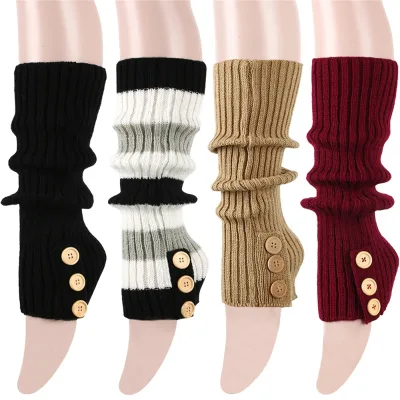
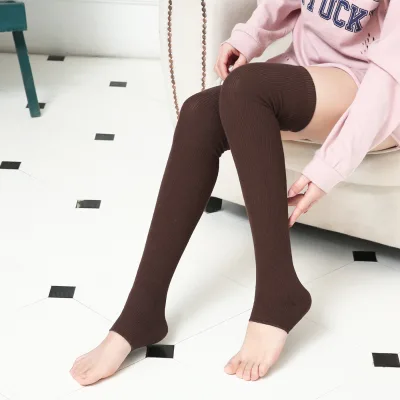
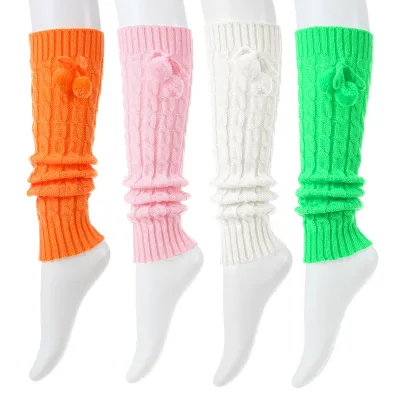


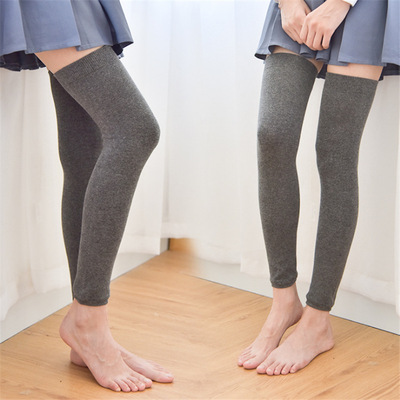
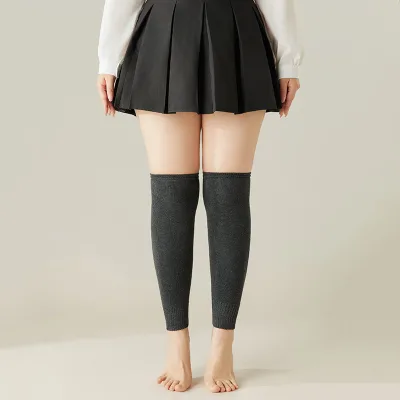


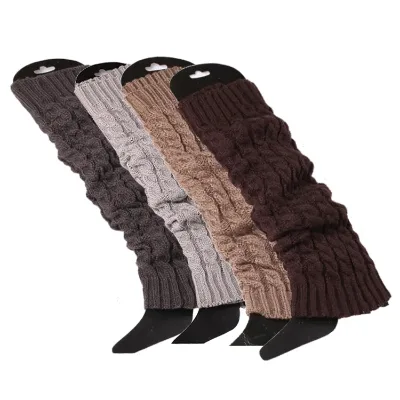


Popular Design Knee Sleeve Brace Protector Warm Girls Down Leg Warmers Women
$1.71 - $1.90
MOQ: 100 Pieces


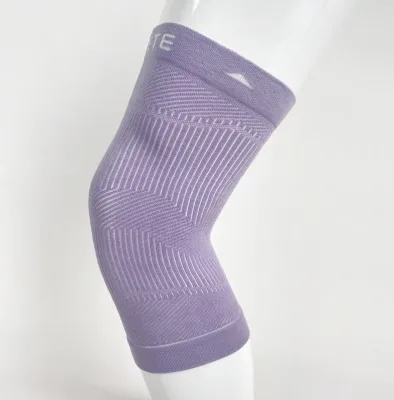
New Arrival Knee Snow Patch Down Sleeve Strap Padded Brace Girls Leg Warmers
$1.22 - $1.35
MOQ: 100 Pieces

Hot Selling Knee Sleeve Strap Padded Brace Protector Leg Warm Warmer Leggings Socks
$0.90 - $1.10
MOQ: 100 Pieces


Comprehensive Sourcing Guide
Striped Cotton Leg Warmers Sourcing Guide
Sourcing Striped Cotton Leg Warmers requires a careful balance between aesthetic specificity and material performance, particularly when navigating the diverse landscape of textile manufacturers. While the core keyword emphasizes a striped pattern and cotton composition, the broader market data indicates that many suppliers offer variations in material blends, such as acrylic or bamboo fiber, and pattern types, including solid or jacquard designs. Buyers must therefore define their exact requirements early in the inquiry process to avoid receiving samples that deviate from the desired visual and tactile profile. The observed market signals suggest a wide range of product attributes, from one-size-fits-all designs to specific sizing options, necessitating a clear specification sheet that details stripe width, color contrast, and fabric weight.
Furthermore, the supply chain for these items often involves manufacturers located in key textile hubs, such as Zhejiang, China, where production capabilities range from in-stock items to custom OEM services. This geographic concentration offers logistical advantages but also requires diligence in verifying production capacity and lead times. Buyers should be aware that while some listings support sample orders within seven days, others may not, which can impact the speed of product development. Understanding these operational nuances is critical for aligning procurement timelines with seasonal demand, especially for fashion-forward items like leg warmers that may have shorter lifecycle windows.
Product Scope and Observed Listing Signals
The current market landscape for leg warmers reveals a significant diversity in material composition and design intent, which directly impacts the sourcing strategy for striped cotton variants. Observed listings show materials ranging from 100% acrylic and spandex blends to 100% bamboo fiber and pure cotton, indicating that "cotton" is not a universal standard across all suppliers. Buyers focusing on Striped Cotton Leg Warmers must explicitly filter for cotton content, as many competitors offer similar styles in synthetic or blended fabrics that may not meet breathability or comfort requirements. The presence of features like "breathable," "keep warm," and "eco-friendly" suggests that buyers should verify these claims through material composition certificates rather than relying on marketing labels alone.
In terms of design and sizing, the market exhibits a mix of standardized and customizable options. Some products are listed as "one size" or "free size," which simplifies inventory management but may limit fit accuracy for diverse customer bases. Others offer specific sizes like "S" or customizable lengths, catering to more tailored procurement needs. The pattern type is another critical variable; while the core keyword specifies "striped," observed data includes solid, plain, and jacquard patterns. Buyers must ensure that their suppliers have the specific knitting or weaving capability to produce consistent, high-quality stripes, as jacquard technology, for instance, offers more complex patterns but may come with higher minimum order quantities and longer lead times.
Technical Specifications to Verify
When evaluating technical specifications, the first priority is confirming the exact material composition and weave structure. Buyers should request detailed fabric specifications that distinguish between pure cotton, cotton blends, and other fibers, as the presence of spandex or polyester can significantly alter the stretch, durability, and care requirements of the leg warmers. The weaving method, whether knitted or woven, also plays a crucial role in the final product's elasticity and comfort. For striped designs, it is essential to verify how the stripes are integrated into the fabric, whether through dyeing techniques or jacquard weaving, as this affects the longevity of the pattern and the overall aesthetic quality.
Packaging and dimensional specifications are equally important for logistics and retail readiness. Buyers should confirm the single package size and gross weight to calculate accurate shipping costs and storage requirements. Observed data shows variations in packaging, from simple OPP bags to more protective options, which can influence product protection during transit. Additionally, the model number and product code should be clearly defined to avoid confusion during production. For custom orders, verifying the ability to produce specific lengths, such as "long" styles, and ensuring that the customization options align with the buyer's design requirements is vital for maintaining brand consistency.
Compliance and Safety Documentation
Compliance and safety documentation are non-negotiable aspects of sourcing leg warmers, particularly when targeting international markets with strict regulatory standards. Buyers must verify whether the supplier performs needle detection, a critical safety check for knitted garments to ensure no broken needles or metal fragments remain in the product. The observed data indicates that some suppliers offer needle detection services while others do not, making this a key differentiator in supplier qualification. Additionally, certifications related to material safety, such as OEKO-TEX or similar standards for harmful substances, should be requested to ensure the cotton and dyes used are safe for skin contact.
Environmental and ethical compliance is also becoming increasingly important in the textile industry. Buyers should inquire about the supplier's adherence to eco-friendly practices, such as the use of sustainable dyes or recycled materials, if these align with their brand values. While some listings claim "eco-friendly" features, these claims should be backed by verifiable documentation or certifications. Furthermore, understanding the supplier's labor practices and compliance with local labor laws is essential for mitigating reputational and operational risks. Buyers should request evidence of social compliance audits or certifications to ensure that the production process meets ethical standards.
Cost Drivers and Commercial Terms
Cost drivers for Striped Cotton Leg Warmers include material costs, production complexity, and order volume. The choice of material, such as pure cotton versus blends, directly impacts the base cost, while the complexity of the stripe pattern can affect production time and waste. Minimum order quantities (MOQs) vary significantly across suppliers, ranging from small batches for testing to large volumes for mass production. Buyers should negotiate MOQs based on their sales forecasts and inventory capacity, keeping in mind that lower MOQs may come with higher per-unit costs. Understanding the pricing structure, including any setup fees for custom patterns, is crucial for accurate budgeting.
Commercial terms such as lead times and payment conditions also play a significant role in the procurement process. The observed data shows that some suppliers support sample orders within seven days, while others do not, which can impact the speed of product development. Buyers should clarify lead times for both samples and bulk production to align with their launch schedules. Payment terms, such as deposits and balance payments, should be negotiated to balance risk and cash flow. Additionally, understanding the supplier's policy on returns or defects is important for managing potential issues post-production.
Supplier Qualification and Quality Control
Supplier qualification involves a thorough assessment of the manufacturer's capabilities, reputation, and quality control processes. Buyers should verify the supplier's experience in producing knitted leg warmers and their ability to handle custom designs, such as striped patterns. Requesting references or case studies from previous clients can provide insights into the supplier's reliability and product quality. Additionally, assessing the supplier's production facilities and equipment can help determine their capacity to meet volume requirements and maintain consistency.
Quality control measures should be clearly defined and agreed upon before production begins. This includes establishing acceptance criteria for color consistency, stripe alignment, and fabric quality. Buyers should consider implementing pre-production samples and in-line inspections to catch issues early. Post-production inspections, such as AQL (Acceptable Quality Level) checks, are also recommended to ensure that the final products meet the specified standards. Clear communication of quality expectations and regular feedback loops with the supplier are essential for maintaining high standards throughout the production process.
Long-Term Procurement Checks
Long-term procurement success depends on building a sustainable and resilient supply chain. Buyers should regularly review supplier performance metrics, such as on-time delivery rates, product quality, and responsiveness to issues. Establishing a partnership based on mutual trust and clear communication can lead to better pricing, priority production, and collaborative innovation. Regular audits and site visits can help maintain oversight and ensure that the supplier continues to meet quality and ethical standards.
Additionally, buyers should stay informed about market trends and technological advancements in textile production. This includes monitoring changes in material availability, sustainability practices, and consumer preferences. By staying proactive and adaptable, buyers can mitigate risks and capitalize on opportunities in the dynamic leg warmer market. Continuous improvement in procurement processes, including the use of data analytics for demand forecasting and inventory management, can further enhance efficiency and profitability.
FAQs
What materials are used for Striped Cotton Leg Warmers?
Materials vary by product, with options including acrylic, spandex, polyester, cotton, and bamboo fiber. Some items feature blends like spandex and polyester, while others are made from 100% bamboo fiber or pure cotton. Buyers should check specific product listings for the exact composition.
Can I order samples for Striped Cotton Leg Warmers?
Sample support depends on the specific supplier and model. Some products support a 7-day sample order lead time, while others do not support sample orders at all. Buyers must verify the sample policy for each individual item before placing an order.
Which sizes are available for Striped Cotton Leg Warmers?
Sizes range from specific measurements like S to flexible options such as One Size or Free Size. Some products are listed as Long length, while others are designed as a single universal fit. The available size depends entirely on the specific model number selected.
How is the MOQ determined for Striped Cotton Leg Warmers?
Minimum Order Quantities vary significantly across different listings, ranging from as low as 2 units up to 100,000 units. Some suppliers list specific dimensions like 40x9cm as their MOQ unit rather than a count. Buyers need to check the specific product page for the exact requirement.
What is the lead time for Striped Cotton Leg Warmers?
Lead times differ by supplier, with some offering 7-day sample order lead times and others not supporting samples. Standard production lead times are not explicitly defined in the general facts but depend on the specific factory capacity. Buyers should confirm the timeline with the vendor.
Where are Striped Cotton Leg Warmers manufactured?
Most products originate from Zhejiang, China, or generally China. The place of origin is a key attribute for many listings, indicating the manufacturing region. Buyers looking for specific regional sourcing should verify the origin listed on each product page.
Are customization options available for Striped Cotton Leg Warmers?
Customization is available for many products, with some offering OEM services and customized standards. Buyers can request specific patterns, colors, or packaging like OPP bags depending on the supplier. The level of customization varies by the specific manufacturer and product model.