Source Stretchy PU Insect Fidget Toy for promotion, stress relief, and party favors
Compare 30 Stretchy PU Insect Fidget Toy listings from verified suppliers offering customization, various materials like silicone and acrylic, and diverse certifications. Buyers can evaluate MOQs ranging from 10 to 5000 units and select options suitable for ages 3+ or 6+ based on specific needs.
Key considerations
Products List


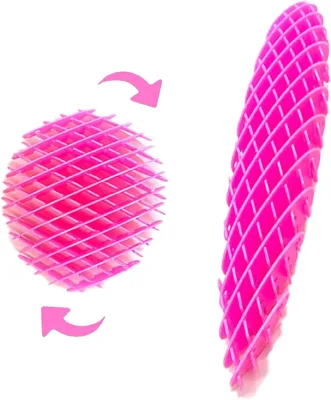


Fingertip Decompression Fidget Toys Squid Game Push It Fidget Squid Game Toy
$0.65 - $0.80
MOQ: 100 Pieces


Comprehensive Sourcing Guide
Strategic Sourcing Guide for Stretchy PU Insect Fidget Toys
The global market for sensory and educational toys has seen a significant shift toward items that combine tactile engagement with durable, flexible materials. Among these, the Stretchy PU Insect Fidget Toy has emerged as a distinct category, appealing to both children and adults seeking stress relief and sensory stimulation. For B2B procurement professionals, sourcing these items requires a disciplined approach that balances material science, regulatory compliance, and supply chain reliability. This guide provides a comprehensive framework for evaluating suppliers and products in this sector, ensuring that procurement decisions are grounded in verified data and industry best practices rather than unverified marketing claims.
Material Composition and Physical Specifications
The foundation of any successful procurement strategy for fidget toys lies in understanding the material properties and physical dimensions of the product. In the context of stretchy insect toys, the primary material of interest is often Polyurethane (PU) or Silicone Rubber, depending on the specific tactile requirement. While some listings indicate "acrylic" or "plastic" for rigid components, the core "stretchy" attribute typically points toward flexible polymers like TPR (Thermoplastic Rubber) or Silicone.
When evaluating product specifications, buyers must scrutinize the listed dimensions and weight. For instance, specific model data points to packaging dimensions such as 474732cm with a weight of 21kg, or smaller unit sizes like 3.43.43.4cm for individual components. These figures are critical for calculating shipping costs and warehouse storage requirements. A product described as having a "slow rebound" feature suggests a specific density and elasticity profile, which is essential for the intended stress-relief function.
Buyers should verify the "Plastic Type" or polymer classification. Some entries specify "PP" (Polypropylene) for rigid parts, while others list "Silicone Rubber" for the flexible body. The distinction is vital because PP offers structural rigidity, whereas Silicone or TPR provides the necessary stretch and squish. Additionally, the presence of fillers, such as "Maltose Filled" in certain standard descriptions, indicates a specific internal composition that affects the toy's weight and texture. Procurement teams must ensure that the material composition aligns with the intended use case, whether it is for a heavy-duty sensory tool or a lightweight promotional item.
Compliance, Safety Standards, and Certification Verification
Safety compliance is non-negotiable in the toy industry, particularly when the target audience includes children. The age grading for these products varies significantly across the market. Some items are explicitly marked as "Suitable for Ages 6+" or "3+", while others are categorized for "< 3 Years". This discrepancy requires rigorous verification of safety standards before any order is placed.
For products intended for younger demographics, compliance with international safety standards is mandatory. The supplied data references certifications such as "ENASTM" and "CE". These acronyms likely refer to a combination of European Norms (EN) and American Society for Testing and Materials (ASTM) standards, alongside the CE marking required for the European Economic Area. Buyers must confirm that the specific model number, such as "BA-2101" or "10487722", carries valid, up-to-date certification documentation from an accredited third-party laboratory.
It is crucial to distinguish between general product claims and verified test results. While some listings mention "ISO 9001" as a background standard, this refers to the manufacturer's quality management system rather than the specific safety of the toy itself. The primary focus must remain on product-specific testing for flammability, chemical content (such as phthalates), and mechanical safety (choking hazards). For toys with small parts, the "Age Grade" must strictly align with the safety testing performed. If a product is listed for ages 3+ but contains small detachable parts, it may not meet the strict requirements for the 0-3 age bracket without specific testing. Buyers should request current test reports that explicitly cover the model in question, rather than accepting generic certification statements.
Cost Drivers and Minimum Order Quantity Analysis
Understanding the cost structure of stretchy PU insect fidget toys is essential for budgeting and negotiation. The observed price range in the market spans from $0.12 to $11.99 USD. This wide variance is driven by several key factors, including material quality, complexity of the mold, and the level of customization.
The Minimum Order Quantity (MOQ) is another critical cost driver. The observed MOQ range is between 10 and 5,000 units. Lower MOQs, such as 10 or 180 sets, are often associated with standard, off-the-shelf inventory or promotional items where the supplier absorbs the setup cost. However, for customized orders involving specific colors or logos, the MOQ typically increases. For example, custom color options often require a minimum of 500 pieces, while full-color logo printing may necessitate even higher volumes to be economically viable.
Customization is a primary value-add in this sector. Features such as "Customized Logo," "Silkprint," or "Logo Sticker" imprinting add to the unit cost. The complexity of the imprint method matters; "Full Color" printing is generally more expensive than single-color "Silkprint." Furthermore, the "Product Packing" method influences the final landed cost. Options range from simple "Carton Box" or "Carton" to more premium "Window Box" packaging. The latter not only increases material costs but also adds weight and volume, impacting freight charges.
Buyers should analyze the total cost of ownership, not just the unit price. A lower unit price might be offset by higher shipping costs due to inefficient packing dimensions, such as the 79.54066.5cm carton size for larger sets. Conversely, compact packaging like 36X10.4X27.6 Cm allows for higher container utilization, potentially reducing the per-unit shipping cost.
Typical Applications and Target Market Segments
The versatility of stretchy PU insect fidget toys allows them to serve multiple market segments. The "Usage" field in product data often lists "Funny, Particular Toys, Promotion," indicating their dual role as entertainment items and marketing tools.
For the B2B sector, these toys are frequently utilized as promotional merchandise for events such as "Anniversary, New Year, Baby Shower, Graduation, Wedding, Birthday, Halloween, Christmas, and Carnival." The "Scale" is often described as "Medium," making them suitable for hand-held distribution. The "Application" scope is broad, covering both "Outdoor" and "Indoor" environments, which enhances their utility for trade shows, school events, and corporate giveaways.
In the educational sector, the classification as "Educational toy" and "Sensory toy" highlights their utility in therapeutic and developmental contexts. The "Slow Rebound" feature and "Stress Relief" capability make them ideal for classrooms focusing on sensory integration or for retail environments targeting consumers with anxiety or ADHD. The "Play Method" being "Funny" suggests a design that encourages interactive play, which is a key selling point for parents and educators.
Supplier Evaluation and Production Capabilities
When selecting a supplier, buyers must look beyond the product listing to assess the manufacturer's capabilities. The "prod_origin" data indicates that suppliers are located in key manufacturing hubs such as "Shenzhen," "Guangdong, China," and "Taiwan." Each region offers different advantages; Shenzhen and Guangdong are known for high-volume electronics and plastic toy manufacturing, while Taiwan has a strong reputation for precision molding and quality control.
Key evaluation criteria include the supplier's ability to handle customization. The "Customization" attribute is marked as "Available" across many listings, but the feasibility depends on the supplier's tooling capacity. Buyers should inquire about the lead time for mold creation if a unique insect shape is required. Additionally, the "Accesssories Quantity" (e.g., 22PCS) suggests that some products are sold as kits or sets. Suppliers must demonstrate the ability to manage complex assembly processes to ensure all components are included and correctly packaged.
The "Player" attribute, listed as "Single," indicates that the product is designed for individual use. This simplifies the packaging and marketing strategy but requires the supplier to ensure the product is robust enough for independent handling. Suppliers with a history of producing "Carton" or "Window Box" packaging should be prioritized to ensure the product arrives in pristine condition.
Quality Control and Long-Term Procurement Strategy
Implementing a robust quality control (QC) protocol is essential for maintaining brand reputation. Given the variability in materials like "Silicone Rubber" and "Plastic," buyers should establish clear acceptance criteria for elasticity, color consistency, and structural integrity. The "Standard" descriptions, such as "Cube Shape" or specific dimensions like "36X10.4X27.6 CM," serve as benchmarks for inspection.
For long-term procurement, building a relationship with a supplier who can scale production is vital. The "MOQ for Hot Sale Insect Toy" of 180 sets suggests that some suppliers have flexible production lines capable of handling both small and large orders. However, buyers should verify the supplier's capacity to handle peak demand periods, such as the lead-up to Christmas or Halloween, which are peak application times for these toys.
Sustainability and material safety should also be part of the long-term strategy. As regulations tighten globally, suppliers must be prepared to adapt to new chemical restrictions. Buyers should regularly audit their suppliers' compliance records and ensure that the "Certification" status remains valid. Finally, maintaining open communication regarding "Custom Color" requirements and "Logo Print" specifications will help avoid costly errors and ensure that the final product aligns with the buyer's brand identity.
Conclusion
Sourcing stretchy PU insect fidget toys requires a meticulous approach that integrates technical knowledge with strategic supply chain management. By focusing on material specifications, verifying safety certifications, analyzing cost drivers, and evaluating supplier capabilities, B2B buyers can secure high-quality products that meet the diverse needs of the market. The wide range of applications, from educational tools to promotional items, underscores the importance of selecting the right partner who can deliver on customization, compliance, and consistency. Through disciplined evaluation and continuous quality oversight, procurement professionals can navigate this dynamic market effectively.
FAQs
What certifications do stretchy pu insect fidget toys have?
Products in this category often carry ENASTM and CE certifications to ensure safety compliance. These standards verify that the toys meet international requirements for children's products, particularly regarding material safety and mechanical integrity before distribution.
Can I customize the color and logo on these toys?
Yes, customization is available for both colors and logos on these sensory items. Buyers should note that custom color options typically require a minimum order quantity of 500 pieces, while full-color logo printing may involve additional processing steps.
What is the typical price range for these fidget toys?
The observed price range for these products spans from 0.12 to 11.99 USD per unit. This variance depends on factors such as material quality, packaging type, and the level of customization requested by the buyer.
Which materials are used to make these stretchy toys?
Common materials include Silicone Rubber, TPR, and various plastics like PP or acrylic for rigid components. Some specific models also feature maltose fillings to achieve a slow rebound effect suitable for stress relief and sensory stimulation.
Where are these toys typically manufactured?
Manufacturing origins for these items are primarily located in Shenzhen, Guangdong, and Taiwan. These regions are known for their capabilities in producing plastic and silicone toys with varying levels of customization and quality control standards.
What is the minimum order quantity for custom orders?
The minimum order quantity generally ranges from 10 to 5000 units depending on the specific product. Custom color requests often start at 500 pieces, while standard inventory items may be available with lower minimums like 10 or 180 sets.