Source Sublimation Transfer Print Ski Balaclava for Winter, Outdoor, Casual
Find 30 options for Sublimation Transfer Print Ski Balaclava with features like windproof, breathable, and customizable colors. Buyers can compare materials including 100% acrylic and polyester blends, along with MOQs and delivery times from Jiangsu, Baoding, and Ningbo.
Key considerations
Products List


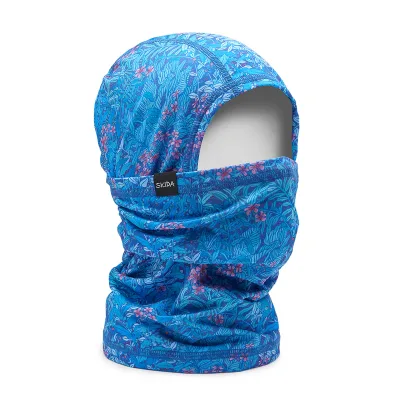
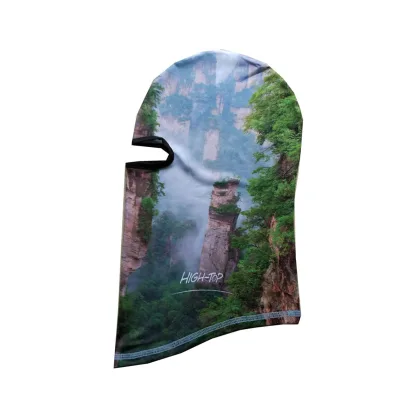
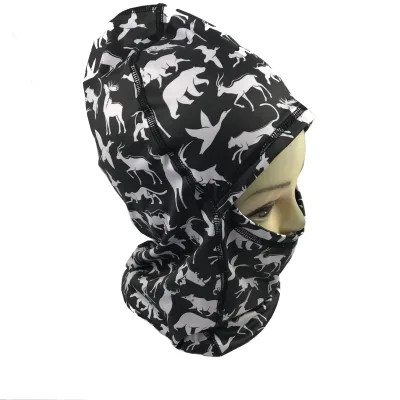
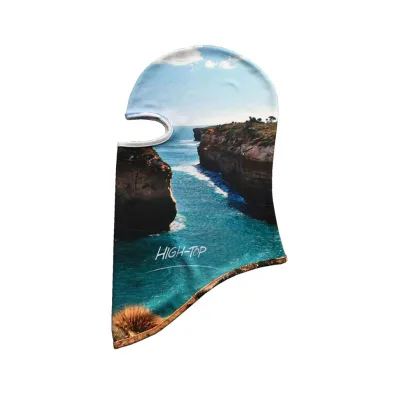
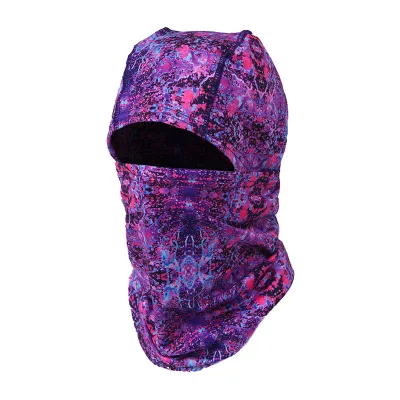

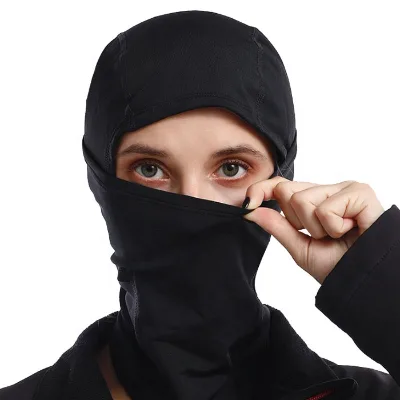
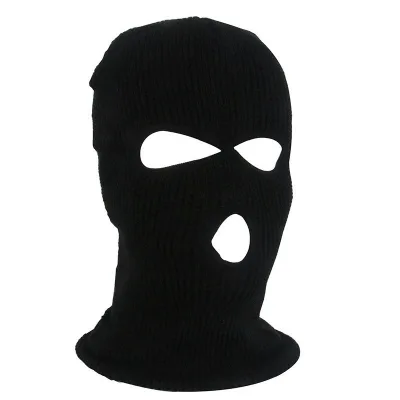
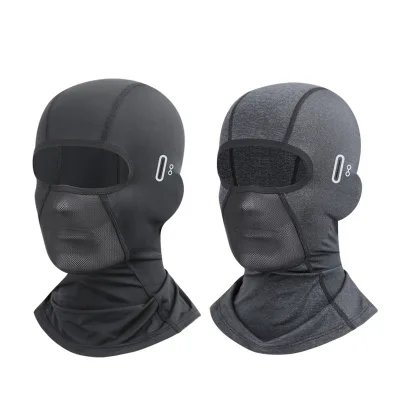
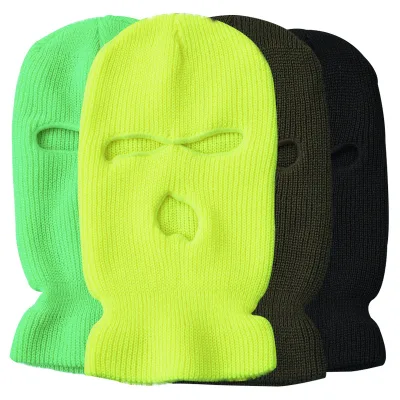
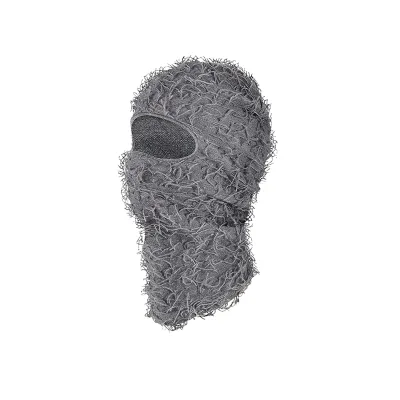
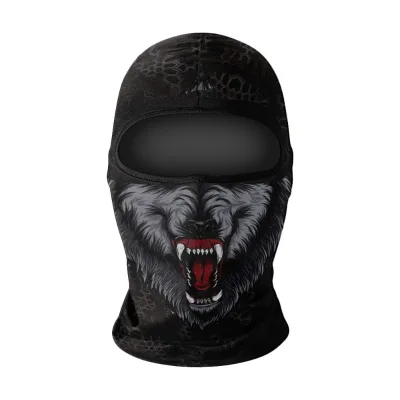
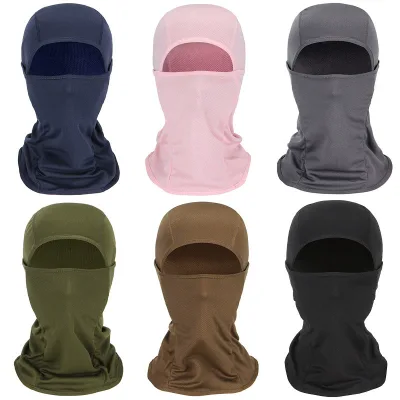
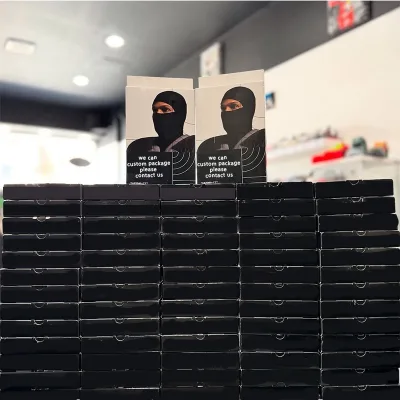
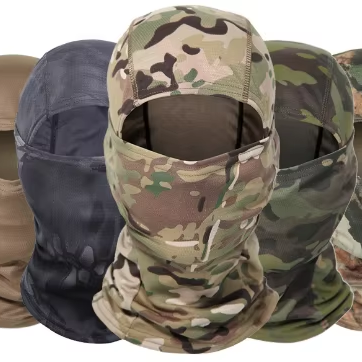
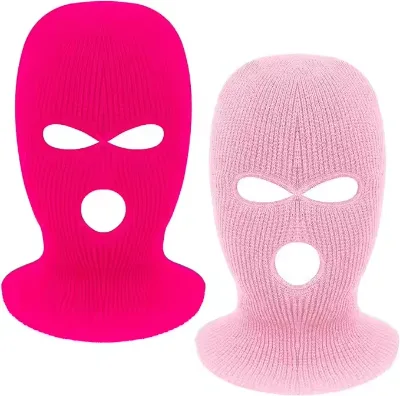
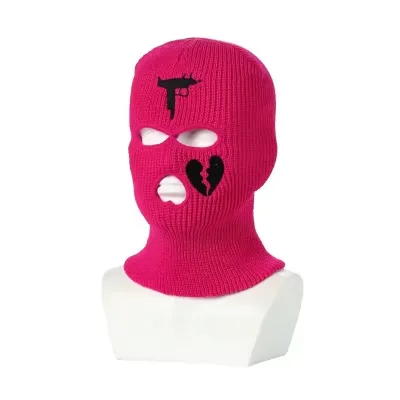
Comprehensive Sourcing Guide
Strategic Sourcing Guide for Sublimation Transfer Print Ski Balaclava
The global market for winter sports headwear has evolved significantly, with sublimation transfer print ski balaclavas emerging as a dominant category for both performance athletes and casual winter enthusiasts. This specific product type combines the functional necessity of thermal protection with the aesthetic flexibility of full-color digital printing. For B2B procurement professionals, sourcing these items requires a nuanced understanding of material science, printing technologies, and supply chain logistics. The following guide synthesizes available market data and technical requirements to assist buyers in navigating the procurement landscape effectively.
Technical Specifications and Material Composition
The foundation of a high-performance ski balaclava lies in its material composition and construction. While the core keyword specifies sublimation transfer print, the underlying fabric must possess specific properties to ensure durability and comfort. In the current market, common materials include 100% Acrylic and Polyester blends. Acrylic offers a soft hand feel and excellent warmth retention, making it suitable for cold-weather applications, while Polyester provides superior moisture-wicking capabilities and quick-drying characteristics essential for high-intensity activities.
A critical technical consideration is the compatibility of the fabric with sublimation printing. Sublimation ink bonds chemically with synthetic fibers, primarily polyester. Therefore, products labeled as 100% Acrylic may present challenges for true sublimation unless they are blends with a high polyester content or treated specifically for the process. Buyers must verify the exact material ratio to ensure the print quality does not fade or crack after repeated washing.
Furthermore, the physical dimensions and fit are paramount. Standard sizing often includes "One Size" or specific adult and kids measurements. Observed industry standards indicate dimensions such as 2138cm or 25CM34CM for folded or flat states, though the final deployed size varies by design. The product standard often dictates the crown structure; some balaclavas feature a "With Crown" design for a traditional hat shape, while others are "Without Crown" or "Without Brim" to maximize facial coverage and wind protection. The absence of a brim is particularly common in balaclavas designed to fit under helmets, a crucial specification for ski and snowboard applications.
Printing Technology and Aesthetic Customization
Sublimation transfer printing is the defining characteristic of this product category. This process involves printing a design onto special transfer paper using sublimation inks, which are then transferred to the fabric using heat and pressure. The result is a print that becomes part of the fiber rather than sitting on top of it, offering vibrant colors and intricate details that resist fading.
The market offers a wide range of pattern themes, from "Character" and "Graphical" designs to "Plain Dyed" and "Striped" aesthetics. Buyers should note that while some products feature "Embroidered" patterns using "Flat Embroidery" technology, true sublimation products rely on the dye-sublimation process for their visual output. The distinction is important for quality control; embroidery adds texture and weight, whereas sublimation maintains a flat, lightweight profile.
Color options are extensive, ranging from standard shades like Gray, Brown, Blue, and Black to fully "Customizable" and "Colourful" palettes. The ability to customize colors is a significant driver for private label and promotional buyers. However, the "Pattern Theme" must align with the intended use; for instance, "Character" themes may appeal to children, while "Graphical" or abstract designs often target adult demographics. The "Style" of the product, whether "Leisure" or performance-oriented, also influences the choice of pattern and color saturation.
Compliance, Certification, and Safety Standards
In the B2B procurement of winter sports gear, compliance with safety and quality standards is non-negotiable. While specific certification names are not universally mandated for all regions, buyers must verify that products meet relevant international safety standards for textiles. This includes checks for flammability, particularly important for items worn close to the face in environments where fire hazards might exist, such as near ski lifts or in lodge settings.
The supply chain origin plays a role in compliance verification. Products originating from regions like Jiangsu, Baoding, or Ningbo in China are common, but the specific factory's adherence to labor standards and environmental regulations must be audited. Buyers should request documentation regarding the "prod_standard" and ensure that the manufacturing process aligns with the declared specifications. For example, a product listed with a "Standard" of 21*38cm must be verified to meet these dimensions consistently across the production run.
Additionally, the "Special Features" listed, such as "Windproof," "Breathable," "Quick Dry," and "Lightweight," are performance claims that require validation. While these attributes are desirable, they should not be accepted as absolute facts without supporting test data or third-party verification. Buyers should inquire about the specific testing protocols used to validate these claims, such as air permeability tests for breathability or water repellency ratings for windproofing.
Cost Drivers and Pricing Dynamics
The pricing of sublimation transfer print ski balaclavas is influenced by several variables, including material costs, printing complexity, and order volume. The observed market price range spans from $0.47 to $15.46, a wide spectrum that reflects differences in quality, brand positioning, and customization levels. Lower-priced items often utilize standard polyester blends with minimal customization, while higher-priced units may feature premium acrylic blends, complex multi-color sublimation designs, or specialized functional treatments.
Minimum Order Quantity (MOQ) is a significant cost driver. The market observes MOQs ranging from 5 to 1000 pieces. High-volume orders, such as those requiring 1000 pieces, often benefit from economies of scale, reducing the unit cost significantly. Conversely, low MOQs allow for smaller batches but come with a higher per-unit price. Buyers must balance their inventory needs with their budget constraints.
Packaging also impacts the final cost. Options include "Paper Carton," "Polybag," or "Box" packaging. The choice of packaging affects both the shipping weight and the retail presentation. For example, "Box" packaging is more expensive but offers better protection and a premium unboxing experience, suitable for high-end retail. "Polybag" is cost-effective and space-efficient, ideal for bulk distribution.
Supplier Evaluation and Supply Chain Logistics
Selecting the right supplier requires a rigorous evaluation process. Buyers should assess the supplier's location, as proximity to ports can influence lead times and shipping costs. Common origins include Jiangsu, Baoding, and Ningbo, all of which are major manufacturing hubs in China. The "Delivery Time" is another critical factor, with typical ranges observed between 2-4 weeks. However, this can vary based on order complexity and seasonal demand.
The "Transport" methods available, such as "Express Delivery," "Air Freight," and "Ocean Shipping," offer flexibility based on urgency and budget. For time-sensitive orders, air freight may be necessary despite higher costs, while ocean shipping is more economical for large, non-urgent shipments. Buyers must also consider the "prod_packing" details to ensure that the packaging is robust enough to withstand the chosen transport method without damaging the product.
Supplier reliability is often indicated by their ability to provide consistent "prod_model" numbers and adhere to "prod_standard" specifications. For instance, models like YKH-BN-04, SF250610, or G2601141500 represent specific product lines. Buyers should verify that the supplier can consistently reproduce these models without deviation in quality or dimensions.
Quality Control and Performance Verification
Quality control (QC) is essential to ensure that the final product meets the buyer's expectations. Given the wide range of "Special Features" claimed, such as "Windproof" and "Breathable," buyers should implement a robust QC protocol. This includes visual inspections for print quality, checking for color consistency, and verifying the absence of defects like smudging or misalignment.
Dimensional accuracy is another key QC metric. Products listed with specific standards, such as 454545CM for packaging or 25CM*34CM for the item itself, must be measured against these specifications. The "Weight" of the product, observed at 56g for some models, should also be consistent to ensure uniformity in the shipment.
Performance testing should be conducted on a sample basis before full production. This involves testing the "Material" for durability and the "Pattern Technology" for colorfastness. For sublimation prints, a wash test is crucial to ensure the design does not fade after multiple cycles. Additionally, the "Hat Occasion" should be considered; a balaclava intended for "Winter, Casual, Outdoor" use must withstand the rigors of outdoor activities without compromising the "Special Features."
Long-Term Procurement Considerations
Sourcing sublimation transfer print ski balaclavas is not a one-time transaction but a long-term partnership. Buyers should consider the scalability of the supplier's production capacity. As demand grows, the supplier must be able to increase output without compromising quality or lead times. The "Customization" availability is a key factor here; suppliers who offer flexible customization options can adapt to changing market trends and consumer preferences more effectively.
Sustainability is becoming an increasingly important consideration in the textile industry. Buyers should inquire about the environmental impact of the materials used, such as the recyclability of polyester or the sourcing of acrylic. While specific certifications are not always available, understanding the supplier's commitment to sustainable practices can enhance the brand's reputation.
Finally, the "Applicable User" demographic, ranging from "Adults" to "Kids," requires a diversified product portfolio. Buyers should aim to secure a supplier who can produce a range of sizes and styles to cater to different segments of the market. The "Gender" classification as "Unisex" offers a broad appeal, but specific designs may still need to be tailored to specific user groups. By focusing on these long-term factors, buyers can build a resilient supply chain that supports sustained growth and market competitiveness.
Comparative Analysis of Product Attributes
To assist in decision-making, the following table summarizes key attributes observed in the market for sublimation transfer print ski balaclavas:
| Attribute | Observation A | Observation B | Observation C |
|---|---|---|---|
| Material | 100% Acrylic | 100% Polyester | Polyester/Cotton |
| Pattern Theme | Character | Graphical | Plain Dyed |
| Special Features | Windproof, Breathable | Windproof, Quick Dry, Lightweight | Breathable, Adjustable |
| Crown | Without Crown | With Crown | Without Crown |
| Brim | Without Brim | N/A | N/A |
| Origin | Jiangsu, China | Baoding, China | Ningbo, China |
| Packing | Paper Carton | Polybag | Box |
| Standard Size | 21*38cm | 25CM*34CM | One Size |
| MOQ | 5-1000 | 1000 Pieces | Variable |
| Delivery Time | 2-4 Weeks | 2-4 Weeks | Variable |
This comparison highlights the diversity in product specifications. Buyers must carefully align these attributes with their specific requirements. For instance, a buyer seeking a lightweight, quick-drying option for high-intensity sports should prioritize the Polyester/Cotton blend with "Windproof, Quick Dry, Lightweight" features. Conversely, a buyer focusing on casual winter wear might prefer the 100% Acrylic option with a "Character" theme.
In conclusion, sourcing sublimation transfer print ski balaclavas requires a strategic approach that balances technical specifications, cost efficiency, and quality assurance. By adhering to the guidelines outlined above and maintaining a rigorous evaluation process, buyers can secure high-quality products that meet the demands of the winter sports market.
FAQs
What materials are used for sublimation transfer print ski balaclavas?
Common materials include 100% Acrylic and 100% Polyester blends. Acrylic offers warmth while polyester provides moisture-wicking properties essential for winter sports.
Which customization options are available for these balaclavas?
Customization is available for colors, patterns, and labels. Buyers can select from plain dyed, striped, or embroidered designs with customizable color palettes.
Can I find balaclavas with specific dimensions like 21 by 38 cm?
Yes, products with standard dimensions of 21 by 38 cm or 25 by 34 cm are available. These sizes ensure a proper fit for adult and kids users.
What is the typical minimum order quantity for these items?
Minimum order quantities range from 5 to 1000 pieces depending on the supplier. Higher volumes often reduce unit costs while smaller batches allow for testing.
How long does delivery typically take for these orders?
Delivery times generally range from 2 to 4 weeks. This duration depends on order complexity, customization levels, and the selected shipping method.
Which special features do these balaclavas typically offer?
Features include windproof, breathable, quick dry, and lightweight properties. These attributes ensure comfort and protection during outdoor winter activities.
What packaging options are available for shipping these products?
Packaging options include paper cartons, polybags, and boxes. The choice affects shipping weight and retail presentation, with boxes offering premium protection.