Source Swing Sabelli Veneer Aluminum Gate for Garden, House, Security
Compare 30 swing sabelli veneer aluminum gate options from verified factories in China. Buyers can evaluate steel and aluminum alloy materials, custom sizes, and security ratings for garden, house, and security applications with delivery times around 30 days; compare the available evidence and request quotations based on your requirements.
Key considerations
Products List




Comprehensive Sourcing Guide
Swing Sabelli Veneer Aluminum Gate Sourcing Guide
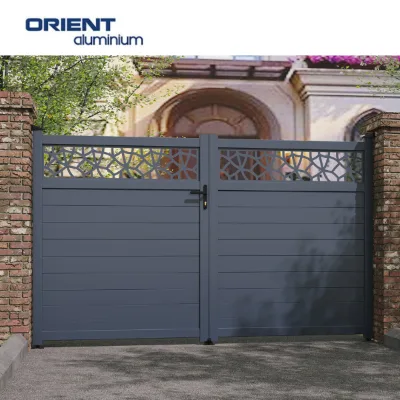
Sourcing a swing sabelli veneer aluminum gate requires balancing aesthetic customization with structural durability, particularly for garden or residential security applications. Buyers must recognize that while the core material is often aluminum alloy, the "veneer" aspect suggests a decorative finish or composite layering that mimics traditional materials like wood while retaining metal benefits. The observed market signals indicate a strong presence of suppliers from Qingdao, China, offering both classic and European design styles. This geographic concentration often correlates with established manufacturing ecosystems for metal fabrication and surface finishing, providing buyers with a wide array of options for tailored solutions.
Procurement teams should focus on verifying the specific alloy grade and surface treatment processes, as these directly impact longevity and maintenance requirements. The available data points to the use of Aluminum Alloy 6063 T-5 or T-6, which are standard for extruded profiles requiring good corrosion resistance and formability. Additionally, surface finishing options such as powder coating or wood grain effects are critical for achieving the desired visual appeal. Buyers need to ensure that the veneer or coating process is compatible with the underlying aluminum structure to prevent peeling or degradation, especially in outdoor environments where exposure to weather elements is inevitable.
Product Scope and Observed Listing Signals
The current market landscape for swing sabelli veneer aluminum gates reveals a diverse range of product configurations, with observed listings spanning various sizes and customization levels. Typical specifications include dimensions such as 16ft by 8ft or standardized sizes like 4.8m by 2.1m, catering to both large commercial entrances and smaller residential driveways. The presence of models like HLT026, L154, L165, and L169 indicates that manufacturers offer distinct series, each potentially optimized for different aesthetic or functional requirements. Buyers should note that while some listings emphasize classic styles, others highlight European designs, allowing for significant flexibility in matching the gate to the architectural theme of the property.
Customization is a prevalent feature, with many suppliers offering tailored dimensions, colors, and design services to meet specific project needs. The observed minimum order quantities (MOQ) range from 1 to 200 units, with some suppliers setting an MOQ of 50, which suggests that both single-unit purchases and bulk orders are feasible depending on the supplier's capacity. Delivery times are typically around 30 days, indicating a standard production cycle for customized metalwork. Buyers should also consider the packaging methods, such as steel pallets or shrink film and cartons, which are crucial for protecting the gate's finish during transit and ensuring that the product arrives in pristine condition.
Technical Specifications to Verify
When evaluating technical specifications, buyers must prioritize the structural integrity and material composition of the gate. The use of Aluminum Alloy 6063 T-5 or T-6 is a key indicator of quality, as these grades offer a favorable balance of strength and corrosion resistance. It is essential to verify the exact alloy designation and temper condition, as variations can significantly affect the gate's performance under stress. Additionally, the surface treatment process, whether powder coating or wood grain finishing, should be scrutinized for durability and adherence to industry standards. Buyers should request detailed information on the coating thickness and type to ensure long-term resistance to UV radiation, moisture, and physical abrasion.
Installation and assembly features are equally critical, particularly for gates that require horizontal or vertical mounting. The ease of assembly is a significant advantage, reducing installation time and labor costs. Buyers should confirm whether the gate comes with comprehensive instruction books or video guides to facilitate proper installation. Furthermore, the security rating of the gate, often classified as Level B, should be assessed in the context of the specific security needs of the property. It is also important to verify the sound insulation properties, especially if the gate is intended for residential areas where noise reduction is a priority.
Compliance and Safety Documentation
Compliance with international standards is a non-negotiable aspect of sourcing aluminum gates, ensuring that the product meets safety and quality benchmarks. Certifications such as ISO, CE, and SGS are commonly cited, indicating that the manufacturer adheres to recognized quality management and environmental standards. Buyers should verify the validity and scope of these certifications, ensuring they cover the specific product line being purchased. Additionally, production standards like GB5237 may apply, particularly for aluminum profiles, and buyers should confirm that the manufacturer complies with these regulations to guarantee consistent quality and performance.
Safety documentation should also include information on the gate's fire resistance, structural stability, and any relevant environmental certifications. Given the emphasis on eco-friendly and sustainable materials, buyers should inquire about the recyclability of the aluminum alloy and the environmental impact of the surface finishing processes. It is advisable to request test reports or third-party verification of the gate's durability and safety features, particularly if the gate is intended for high-traffic or commercial applications. This due diligence helps mitigate risks associated with product failure and ensures that the gate meets all regulatory requirements in the destination market.
Cost Drivers and Commercial Terms
Several factors influence the cost of swing sabelli veneer aluminum gates, with material quality, customization level, and order volume being primary drivers. The use of high-grade aluminum alloys and advanced surface finishing techniques can increase the base cost, but these investments often translate to longer product lifespans and lower maintenance expenses. Buyers should carefully evaluate the trade-off between initial cost and long-term value, considering the warranty periods offered, which can extend up to 10 years for certain products. A longer warranty period often reflects the manufacturer's confidence in their product's durability and quality.
Commercial terms such as payment methods, shipping arrangements, and after-sales support also play a significant role in the total cost of ownership. Buyers should negotiate clear terms regarding delivery times, which are typically around 30 days, and ensure that these timelines are factored into project schedules. Additionally, the availability of design services and technical support can add value to the procurement process, helping to optimize the gate's design for specific site conditions. It is crucial to clarify any additional costs associated with customization, packaging, or expedited shipping to avoid unexpected expenses during the procurement process.
Supplier Qualification and Quality Control
Supplier qualification is a critical step in ensuring the reliability and consistency of the sourced aluminum gates. Buyers should assess the supplier's manufacturing capabilities, including their production capacity, quality control processes, and experience in exporting to international markets. Factories that offer design services and comprehensive installation support are often better equipped to handle complex projects and provide tailored solutions. It is advisable to request samples or visit the factory, if possible, to verify the quality of materials and workmanship firsthand. This direct observation can provide valuable insights into the supplier's operational efficiency and commitment to quality.
Quality control measures should be clearly defined and agreed upon before placing an order. Buyers should inquire about the supplier's inspection protocols, including pre-production, in-process, and final inspections. Documentation such as material test reports, coating adhesion tests, and structural integrity assessments should be requested to verify compliance with specified standards. Additionally, buyers should establish clear communication channels for addressing any quality issues that may arise during production or after delivery. A proactive approach to quality control helps minimize risks and ensures that the final product meets the buyer's expectations.
Long-Term Procurement Checks
Long-term procurement success depends on establishing a robust relationship with the supplier and implementing continuous improvement strategies. Buyers should regularly review supplier performance metrics, including on-time delivery rates, product quality, and responsiveness to issues. Maintaining open communication and providing constructive feedback can help strengthen the partnership and drive improvements in service and product quality. It is also important to stay informed about industry trends and technological advancements that may impact the sourcing strategy, such as new materials or finishing techniques that offer enhanced performance or sustainability benefits.
Periodic audits and re-evaluations of the supplier's capabilities and compliance status are essential to mitigate risks and ensure ongoing alignment with procurement goals. Buyers should verify that the supplier continues to hold relevant certifications and adheres to evolving regulatory requirements. Additionally, exploring opportunities for volume discounts or long-term contracts can provide cost savings and supply chain stability. By maintaining a strategic approach to supplier management, buyers can secure a reliable source of high-quality swing sabelli veneer aluminum gates that meet their evolving needs and contribute to the overall success of their projects.
FAQs
What materials are used for swing sabelli veneer aluminum gates?
These gates are constructed from high-quality aluminum alloy, specifically grade 6063 T5 or T6, ensuring durability and resistance to corrosion. The surface undergoes powder coating treatment, which can include a wood grain finish to mimic the aesthetic of traditional wood while maintaining the structural integrity and low maintenance requirements of aluminum for garden or house installations.
Can swing sabelli veneer aluminum gates be customized in size?
Yes, customization is available for these gates, allowing buyers to specify dimensions that fit their specific property requirements. While standard models like HLT026 or L154 exist, the production standard supports customized sizes, ensuring that the gate fits perfectly into garden or house entrances without compromising the classic European style or security rating.
What certifications do these aluminum gates typically hold?
Manufacturers of these gates typically hold ISO9001, CE, and SGS certifications, ensuring compliance with international quality and safety standards. Some products also adhere to the GB5237 production standard for aluminum profiles. These certifications verify the reliability of the manufacturing process and the quality of the aluminum alloy used in the gate construction.
How long is the delivery time for these gates?
The standard delivery time for these gates is approximately 30 days from the order confirmation. This lead time allows for the manufacturing, surface finishing, and quality inspection processes to be completed. Buyers should account for this timeframe when planning their installation schedule, especially for customized orders that may require additional production steps.
What is the minimum order quantity for these gates?
The minimum order quantity (MOQ) for these gates is typically 50 units, although some listings may indicate a range from 1 to 200 units depending on the specific supplier and product model. This MOQ ensures efficient production runs while allowing flexibility for smaller projects or bulk procurement needs for large-scale developments.
Are these gates suitable for outdoor garden use?
Yes, these gates are designed for garden and house positions, featuring waterproof and rot-proof properties due to their aluminum alloy construction. The powder coating and wood grain finish provide additional protection against weather elements, making them ideal for outdoor security and decoration while maintaining a classic, nice design that blends well with various architectural styles.