Source Table Top Can Opener for Home Kitchen Restaurant
Find 30 Table Top Can Opener options from verified Chinese manufacturers. Compare stainless steel models, desktop designs, and manual openers with custom logo printing. Evaluate specifications like size, weight, and packing styles to select the right tool for commercial or household use.
Key considerations
Products List


Table Mounted Tin Opener Cast Steel Manual Can Opener for Home Restaurant
$18.80 - $20.50
MOQ: 200 Pieces


High Quality Heavy Duty Table Mounted Manually Can Opener Home Use Carbon Steel Bottle Opener
$18.80 - $20.50
MOQ: 200 Pieces


Home Use High Quality Can Bottle Opener Manual Cast Steel Jar Opener Bottle Opener
$18.80 - $20.50
MOQ: 200 Pieces


Manual Can Openers, Stainless Steel Opener with Ergonomic Designed Mi12243
$2.09 - $2.50
MOQ: 100 Pieces


Multifunctional Upgrade Labor-Saving Screw Jar Opener Bottle Opener and Can Opener
$0.45 - $0.55
MOQ: 500 Pieces
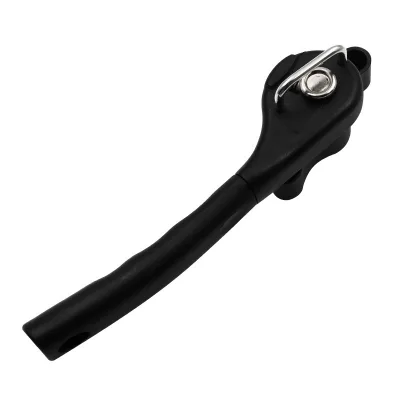


Bottle Opener, Kitchen Opener, Can Opener, Mini Bottle Opener, Promotion Opener
$0.15 - $0.18
MOQ: 500 Pieces

Can Opener, Metal Opener, Wine Opener, Beer Opener, Kitchen Opener, Promotion Opener
$0.20 - $0.30
MOQ: 500 Pieces


Comprehensive Sourcing Guide
Table Top Can Opener Sourcing Guide
Sourcing table top can openers requires a clear understanding of the mechanical design and intended usage environment. These devices are primarily designed for commercial and household use, offering a stable, hands-free solution for opening cans efficiently. The observed market includes models with specific features such as stainless steel construction, which provides durability and resistance to corrosion in high-moisture kitchen environments. Buyers must distinguish between manual handheld units and desktop variants, as the latter often require secure mounting or a heavy base to prevent tipping during operation.
The procurement landscape for these tools is diverse, with origins spanning major manufacturing hubs in China, including Jiangmen, Fenghua, and Shenzhen. Listings indicate a wide range of customization options, from logo printing to specific packaging requirements, catering to both private label brands and direct commercial buyers. Understanding the specific model numbers, such as GQ-MO013 or MI24054, helps in identifying the exact mechanical configuration and material composition. This guide outlines the critical verification steps needed to ensure the selected product meets safety, performance, and commercial standards.
Product Scope and Observed Listing Signals
The current market listings reveal a significant variation in product specifications, with observed prices ranging from $0.05 to $32.50 USD. This wide range suggests a spectrum from basic, high-volume commodity items to more complex, feature-rich desktop units. Minimum order quantities (MOQs) also vary considerably, starting from as low as 10 pieces up to 3,000 pieces, allowing flexibility for both small retailers and large institutional buyers. Buyers should note that lower MOQs often correlate with higher unit costs, while bulk orders may unlock better pricing tiers but require significant storage and capital allocation.
Material composition is a key differentiator, with stainless steel being a prominent attribute in many listings. This material choice is critical for hygiene and longevity, particularly in settings where the opener is exposed to water, food acids, and frequent cleaning. Some products are described with specific dimensions, such as 211047.5cm or 50x34x8mm, indicating the physical footprint and space requirements for installation. Additionally, features like "no sharp edge" and "reusable" design highlight safety and sustainability considerations, which are increasingly important for modern procurement policies and consumer safety standards.
Technical Specifications to Verify
Verifying the mechanical integrity and operational ease of the can opener is essential for long-term satisfaction. Buyers should inspect the blade mechanism to ensure it cuts cleanly without crushing the can rim, which can cause spills or injury. The presence of a beer bottle opener function, as noted in some models, adds versatility but requires verification of the secondary mechanism's durability. It is crucial to confirm that the desktop base is stable and does not wobble during use, as instability can lead to inconsistent cutting or safety hazards. The weight of the unit, such as the observed 205g, can indicate the solidity of the construction, with heavier units often providing better stability.
Packaging specifications also play a role in logistics and product protection. Listings show various packing methods, including single boxes, plastic bags, and carton packaging, with dimensions like 2165 Cm for individual units. Buyers must ensure that the packaging protects the sharp edges and delicate mechanisms during transit. Customization options, such as logo printing and specific color choices, should be confirmed with the supplier to ensure they align with brand guidelines. Additionally, verifying the model number against the supplier's catalog ensures that the exact specifications, such as the #2 44cm standard or specific size like 13inch, are met.
Compliance and Safety Documentation
Safety is paramount when sourcing kitchen tools that involve sharp blades. Buyers must request documentation that confirms the product meets relevant food contact material regulations, ensuring that no harmful substances leach into food during use. Stainless steel products should be verified for food-grade certification, although specific standards were not explicitly listed in all observations. The design should minimize the risk of injury, with features like covered blades or safe handling mechanisms being preferred. Buyers should also check for any sharp edges on the body of the opener that could cause cuts during handling or cleaning.
Quality control processes are another critical area for verification. Some suppliers mention 100% inspection, which is a positive indicator of manufacturing rigor. Buyers should inquire about the specific quality control steps taken, such as blade sharpness testing, structural integrity checks, and surface finish inspections. Certifications like SGS or ISO9001, mentioned in some listings, provide additional assurance of manufacturing standards. However, buyers should verify the validity and scope of these certifications directly with the certifying body or through the supplier's documentation. Ensuring that the product is new and not refurbished is also important for warranty and performance expectations.
Cost Drivers and Commercial Terms
The cost of table top can openers is influenced by several factors, including material quality, manufacturing complexity, and order volume. Stainless steel construction typically commands a higher price than plastic or coated metal alternatives due to material costs and processing requirements. Customization, such as logo printing or unique packaging, adds to the unit cost and may require setup fees. Buyers should negotiate clearly on whether these customization costs are included in the quoted price or charged separately. Understanding the total landed cost, including shipping and duties, is essential for accurate budgeting.
Commercial terms, including payment methods and lead times, vary among suppliers. While specific lead times were not provided in the observations, buyers should establish clear delivery schedules to avoid stockouts. Payment terms, such as deposits or letters of credit, should be negotiated based on the order size and supplier relationship. Export markets are global, indicating that suppliers are experienced in international logistics, but buyers should confirm Incoterms to understand responsibility for shipping and insurance. Clear communication regarding returns and warranties is also crucial, especially for large orders where defects may be discovered after installation.
Supplier Qualification and Quality Control
Selecting a reliable supplier is critical for consistent product quality and service. Buyers should verify the supplier's business license and manufacturing capabilities, especially if they are sourcing directly from factories in regions like Jiangmen, Fenghua, or Shenzhen. Experience in exporting to global markets is a positive sign, as it indicates familiarity with international standards and logistics. Requesting samples before placing a bulk order allows for hands-on evaluation of the product's quality, functionality, and packaging. This step is essential for identifying any potential issues with blade sharpness, stability, or material finish.
Quality control agreements should be established before production begins. This includes defining acceptable quality limits (AQL) for defects and specifying inspection procedures. Buyers may choose to conduct third-party inspections during production or before shipment to ensure compliance with specifications. Clear communication regarding any deviations from the agreed standards is vital. Suppliers who offer 100% inspection, as noted in some listings, may provide more consistent quality, but independent verification is still recommended. Building a strong relationship with the supplier can lead to better support for future orders and potential improvements in product design.
Long-Term Procurement Checks
Long-term procurement success depends on continuous monitoring of product performance and supplier reliability. Buyers should track customer feedback and return rates to identify any recurring issues with the can openers. This data can inform future purchasing decisions and negotiations with suppliers. Regular audits of the supplier's quality control processes can help maintain high standards over time. Additionally, staying informed about changes in safety regulations and material standards ensures that the products remain compliant and competitive in the market.
Sustainability and durability are increasingly important factors in procurement. Buyers should evaluate the product's lifespan and repairability, as well as the environmental impact of its materials and packaging. Stainless steel products are often preferred for their recyclability and longevity. Buyers may also consider suppliers who offer eco-friendly packaging options or have sustainability certifications. By focusing on these long-term factors, buyers can build a resilient supply chain that delivers value and meets evolving market demands. Regular review of supplier performance and product quality will help maintain a competitive edge and customer satisfaction.
FAQs
How do I choose a manual Table Top Can Opener for commercial use?
Choose a model made of stainless steel with a sturdy base, since listings in this category commonly specify stainless steel construction and use in home, kitchen, restaurant, and bar settings. Check the listed size or standard, such as 13 inch or 44 cm models, confirm the packing style suits your channel, and verify whether logo customization and packaging like cartons or boxes are available from the supplier.
What materials and sizes are typical for table top can openers?
Stainless steel is the most commonly listed material, giving corrosion resistance and durability for busy kitchens. Sizes vary by model, with observed specifications including 13 inch, 44 cm, and compact formats around 50x34x8 mm for hand-held style units. Always compare the product standard field on each listing, since dimensions like 21x10x47.5 cm describe packaging rather than the opener itself.
Can I order table top can openers with a custom logo?
Yes, customization is available on listings in this category, and several products explicitly state logo printing with logo or customized logo. Minimum order quantities vary by supplier, with observed MOQs ranging from 10 to 3000 pieces and one listing stating 100 PCS. Confirm the printing method, artwork requirements, and any added cost per unit before placing a trial order.
What is the typical minimum order quantity for table top can openers?
MOQs in this category range widely, from as low as 10 pieces to 3000 pieces, with some listings stating 100 PCS. Lower MOQs usually suit sampling or small retail tests, while higher MOQs often correspond to factory-direct production with customization. Ask each supplier to confirm the current MOQ, whether mixed models count toward it, and what quantity unlocks better pricing.
How are table top can openers packed for shipping?
Packing varies by product. Common arrangements include one piece into one box, plastic bags inside cartons, or package cartons for bulk shipments, with single packing style noted on some listings. Packaged dimensions, such as 21x6x5 cm or 21x10x47.5 cm cartons, affect freight cost per unit. Confirm the carton count, gross weight, and whether retail-ready boxes can be customized with your branding.
Which features indicate a durable Table Top Can Opener?
Look for stainless steel construction, a design described as having no sharp edge, and features listed as sustainable and stocked for quick dispatch. Products advertising easy and quick use, or dual function such as opening cans and beer bottles, suit bars and households alike. Listings noting 100 percent inspection quality control or SGS and ISO9001 references signal attention to consistency, but verify any certification directly with the supplier.
What does a Table Top Can Opener cost on the wholesale market?
Listed prices in this category span roughly from 0.05 to 32.5 US dollars per unit, reflecting differences in size, material grade, branding, and order volume. Basic stainless steel manual models sit at the lower end, while larger or desktop commercial units command higher prices. Request quotations at your target MOQ, since pricing typically improves with volume and customization may add per-unit cost.
Can one opener handle both cans and beer bottles?
Yes, several listings describe dual-function products with the standard noted as can opener with beer bottle opener, and the function described as opening cans or beer bottles. These are marketed for beer bottles specifically, suitable for bars, restaurants, and home kitchens. If your buyers need single-purpose tools, confirm with each supplier which models are can-only, since specifications differ across the range.