Source Tablet Case for iPad, Laptop, and Universal Devices
Explore 30 verified Tablet Case options from Guangdong suppliers. Compare prices, materials like EVA and PU leather, and customization features for protecting tablets and laptops. Request samples and quotes today; compare the available evidence and request quotations based on your requirements.
Key considerations
Products List
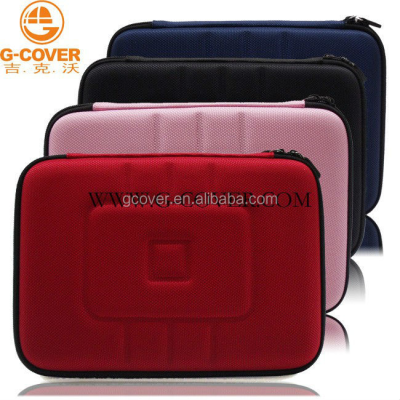
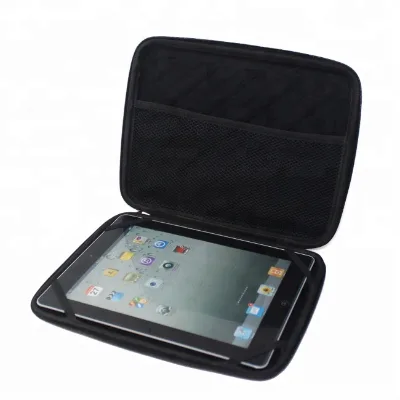
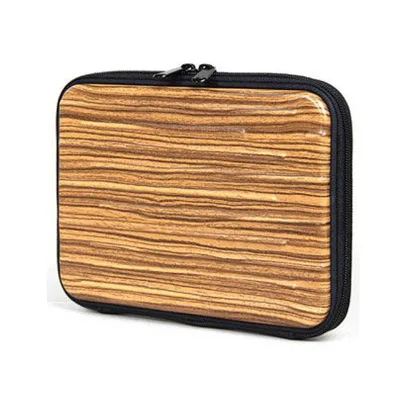
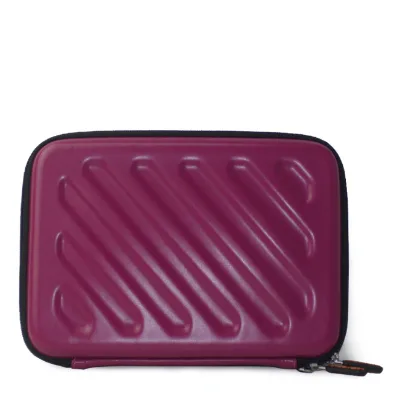


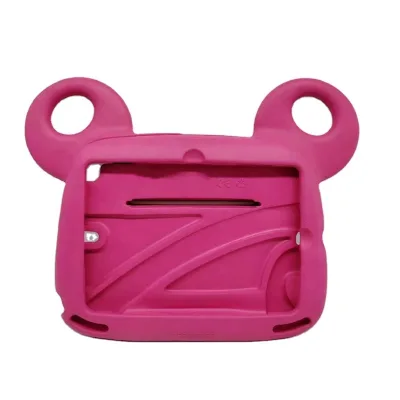
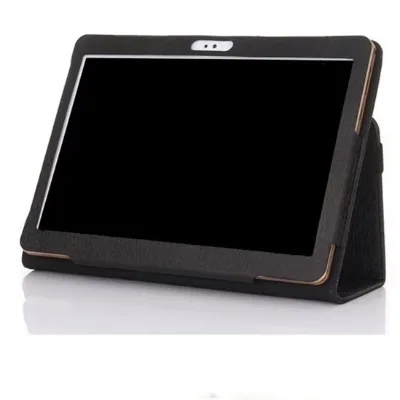
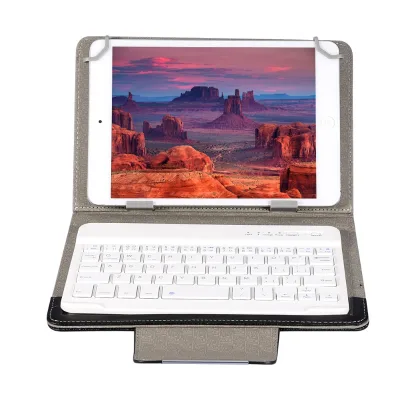
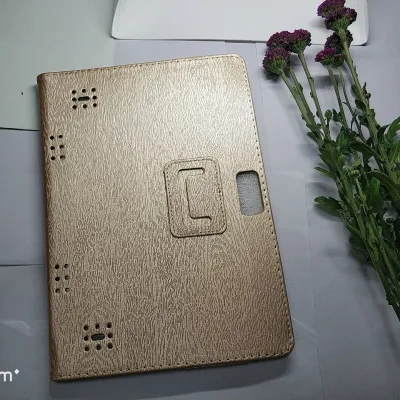

Applicable Pad Protective Case Protective Cover Leather Soft Shell Tablet Case
$1.99 - $3.49
MOQ: 300 Pieces


PU Tablet Case for iPad 10th Tablet with a Bracket Cover Wholesale Tablet Bag
$4.30 - $4.50
MOQ: 100 Pieces


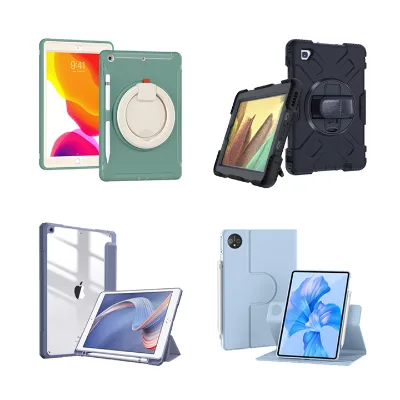


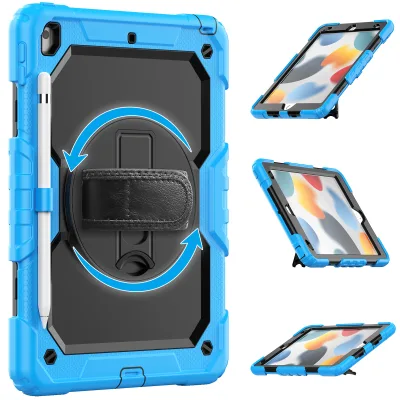


Generation Case with Keyboard, Tablet Covers Cases Detachable Keyboard
$17.50 - $23.50
MOQ: 200 Pieces

Comprehensive Sourcing Guide
Tablet Case Sourcing Guide
Procuring tablet cases requires a disciplined approach to verifying material integrity, functional protection, and commercial flexibility. Buyers must move beyond superficial aesthetic descriptions to understand the underlying construction methods that determine product longevity. The market offers diverse options, from rigid EVA shells to flexible PU leather covers, each serving distinct protection needs. Understanding these variations is critical for aligning product specifications with end-user expectations.
Successful sourcing begins with defining the precise protection level required for your target market. Whether the priority is shock absorption, waterproofing, or dust resistance, the material choice dictates the case's performance. Buyers should request detailed technical sheets that outline impact resistance and environmental durability. This foundational step ensures that the selected product meets the specific operational demands of the devices it protects, preventing costly returns or reputational damage.
Product Scope and Observed Listing Signals
The observed product range includes hard EVA cases, PU leather covers, and universal protective shells. Listings frequently highlight features such as shockproof, waterproof, and dustproof capabilities. Material composition is a primary differentiator, with EVA offering rigid structural support while PU leather provides a premium tactile experience. Buyers should note that "universal" fit claims often apply to specific screen sizes, such as 10.1-inch or 9.7-inch tablets, rather than all devices.
Listing signals also reveal customization capabilities, including color options ranging from standard black to multi-color and custom Pantone codes. Many suppliers offer OEM and ODM services, allowing for custom logos via silkscreen printing. Packaging details, such as OPP bags or PP bags, are also specified. Buyers must verify that the listed "factory price" aligns with the actual unit cost at their required volume, as pricing can vary significantly based on order size and customization complexity.
Technical Specifications to Verify
Buyers must rigorously verify the physical dimensions and compatibility of the case with specific tablet models. While listings may state "universal" or "for all 10.1 inch," precise internal measurements are essential to ensure a snug fit without obstructing ports or buttons. Confirming the closure type, such as zippers for briefcase-style cases, is also vital for assessing user convenience and security. Detailed size charts should be requested to avoid compatibility issues.
Material specifications require close scrutiny to ensure they match the advertised properties. For EVA cases, verify the density and thickness to confirm shock absorption capabilities. For PU leather, check the quality of the stitching and the durability of the material under stress. Additionally, confirm the weight of the unit, as some listings may show zero or negligible values, which can indicate data entry errors. Accurate weight data is crucial for calculating shipping costs and logistics planning.
Compliance and Safety Documentation
Although specific certification statuses are not always explicitly listed, buyers must request documentation proving compliance with relevant safety standards. This includes materials safety data sheets (MSDS) to ensure the EVA or PU leather does not contain harmful substances. For products intended for the European market, CE marking is often expected, but buyers should verify the scope of this certification. Requesting test reports for flammability and chemical resistance is a prudent step.
Documentation should also cover environmental claims, such as recyclability or eco-friendly features. If a supplier claims a product is "eco-friendly," request evidence of sustainable sourcing or biodegradable components. This verification process protects the buyer from legal liabilities and ensures that marketing claims are substantiated. Maintaining a file of all compliance documents for each batch is essential for audit readiness and long-term supply chain transparency.
Cost Drivers and Commercial Terms
The observed price range for tablet cases is broad, spanning from low-cost bulk items to premium customized units. Key cost drivers include material quality, customization complexity, and order volume. Custom colors, especially those requiring specific Pantone codes, and logo application methods like silkscreen printing, add to the unit cost. Buyers should request tiered pricing structures to understand how costs decrease with higher order quantities, ensuring they negotiate the best possible rate for their volume.
Commercial terms also include payment methods and lead times. Suppliers often accept Western Union, PayPal, or T/T, but buyers should clarify the payment schedule, such as deposit and balance terms. Lead times for samples are typically 3-7 days, while bulk production may take 18-25 days. Understanding these timelines is critical for inventory planning. Buyers should also clarify if the quoted price includes packaging and shipping, or if these are additional costs, to avoid budget overruns.
Supplier Qualification and Quality Control
Qualifying a supplier involves assessing their production capabilities and quality control processes. Request samples to evaluate the physical quality of the case, including the smoothness of the EVA surface, the durability of the PU leather, and the functionality of zippers or closures. Inspect the sample for any defects such as uneven stitching, peeling material, or misaligned ports. A reliable supplier will provide consistent quality across batches, so initial sample approval is a critical checkpoint.
Quality control protocols should be discussed in detail, including the percentage of inspection and the criteria for acceptance. Ask about the supplier's defect rate and their policy for handling defective units. For large orders, consider arranging third-party inspections before shipment to ensure compliance with agreed specifications. Building a relationship with a supplier who communicates proactively about potential issues and offers solutions is more valuable than finding the lowest price.
Long-Term Procurement Checks
For long-term partnerships, buyers should establish clear performance metrics and review processes. Regularly audit the supplier's production capacity and financial stability to ensure they can meet future demand. Monitor the consistency of product quality over time, as variations can occur due to changes in raw material suppliers or production processes. Implementing a scorecard system to track delivery times, defect rates, and responsiveness helps in making informed decisions about continuing or terminating the partnership.
Additionally, keep abreast of market trends and technological changes that may affect Tablet Case design. As tablet models evolve, so do the requirements for case compatibility. Engage in regular dialogue with the supplier to discuss new product developments and potential improvements. This proactive approach ensures that your product line remains competitive and relevant. By maintaining open communication and setting clear expectations, you can foster a collaborative relationship that supports mutual growth and success.
FAQs
What materials are used for the tablet cases?
The tablet cases are primarily made from EVA material, which offers shockproof and waterproof protection. Some models also feature PU leather for a hard case design. These materials ensure the device is protected against dust and dirt while maintaining a durable structure for daily use.
Can I customize the color and logo of the case?
Yes, customization is available for both color and logo. Buyers can select from multi-color options or provide a specific Pantone code for the desired shade. The logo can be applied via silkscreen printing, allowing for personalized branding on the protective shell for tablets and laptops.
What is the minimum order quantity for these cases?
The minimum order quantity is 500 pieces per color. This standard applies to the factory price products listed. Buyers should note that the MOQ is set at this level to ensure efficient production runs while accommodating custom designs and specific color requirements for bulk orders.
How long does it take to receive a sample?
It takes 3 to 7 days to produce a sample of the Tablet Case. This sample time allows buyers to verify the quality and fit before committing to a larger order. The sample process supports the customization options available for logos and specific design requirements.
Where are these tablet cases manufactured?
These tablet cases are manufactured in Guangdong, China. The production origin ensures access to established manufacturing capabilities for EVA and PU leather products. Buyers can expect the goods to be sourced from this specific region known for its electronics accessory production.
What payment methods are accepted for these orders?
Accepted payment methods include Western Union, PayPal, and T/T. These options provide flexibility for international buyers purchasing tablet cases. The payment terms are standard for factory-direct transactions, ensuring secure processing for both small sample orders and larger bulk purchases.
What is the delivery time for bulk orders?
The delivery time for bulk orders is typically 18 to 25 days. This lead time covers production and shipping after the order is confirmed. Buyers should plan their inventory accordingly, as this duration accounts for the manufacturing process and logistics from the factory in China.