Source Tebuthiuron Herbicide for Rangelands for Weeds, Grasses, and Shrubs
Find 30 Tebuthiuron Herbicide for Rangelands options with varying formulations like 80% WDG and 500g/L SC. Buyers can compare customization, packaging, and application methods for selective and non-selective weed control needs.
Key considerations
Products List


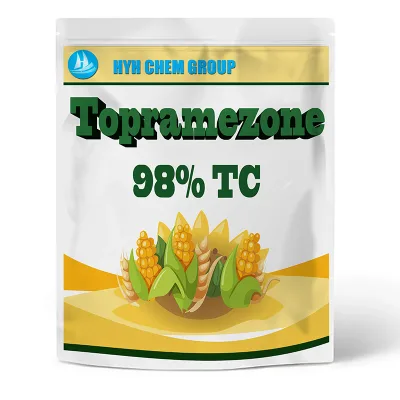
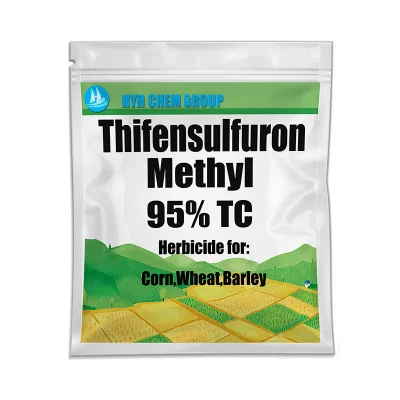


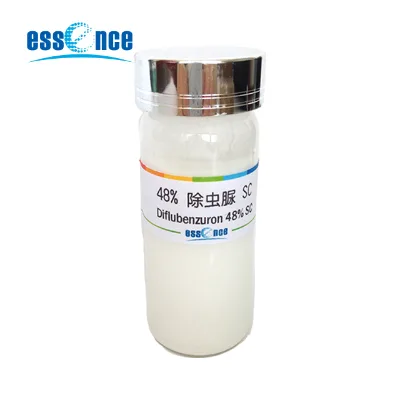



Comprehensive Sourcing Guide
Strategic Sourcing Guide for Tebuthiuron Herbicide in Rangeland Management
Procuring tebuthiuron herbicide for rangeland applications requires a rigorous understanding of formulation types, regulatory compliance, and supplier capabilities. As a broad-spectrum herbicide, tebuthiuron is critical for long-term vegetation control in grazing lands, yet its efficacy and safety depend heavily on the specific product attributes selected. Buyers must navigate a complex landscape of chemical compositions, ranging from organic to inorganic forms, and varying application methods. This guide outlines the essential factors for sourcing this chemical, ensuring that procurement decisions are grounded in verified product data and industry best practices.
Technical Specifications and Formulation Variants
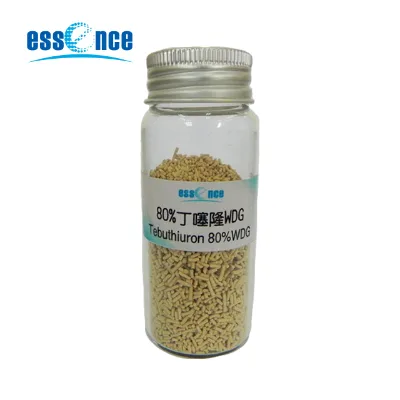
The technical specifications of tebuthiuron vary significantly based on the intended application method and the target vegetation. The supplied product data indicates a diverse range of formulations available in the market, including 80% WDG (Water Dispersible Granules), 97% TC (Technical Concentrate), 98% TC, and various liquid formulations such as 50% SC (Suspension Concentrate) and 500g/L FS (Flowable Concentrate). The distinction between these forms is critical for rangeland management. For instance, the 80% WDG is characterized by a granular appearance and is often used for soil treatment, while liquid formulations like the 50% SC or 500g/L FS are designed for specific application techniques involving cauline leaf treatment or soil application.
Buyers must verify the specific composition of the product. The data shows that tebuthiuron products can be categorized as either organic or inorganic in composition, though the active ingredient itself is a specific chemical entity. The CAS numbers associated with these products, such as 314-40-9 and 34014-18-1, serve as unique identifiers for the chemical substance, ensuring that the procurement matches the required active ingredient. Furthermore, the method of application is a key differentiator; some products are designated as soil treatment agents, while others are optimized for cauline leaf treatment. Selecting the wrong formulation can lead to reduced efficacy or unintended environmental impact. The specific conductivity of the product, described in the data as "The Herbicide Transmitting" or "The Tag Type Herbicides," also suggests variations in how the chemical moves through the plant system, which is vital for understanding its mode of action in rangeland ecosystems.
Regulatory Compliance and Certification Verification
When sourcing herbicides for rangelands, compliance with international and local standards is non-negotiable. The product data references several standards, including "Tebuthiuron" as a standard itself, alongside specific purity levels like 98% TC and 98%. However, buyers should not assume that all listed products meet every regulatory requirement without verification. The presence of "Registration support" as a service offered by suppliers indicates that some vendors may assist with the complex process of getting the herbicide approved for use in specific jurisdictions.
Buyers must verify that the product conforms to the standards of the destination country. While the data mentions standards such as "sc" and specific purity grades, it does not explicitly list certifications like ISO or EPA registration numbers. Therefore, the procurement strategy must include a direct inquiry to the supplier regarding the specific certifications held for the batch being purchased. The origin of the product, noted as Shanghai or generally China, implies that the supply chain may cross multiple regulatory borders. It is essential to confirm that the product meets the safety and environmental standards of the importing region. The absence of explicit certification data in the general product list means that the buyer must treat the "standard" attribute as a baseline requirement to be validated against local laws rather than a guaranteed compliance status.
Cost Drivers and Pricing Dynamics
The cost of tebuthiuron herbicide is influenced by several factors, including formulation type, purity, and packaging requirements. The observed price range in the market spans from $0.99 to $101.3 USD, a wide variance that reflects differences in concentration, packaging size, and the level of customization required. High-purity technical concentrates like 98% TC or 97% TC may command different price points compared to formulated products like 80% WDG or 50% SC. Additionally, the Minimum Order Quantity (MOQ) plays a significant role in the final cost per unit. The observed MOQ range of 1 to 5000 units suggests that buyers can source small samples for testing or large industrial quantities, with the unit price likely decreasing as the order volume increases.
Packaging is another major cost driver. The data lists various packaging options, including 1kg aluminum foil bags, 5kg, 10kg, and 25kg fiber drums, as well as liquid formulations in 1L bottles or 200L drums. Customized packaging, ranging from 10ml to 200L, is available but may incur additional costs due to the specialized manufacturing required. Buyers should evaluate the total cost of ownership, which includes not just the unit price but also shipping, handling, and the cost of any custom packaging fees. The availability of samples is a crucial factor for cost management, allowing buyers to test the product before committing to large orders, thereby mitigating the risk of purchasing unsuitable inventory.
Typical Applications and Usage Scenarios
Tebuthiuron is primarily used as a selective or non-selective herbicide, depending on the specific formulation and application rate. The product data highlights its usage in selective applications, as well as non-selective scenarios, indicating its versatility in rangeland management. The method of application is critical; the herbicide is effective as a soil treatment agent, where it is absorbed by the roots of target weeds, or as a cauline leaf treatment, where it is applied directly to the foliage. This dual capability makes it suitable for controlling a wide range of woody plants and grasses in grazing lands.
The specific application method must align with the product's formulation. For example, granular forms like the 80% WDG are typically broadcast over the soil surface, while liquid formulations like the 500g/L SC may be sprayed. The "Specific Conductivity" attributes mentioned in the data, such as "The Herbicide Transmitting," suggest that the chemical's movement within the plant is a key factor in its efficacy. Buyers must ensure that the chosen product matches the specific vegetation control needs of their rangeland. Whether the goal is to eliminate invasive species or manage existing grasses, the selection of the correct formulation and application method is paramount for success.
Supplier Evaluation and Service Capabilities
Evaluating suppliers for tebuthiuron herbicide requires a focus on their service capabilities and flexibility. The data indicates that suppliers offer services such as samples customization, customized formulations, customized packaging, and registration support. These services are vital for buyers with specific needs, such as those requiring a unique concentration or a specific packaging size for their equipment. The ability to provide samples is particularly important, as it allows buyers to verify the product quality before making a bulk purchase.
Suppliers located in Shanghai or generally in China are common sources for these products. However, the location alone does not guarantee quality. Buyers should assess the supplier's ability to meet the specific standards and certifications required by their market. The "prod_packing" attribute shows that suppliers can accommodate requests ranging from small 1kg bags to large 200L drums, indicating a high degree of flexibility. When evaluating a supplier, buyers should inquire about their track record in providing registration support, as this can significantly reduce the time and cost associated with bringing the product to market. The availability of customized formulations and packaging suggests that suppliers are willing to work closely with buyers to meet their unique requirements, which is a positive indicator of a reliable partnership.
Quality Control and Long-Term Procurement Considerations
Quality control is essential when sourcing agricultural chemicals like tebuthiuron. Buyers must verify the consistency of the product attributes, such as the color, which is listed as white or white granular, and the formulation type. The data mentions various formulation types, including FS and SC, which must be consistent with the buyer's specifications. Long-term procurement considerations include the stability of the supply chain and the ability of the supplier to maintain consistent quality over time.
Buyers should establish clear quality benchmarks based on the observed product attributes, such as the CAS numbers and purity levels. Regular testing of the received product against these benchmarks is necessary to ensure that the herbicide remains effective. Additionally, the lead time and reliability of the supplier are critical factors. While specific lead times are not provided in the data, buyers should negotiate clear delivery schedules to avoid disruptions in their rangeland management programs. The ability of the supplier to provide customized packaging and formulations can also enhance the long-term viability of the procurement relationship, ensuring that the product remains adaptable to changing needs.
Final Procurement Strategy Summary
In conclusion, sourcing Tebuthiuron Herbicide for Rangelands requires a meticulous approach that balances technical specifications, regulatory compliance, and supplier capabilities. Buyers must carefully evaluate the formulation types, from 80% WDG to 500g/L SC, and ensure that the product matches the specific application methods required for their rangeland. The wide price range and MOQ flexibility offer opportunities for cost optimization, but buyers must remain vigilant about verifying standards and certifications. By focusing on suppliers that offer customization, registration support, and high-quality samples, buyers can secure a reliable supply of tebuthiuron that meets their operational needs while adhering to safety and environmental regulations. The final procurement decision should be based on a comprehensive assessment of all these factors, ensuring that the selected product delivers the desired efficacy and value.
FAQs
What formulations are available for Tebuthiuron Herbicide for Rangelands?
Available formulations include 80% WDG, 97% TC, 98% TC, 50% SC, and 500g/L FS. These forms vary in appearance from granular to liquid and suit different application methods like soil treatment or leaf application.
Can I request customized packaging for Tebuthiuron Herbicide for Rangelands?
Yes, suppliers offer customized packaging ranging from 10ml to 200L for liquid formulations. Options also include 1kg aluminum foil bags, 5kg, 10kg, and 25kg fiber drums to meet specific client needs.
Which application methods are supported by Tebuthiuron Herbicide for Rangelands?
The herbicide supports soil treatment and cauline leaf treatment methods. Buyers should select the specific formulation, such as 80% WDG for soil or liquid SC for leaf application, to ensure effective vegetation control.
What is the price range for Tebuthiuron Herbicide for Rangelands?
The observed price range spans from 0.99 to 101.3 USD per unit. This variance depends on the formulation type, purity level, packaging size, and the minimum order quantity selected by the buyer.
How can I verify the composition of Tebuthiuron Herbicide for Rangelands?
Products are categorized as either organic or inorganic composition with CAS numbers 314-40-9 and 34014-18-1. Buyers must verify these identifiers against their specific requirements to ensure the correct active ingredient is procured.
Can suppliers provide samples of Tebuthiuron Herbicide for Rangelands?
Samples are available for customization and testing purposes. This service allows buyers to verify product quality and efficacy before committing to larger orders with minimum quantities ranging from 1 to 5000 units.