Source Adaptive Control Solar Warning Light for Road Construction
Find and compare 30 Adaptive Control Solar Warning Light options from verified China suppliers. These units feature IP65/IP67 ratings, amber and red LED signals, and CE RoHS certifications for road construction, parking, and tunnel applications; compare the available evidence and request quotations based on your requirements.
Key considerations
Products List

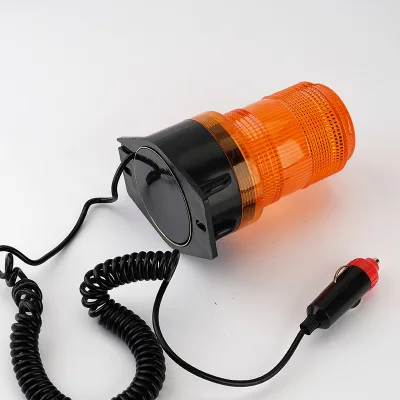


Superior Quality Weatherproof Solar Warning Light for Road Safety Alerts
$2.10 - $2.50
MOQ: 1000 Pieces


Low Price Tower Crane Warning Light
$0.50 - $1.00
MOQ: 1 Sets
Mingyuan Dazhi Import and Export Trading (Liaoning) Co., Ltd


Comprehensive Sourcing Guide
Adaptive Control Solar Warning Light Sourcing Guide
Procuring adaptive control solar warning lights requires a strategic approach that balances energy efficiency with intelligent traffic management capabilities. These devices are designed to enhance visibility and safety in dynamic environments by adjusting their signal patterns based on real-time conditions or preset algorithms. Buyers must prioritize suppliers who demonstrate robust engineering in both the photovoltaic components and the control logic, ensuring that the lights perform reliably under varying weather conditions. The integration of solar power eliminates the need for complex wiring infrastructure, making these units ideal for temporary road construction sites, emergency response zones, and permanent traffic management installations where grid connectivity is unavailable or costly.
The core value proposition lies in the ability of these lights to reduce energy consumption while maintaining high visibility through smart flashing or steady-state modes. Sourcing teams should evaluate how the adaptive control mechanism interacts with the LED array and battery management system to extend operational life. It is crucial to verify that the control logic can handle environmental stressors such as temperature fluctuations and humidity without compromising signal integrity. By focusing on systems that offer customizable signal patterns, buyers can tailor the warning lights to specific regulatory requirements or site-specific safety protocols, ensuring maximum effectiveness in guiding traffic and protecting workers.
Product Scope and Observed Listing Signals
Market listings for adaptive control solar warning lights reveal a diverse range of specifications, with observed price points spanning from $0.50 to $145 USD, reflecting variations in component quality and feature sets. The minimum order quantities (MOQ) typically range from 1 to 2,000 units, indicating flexibility for both small-scale pilot projects and large infrastructure deployments. Many suppliers highlight high-visibility features and specific light colors such as amber, red, and green, which are critical for conveying distinct traffic instructions. Buyers should note that while some listings mention large stock availability, direct contact is often required to confirm immediate shipment capabilities and bulk pricing tiers.
Observed product attributes include housing materials like polypropylene (PP), polycarbonate (PC), and ABS, which offer varying degrees of durability and impact resistance. IP ratings commonly cited include IP65 and IP67, signifying protection against dust and water jets, essential for outdoor deployment. Functional descriptions often encompass flash alarm signals, traffic signal wands, and lane signals, catering to applications in road construction, railways, parking facilities, and tunnels. The presence of certifications such as CE and RoHS suggests adherence to European safety and environmental standards, though buyers must verify the validity of these certificates for their specific target markets.
Technical Specifications to Verify
When evaluating technical specifications, buyers must scrutinize the solar panel efficiency and battery capacity to ensure reliable operation during periods of low sunlight. Typical observed standards include 0.3W to 0.5W solar panels with polycrystalline silicon cells, paired with batteries that support extended standby times. The LED configuration is another critical factor, with options ranging from 2 to 6 LEDs per unit, influencing the luminous intensity and viewing angle. Housing dimensions, such as 9495130mm or 28x18cm, affect the physical footprint and mounting options, so buyers should align these dimensions with their existing infrastructure or mounting hardware requirements.
The adaptive control mechanism must be verified for its responsiveness and programmability, allowing for customization of signal patterns to meet specific site needs. Working temperature ranges, typically observed between -10°C and +65°C, indicate the operational limits of the device, ensuring performance in extreme climates. Buyers should also assess the lens material, such as PS (polystyrene) or PC, which impacts light transmission and durability. Additionally, the control method should be confirmed as truly adaptive, capable of adjusting to ambient light levels or external triggers, rather than relying solely on fixed timers, to maximize energy efficiency and signal relevance.
Compliance and Safety Documentation
Compliance with international safety and environmental standards is non-negotiable for sourcing adaptive control solar warning lights. Certifications such as CE and RoHS are frequently cited, indicating conformity with European health, safety, and environmental protection standards. Buyers must request valid certificates from accredited bodies to ensure that the products meet the regulatory requirements of their destination markets. ISO certifications may also be present, suggesting adherence to quality management systems, which can be a proxy for manufacturing consistency and reliability. It is essential to verify that these certifications are current and applicable to the specific product models being procured.
Safety documentation should include detailed user manuals, installation guides, and maintenance instructions to ensure proper deployment and operation. Buyers should also inquire about any additional testing reports, such as electromagnetic compatibility (EMC) or photometric performance tests, which provide assurance of the device's electrical safety and optical efficiency. For applications in road construction or traffic management, compliance with local traffic authority regulations is critical, and suppliers should be able to provide evidence that their products meet these specific standards. Ensuring comprehensive documentation helps mitigate legal risks and facilitates smoother customs clearance and site acceptance processes.
Cost Drivers and Commercial Terms
Cost drivers for adaptive control solar warning lights include the quality of solar panels, battery technology, and the sophistication of the adaptive control circuitry. Higher-efficiency panels and longer-lasting batteries increase upfront costs but reduce long-term maintenance and replacement expenses. Buyers should consider the total cost of ownership, factoring in energy savings and reduced infrastructure costs associated with wireless operation. Commercial terms such as MOQ, payment methods, and lead times vary significantly among suppliers, so negotiating favorable terms is crucial for budget management. Large stock availability may offer faster delivery but could come at a premium, while custom orders might require longer lead times but offer better pricing.
Packaging and shipping costs also impact the overall procurement budget, with options ranging from cardboard boxes to shrink wrap and white boxes. Buyers should evaluate the packaging integrity to prevent damage during transit, especially for units with sensitive electronic components. Freight forwarders may offer volume discounts, so consolidating orders can reduce shipping expenses. Additionally, buyers should clarify warranty terms and after-sales support policies, as these can offset potential costs associated with product failures or technical issues. Transparent pricing structures and clear commercial terms help avoid hidden costs and ensure a predictable procurement process.
Supplier Qualification and Quality Control
Supplier qualification involves assessing manufacturing capabilities, quality control processes, and track record in producing adaptive control solar warning lights. Buyers should verify that suppliers have established quality management systems, such as ISO certification, to ensure consistent product quality. Factory audits or third-party inspections can provide insights into production standards, material sourcing, and testing procedures. Suppliers with a history of exporting to reputable markets are often more reliable, as they have navigated complex regulatory environments successfully. Building a relationship with suppliers who prioritize quality and transparency can lead to better product performance and fewer supply chain disruptions.
Quality control measures should include incoming material inspections, in-process checks, and final product testing before shipment. Buyers should request sample units for evaluation to verify performance against specified technical parameters, such as IP rating, light intensity, and adaptive control functionality. Establishing clear acceptance criteria and inspection protocols helps ensure that delivered products meet expectations. Suppliers who offer customization options should demonstrate their ability to maintain quality while adapting products to specific requirements. Regular communication and feedback loops with suppliers can further enhance quality outcomes and foster continuous improvement in the procurement process.
Long-Term Procurement Checks
Long-term procurement checks focus on monitoring product performance, supplier reliability, and market trends to ensure sustained value. Buyers should implement a system for tracking field performance data, including failure rates, maintenance frequency, and user feedback, to identify potential issues early. Regular reviews of supplier performance metrics, such as on-time delivery and defect rates, help maintain high standards of supply chain management. Staying informed about technological advancements in solar warning lights, such as improved battery efficiency or smarter control algorithms, allows buyers to upgrade their fleets proactively and remain competitive.
Sustainability considerations are increasingly important, with buyers evaluating the environmental impact of product disposal and recycling. Suppliers who offer take-back programs or use recyclable materials can help buyers meet their corporate sustainability goals. Additionally, buyers should assess the scalability of their procurement strategy to accommodate future growth or changes in project requirements. Building a diversified supplier base can mitigate risks associated with single-source dependencies. By continuously evaluating and optimizing their procurement processes, buyers can ensure that their adaptive control solar warning lights deliver long-term safety and operational benefits.
FAQs
What housing materials are used for adaptive control solar warning lights?
These lights typically use PP, PC, or ABS housing materials for durability. Some models feature non-metallic shells to ensure safety. The specific material depends on the manufacturer and product model selected for your project requirements.
Which certifications are available for adaptive control solar warning lights?
Common certifications include CE, RoHS, and ISO standards for safety compliance. Some products also meet specific regional requirements. Buyers should verify the exact certification list with the supplier before placing an order.
How does the adaptive control function work in these warning lights?
The adaptive control function adjusts signal patterns based on traffic conditions or environmental factors. This feature enhances visibility and safety on roads. It is integrated into the LED system for efficient operation during various weather conditions.
Can these lights operate in extreme temperatures?
Yes, many models operate within a temperature range of -10 to +65 degrees Celsius. This ensures reliable performance in diverse climates. Always check the specific working temperature specifications for the selected product model.
What solar panel specifications are used in these lights?
Solar panels often use polycrystalline silicon with power ratings around 0.3W. This powers the LED system efficiently. The battery capacity varies by model, ensuring extended operation during low-light conditions.
Which IP ratings are available for outdoor warning lights?
Available IP ratings include IP65 and IP67 for dust and water resistance. These ratings ensure the lights function reliably in harsh outdoor environments. Select the appropriate rating based on your specific installation location.
What packaging options are available for bulk orders?
Packaging options include cardboard boxes, carton boxes, and shrink wrap with white boxes. Some suppliers offer 12 pieces per carton. Custom packaging may be available upon request to meet specific shipping or storage needs.
Where are these adaptive control solar warning lights manufactured?
Most products are manufactured in China, with specific origins like Taizhou. This location supports a robust supply chain for traffic safety equipment. Buyers can source directly from these regions for competitive pricing.