Source Tempered Glass Gas Cooker Hob for Home, Restaurant, and Catering
Compare 30 Tempered Glass Gas Cooker Hob options from verified Chinese manufacturers. Buyers can evaluate built-in models with cast iron supports, electronic ignition, and customizable sizes ranging from 590mm to 920mm for various kitchen setups.
Key considerations
Products List


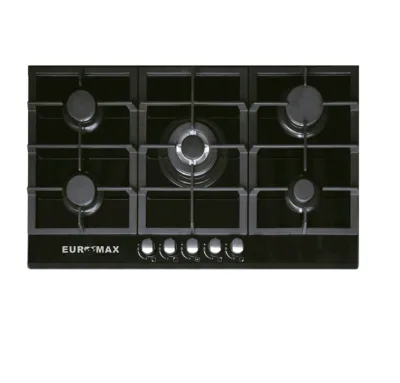


Top Built China Tempered Glass Cooktop Gas Hob 5 Burner Gas Cooker Stove
$45.00 - $60.00
MOQ: 10 Pieces


Comprehensive Sourcing Guide
Strategic Sourcing Guide for Tempered Glass Gas Cooker Hobs
Understanding the Core Product Architecture and Material Composition
The Tempered Glass Gas Cooker Hob represents a significant evolution in kitchen appliance design, prioritizing aesthetic integration alongside functional durability. When sourcing this specific category, buyers must first distinguish between the cooktop surface material and the structural components that support the burners. The primary visual and protective layer is consistently identified as tempered glass, a material selected for its resistance to thermal shock and ease of cleaning. This surface is not merely decorative; it serves as a critical barrier against spills and high-temperature exposure.
However, the integrity of the hob relies heavily on the underlying support structures. In the observed product data, the pan support material is frequently listed as cast iron or enamel-coated cast iron. Cast iron provides the necessary weight and heat retention to stabilize cookware during high-heat cooking, preventing tipping and ensuring even heat distribution. The base construction often utilizes black painted steel or stainless steel bodies, depending on the specific model tier. For instance, certain configurations feature a stainless steel body with front controls, while others may utilize a black painted steel bottom for cost-efficiency. The burner type is universally categorized as a built-in gas cooker, designed to be installed flush within a countertop.
The fuel compatibility is a critical technical variable. The supply chain data indicates a prevalence of models designed for liquefied gas (LPG) and natural gas. Some units are engineered to be dual-fuel capable, supporting both LPG and natural gas configurations, while others are specific to one fuel type. The ignition mode varies significantly across the market, ranging from manual ignition to electronic ignition, pulse-jet ignition, and even advanced systems. Buyers must verify the specific ignition mechanism required for their target market, as this impacts the electrical requirements and user experience. The control interface is typically located at the front, featuring knobs made from plastic steel or similar durable polymers to withstand heat and frequent handling.
Technical Specifications and Dimensional Standards
Precision in technical specifications is paramount for successful integration into kitchen designs. The physical dimensions of the hob must align with the cutout requirements of the countertop. The observed product data reveals a standard range of dimensions, with specific models adhering to precise measurements such as 900510115mm, 590510115mm, and 600520115mm. These figures represent the overall product size, which includes the visible glass surface and the necessary clearance for installation.
The height of the unit, typically around 115mm to 138mm, is a crucial factor for under-counter ventilation and cabinetry depth. Buyers should note that while many models cluster around the 115mm height, some premium or specialized units may reach 138mm. The packing size, which dictates logistics planning, is often larger than the product dimensions to accommodate protective foam and standard cartons. For example, a unit with a standard size of 900*510mm may have a packing size of 920x560x180mm to ensure safe transit.
Power output and heat distribution are other vital technical metrics. The data indicates a range of firepower configurations, with some models featuring heat power ratings of 3.2kW for high-heat searing and lower settings around 1.0kW for simmering. Specific configurations may include multiple burners with varying outputs, such as 3.2kW paired with two 1.65kW burners. The adapter material, often aluminum alloy, ensures a secure connection between the gas supply and the burner assembly. It is essential to verify the exact number of burners and their individual power ratings, as this directly influences the cooking performance and energy efficiency of the appliance.
Compliance, Certification, and Safety Standards
Navigating the regulatory landscape is a non-negotiable aspect of sourcing gas appliances. The market data highlights a robust set of certifications that indicate compliance with international safety and environmental standards. High-confidence facts list certifications including CB, CE, RoHS, Saso, UL, and UR. These certifications are not merely marketing terms but represent rigorous testing for electrical safety, electromagnetic compatibility, and hazardous substance restrictions.
The CE marking, for instance, is a mandatory conformity mark for products sold within the European Economic Area, indicating that the product meets EU safety, health, and environmental requirements. Similarly, the UL (Underwriters Laboratories) and UR marks are critical for the North American market, signifying that the product has been tested for fire and electrical hazards. The RoHS directive ensures that the product is free from specific hazardous materials, which is increasingly important for environmental compliance. For markets in the Middle East, the Saso certification is often required to verify adherence to Saudi Arabian standards.
Buyers must verify that the specific model they intend to purchase holds the relevant certifications for their destination country. The data also references standards such as CE, BV, and SGS, which often relate to quality management systems and product testing protocols. It is imperative to request current certification documents from the supplier, as these documents must be valid and specific to the model number in question. Relying on general claims without verifying the specific certification for the exact model number can lead to customs delays or market rejection.
Cost Drivers and Procurement Economics
The pricing structure for tempered glass gas cooker hobs is influenced by several key variables, including material quality, feature set, and order volume. The observed price range in the market spans from 20 to 130 USD, a wide spectrum that reflects differences in build quality, brand positioning, and technical complexity. The lower end of this range typically corresponds to basic models with standard features, while the higher end encompasses units with advanced ignition systems, dual-fuel capabilities, and premium finishes.
Minimum Order Quantity (MOQ) is another significant cost driver. The data indicates an MOQ range of 10 to 1000 units. Smaller MOQs, such as 10 units, are often available for custom or prototype orders but may carry a higher unit cost. Larger orders, approaching 1000 units, typically benefit from economies of scale, reducing the per-unit price. Buyers should negotiate based on their projected volume, understanding that the unit price is likely to decrease as the order quantity increases.
Logistics costs also play a substantial role in the total landed cost. The loading quantity for a 20-foot container (20gp) is observed to be around 330 units, while a 40-foot high cube (40hq) can accommodate approximately 775 units. These figures are derived from the packing dimensions and the standard carton packaging. Efficient container utilization is essential to minimize shipping costs per unit. Buyers should calculate the total cost of ownership, including freight, insurance, and duties, rather than focusing solely on the ex-works price.
Supplier Evaluation and Quality Assurance Protocols
Selecting a reliable supplier requires a rigorous evaluation process that goes beyond price comparison. The supply chain data indicates that the primary origin for these products is Guangdong, China, a region known for its manufacturing capabilities in kitchen appliances. Buyers should verify the supplier's production capacity and their ability to handle customization requests, as the data confirms that customization is available for many models.
Quality control is a critical differentiator among suppliers. Buyers should request detailed information about the manufacturing process, specifically focusing on the tempering of the glass and the casting of the iron supports. The warranty period, observed to be 12 months for many models, serves as a baseline indicator of the supplier's confidence in their product quality. However, a standard warranty should not be the sole metric for quality assurance. Buyers should inquire about the supplier's internal quality control procedures, including in-process inspections and final testing protocols.
When evaluating suppliers, it is essential to assess their responsiveness to technical queries and their ability to provide documentation. A supplier that can readily provide certification documents, technical datasheets, and detailed packing lists demonstrates a higher level of professionalism. Additionally, buyers should consider the supplier's experience with export logistics, as the ability to manage shipping and documentation efficiently can prevent delays and additional costs.
Long-Term Procurement Considerations and Market Trends
Sourcing tempered glass gas cooker hobs is not a one-time transaction but a strategic partnership that requires long-term planning. The market is evolving with increasing demands for energy efficiency and smart features. While the current data shows a range of standard features, buyers should anticipate future trends such as the integration of smart controls and enhanced safety features like flame failure devices.
The customization options available in the market allow buyers to tailor products to specific regional preferences. This could include variations in color, control layout, or fuel type compatibility. Buyers should plan for these customization needs early in the procurement process to avoid delays. Furthermore, the availability of spare parts and after-sales support is crucial for maintaining customer satisfaction. A supplier that offers a comprehensive warranty and a reliable supply chain for replacement parts adds significant value to the procurement relationship.
As the market continues to grow, buyers must remain vigilant about changes in regulations and standards. The certification landscape is dynamic, with new requirements emerging regularly. Maintaining a close relationship with suppliers who are proactive about regulatory compliance will ensure that the product line remains competitive and compliant in target markets. By focusing on these long-term factors, buyers can build a resilient supply chain that adapts to market changes and delivers consistent value.
Comparative Analysis of Key Product Attributes
To facilitate decision-making, the following table summarizes the key attributes observed in the market for tempered glass gas cooker hobs. This comparison highlights the variability in specifications and helps buyers identify the features most relevant to their specific needs.
| Attribute | Common Observation | Variability Notes |
|---|---|---|
| Cooktop Material | Tempered Glass | Standard across most models; color typically black. |
| Pan Support | Cast Iron / Enamel | Cast iron is dominant; enamel variants exist for specific models. |
| Fuel Type | LPG / Natural Gas | Some models are dual-fuel; others are single-fuel specific. |
| Ignition Mode | Electronic / Pulse-Jet / Manual | Electronic and pulse-jet are common; manual is less frequent. |
| Dimensions | 590-900mm (W) x 510-520mm (D) | Height typically 115-138mm; varies by model series. |
| Certifications | CE, CB, RoHS, UL, UR | Availability depends on target market and model. |
| Warranty | 12 Months | Standard term; verify specific terms with supplier. |
| Origin | Guangdong, China | Primary manufacturing hub for this product category. |
This table serves as a reference point for buyers to quickly assess the typical characteristics of the product category. However, it is crucial to remember that individual models may deviate from these norms. Buyers should always verify the specific specifications of the model they intend to purchase against their requirements.
In conclusion, sourcing tempered glass gas cooker hobs requires a balanced approach that considers technical specifications, regulatory compliance, cost efficiency, and supplier reliability. By adhering to the guidelines outlined in this guide, buyers can navigate the complexities of the market and secure high-quality products that meet their operational and strategic objectives. The focus on verified data and standard practices ensures a procurement process that is both efficient and risk-mitigated.
FAQs
What certifications are available for these gas cookers?
High-confidence facts list certifications including CB, CE, RoHS, Saso, UL, and UR. These marks indicate compliance with international safety and environmental standards for various global regions.
Which fuel types do these built-in gas cookers support?
The supply chain data indicates models designed for liquefied gas and natural gas. Some units are engineered to be dual-fuel capable, supporting both LPG and natural gas configurations.
Can I customize the specifications of the tempered glass hob?
Customization is available for many models in this product category. Buyers should verify specific requirements for color, control layout, or fuel type compatibility with the supplier early in the process.
What is the standard warranty period for these units?
The warranty period is observed to be 12 months for many models. This serves as a baseline indicator of the supplier's confidence in product quality and durability.
How are these cookers packed for international shipping?
Products are typically packed in standard cartons with foam or export standard cartons. Specific packing sizes vary, such as 920x560x180mm, to ensure safe transit and protection.
Which ignition modes are commonly used for these hobs?
Ignition modes vary significantly across the market, ranging from manual ignition to electronic ignition and pulse-jet ignition. Buyers must verify the specific mechanism required for their target market.
What is the typical price range for these gas cookers?
The observed price range in the market spans from 20 to 130 USD. This wide spectrum reflects differences in build quality, feature sets, and order volume discounts.