Source Carbon Filter Island Cooker Hood for Hotels, Homes, and Restaurants
Find 30 Carbon Filter Island Cooker Hood options featuring ducted and recirculating venting. Compare stainless steel models with LED lighting and varying airflow rates to match your kitchen design and ventilation needs; compare the available evidence and request quotations based on your requirements.
Key considerations
Products List


Island Cooker Hood, Kitchen Round Kitchen Island Range Hood Gas Cooker Hoods
$101.00 - $109.00
MOQ: 80 Pieces


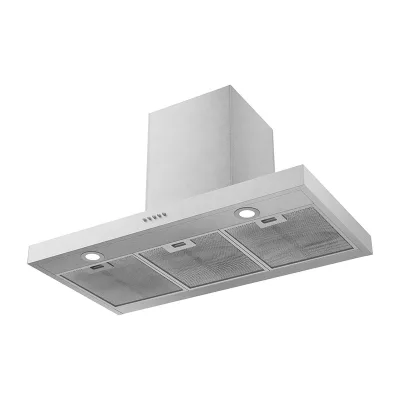
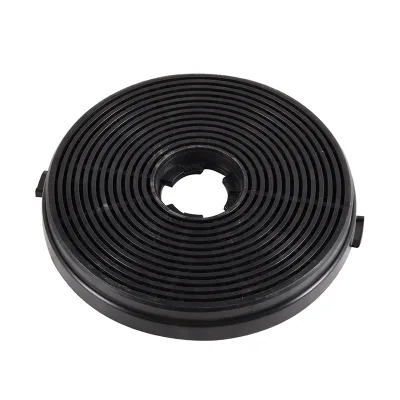


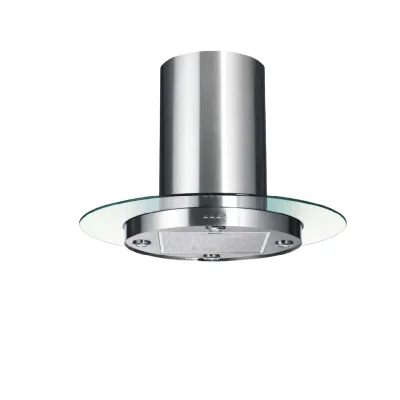
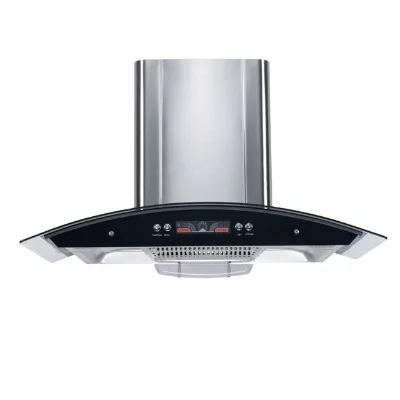

OEM/ODM Commercial Hotel Island Kitchen Stainless Steel Exhaust Chimney Cooker Hood
$70.00 - $90.00
MOQ: 500 Pieces

Commercial Restaurant Kitchen T Style Stainless Steel Filter Cooker Hood
$400.00 - $415.80
MOQ: 100 Pieces

T Shape Restaurant Hotel Auto Clean Filter Commercial Cooker Range Hood
$200.00 - $204.70
MOQ: 100 Pieces

Commercial Hotel Restaurant Home Kitchen Appliance Easy Clean Stainless Steel Cooker Hood
$200.00 - $204.70
MOQ: 100 Pieces


Comprehensive Sourcing Guide
Carbon Filter Island Cooker Hood Sourcing Guide
Procuring a Carbon Filter Island Cooker Hood requires distinguishing between ducted and recirculating configurations, as the supplied data indicates a market split between high-volume exhaust systems and self-contained units. Buyers must verify if the specific model supports charcoal filtration for recirculating applications, noting that some listed units are strictly ducted with exhaust rates exceeding 17 cubic meters per minute. This distinction is critical because a unit designed for external venting cannot function effectively as a recirculating hood without specific filter integration and airflow adjustments.
The physical installation constraints for island hoods differ significantly from wall-mounted or slim variants, necessitating a precise check of the mounting hardware and ceiling clearance. While the observed product range includes deep-cover types with stainless steel housing, the buyer must confirm that the selected model accommodates the specific ceiling height and structural load requirements of the kitchen island. Failure to verify these spatial parameters can lead to installation failures, as the standard dimensions and mounting styles vary widely across the observed product models.
Product Scope and Observed Listing Signals
The current market listing signals reveal a diverse array of styles, ranging from European-style deep-cover designs to slim and slant range hoods, each serving different aesthetic and functional needs. Buyers should scrutinize the shape attributes, as deep-cover types generally offer superior capture efficiency compared to shallow-cover or cabinet-type designs, particularly in open-plan kitchens where smoke dispersion is a primary concern. The presence of LED lighting and specific housing materials like stainless steel or tempered glass further defines the product tier and visual integration potential within the kitchen environment.
Price and minimum order quantity (MOQ) signals in the observed data span a wide spectrum, from low-cost entry units to premium configurations, reflecting variations in motor power and build quality. The observed MOQ range of 1 to 500 units suggests flexibility for both single-unit procurement and bulk commercial orders, yet buyers must correlate these figures with the specific customization options available. Customization availability is a key signal, allowing buyers to tailor dimensions or finishes, but this often impacts the lead time and unit cost, requiring a clear understanding of the supplier's capacity for bespoke production runs.
Technical Specifications to Verify
Airflow performance and noise levels are the primary technical metrics that determine the operational efficiency of an island cooker hood, with observed data showing noise ratings between 51 and 70 decibels. Buyers must verify that the selected unit's airflow rate, which can reach up to 11–14 cubic meters per minute or higher, aligns with the kitchen volume and cooking intensity to ensure effective contaminant removal. It is essential to cross-reference the stated airflow with the actual motor power, typically around 180 watts, to ensure the unit delivers the promised performance without excessive energy consumption or operational noise.
The physical dimensions and filter compatibility are equally critical, as the observed product standards include widths of 60cm and 90cm with varying depth and height specifications. Buyers must confirm that the chosen model's width matches the island cutout and that the housing material, such as S.S430 stainless steel, meets the durability requirements for the specific environment. Additionally, the presence of a charcoal filter for recirculating models must be verified, as not all listed units include this component, and the absence of a filter would render a recirculating hood ineffective for indoor air quality management.
Compliance and Safety Documentation
Certification requirements for kitchen ventilation equipment vary by region, with observed listings displaying a mix of CE, RoHS, UL, CB, GS, EMC, and SASO marks. Buyers must ensure that the specific model intended for their target market possesses the necessary local certifications, as a unit certified only for the European market may not meet safety standards in North America or the Middle East. The presence of multiple certifications on a single listing suggests a robust compliance framework, but verification of the specific test reports for the exact model number is essential to avoid regulatory non-compliance during import or installation.
Safety documentation should also include detailed electrical specifications and installation manuals that address the unique challenges of island mounting, such as ceiling load bearing and electrical wiring clearance. Buyers should request evidence of the product's adherence to relevant electrical safety standards, particularly regarding the LED lighting systems and motor insulation, to prevent potential fire hazards or electrical failures. The absence of clear safety data sheets or compliance certificates for the specific batch being ordered should be treated as a red flag, indicating potential risks in the supply chain quality control.
Cost Drivers and Commercial Terms
The unit cost of an island cooker hood is heavily influenced by the housing material, motor quality, and the inclusion of advanced features like charcoal filtration or variable speed controls. Stainless steel construction, particularly in grades like S.S430, typically commands a higher price point compared to coated steel or glass-only alternatives, reflecting the material's durability and resistance to corrosion. Buyers must analyze the cost breakdown to understand if the premium is justified by the expected lifespan and maintenance requirements, especially in high-traffic commercial environments like hotels or large households.
Commercial terms regarding packaging and shipping logistics also play a significant role in the total landed cost, with observed data indicating standard cartons or reinforced packaging with wooden frames and foam. The single package size of approximately 96x45x53 cm suggests that shipping costs will be a factor, particularly for international orders where volumetric weight calculations apply. Buyers should negotiate terms that account for potential damage during transit, ensuring that the supplier provides adequate protection for the delicate glass and metal components, and clarifies who bears the risk of loss or damage during the shipping process.
Supplier Qualification and Quality Control
Supplier qualification should focus on the manufacturer's origin and their specific experience with island hood production, as the observed data points to origins in China and Guangdong, a major manufacturing hub. Buyers must verify the supplier's production capacity and quality control processes, ensuring they have the infrastructure to maintain consistent standards across different batches, especially when customization is involved. The presence of OEM branding suggests the supplier may also produce for other brands, which can be a positive indicator of manufacturing capability but requires due diligence to ensure the specific product meets the buyer's unique specifications.
Quality control checks should extend beyond the final product to include raw material verification and in-process testing of the motor and filtration systems. Buyers should request evidence of the supplier's internal testing protocols for noise reduction, airflow consistency, and electrical safety to ensure the product performs as advertised. It is also advisable to conduct pre-shipment inspections for bulk orders to verify that the packaging, labeling, and physical condition of the units match the agreed specifications, minimizing the risk of receiving defective or non-compliant goods.
Long-Term Procurement Checks
Long-term procurement success depends on establishing a reliable supply chain that can support ongoing maintenance and replacement part availability, particularly for filters and motors. Buyers should verify the supplier's policy on spare parts, ensuring that charcoal filters and replacement lighting components are readily available and compatible with the specific model purchased. The lack of a clear after-sales support structure or parts inventory can lead to extended downtime and increased operational costs, making it essential to secure a commitment from the supplier regarding long-term product support.
Performance monitoring over time is also critical, as the initial specifications may degrade due to wear and tear or improper maintenance. Buyers should implement a schedule for regular inspections of the airflow system and filter condition to ensure the hood continues to operate within the specified noise and efficiency parameters. Establishing a feedback loop with the supplier to report any performance issues or defects can help identify systemic problems early and foster a collaborative relationship that prioritizes product reliability and customer satisfaction over the long term.
FAQs
Can carbon filter island cooker hoods be ducted?
Yes, carbon filter island cooker hoods can be ducted. While charcoal filters are primarily used for recirculating air to remove odors, many models support both vented and recirculating configurations. This dual capability allows buyers to choose between exhausting air outside or filtering it internally based on kitchen layout and ventilation requirements.
What certifications do these hoods typically have?
These hoods typically hold CE, RoHS, UL, and CB certifications. Some models also include GS, EMC, and SASO approvals. These certifications ensure compliance with international safety and environmental standards, providing buyers with confidence in product quality and regulatory adherence for global distribution and installation in various markets.
What is the standard width for these units?
The standard width for these units is typically 90cm or 60cm. The 90cm models often feature deep-cover designs suitable for island installations, while 60cm options may include slim or slant styles. Buyers should verify the exact dimensions against their kitchen island size to ensure proper fit and aesthetic alignment.
How loud are these kitchen chimney hoods?
Noise levels generally range from 51 to 70 dB. Specific models operate between 51-60 dB, while others may reach 61-70 dB. This variation depends on the motor speed and design. Buyers seeking quieter operation should prioritize models with lower decibel ratings, especially for open-plan kitchens where noise sensitivity is higher.
What material is used for the housing?
The housing is typically made from stainless steel, often grade S.S430. Some designs combine stainless steel with tempered glass for a modern aesthetic. This material choice ensures durability, corrosion resistance, and ease of cleaning, which are essential for maintaining the appearance and functionality of kitchen ventilation equipment in high-use environments.
Is customization available for these range hoods?
Yes, customization is available for these range hoods. Buyers can often specify dimensions, colors, and installation types such as island or wall-mounted configurations. This flexibility allows for tailored solutions that match specific kitchen designs and functional needs, ensuring the ventilation unit integrates seamlessly with the overall interior architecture and user preferences.