Source Dual-Cooker Portable Gas Stove for Restaurants
Find a Dual-Cooker Portable Gas Stove for commercial kitchens, restaurants, and outdoor events. Compare 30 listings featuring stainless steel and cast iron options with various burner counts and ignition modes to find the right fit for your business needs.
Key considerations
Products List


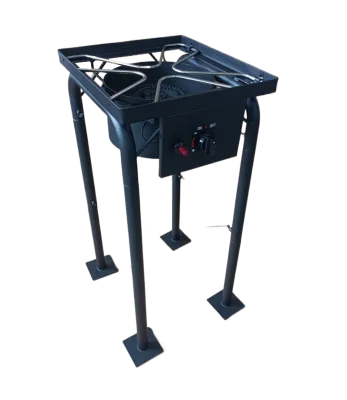
Double Burner Stainless Steel Portable Gas Stove Camping Gas Stove Burner
$13.00 - $15.00
MOQ: 200 Pieces


Comprehensive Sourcing Guide
Dual-Cooker Portable Gas Stove Sourcing Guide
Procuring a Dual-Cooker Portable Gas Stove requires distinguishing between commercial-grade units designed for restaurant canteens and lighter equipment intended for outdoor seafood boiling or temporary setups. The market presents a wide variance in construction, with some listings specifying stainless steel bodies while others utilize cast iron components, directly impacting durability and heat retention capabilities. Buyers must carefully align their specific operational needs with the observed product attributes, such as the distinction between vertical boiler configurations and horizontal heating equipment, to ensure the selected unit fits the intended industrial or commercial kitchen environment.
The observed product landscape includes diverse ignition systems ranging from pulse-jet and electronic modes to piezoelectric ceramic ignition, each offering different reliability profiles for high-volume cooking tasks. While some units are explicitly marketed for gas-fired applications using liquefied gas or propane, others list electric power sources, creating potential confusion regarding fuel compatibility and infrastructure requirements. Sourcing teams must verify the actual fuel type and burner configuration against their site's gas supply to avoid operational failures, ensuring the chosen stove matches the specific pressure and flow characteristics of the available fuel source.
Product Scope and Observed Listing Signals
Buyers should scrutinize the listed product names and burner counts, as the data reveals a mix of "Gas Stove with 2 Burners" and units described as having four burners or single-burner structures. This inconsistency in labeling suggests that some listings may describe multi-functional industrial boilers rather than standard portable cooking ranges, requiring careful verification of the physical dimensions and structural type before placing an order. The presence of terms like "Water Boiler" or "Steam Boilers" alongside "Cooking Stove" indicates that the product scope extends beyond simple cooking to include industrial heating applications, necessitating a clear definition of the primary use case.
Packaging and shipping specifications vary significantly across the observed listings, with options including wooden packages, wooden frames, and foam-plus-carton combinations. These packaging differences often correlate with the unit's weight and fragility, influencing the final landed cost and the required handling procedures upon delivery. Procurement teams must evaluate whether the "Wooden Frame" or "Color Box" options provide sufficient protection for the specific transport route, especially when sourcing from origins like Guangdong or Shunde, to prevent damage during transit and ensure the equipment arrives in new condition.
Technical Specifications to Verify
Dimensional accuracy is critical when selecting a Dual-Cooker Portable Gas Stove, as observed standards range from compact 700x370x80mm units to larger 600x650x350mm industrial configurations. Buyers must confirm that the physical footprint of the unit aligns with their available kitchen space or outdoor cooking area, particularly since some models feature vertical drum placements while others are designed as horizontal heating equipment. Verifying the exact surface thickness, such as the 6mm stainless steel surface noted in specific listings, ensures the unit can withstand the thermal stress of continuous commercial use without warping or degrading.
Fuel compatibility and ignition reliability are paramount technical factors that require immediate validation against the supplier's specifications. The market data indicates a mix of fuel types including liquefied gas, propane, and general gas-fired options, alongside various ignition modes like pulse-jet and piezoelectric ceramic systems. Procurement specialists must ensure the selected model supports the specific gas pressure and type available at the installation site, while also confirming that the ignition system includes safety features like flame failure devices to prevent gas leaks and ensure safe operation during high-demand cooking periods.
Compliance and Safety Documentation
Safety compliance for gas-fired equipment involves verifying the presence of essential safety mechanisms, such as flame failure devices and brass caps, which are listed as optional features in some product descriptions. Buyers should explicitly request confirmation that these safety components are standard on the unit they intend to purchase, as the absence of such features could lead to hazardous operating conditions in a commercial kitchen or outdoor setting. The distinction between optional and standard safety features must be clarified in the purchase agreement to ensure the final delivered product meets the necessary safety protocols for the intended application.
While general certification knowledge suggests the existence of standards like CE, the provided data does not confirm specific certification status for every listed unit. Procurement teams must treat certification claims as observations rather than guaranteed attributes and request valid test reports or compliance certificates directly from the supplier before finalizing the order. It is essential to verify that the product meets the local regulatory requirements of the destination country, ensuring that the gas stove and its core components, which often carry a 12-month warranty, have undergone the necessary safety testing and quality assurance procedures.
Cost Drivers and Commercial Terms
Pricing for dual cooker portable gas stoves exhibits a broad range, observed between 3.2 and 1173 USD, driven by factors such as material quality, burner count, and the complexity of the ignition system. Buyers must understand that lower price points often correspond to simpler constructions or smaller dimensions, while higher costs may reflect industrial-grade stainless steel bodies, advanced safety features, or larger capacities suitable for restaurant canteens. Evaluating the cost per unit against the expected lifespan and maintenance requirements is crucial, as the initial purchase price may not fully reflect the total cost of ownership in a high-volume commercial environment.
Minimum Order Quantities (MOQ) and selling units vary widely, with some suppliers requiring orders in multiples of 1,000 while others accept single-unit purchases. This disparity significantly impacts the procurement strategy, particularly for small businesses or those testing new equipment, as high MOQs can tie up capital and storage space unnecessarily. Buyers should negotiate flexible terms where possible, considering the CKD (Completely Knocked Down) supply options available, which may reduce shipping costs and allow for localized assembly, thereby optimizing the overall commercial terms for the specific volume requirements of the project.
Supplier Qualification and Quality Control
Supplier qualification for gas cooking equipment requires a thorough review of their manufacturing location and production capabilities, with observed origins including China, Guangdong, and Shunde, Foshan. Buyers should verify the supplier's ability to maintain consistent quality across batches, especially given the variation in materials like stainless steel and cast iron found in the market. Establishing a clear communication channel for technical support, such as the video technical support mentioned in warranty terms, is essential for resolving any operational issues that may arise after the equipment is installed and put into service.
Quality control protocols must extend beyond the initial inspection to include checks on core components, which are often covered by a 12-month warranty period. Procurement teams should ensure that the supplier provides detailed documentation on the manufacturing process, including surface treatments and assembly standards, to guarantee that the final product meets the specified dimensions and performance expectations. Regular audits or third-party inspections may be necessary to validate that the supplier consistently delivers units that match the described specifications, particularly regarding the durability of the burner type and the reliability of the ignition mode.
Long-Term Procurement Checks
Long-term procurement success depends on establishing a robust after-sales support framework, including access to video technical support and clear warranty terms for core components. Buyers should verify the specific duration and coverage of the warranty, noting that while 12 months is a common term, the exact scope of coverage for parts like burners and ignition systems must be explicitly defined in the contract. Ensuring that the supplier can provide timely replacement parts and technical assistance is vital for minimizing downtime in commercial kitchens where equipment reliability directly impacts service quality and revenue.
Sustainability and adaptability of the equipment should also be considered for long-term planning, as the market offers units with various fuel types and energy efficiencies. Procurement teams must evaluate whether the selected gas stove can adapt to future regulatory changes regarding fuel types or emission standards, ensuring the investment remains viable over its operational lifespan. Regular performance reviews and maintenance schedules should be implemented to monitor the condition of the unit, ensuring that the stainless steel or cast iron construction continues to perform optimally and that the ignition system remains reliable throughout the warranty and post-warranty periods.
FAQs
What materials are used for Dual-Cooker Portable Gas Stove construction?
The Dual-Cooker Portable Gas Stove is constructed from stainless steel and cast iron. These materials ensure durability and heat resistance for commercial kitchen environments. The surface often features 6mm stainless steel for easy cleaning. This combination supports heavy-duty usage in restaurants and hotels while maintaining structural integrity under high temperatures.
How many burners does the Dual-Cooker Portable Gas Stove typically have?
The Dual-Cooker Portable Gas Stove typically features two burners. Some models are listed as having four burners, but the core product name indicates two heads. This configuration allows for simultaneous cooking tasks. The two-burner design is ideal for compact commercial kitchens where space is limited but efficiency is required for daily operations.
Can the Dual-Cooker Portable Gas Stove be customized for specific needs?
Yes, customization is available for the Dual-Cooker Portable Gas Stove. Buyers can request specific modifications to meet unique kitchen requirements. This flexibility allows for tailored solutions in various commercial settings. Custom options may include adjustments to dimensions or features, ensuring the equipment fits seamlessly into existing kitchen layouts and workflow processes.
What ignition mode is used in the Dual-Cooker Portable Gas Stove?
The Dual-Cooker Portable Gas Stove uses pulse-jet, electronic, or piezoelectric ceramic ignition modes. These methods ensure reliable and safe lighting of the burners. Electronic ignition provides consistent performance, while piezoelectric options offer manual reliability. The choice depends on the specific model, such as the JZ-RS254 or TL-TQ-2A, ensuring operational safety and ease of use.
What is the standard packaging for the Dual-Cooker Portable Gas Stove?
The Dual-Cooker Portable Gas Stove is packaged in wooden frames, wooden packages, or color boxes. Some models use foam and carton for protection. This varied packaging ensures safe transit from China to global destinations. The sturdy packaging protects the stainless steel and cast iron components from damage during shipping, maintaining product quality upon arrival.
What warranty is provided for the Dual-Cooker Portable Gas Stove?
The Dual-Cooker Portable Gas Stove comes with a 12-month warranty. This covers core components and provides peace of mind for buyers. After-warranty service includes video technical support for troubleshooting. This support ensures that any operational issues can be resolved remotely, minimizing downtime for commercial kitchens and maintaining continuous service for restaurant and hotel operations.