Source Textile Direct Red Dye for Textile Paper and Leather
Find 30 listings for Textile Direct Red Dye suitable for textile, paper, and leather applications. Buyers can compare specifications such as light fastness, molecular weight, and packing options from suppliers in China.
Key considerations
Products List




Comprehensive Sourcing Guide
Strategic Sourcing Guide for Textile Direct Red Dye Procurement
The global market for textile direct red dyes presents a complex landscape where buyers must navigate diverse chemical formulations, varying application standards, and strict compliance requirements. For procurement professionals, the core objective is to secure a supply chain that delivers consistent coloration, robust fastness properties, and regulatory adherence without compromising on cost efficiency. This guide synthesizes available product attributes and industry standards to provide a disciplined framework for sourcing Direct Red dyes, specifically focusing on the nuances of the Chinese manufacturing sector and the specific technical parameters observed in current market listings.
Understanding Technical Specifications and Chemical Profiles
When evaluating Direct Red dyes, the primary focus must be on the molecular architecture and physical form. The supplied data indicates that these products are predominantly available in powder form, a standard state that facilitates handling and dispersion in aqueous solutions. A critical observation from the market data is the presence of specific molecular formulas, such as C45H26N10Na6O21S6, which corresponds to the chemical identity of Direct Red 12b. This high molecular weight of approximately 1373.08 Daltons suggests a complex structure designed for deep penetration into cellulose fibers.
Buyers must distinguish between different variants based on their specific model numbers and related names. The market lists products under identifiers like "Direct Black SD" and "Disperse Red 60," indicating that while the core keyword is "direct red," the supply chain often includes related dye classes or specific trade names. The "Type" attribute, noted as SE/M in some listings, refers to the solubility and application class, which dictates the dyeing process. Furthermore, the "Strength" attribute varies, with observations ranging from 100% to 200%. This variance implies that suppliers offer both standard and high-concentration formulations, requiring buyers to calculate dosage rates carefully to avoid over-dyeing or waste.
The physical appearance is consistently described as powder, available in colors ranging from blue to orange and red. While the core search is for "red," the presence of blue and orange variants in the same dataset suggests that suppliers often stock a broad spectrum of direct dyes, necessitating precise specification matching to ensure the correct hue is selected. The "Insolubles" content is a critical quality metric, with observed values as low as 0.15%, a figure that buyers should verify for every batch to ensure filtration efficiency and prevent dye spots on the fabric.
Compliance, Certification, and Regulatory Verification
Navigating the regulatory landscape is as critical as the chemical specifications themselves. The data explicitly mentions the HS Code 3204170090, which classifies synthetic organic dyes under the Harmonized System. This code is essential for customs clearance and tariff calculation, particularly for imports originating from China. Buyers must ensure that their logistics partners utilize this specific classification to avoid delays or incorrect duty assessments.
Regarding safety and environmental certifications, the provided context includes a low-confidence reference to OEKO-TEX. It is imperative that buyers do not assume any product automatically carries this certification. Instead, procurement teams must treat OEKO-TEX status as a verification requirement. The guide mandates that buyers request valid, current certificates from the supplier for every batch of Direct Red dye. Without a verified certificate, the dye cannot be legally or ethically used in textiles intended for consumer markets, especially in regions with strict chemical restrictions like the EU or North America.
The "Payment" terms listed, including TT (Telegraphic Transfer), DA (Documentary Acceptance), DP (Documentary Payment), and LC (Letter of Credit), indicate that these transactions are typically international and require robust financial instruments. The presence of "Free Sample" options in the market data is a significant advantage for compliance testing. Buyers should utilize these samples to conduct their own internal or third-party lab tests for heavy metals, azo dyes, and other restricted substances before committing to a large order. This step is non-negotiable for mitigating supply chain risk.
Cost Drivers and Pricing Dynamics
The observed price range for these products spans from 1 to 63 USD. This wide disparity is not indicative of a single product line but rather reflects the aggregation of different grades, concentrations, and packaging types. The "Strength" attribute, ranging from 100% to 200%, is a primary driver of cost. A 200% strength dye effectively halves the required dosage compared to a 100% strength variant, which can significantly reduce the total cost per kilogram of dyed fabric, even if the unit price of the dye is higher.
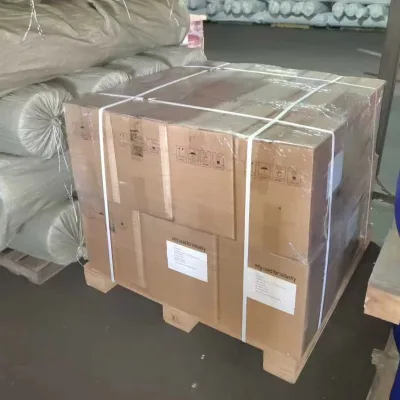
Packaging also plays a pivotal role in cost determination. The data shows a variety of packaging formats: 25kg drums, carton boxes, bags, and paperboard drums. The "25kg/Drum" format is standard for industrial use, offering a balance between handling efficiency and storage space. However, smaller "Carton" or "Bag" options may be available for smaller batches or specific testing needs. Buyers must calculate the total landed cost, which includes the unit price, packaging fees, and shipping costs. The "MOQ" (Minimum Order Quantity) range of 1 to 500 units further complicates pricing; smaller orders may incur a premium per unit, while bulk orders at the 500-unit level likely access the lower end of the price spectrum.
The "Standard" attribute, which lists values like 150% and 200%, likely refers to the dye strength or concentration standard relative to a baseline. This metric directly influences the economic efficiency of the dyeing process. A higher standard strength reduces the volume of dye needed, lowers water consumption during rinsing, and decreases the load on wastewater treatment facilities, all of which contribute to the overall operational cost savings for the textile manufacturer.
Typical Applications and Material Compatibility
The versatility of Direct Red dyes is evident in the broad range of applications listed. The primary usage is for Textile and Paper, but the data also extends to Leather, Ink, Paint, Plastic, and Food. This indicates that while the core product is designed for cellulose fibers, the chemical structure allows for adaptation in other industries. For textile applications, the "Application Material" is explicitly noted as Wool in some contexts, though Direct dyes are traditionally associated with cotton and other cellulosic fibers. Buyers must verify the specific fiber compatibility for their production line, as Direct dyes may require different mordants or fixation agents for protein fibers like wool compared to cellulosic fibers.
The "Application" fields list "Disperse Dyes" and "Polyester Dye" alongside "Textile Fabric Dyes." This suggests that the market data aggregates various dye classes. A buyer seeking a true Direct Red dye for cotton must ensure the product is not a Disperse dye, which is intended for synthetic fibers like polyester. The "Type" attribute (SE/M) and the specific model numbers (e.g., OC-DTRE01, OC-DTRE02) serve as unique identifiers to distinguish between these application types. Misidentifying the dye class can lead to catastrophic failure in the dyeing process, resulting in poor color fastness or complete color rejection.
For leather applications, the "Application Material" is specifically listed as Leather. This requires a dye with high wet fastness and compatibility with leather tanning processes. The "Usage" field confirms that the dye is suitable for this sector, but the specific formulation must be matched to the leather type (e.g., chrome-tanned vs. vegetable-tanned). The presence of "Food" in the usage list is highly unusual for industrial dyes and warrants extreme caution. Unless the product is explicitly certified as food-grade, it should never be used in food packaging or contact applications.
Supplier Evaluation and Quality Control Protocols
Evaluating suppliers requires a rigorous approach to verifying the consistency of the product attributes. The "prod_packing" field shows a mix of 25kg drums, carton boxes, and bags. A reliable supplier will maintain strict control over packaging integrity to prevent moisture ingress, which can degrade the dye's performance. The "Origin" is consistently listed as China, a major hub for dye manufacturing. Buyers should verify the specific factory location and production capacity to ensure the supplier can meet volume demands.
Quality control must focus on the "Fastness" properties. The data provides specific ratings: Light Fastness of 2 and 5, Washing Fastness of 3, and Rubbing Fastness of 4. These numbers represent a range of performance levels. A Light Fastness of 2 indicates poor resistance to fading, while a rating of 5 suggests excellent resistance. Buyers must specify the required fastness level for their end-use application. For outdoor textiles, a Light Fastness of 5 is essential, whereas for indoor garments, a lower rating might be acceptable. The variation in these ratings across the product list indicates that not all Direct Red dyes are equal; buyers must demand test reports for the specific batch they intend to purchase.
The "Insolubles" content of 0.15% is a key quality indicator. High insoluble content can lead to filtration issues and uneven dyeing. Buyers should establish a maximum acceptable threshold for insolubles in their quality agreements. Additionally, the "Sample" availability is a crucial tool for pre-qualification. By testing free samples, buyers can verify the color strength, fastness, and solubility before committing to a large order. This step is essential for validating the supplier's claims and ensuring the product meets the buyer's specific technical requirements.
Long-Term Procurement and Supply Chain Resilience
Sourcing Direct Red dyes is not a one-time transaction but a long-term partnership that requires careful management of lead times and inventory. The "MOQ" range of 1 to 500 suggests flexibility, but buyers should aim for higher volume commitments to secure better pricing and priority production slots. The "Payment" terms, including LC and TT, indicate that financial stability and trust are paramount. Buyers should negotiate payment terms that align with their cash flow while providing the supplier with sufficient security.
The "Standard" values of 100%, 150%, and 200% highlight the need for standardization in the supply chain. Consistency in dye strength is critical for maintaining color uniformity across different production batches. Buyers should work with suppliers to lock in a specific strength standard for their long-term contracts to minimize the risk of color variation. The "Related Name" and "Molecular Formula" provide a chemical baseline that should be included in all purchase orders to prevent substitution with inferior or incorrect products.
Finally, the "HS" code 3204170090 is a fixed identifier that must be used in all documentation. Any deviation from this code could lead to customs complications. Buyers should also monitor the regulatory environment for changes in chemical restrictions, particularly regarding azo dyes and heavy metals. Proactive engagement with suppliers regarding their compliance status and their ability to adapt to new regulations is essential for maintaining a resilient supply chain. By focusing on these long-term considerations, buyers can secure a reliable source of high-quality Direct Red dyes that meet both technical and regulatory demands.
FAQs
What is the typical appearance and form of Textile Direct Red Dye?
The product is predominantly available in powder form. This physical state facilitates handling and dispersion in aqueous solutions for various industrial applications.
Which molecular formula corresponds to Direct Red 12b?
Direct Red 12b has the molecular formula C45H26N10Na6O21S6. This complex structure with a molecular weight of approximately 1373.08 supports deep penetration into cellulose fibers.
How does the dye strength affect the pricing and usage?
Strength values range from 100% to 200%, directly influencing cost efficiency. Higher strength variants reduce the required dosage, potentially lowering total costs despite higher unit prices.
Can buyers obtain free samples for testing before bulk orders?
Yes, free samples are available in the market data. Buyers should utilize these samples to verify color strength, fastness, and solubility before committing to large volume purchases.
What are the standard fastness ratings for this dye?
Observed ratings include Light Fastness of 2 or 5, Washing Fastness of 3, and Rubbing Fastness of 4. Specific requirements depend on the intended end-use application and durability needs.
Which packaging formats are commonly used for industrial supply?
Common formats include 25kg drums, carton boxes, and bags. The 25kg drum is standard for industrial use, balancing handling efficiency with storage requirements for large scale operations.
What is the HS code for classifying this synthetic organic dye?
The HS code is 3204170090. This classification is essential for customs clearance and tariff calculation when importing synthetic organic dyes from major manufacturing hubs like China.