Source Tesla Model 3 Headlight Assembly for Fleet, Repair, and Retail
Compare 30 listings for the tesla model 3 headlight assembly, featuring LED options with 12V or 24V inputs. Evaluate specifications like 4000 lumens, IP68 waterproof ratings, and direct replacement fitments for efficient sourcing; compare the available evidence and request quotations based on your requirements.
Key considerations
Products List
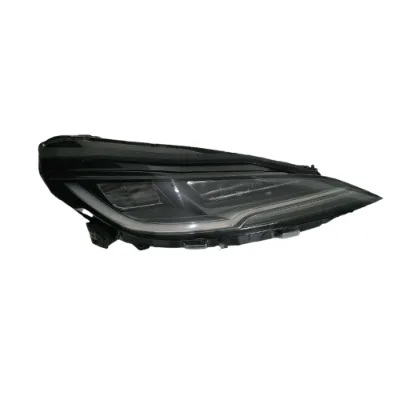
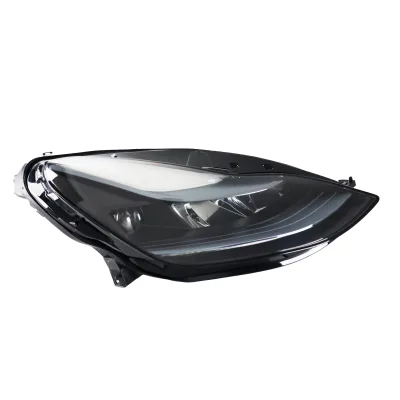


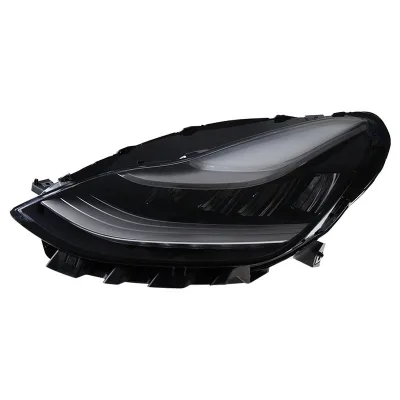


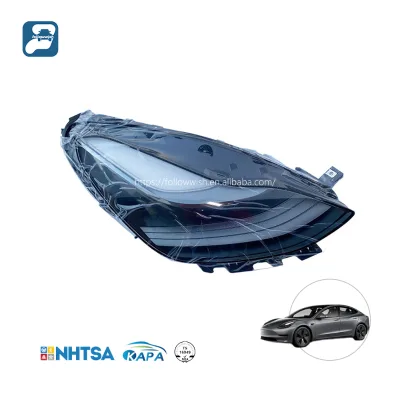
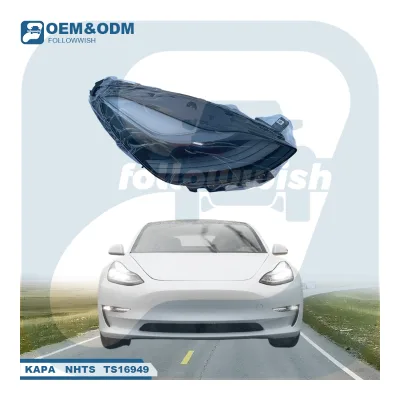
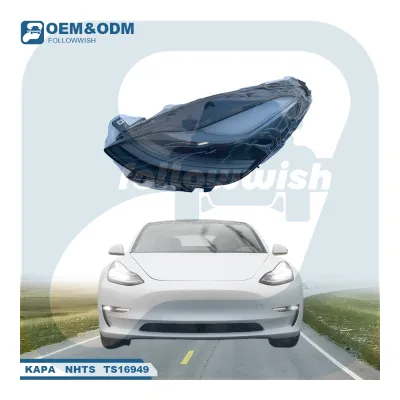
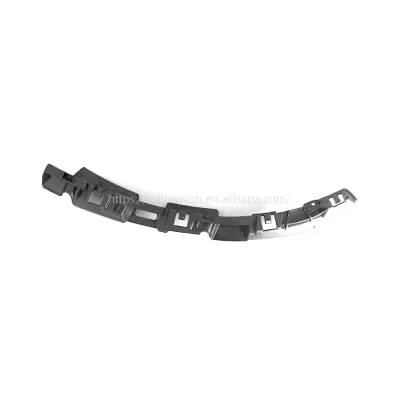
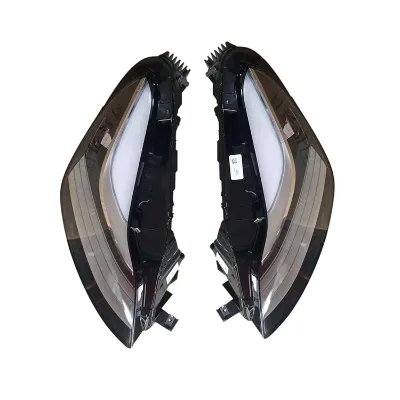
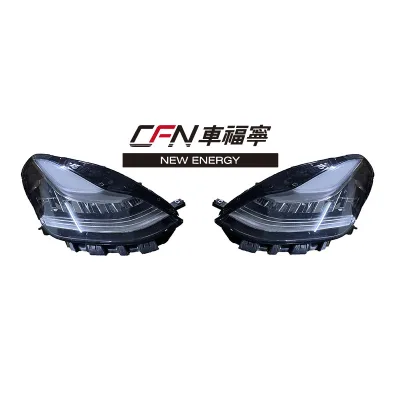


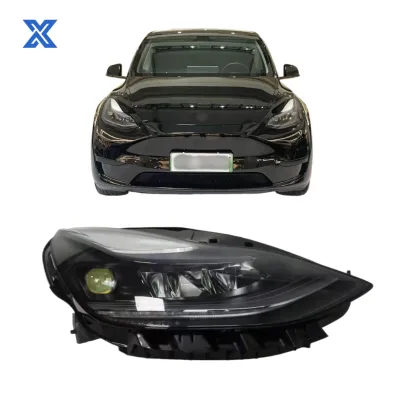


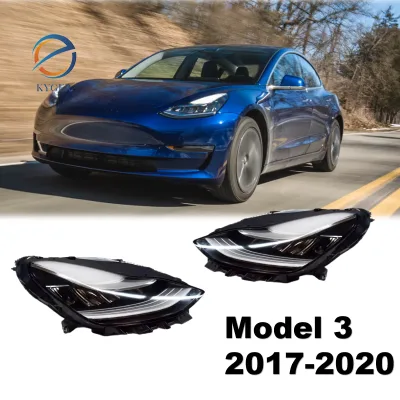
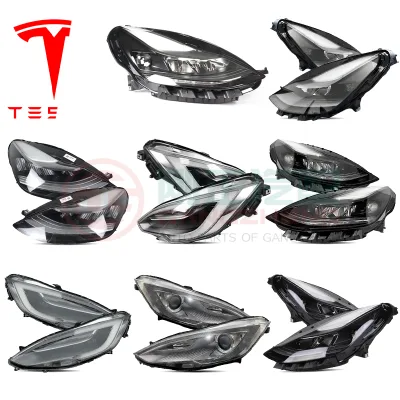
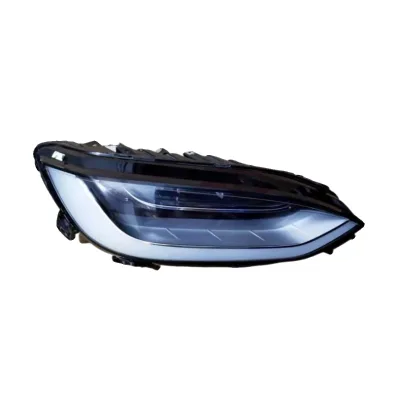
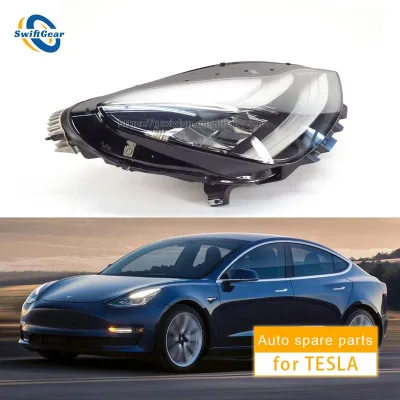
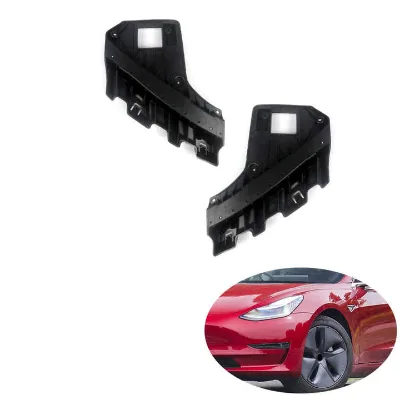
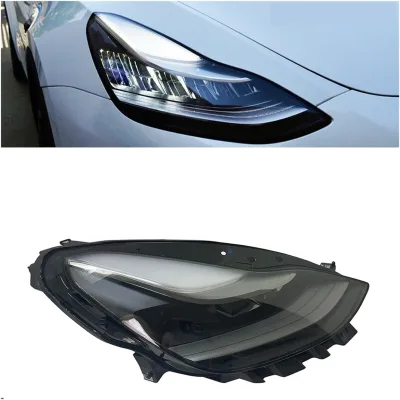
Comprehensive Sourcing Guide
Tesla Model 3 Headlight Assembly Sourcing Guide
Procuring headlight assemblies for the Tesla Model 3 requires careful navigation of a fragmented market where listings often conflate specific vehicle generations with generic LED retrofit kits. Buyers must distinguish between original equipment manufacturer replacements and aftermarket upgrades, as the supplied data reveals products explicitly labeled for Model 3 alongside those designated for the Model Y. This distinction is critical because mounting points, electrical connectors, and optical beam patterns differ significantly between these platforms, even when both utilize LED technology.
The observed product landscape includes items with varying voltage ratings, such as 12V and 24V options, which presents a potential compatibility risk for standard automotive electrical systems. Sourcing teams must verify that the listed voltage matches the vehicle's actual power distribution architecture before finalizing any order. Furthermore, the presence of multiple brand names like ZHI GUANG and Feebest indicates a competitive supplier base, yet buyers should not assume uniform quality or fitment across these different manufacturers without rigorous pre-shipment validation.
Product Scope and Observed Listing Signals
The current market signals indicate a diverse range of headlight solutions, from direct replacement units to retrofit kits designed for upgrading existing halogen systems. Listings frequently cite specific bulb shape codes like H4 and claim high lumen outputs around 4000 Lm, suggesting a focus on brightness enhancement. However, the data also shows conflicting product names where some items are described as "Led Head Lamp" while others specify "Headlight For Tesla Model Y," necessitating a strict review of the application field to ensure the part matches the intended vehicle model.
Buyers should also scrutinize the stated purpose of the product, as some listings explicitly mention "for replace/repair" while others target "for retrofit/upgrade." This distinction affects the installation process and the potential need for additional wiring harnesses or control modules. Additionally, the observed packaging dimensions and gross weights vary significantly, with some units weighing up to 10 kg, which impacts shipping cost calculations and logistics planning for international procurement teams.
Technical Specifications to Verify
Technical verification must begin with the electrical parameters, specifically the voltage and wattage ratings, which appear inconsistent across different listings with values ranging from 12V to 24V and wattages between 27 and 36 Watts. Since the Tesla Model 3 typically operates on a specific low-voltage DC system, confirming the exact voltage requirement is essential to prevent electrical damage or system failure. Buyers should request detailed electrical schematics from the supplier to ensure the component integrates seamlessly with the vehicle's existing power management system.
Optical and physical specifications also require close attention, particularly the color temperature and waterproof ratings. While some data points suggest a color temperature of 6000K and a 100% waterproof rate, other listings mention "Warm White" light, which may not meet the bright white illumination standards expected for modern automotive lighting. Additionally, the material composition, such as ABS Plastic, and the single package size must be verified to ensure the assembly fits within the vehicle's headlight housing and withstands environmental exposure without degradation.
Compliance and Safety Documentation
Safety compliance is paramount when sourcing automotive lighting components, as these parts directly impact vehicle visibility and road safety. Buyers should demand evidence that the headlight assemblies meet relevant international safety standards for automotive lighting, even though specific certification names are not explicitly provided in the current product data. The absence of listed certifications in the source material means procurement teams must independently verify that the supplier has undergone third-party testing for beam pattern accuracy and glare control.
Documentation regarding the material standards is equally important, with some listings citing PA66 as a material standard for specific components. This polymer is known for its durability and heat resistance, but buyers must confirm that the entire assembly, including lenses and housings, adheres to these standards. Without clear documentation on flame retardancy and impact resistance, there is a risk that the components may fail under extreme thermal or mechanical stress, potentially voiding vehicle warranties or violating local traffic regulations.
Cost Drivers and Commercial Terms
The commercial landscape for these components is influenced by the observed minimum order quantity (MOQ) ranges, which vary from 1 pair to 50 units, allowing for flexibility in procurement volume. The price range observed spans from 1 to 680 USD, a wide disparity that likely reflects differences in brand reputation, material quality, and whether the item is a direct replacement or a complex retrofit kit. Buyers must analyze the unit price in the context of the total order value to determine the most cost-effective strategy for their specific inventory needs.
Warranty terms and customization options also play a significant role in the total cost of ownership. Most listings offer a 12-month or 1-year warranty, which provides a baseline for risk mitigation, but the specific terms of coverage should be clarified in the purchase agreement. Additionally, the availability of OEM/ODM services and customization options can add value for buyers seeking branded solutions, though these services may incur additional costs or longer lead times that must be factored into the overall budget and timeline.
Supplier Qualification and Quality Control
Supplier qualification should focus on the geographic origin and production capabilities, as the data indicates origins in both Guangdong and Zhejiang, China. These regions are known for their manufacturing clusters, but buyers must verify the specific factory's capacity to maintain consistent quality across large production runs. The presence of multiple brands suggests that many suppliers operate as traders or contract manufacturers, making it essential to audit the actual production facility to ensure they adhere to the claimed quality standards.
Quality control processes must be rigorously defined, particularly regarding the "High Quality" and "High Quanlity" claims found in various listings. Buyers should implement a pre-shipment inspection protocol that checks for physical defects, electrical continuity, and optical performance before the goods leave the factory. Given the variation in gross weights and package sizes, verifying that the packaging is robust enough to prevent damage during transit is also a critical step in maintaining the integrity of the headlight assemblies upon arrival.
Long-Term Procurement Checks
Establishing a long-term procurement strategy requires monitoring the consistency of product attributes over time, as initial samples may differ from mass-produced units. Buyers should maintain a database of verified specifications, including voltage, wattage, and material composition, to ensure that future orders match the initial successful prototypes. Regular audits of the supplier's production line can help identify any drift in quality or changes in component sourcing that might affect the performance of the headlight assemblies.
Finally, the relationship with the supplier should be managed with a focus on after-sales support and warranty fulfillment. Since the products come with a 12-month warranty, buyers must ensure that the supplier has a clear and efficient process for handling returns, replacements, or repairs. Building a strong partnership with a reliable supplier will facilitate smoother communication and faster resolution of any issues that arise, ensuring a stable supply chain for the Tesla Model 3 headlight assemblies over the long term.
FAQs
What is the voltage rating for these LED headlight assemblies?
The LED headlight assemblies are available in 12V and 24V voltage ratings to suit different vehicle electrical systems. This ensures compatibility with various Tesla Model 3 and Model Y configurations. Buyers should verify their specific vehicle requirements before ordering to ensure proper electrical integration and safe operation of the lighting system.
Which car models are compatible with these headlight products?
These headlight products are specifically designed for the Tesla Model 3 and Tesla Model Y. They offer direct replacement fitment for these specific vehicle models. The assemblies are engineered to match the original equipment dimensions, ensuring a seamless installation without the need for extensive modifications or custom wiring adjustments.
Can these headlights be customized for specific branding or packaging?
Yes, customization is available for both branding and packaging options. Buyers can request OEM or ODM services to tailor the products to their specific needs. Neutral packaging options are also offered for standard shipments. This flexibility allows businesses to align the products with their own brand identity or specific logistical requirements effectively.
What is the warranty period for these LED headlight assemblies?
The warranty period for these LED headlight assemblies is typically one year or 12 months. This coverage applies to manufacturing defects and ensures product reliability. Buyers should retain their purchase documentation to validate the warranty claim. This standard warranty provides confidence in the product quality and supports long-term operational stability for the end user.
What is the minimum order quantity for these headlight assemblies?
The minimum order quantity is one pair for these headlight assemblies. This low MOQ allows buyers to test product quality before committing to larger volumes. It supports small-scale procurement needs and reduces initial inventory risk. Buyers can easily order single pairs for replacement or repair purposes without facing high bulk purchase barriers.
What is the color temperature of the LED light source?
The LED light source features a color temperature of 6000K, producing a crisp white light. Some variants may offer warm white options depending on the specific product configuration. This high color temperature ensures excellent visibility and modern aesthetics. Buyers should check the specific product listing to confirm the exact color temperature available for their order.