Source Test Tube for Medical, Lab, and Pharmaceutical Uses
Compare 30 Test Tube options from verified Chinese suppliers offering biological diagnostics, storage, and vial making materials. Buyers can evaluate specifications like ISO and CE certifications, sterilization methods, and customization availability for home or clinical applications.
Key considerations
Products List


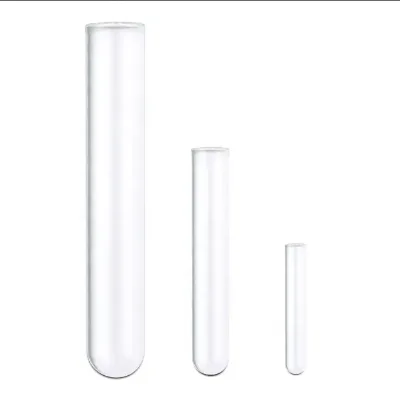


$0.03 - $0.04
MOQ: 10000 Pieces
Comprehensive Sourcing Guide
Strategic Sourcing Guide for Test Tube Procurement in Medical and Laboratory Markets
Procuring test tubes for medical diagnostics, laboratory analysis, and pharmaceutical applications requires a disciplined approach that balances technical specifications with regulatory compliance. The global market for laboratory glassware and diagnostic consumables is vast, with suppliers offering a wide array of configurations ranging from simple storage vessels to specialized antigen testing kits. Buyers must navigate a complex landscape where material composition, sterilization methods, and certification status directly impact product safety and efficacy. This guide outlines the critical factors for sourcing test tubes, drawing on observed market data to help procurement professionals make informed decisions without relying on unverified claims.
Material Composition and Physical Specifications
The foundation of any Test Tube selection lies in the material properties, which dictate chemical resistance, thermal stability, and optical clarity. Market observations indicate a bifurcation in material types, primarily distinguishing between glass and plastic variants. Glass test tubes, often sourced from regions like Shandong, are frequently described as pharmaceutical-grade low borosilicate glass. These vessels are engineered for high-temperature applications and chemical inertness, making them suitable for vial and ampoule manufacturing materials. Specific product attributes highlight a pH property range of 5.0 to 7.0, which is critical for maintaining sample integrity in sensitive biological diagnostics.
In contrast, plastic test tubes offer flexibility and durability, often utilized in home-use or clinical antigen testing scenarios. The observed product data lists "Soft" as a flexibility attribute for certain plastic variants, suggesting suitability for specific handling requirements or automated dispensing systems. When evaluating specifications, buyers should verify the exact dimensions and volume capacities. The market presents standard sizes ranging from 1ml to 20ml, with specific model numbers like "6mm-32mm" indicating diameter variations. For high-volume orders, the standard packaging often involves 1ml, 2ml, 3ml, 5ml, 10ml, and 20ml options, allowing for granular selection based on sample volume requirements.
| Material Type | Key Attributes | Typical Applications |
|---|---|---|
| Low Borosilicate Glass | pH 5.0-7.0, High Thermal Resistance | Vial/Ampoule Making, Chemical Analysis |
| Plastic | Soft Flexibility, Disposable Options | Antigen Testing, Home Use, Clinical |
| Ordinary Test Tube | Standard Storage, Non-Disposable | General Laboratory Storage, Transport |
Technical Functionality and Diagnostic Integration
Beyond physical storage, test tubes often serve as integral components of diagnostic systems. The observed product data reveals a specific functional category where test tubes are designed for virus sample storage and transportation. These specialized vessels are frequently paired with colloidal gold methods, a common technique in rapid antigen testing. The integration of the Test Tube with the diagnostic strip is crucial; the system must facilitate oral or nasal swab sampling effectively.
For biological diagnostics, the read time is a critical performance metric. Market listings indicate a standard read time of 15 minutes for antigen tests utilizing these tubes. This speed is essential for clinical settings where rapid results are required to inform patient care decisions. Furthermore, the type of product is often categorized as "Test Strips & Test Tube" or "Ordinary Test Tube," depending on whether the item is a standalone storage vessel or part of a complete diagnostic kit. Buyers must ensure that the Test Tube model, such as the SL901C or RJ-AET01, is compatible with the specific testing method and specimen type required for their operational needs.
Compliance, Certification, and Sterilization Protocols
Regulatory compliance is non-negotiable in the medical and pharmaceutical sectors. The sourcing guide emphasizes the necessity of verifying certification status before finalizing any purchase. Observed data lists multiple certification standards, including ISO, CE, and FDA. For instance, some products carry both ISO and CE certifications, while others may hold ISO and FDA approvals. The presence of these certifications indicates that the manufacturer has met specific international quality and safety standards, though buyers must confirm that the specific batch or model carries the relevant documentation.
Sterilization is another paramount concern, particularly for products intended for clinical or home use. The data explicitly mentions Ethylene Oxide (EO) sterilization, with some products labeled as "EOS" (Ethylene Oxide Sterilized). This method is standard for ensuring that test tubes and associated diagnostic kits are free from microbial contamination prior to use. Buyers should verify that the sterilization method aligns with their local regulatory requirements and that the packaging maintains sterility until the point of use. Additionally, the distinction between disposable and non-disposable items must be clear. While some test tubes are designed for single-use in antigen testing, others are marketed as non-disposable for repeated laboratory use, necessitating different cleaning and sterilization protocols.
Cost Drivers and Minimum Order Quantities
Understanding the cost structure of Test Tube procurement is essential for budget management. The observed market data reveals a significant variance in Minimum Order Quantities (MOQ), ranging from 1 unit to 100,000 units. This wide range suggests that suppliers cater to both small-scale clinical trials and large-scale industrial manufacturing. For standard glass test tubes, the MOQ is often set at 1,000 units or 1,000 kilograms, reflecting the bulk nature of glassware production. In contrast, diagnostic kits containing test tubes may have lower entry thresholds, allowing for smaller initial orders.
Lead times also influence the total cost of ownership. A standard lead time of 5 days is observed for certain products, indicating a responsive supply chain for immediate needs. However, for customized orders or large-volume shipments, lead times may extend. Payment terms such as TT (Telegraphic Transfer) and LC (Letter of Credit) are common, offering flexibility for international transactions. Buyers should also consider the impact of packaging on logistics costs. Options range from individual cartons to palletized shipments, with shrink wrap bags used for additional protection. The choice between air, sea, or courier shipment will further affect the final landed cost, with sea freight being the most economical for large, non-urgent orders.
Supplier Evaluation and Production Capacity
When evaluating potential suppliers, buyers must look beyond the product listing to assess the manufacturer's operational capacity. The data indicates that some suppliers possess a production capacity of 50 tons per day, a metric that signals the ability to handle large-scale orders without significant delays. This capacity is particularly relevant for glass test tubes, where raw material processing and molding are energy-intensive processes.
Supplier location is another critical factor. Origins such as China and specific regions like Shandong are noted in the market data. While these locations are hubs for manufacturing, buyers should verify the specific factory capabilities and quality control measures in place. The availability of customization, including logo printing and tailored packaging, is a valuable service for brands looking to white-label products. However, customization often introduces complexity into the supply chain, requiring longer lead times and stricter quality assurance. Buyers should request samples to verify that the customization does not compromise the structural integrity or sterility of the test tubes.
Quality Control and Long-Term Procurement Strategy
Ensuring consistent quality is the primary objective of any procurement strategy. The warranty periods observed in the market, ranging from one to two years, suggest a confidence in product durability and performance. For diagnostic kits, the warranty often covers the shelf life and reliability of the antigen test components. Buyers should establish a rigorous quality control protocol that includes incoming inspection, testing for sterility, and verification of certification documents.
Long-term procurement considerations involve building a resilient supply chain. Relying on a single supplier for critical components like test tubes can be risky. Diversifying the supplier base, especially across different geographic regions, can mitigate supply chain disruptions. Additionally, buyers should monitor the availability of raw materials, such as recycled glass or specific plastics, which can impact production costs and availability. The flexibility of the supplier to adapt to changing market demands, such as shifting from disposable to non-disposable options or adjusting packaging standards, is a key indicator of a reliable partner.
In conclusion, sourcing test tubes requires a comprehensive understanding of material science, regulatory requirements, and supply chain dynamics. By focusing on verified specifications, certifications, and supplier capabilities, buyers can secure high-quality products that meet the stringent demands of medical and laboratory applications. The data highlights a diverse market with options for every need, from simple storage to complex diagnostic integration, provided that due diligence is applied at every stage of the procurement process.
FAQs
What certifications do the test tubes hold?
The test tubes hold ISO, CE, and FDA certifications. Some specific models also carry ISOMSDS approval. Buyers must verify that the specific batch carries the relevant documentation before purchase.
How long is the lead time for delivery?
The standard lead time is 5 days for most products. Customized orders or large-volume shipments may require extended time. This timeline applies to responsive supply chains for immediate needs.
Which material types are available for test tubes?
Available materials include low borosilicate glass and soft plastic. Glass tubes are suitable for high-temperature applications while plastic variants fit home-use antigen testing. Specific models like SL901C use plastic.
Can the products be customized with a logo?
Yes, logo printing is available for customization. Suppliers offer tailored packaging and branding options for white-label needs. Buyers should request samples to ensure customization does not compromise sterility.
What is the minimum order quantity for glass tubes?
The minimum order quantity is 1,000 units or 1,000 kilograms for standard glass test tubes. Diagnostic kits may have lower entry thresholds allowing smaller initial orders. This reflects the bulk nature of glassware production.
How are the test tubes sterilized before use?
The test tubes undergo Ethylene Oxide sterilization to ensure they are free from microbial contamination. Some products are explicitly labeled as EOS. This method is standard for clinical and home-use diagnostic kits.
What is the read time for antigen test kits?
The standard read time for antigen tests is 15 minutes. This speed is essential for clinical settings requiring rapid results. The test tubes are integrated with colloidal gold methods for this purpose.
Which regions supply these medical test tubes?
Products originate from China, with specific manufacturing hubs in Shandong. Buyers should verify the specific factory capabilities and quality control measures in these regions. Regional origins are noted in market data.