Source Texturized Dyed Mink Fur Yarn for Knitting, Socks, and Caps
Compare 30 listings for Texturized Dyed Mink Fur Yarn suitable for knitting, socks, and caps. Options include nylon and polyester blends with features like anti-pilling and high strength. Customize colors and specifications for your textile projects; compare the available evidence and request quotations based on your requirements.
Key considerations
Products List






Comprehensive Sourcing Guide
Texturized Dyed Mink Fur Yarn Sourcing Guide
Buyers evaluating Texturized Dyed Mink Fur Yarn must first distinguish between genuine animal fibers and synthetic alternatives that mimic the texture. The supplied market data indicates a prevalence of 100% Nylon and 100% Polyester options, alongside blends like Polyester and Linen, rather than natural mink fur. Procurement teams should verify the fiber composition explicitly, as the term "mink fur" in listings often describes a specific texturized appearance or a fancy yarn structure rather than the actual animal material.
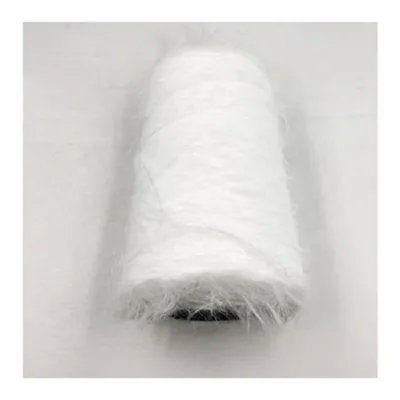
When reviewing product attributes, focus on the specific structural claims such as "Ring Spun Yarn" or "Fancy Yarn" which define the tactile quality. The observed listings feature "Feather Yarn" types with a 1.3CM model specification, suggesting a decorative application rather than a standard knitting yarn. Buyers must confirm whether the "Dyed" attribute applies to the fiber before or after texturizing, as this impacts colorfastness and the final hand feel of the finished textile product.
Product Scope and Observed Listing Signals
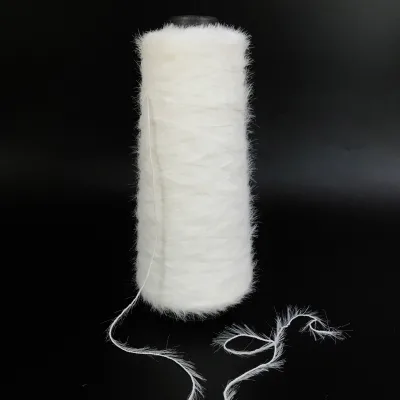
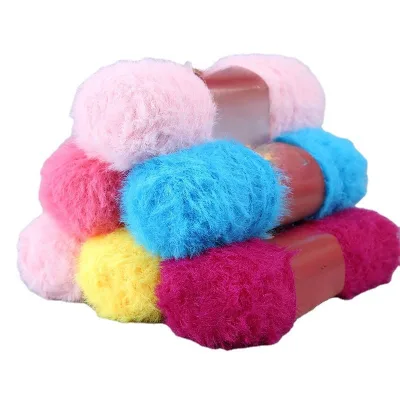
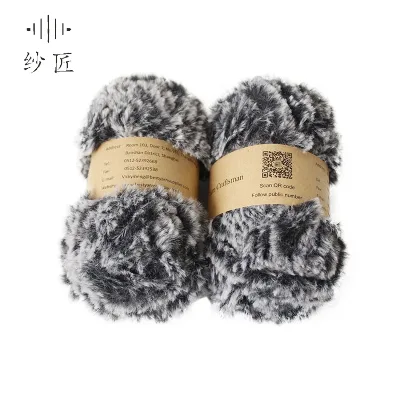
The current market signals reveal a wide price range from 0.31 to 44.79 USD, driven by variations in fiber content and processing complexity. Listings show diverse packaging formats, including cones, cartons, and yarn balls, with specific weights like 50 grams per roll or 100 grams per roll. This variance suggests that buyers should define their unit requirements clearly, as the "Yarn Ball" format may suit small-batch hand knitting, while "Cone and Carton" packaging is better for industrial knitting or weaving operations.
Application data indicates these yarns are suitable for knitting caps, socks, circular knitting, and general hand knitting projects. The observed features include anti-pilling, high strength, and eco-friendly claims, which are critical for consumer-facing apparel. However, the "Multi-Ply" and "Single Yarn" distinctions in the data require careful selection based on the desired fabric density and drape, ensuring the chosen product matches the specific garment construction needs.
Technical Specifications to Verify
Technical verification must begin with the fiber length, as the data presents conflicting observations of "Combination of Short Fibers and Continuous Filament Yarn" versus "Continuous Filament" and "Staple Fiber Yarn." Buyers need to confirm the exact fiber length specification to ensure the yarn performs correctly during high-speed knitting or weaving processes. A mismatch in fiber length can lead to breakage or inconsistent texture, particularly when the product is marketed as having high elasticity or high strength.
Yarn count and coarseness are equally critical, with observed values ranging from Nm1/0.7 to Nm1/0.45 and a classification of "Medium Yarn." The standard "13NM" and model numbers like "CK1394" or "YY-009" serve as identifiers but do not guarantee performance without physical testing. Procurement teams should request sample swatches to verify the "Anti-Pilling" and "High-Elastic" claims, as these features are listed but their actual manifestation depends on the specific ring spun or fancy yarn structure used.
Compliance and Safety Documentation
Safety documentation for synthetic yarns often focuses on chemical restrictions and flammability rather than animal welfare certifications. The observed features include "Anti-Bacterial" and "Eco-Friendly" claims, which require third-party verification to ensure they meet international textile safety standards. Buyers should request test reports confirming the absence of harmful substances, especially since the "Recycled" attribute implies a specific supply chain origin that must be traceable and compliant with environmental regulations.
For products originating from Zhejiang or Jiangsu, China, compliance with destination market standards is mandatory. The "High Temperature-Resistant" and "Abrasion Resistant" features suggest potential use in demanding environments, necessitating proof of performance under specific stress conditions. Buyers must ensure that the "Anti-UV" and "Breathable" claims are backed by laboratory data, as these attributes are often marketing terms that require validation against established textile testing protocols before bulk orders are placed.
Cost Drivers and Commercial Terms
Cost drivers in this category are heavily influenced by the fiber material, with 100% Nylon and 100% Polyester offering different price points compared to blended options. The observed MOQ of 300kgs for some listings contrasts with a general range of 1 to 10000 units, indicating that smaller buyers may face higher per-unit costs or need to consolidate orders. Understanding the "Customization" availability is essential, as bespoke colors or specific yarn counts can significantly increase the base price and extend the production timeline.
Commercial terms vary, with "Tt/LC" (Telegraphic Transfer/Letter of Credit) listed as a standard payment method. Buyers should negotiate lead times carefully, as the "35 Meters" or "45 Meters" length specifications per unit may affect shipping logistics and inventory management. The "Sample: Acceptable" policy allows for cost-effective quality checks, but the cost of samples and shipping should be factored into the total landed cost calculation before committing to a large volume purchase.
Supplier Qualification and Quality Control
Supplier qualification requires verifying the origin, with observed locations in Zhejiang and Jiangsu provinces, China. Buyers should assess the supplier's capacity to handle "Customize" requests for color and structure, ensuring they have the technical expertise to maintain consistency across batches. The presence of specific model numbers like "CK1346" suggests a standardized production line, but buyers must confirm that the supplier can replicate the "Ring Spun" or "Fancy Yarn" structure consistently for large orders.
Quality control protocols must address the "Anti-Pilling" and "High Strength" claims through rigorous sampling. Since the data lists "Normal" strength alongside "High Strength," buyers should define acceptable tensile limits and abrasion resistance levels in their quality agreements. Implementing a pre-shipment inspection is crucial to verify the "Shape: Yarn Ball" or "Cone" integrity, ensuring that the packaging and physical condition of the yarn meet the specified standards before final acceptance.
Long-Term Procurement Checks
Long-term procurement success depends on monitoring the stability of the "Eco-Friendly" and "Recycled" attributes over time. Buyers should establish a schedule for re-testing samples to ensure that the "Anti-Bacterial" and "Moisture Absorbent" properties do not degrade with repeated washing or use. Consistency in the "Dyed" color fastness is particularly important for maintaining brand reputation, as color variations can occur between production runs if the dyeing process is not tightly controlled.
Supply chain resilience is another critical factor, given the diverse "prod_packing" options ranging from air and sea transport to specific roll weights. Buyers should develop contingency plans for potential disruptions in the supply of specific fiber types, such as the shift between "Staple Fiber Yarn" and "Continuous Filament." Regular audits of the supplier's production capacity and adherence to the "13NM" or other stated standards will help maintain a reliable flow of high-quality texturized yarn for ongoing manufacturing needs.
FAQs
What materials are used in this yarn?
The yarn is available in 100% Nylon, 100% Polyester, and a Polyester/Linen blend. These materials provide distinct properties such as high strength, elasticity, and eco-friendly characteristics. Buyers can select the specific fiber composition that best suits their knitting or weaving application requirements.
Can the yarn be customized for color?
Yes, customization is available for the yarn color. Buyers can request specific shades to match their design needs. This flexibility allows for tailored production runs, ensuring the final textile product meets precise aesthetic standards for applications like hand knitting, socks, or circular knitting.
What is the minimum order quantity?
The minimum order quantity is typically 300kgs for bulk orders. However, observed ranges indicate flexibility down to 1 unit for samples or small batches. Buyers should confirm the exact MOQ with the supplier based on the specific yarn type, packaging, and production schedule requirements.
Where is this yarn manufactured?
The yarn originates from manufacturing hubs in Zhejiang and Jiangsu provinces in China. These regions are known for their textile industry capabilities. Buyers sourcing from these locations can expect established supply chains and access to a wide variety of yarn specifications and production capacities.
What features does the yarn offer?
The yarn features include anti-pilling, high strength, eco-friendly composition, and anti-bacterial properties. Some variants also offer high elasticity, UV resistance, and moisture absorption. These attributes make the yarn suitable for durable textiles, activewear, and items requiring specific performance characteristics in daily use.
How is the yarn packed and shipped?
The yarn is packed in cones and cartons or as yarn balls. Shipping methods include air and sea freight options. The standard packaging ensures protection during transit, while flexible shipping choices allow buyers to optimize logistics costs and delivery times based on their inventory needs and urgency.