Source Eco-Friendly Fine Bamboo Yarn for Knitting, Weaving, and Hand Knitting
Find 30 listings for Eco-Friendly Fine Bamboo Yarn suitable for knitting, weaving, and hand knitting applications. Compare specifications including ring spun and open end techniques, fiber types, and customization options from verified manufacturers to identify the best fit for your textile production needs.
Key considerations
Products List


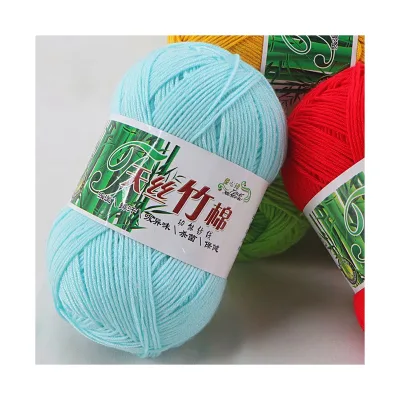


Comprehensive Sourcing Guide
Eco-Friendly Fine Bamboo Yarn Sourcing Guide
Sourcing eco-friendly fine bamboo yarn requires a nuanced understanding of material composition, as the term "bamboo" in textiles often refers to either bamboo viscose or bamboo polyester blends. Buyers must distinguish between these variants because their environmental profiles, processing methods, and end-use performance differ significantly. The core appeal lies in the fiber’s natural breathability and moisture absorption, which are critical for apparel and home textiles seeking sustainable credentials. However, verifying the actual fiber content is the first step in ensuring the product meets both functional requirements and marketing claims.
Procurement teams should also consider the structural integrity of the yarn, as fine counts can be delicate during weaving or knitting. The observed market offers single yarn, multi-ply, and fancy structures, each serving different manufacturing needs. Understanding whether the yarn is ring-spun or open-end is vital, as this affects the final fabric’s softness and durability. By aligning the specific yarn structure with the intended garment or textile application, buyers can avoid production issues related to yarn breakage or inconsistent fabric texture, ensuring a smoother supply chain from raw material to finished product.
Product Scope and Observed Listing Signals
The current market landscape for bamboo-based yarns presents a diverse array of options, with observed price points ranging from $0.40 to $18.50 per unit. This wide variance reflects differences in fiber purity, spinning technology, and packaging standards. Buyers will encounter products labeled as 100% bamboo fiber, as well as blends incorporating polyester to enhance strength and reduce cost. The minimum order quantities (MOQs) observed range from small trial orders of 1 kg to bulk commitments of 17,500 kg, allowing flexibility for both prototype development and large-scale manufacturing runs.
Listing signals indicate that customization is widely available, with suppliers offering dyed, raw, and melange yarn options. Features commonly highlighted include anti-bacterial properties, eco-friendly certifications, and high moisture absorbency. However, buyers should treat these feature lists as observations rather than universal guarantees for every SKU. The presence of specific models like GT-BAMBOO or XD-HB3402 suggests standardized product lines, but the actual performance characteristics, such as evenness and coarseness, vary from fine to medium yarns. Verifying these attributes against specific purchase orders is essential to maintain quality consistency.
Technical Specifications to Verify
Technical verification begins with confirming the fiber length and structure, as these dictate the yarn’s suitability for specific machinery. Staple fiber yarns, such as those found in 100% bamboo products, require careful handling to prevent pilling, while continuous filament options offer different durability profiles. Buyers must verify the twist type, whether regular or specialized, and ensure the evenness of the yarn meets the tolerance levels required for high-speed knitting or weaving operations. The distinction between ring-spun and open-end techniques is particularly important, as ring-spun yarns generally offer superior softness and strength for fine applications.
Standard counts and specifications, such as 32/1 S, Ne20/1, or 50/1 S, provide a baseline for thickness and ply. However, these labels can vary by region or manufacturer, so direct confirmation with the supplier is necessary. Additionally, the usage classification—whether for knitting, weaving, hand knitting, or embroidery—must align with the buyer’s production capabilities. For instance, fancy yarns or multi-ply structures may require specialized equipment. Ensuring that the technical specifications match the intended end-use prevents costly adjustments in the manufacturing process and ensures the final product meets design expectations.
Compliance and Safety Documentation
Compliance documentation is a critical component of sourcing eco-friendly textiles, as consumers and regulators increasingly demand transparency in supply chains. Buyers should request certificates such as ISO for quality management and FSC for sustainable forestry practices, which support the environmental claims associated with bamboo sourcing. These certifications help verify that the raw materials are sourced responsibly and that the manufacturing processes adhere to recognized standards. However, buyers must ensure that these certificates are current and applicable to the specific product batch being purchased.
Beyond environmental certifications, safety standards like Oeko-Tex are often relevant for textiles that come into direct contact with skin. While not explicitly listed in all product data, verifying compliance with such standards is crucial for apparel applications. Buyers should also inquire about the chemical treatments used to achieve features like anti-bacterial or anti-static properties. Understanding the full scope of compliance ensures that the final product can be legally sold in target markets and meets the ethical sourcing expectations of modern consumers.
Cost Drivers and Commercial Terms
Cost drivers for bamboo yarn include the raw material source, spinning technology, and additional processing steps such as dyeing or blending. The observed price range reflects these variables, with 100% bamboo fiber typically commanding a premium over polyester blends. Packaging methods, such as cartons, bags, or PP bags, also influence the final cost due to material and labor expenses. Buyers should analyze the total landed cost, including freight, rather than focusing solely on the unit price, as shipping bulky yarn can significantly impact margins.
Commercial terms, including MOQs and sample policies, play a significant role in procurement planning. Many suppliers offer free samples with the customer paying freight, which is a standard practice for evaluating quality before committing to large orders. Understanding the payment terms and lead times is equally important, as delays in production can disrupt manufacturing schedules. Negotiating flexible MOQs for initial orders can help mitigate risk, while bulk commitments may unlock better pricing. Clear communication regarding these terms ensures a transparent and efficient procurement process.
Supplier Qualification and Quality Control
Supplier qualification involves assessing the manufacturer’s production capabilities, quality control systems, and track record. Buyers should verify the supplier’s ability to maintain consistent yarn evenness and coarseness, as these attributes directly affect fabric quality. Requesting detailed product data sheets and conducting factory audits can provide insights into the supplier’s operational standards. Additionally, checking for relevant certifications and past client references helps build confidence in the supplier’s reliability and commitment to quality.
Quality control measures should be established before production begins, including clear specifications for fiber content, twist, and strength. Implementing pre-shipment inspections ensures that the delivered goods match the agreed-upon standards. Buyers should also consider third-party testing for specific features like moisture absorbency or anti-bacterial efficacy, especially if these are key selling points. Establishing a robust quality control framework minimizes the risk of receiving substandard materials and protects the brand’s reputation in the market.
Long-Term Procurement Checks
Long-term procurement success depends on continuous monitoring of supplier performance and market trends. Buyers should regularly review supplier quality metrics, including defect rates and delivery punctuality, to ensure ongoing reliability. Building strong relationships with suppliers can facilitate better communication and problem-solving, leading to improved service levels over time. Additionally, staying informed about advancements in bamboo fiber technology and sustainable practices allows buyers to make informed decisions about product innovation and sourcing strategies.
Regularly reassessing the cost structure and commercial terms is also essential for maintaining competitiveness. As market conditions change, negotiating better pricing or more favorable payment terms can improve profitability. Buyers should also evaluate the environmental impact of their supply chain, seeking opportunities to enhance sustainability credentials. By maintaining a proactive approach to supplier management and market analysis, buyers can secure a stable supply of high-quality eco-friendly bamboo yarn that meets both current and future business needs.
FAQs
What certifications do Eco-Friendly Fine Bamboo Yarn products have?
Products hold ISO and FSC certifications to verify eco-friendly claims. These standards ensure sustainable sourcing and production practices. Buyers can request documentation to confirm compliance with international environmental requirements before placing bulk orders.
Can I get free samples of Eco-Friendly Fine Bamboo Yarn?
Samples are available for free, but the customer must pay the freight charges. This allows buyers to test quality without upfront material costs. Shipping fees vary by destination, so confirm logistics details before requesting the sample shipment.
What is the minimum order quantity for bamboo fiber yarn?
The standard minimum order quantity is 25 kilograms for most products. Some listings show ranges from 1 to 17500 units depending on the specific model. Buyers should verify the exact MOQ with the supplier before finalizing the purchase agreement.
Which specifications are available for ring spun bamboo yarn?
Available specifications include 32/1 S, Ne20/1, NE 21, and 50/1 S. The yarn comes in staple fiber or continuous filament forms with regular or fancy twists. These options support various knitting and weaving applications for different textile needs.
How is Eco-Friendly Fine Bamboo Yarn packed for shipping?
Packaging options include cartons, bags, or PP bags depending on the product type. Some items are packed as 50g or 100g balls for smaller orders. Buyers can choose the packaging style that best suits their logistics and storage requirements.
What features make bamboo yarn suitable for eco-friendly textiles?
The yarn is breathable, moisture absorbent, and anti-bacterial, making it ideal for sustainable clothing. It also offers anti-static properties and a light appearance. These natural characteristics reduce the need for chemical treatments in final textile manufacturing processes.
Where are Eco-Friendly Fine Bamboo Yarn products manufactured?
Products originate from China, with specific manufacturing locations in Jiangsu province. This region is known for its textile industry capabilities. Buyers can expect consistent quality and established supply chains when sourcing from these verified production areas.