Source Photodegradable Polypropylene Block Copolymer for Pipes, Films, and Toys
Compare 21 listings of Photodegradable Polypropylene Block Copolymer from global suppliers. Buyers can evaluate melt flow rates, forming methods, and certifications for applications in drainage pipes, films, and daily necessities; compare the available evidence and request quotations based on your requirements.
Key considerations
Products List


Comprehensive Sourcing Guide
Photodegradable Polypropylene Block Copolymer Sourcing Guide
Buyers must first distinguish between standard virgin polypropylene and specialized photodegradable grades, as the latter requires specific additive formulations to ensure controlled degradation under UV exposure. The observed market listings indicate that while many suppliers offer general-purpose PP raw materials, only a subset explicitly lists photodegradable features alongside food-grade certifications. This distinction is critical because standard injection molding or extrusion grades may not possess the necessary photo-oxidative stability required for environmental compliance in specific waste management scenarios.
Procurement teams should verify that the "photodegradable" attribute is supported by a clear technical definition rather than a generic marketing claim. The available data shows products labeled with features like "Food Grade Fabric Brushed Fiber" or "CPP Film," which suggests that photodegradable variants might be integrated into specific film or fiber applications rather than general-purpose pellets. Buyers need to confirm whether the photodegradation mechanism is intrinsic to the polymer matrix or relies on external additives, as this impacts the material's performance during the product's intended service life versus its end-of-life disposal phase.
Product Scope and Observed Listing Signals
The current market inventory reveals a diverse range of polypropylene forms, including spherical and cylindrical granules, as well as specialized fibers and films. Listings frequently cite applications ranging from washing machines and toys to automobile modified materials and sewage drainage pipes, indicating that photodegradable variants must be carefully selected to match these specific end-uses. The presence of model numbers like GM1600e and C5608m alongside generic descriptions suggests that buyers must cross-reference specific model codes with the photodegradable feature to ensure the correct material grade is being sourced.
Observations of packaging standards, such as 25kg bags or 1000kg IBC drums, highlight the logistical considerations for bulk procurement of these specialized materials. While some entries mention "Pluronic F 68" packaging, others specify standard shipping packaging or kraft bags, which may influence storage requirements and handling procedures for the photodegradable additives. Buyers should note that the observed price range of 1 to 1600 USD and MOQs from 1 to 1000 units reflect significant variability, necessitating a clear definition of volume needs before engaging with suppliers who may offer different grades under similar product names.
Technical Specifications to Verify
Technical verification must focus on the Melt Flow Rate (MFR) and the specific forming methods compatible with the photodegradable formulation. The supplied data indicates MFR values ranging from 0.35 G/10min to 90~100, with processes including injection molding, extrusion, and blow molding. Buyers must ensure that the selected photodegradable grade aligns with their manufacturing equipment capabilities, as a high MFR material suitable for thin films may not be appropriate for thick-walled automotive parts or heavy-duty drainage pipes.
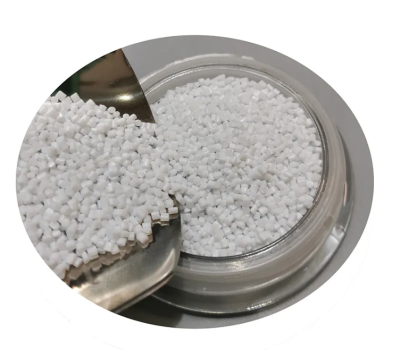
The physical properties of the material, such as particle shape and appearance, are equally critical for process stability. Listings describe the material as uniform granules free of impurities, which is essential for preventing clogging in extrusion dies or injection nozzles. Additionally, the shelf life of two years and the thermoplastic nature of the plastic after heating must be confirmed to ensure the photodegradable additives remain effective throughout the storage period. Buyers should request specific test data to validate that the material retains its mechanical strength before the intended photodegradation phase begins.
Compliance and Safety Documentation
Compliance verification is paramount when sourcing photodegradable polypropylene, particularly for applications involving food contact or consumer goods. The observed certifications include FDA Food, RoHS, Reach, COA, TDS, and SDS, which provide a baseline for safety and regulatory adherence. However, buyers must explicitly confirm that the photodegradable additives themselves are approved for the specific intended use, as standard food-grade certifications for the base polymer do not automatically extend to the degradation additives.
Documentation review should also address the origin and traceability of the raw materials, as the data shows products originating from both China and South Korea. Different regions may have varying regulatory frameworks regarding biodegradability and photodegradability claims, which could impact export eligibility or local compliance. Buyers should demand a Certificate of Analysis (COA) that specifically details the concentration and type of photodegradable agents used, ensuring that the material meets the environmental standards required by the target market.
Cost Drivers and Commercial Terms
Cost structures for photodegradable polypropylene are influenced by the complexity of the additive formulation and the specific processing requirements. The wide observed price range suggests that specialized grades with verified photodegradation capabilities command a premium over standard virgin PP materials. Buyers should anticipate that the cost will vary based on the MFR, the specific application grade, and the volume of the order, as indicated by the MOQ range of 1 to 1000 units.
Commercial terms must be carefully negotiated to account for the specialized nature of the product, including lead times and packaging requirements. The data indicates diverse packaging options from 25kg bags to 1000kg IBC drums, which can significantly impact shipping costs and storage logistics. Buyers should clarify whether the quoted price includes the cost of specialized handling for photodegradable materials and ensure that the supplier can maintain consistent quality across different production batches to avoid costly production disruptions.
Supplier Qualification and Quality Control
Supplier qualification requires a rigorous assessment of their ability to consistently produce photodegradable grades without compromising the base polymer's integrity. The presence of multiple model numbers and varying MFR values suggests that suppliers may offer a broad portfolio, but buyers must verify that the specific photodegradable line has a dedicated quality control process. It is essential to confirm that the supplier has a track record of meeting the "Excellent" quality standards observed in the listings and can provide consistent test results for each batch.
Quality control protocols should include regular testing of the photodegradation rate and mechanical properties to ensure the material performs as expected. Buyers should request a detailed Quality Management System (QMS) overview to understand how the supplier monitors the stability of the photodegradable additives during storage and processing. Additionally, verifying the supplier's ability to provide a Certificate of Origin and adherence to international standards like ASTM D1238 for MFR testing is crucial for maintaining supply chain reliability and product consistency.
Long-Term Procurement Checks
Long-term procurement strategies must include periodic re-evaluation of the photodegradable material's performance and regulatory compliance. As environmental regulations evolve, the definition of "photodegradable" may change, requiring buyers to stay informed about new standards that could affect the material's acceptability in their target markets. Regular audits of the supplier's production processes and quality records will help ensure that the material continues to meet the required specifications over time.
Buyers should also establish a feedback loop with their downstream customers to monitor the real-world performance of the photodegradable products. This feedback is vital for identifying any discrepancies between the claimed degradation rates and actual field performance, which could impact brand reputation. By maintaining a proactive approach to supplier relationship management and continuous quality verification, buyers can mitigate risks associated with the specialized nature of photodegradable polypropylene and ensure a stable, compliant supply chain.
FAQs
What is the standard packaging for PP raw material?
The standard packaging is 25kg per bag. Some products use kraft bags or drums for bulk shipping. This ensures safe transport and storage for industrial buyers. The packaging protects the material from moisture and contamination during transit to manufacturing facilities.
Can I customize the melt flow rate for PP?
Yes, the melt flow rate is customizable to meet specific processing needs. Buyers can request rates such as 0.35 G/10min or higher values like 90-100. This flexibility allows optimization for injection molding, extrusion, or blow molding applications in various industries.
Which certifications are available for food-grade PP?
Available certifications include FDA Food, RoHS, Reach, COA, TDS, and SDS. These documents verify compliance with international safety and quality standards. Buyers requiring food contact or strict environmental regulations can rely on these verified credentials for their sourcing audits and product approvals.
What is the shelf life of the polypropylene pellets?
The shelf life is two years when stored correctly. Proper storage prevents degradation and maintains material properties. Buyers should keep the pellets in original sealed packaging away from direct sunlight and moisture to ensure longevity and consistent performance in downstream manufacturing processes.
Where are these polypropylene materials sourced from?
Materials are sourced from China and South Korea. Origin varies by specific model number and supplier. Buyers can select products based on regional preferences or supply chain requirements. The origin information helps in assessing logistics costs and potential trade compliance issues for international procurement.