Source Thermal Bonding Nonwoven Making Machine for Wadding, Felt, Quilt
Compare 30 thermal bonding nonwoven making machines from verified suppliers in China. Buyers can evaluate specifications like working width, capacity, and heating sources for producing wadding, felt, and quilts.
Key considerations
Products List


Non-Adhesive Thermo Thermal Bonding Wadding Making Machine Production Line
$45000.00 - $90000.00
MOQ: 1 Sets


Thermal Bonding Wadding Non Woven Felt Fiber Making Machinery Hot for Sale
$45000.00 - $90000.00
MOQ: 1 Pieces


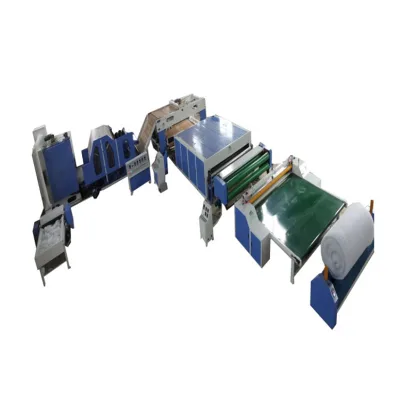
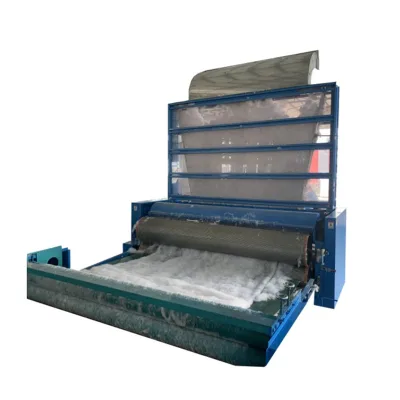
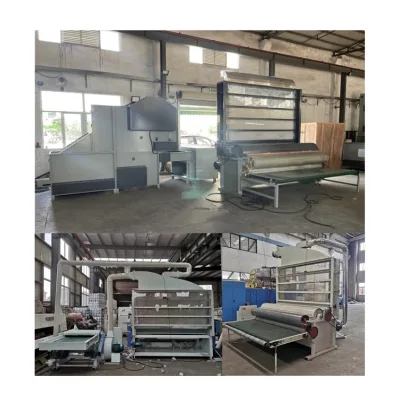
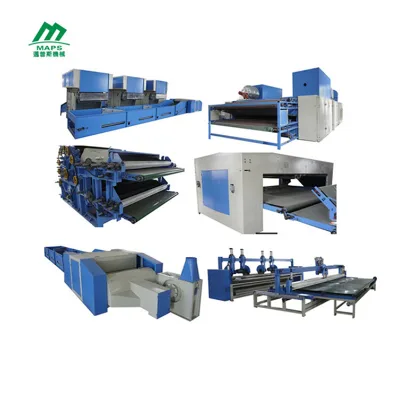
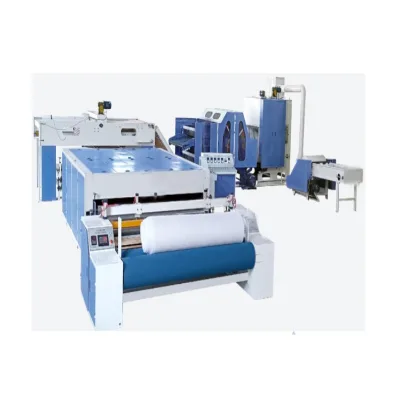


Nonwoven Thermal Bonding Polyester Wadding Machine Stiff Wadding Making Machine
$100000.00 - $230000.00
MOQ: 1 Sets


Glue Free Wadding Production Line Thermal Bonded Polyester Nonwoven Machine
$1000.00 - $150000.00
MOQ: 1 Sets


Comprehensive Sourcing Guide
Strategic Sourcing Guide for Thermal Bonding Nonwoven Making Machines
Procuring industrial equipment for the nonwoven sector requires a rigorous, evidence-based approach, particularly when targeting thermal bonding technologies. These machines are critical for producing wadding, felt, quilts, and comforters, where the integrity of the fiber bond directly impacts the final product's quality. Buyers must navigate a complex landscape of technical specifications, compliance requirements, and supplier capabilities. This guide synthesizes observed market data and technical attributes to provide a structured framework for evaluating thermal bonding nonwoven making machines, ensuring that procurement decisions are grounded in verifiable facts rather than speculative claims.
Technical Specifications and Operational Parameters
The core of any thermal bonding machine lies in its ability to process raw materials like chemical fiber and jute into finished products such as wadding and polyester padding. When evaluating potential units, buyers must scrutinize the working width and production capacity, as these define the machine's throughput potential. Observed data indicates that working widths can range from 2500mm to 3500mm, with some configurations supporting widths up to 4000mm. The production capacity is equally critical, with observed ranges spanning from 150kg/H to 500kg/H depending on the specific model and configuration.
The heating mechanism is a defining technical feature. Thermal bonding machines typically utilize electricity, gas burners, or diesel oil as heating sources. The specific application of heat circulation is vital for uniform bonding; advanced models employ a top-blowing and bottom-suction penetration method, alternating to ensure consistent thermal distribution throughout the fiber mat. Buyers should verify the installed power requirements, which have been observed at values such as 17.2kw or 62.4kw, and ensure the facility's electrical infrastructure can support the voltage requirements, typically 380V or 440V, or custom orders.
The GSM (grams per square meter) range is another pivotal specification, determining the thickness and density of the final nonwoven fabric. Market observations suggest a broad operational range from 50GSM to 2000GSM, allowing for versatility in producing lightweight wadding or heavy-duty felts. The operating speed is also a key performance indicator, with observed maximum working speeds capped at 20m/Min. Understanding these parameters is essential for aligning machine capabilities with production targets and product specifications.
Compliance, Certification, and Safety Standards
In the global machinery market, compliance with international standards is non-negotiable. Buyers must verify that the equipment carries recognized certifications, specifically CE and ISO9001, which indicate adherence to safety and quality management systems. The presence of a CE certificate is a mandatory requirement for selling machinery in many international markets, ensuring that the electrical and mechanical components meet European safety directives.
When assessing compliance, it is crucial to distinguish between the machine's certification status and the supplier's general business certifications. While some listings explicitly state "CE" and "ISO9001: Condition:New," buyers should request valid, up-to-date documentation directly from the manufacturer. The machinery test report is another document that should be provided, offering third-party validation of the machine's performance metrics.
Safety features are often integrated into the design, particularly regarding the heating elements and electrical controls. The use of world-famous brand components for main electric parts is a strong indicator of reliability and safety. However, buyers must confirm that the specific model being purchased includes these high-quality components, as "by order" options may vary. The standard dimensions of the machinery, such as 10000mm12000mm18000mm or configurations with double belts of 6m, 8m, 10m, and 12m, also impact the facility layout and safety clearance requirements.
Cost Drivers and Financial Considerations
The financial landscape of sourcing thermal bonding machines is influenced by several distinct factors. The observed price range for these units is substantial, spanning from $1,000 to $275,000 USD. This wide variance reflects differences in automation levels, capacity, heating systems, and the inclusion of optional accessories. A basic unit may fall at the lower end of this spectrum, while a fully automated, high-capacity line with custom configurations will command a premium price.
One of the primary cost drivers is the level of automation. Machines featuring PLC control systems are standard for modern production lines, offering precise control over temperature, speed, and tension. The inclusion of optional modules, such as bale openers, mixers, and blenders, significantly increases the initial investment but can streamline the production process and reduce labor costs. Buyers should carefully evaluate whether these add-ons are necessary for their specific production workflow.
The heating source also impacts both the initial cost and the long-term operational expenses. Electric heating systems may have a lower upfront cost but higher energy bills, whereas gas or diesel systems might require more complex installation and maintenance but offer different fuel efficiencies. Additionally, the condition of the machine, typically listed as "New," ensures that the buyer is not incurring hidden costs associated with refurbishment or immediate repairs.
Typical Applications and Product Versatility
Thermal bonding nonwoven machines are versatile tools designed for a wide array of applications. The primary output of these machines includes wadding, felt, quilts, and comforters. The ability to process various raw materials, including chemical fiber and jute, allows manufacturers to produce a diverse range of end products. The specific application often dictates the required machine configuration, such as the working width and GSM range.
For instance, the production of high-quality quilts and comforters requires precise control over the thermal bonding process to ensure softness and durability. The machine's ability to handle a GSM range of 50-2000GSM makes it suitable for both lightweight bedding materials and heavy industrial felts. The "Function" of the machine, often described as a polyester wadding machine or thermal bonded padding machine, highlights its specialized role in the textile supply chain.
The final product's characteristics are heavily influenced by the machine's settings. The heat setting temperature, observed to be up to 200 degrees, must be carefully calibrated to achieve the desired bond strength without damaging the fibers. The working speed and the heat circulation method also play crucial roles in determining the uniformity and quality of the final fabric. Buyers should align their product strategy with the machine's capabilities to maximize efficiency and product quality.
Supplier Evaluation and Operational Reliability
Evaluating a supplier requires a deep dive into their operational history and technical support capabilities. The brand "Lebon Industry" is one example of a manufacturer in this space, but buyers should not limit their search to a single name. Instead, they should focus on the supplier's ability to provide customized solutions, as indicated by the "Customized" and "Customization Available" attributes. This flexibility is crucial for adapting the machine to specific production needs.
The lead time is a critical factor in the procurement timeline. Observed delivery times can be as long as four months, which requires careful planning and inventory management. Buyers must confirm the lead time for their specific order, as it may vary based on customization requirements and current production schedules. The origin of the machinery, typically Shandong, China, is a common hub for nonwoven equipment, but buyers should verify the specific factory location and its reputation for quality.
Packing and shipping are also important considerations. The machinery is typically packed in wooden pallets or wooden cases to ensure safe transport. The standard dimensions of the machine must be accounted for in the logistics plan. Furthermore, the availability of a machinery test report and the provision of installation support are key indicators of a reliable supplier. Buyers should request references and case studies to validate the supplier's claims regarding performance and after-sales service.
Quality Control and Long-Term Procurement Strategy
Ensuring the long-term success of a thermal bonding machine investment requires a robust quality control strategy. The condition of the machine, listed as "New," is a starting point, but buyers must establish a protocol for ongoing maintenance and performance monitoring. The use of PLC control systems allows for precise tracking of operational parameters, facilitating early detection of potential issues.
The core components, such as the PLC, are critical to the machine's longevity. Buyers should verify the brand and quality of these components, as they are the heart of the machine's control system. The installed capacity and power requirements should be regularly checked to ensure they remain within safe operating limits. The heat circulation method and heating source efficiency should also be monitored to maintain consistent product quality.
Long-term procurement considerations include the availability of spare parts and technical support. The supplier's ability to provide timely maintenance and repairs is essential for minimizing downtime. The standard dimensions and configuration of the machine should be documented thoroughly to ensure compatibility with future upgrades or expansions. By focusing on these aspects, buyers can secure a reliable and efficient production line that delivers consistent value over the long term.
Comparative Analysis of Machine Configurations
To assist in decision-making, the following table compares key attributes of different machine configurations based on observed market data. This comparison highlights the variations in specifications that buyers should consider when selecting a unit.
| Feature | Configuration A (Standard) | Configuration B (High Capacity) | Configuration C (Customized) |
|---|---|---|---|
| Working Width | 2500-3500mm | Up to 4000mm | To Be Specified |
| Capacity | 150-500kg/H | High Output | Variable |
| Heating Source | Electric/Gas/Diesel | Electric/Gas/Diesel | Custom |
| GSM Range | 50-2000GSM | 50-2000GSM | Custom |
| Control System | PLC Control | PLC Control | PLC Control |
| Voltage | 380V/440V | 380V/440V | By Order |
| Packing | Wooden Pallet | Wooden Case | Wooden Pallet |
| Lead Time | ~4 Months | ~4 Months | Variable |
This table illustrates that while core technologies like PLC control and heating methods remain consistent, the physical dimensions and capacity can vary significantly. Buyers should use this framework to match their specific production needs with the appropriate machine configuration, ensuring that the selected unit offers the optimal balance of performance, cost, and flexibility.
FAQs
What raw materials can the Thermal Bonding Nonwoven Making Machine process?
The machine processes chemical fiber and jute as primary raw materials. This capability allows for the production of diverse final products like wadding, felt, and quilts with varying GSM ranges from 50 to 2000.
Which certifications does the equipment typically hold for safety compliance?
The equipment holds CE and ISO9001 certifications indicating adherence to safety and quality standards. Buyers should verify these documents directly from the manufacturer to ensure the machine meets international regulatory requirements.
How is the heating source configured for thermal bonding operations?
Heating sources include electricity, gas burners, or diesel oil depending on the specific model. Advanced configurations utilize top-blowing and bottom-suction penetration methods to ensure uniform heat distribution throughout the fiber mat.
Can the machine be customized for specific production requirements?
Yes, customization is available to meet specific buyer needs regarding dimensions and functionality. Options may include custom voltage, specific working widths, and additional modules like bale openers or mixers for enhanced workflow efficiency.
What is the typical delivery time for ordering this machinery?
The standard delivery time is approximately four months from the date of order confirmation. This lead time accounts for manufacturing, testing, and packing in wooden pallets or cases for safe international transport.
Which automation features are standard on the thermal bonding machine?
PLC control systems are standard for precise operation of temperature, speed, and tension. Main electric parts are often sourced from world-famous brands to ensure reliability and long operational life for continuous production lines.