Source Therapeutic Grade Aloe Vera Oil for Skincare, Massage, and Aromatherapy
Find 30 listings for Therapeutic Grade Aloe Vera Oil from China. Compare specifications including purity, extraction methods like cold pressing, and packaging options such as drums. Evaluate suppliers offering OEM/ODM services for cosmetic and healthcare applications; compare the available evidence and request quotations based on your requirements.
Key considerations
Products List








Comprehensive Sourcing Guide
Therapeutic Grade Aloe Vera Oil Sourcing Guide
Procurement professionals must first distinguish between general cosmetic raw materials and products specifically marketed for therapeutic applications. The available data indicates a wide spectrum of offerings, ranging from standard perfume-grade oils to pure essential oils derived from aloe vera leaves. Buyers should verify that the specific listing explicitly mentions "Aloe Vera Oil" as the product name and confirms "Aloe Vera" as the primary material, rather than relying on generic descriptions that might imply a blend or a different botanical source entirely.
The observed market signals reveal significant variation in purity claims and extraction methods, which directly impacts the suitability of the oil for therapeutic use. While some listings specify "Cold Pressed" extraction and "100% Pure Natural" status, others list "Distillation" methods or generic "Food Grade" classifications. A rigorous sourcing strategy requires cross-referencing the stated extraction method against the intended application, ensuring the final product retains the bioactive compounds necessary for skin care and aromatherapy without being diluted by non-therapeutic fillers.
Product Scope and Observed Listing Signals
Buyers should analyze the functional claims to ensure alignment with specific therapeutic goals, as the data shows products categorized for both the dermal and digestive systems. While the primary application for aloe vera oil in this context is typically topical for skin care and massage, some listings extend the scope to include digestive system support or general healthcare applications. It is critical to validate that the product's intended use matches the regulatory framework of the destination market, as claims regarding internal consumption may require different documentation than those for external cosmetic use.
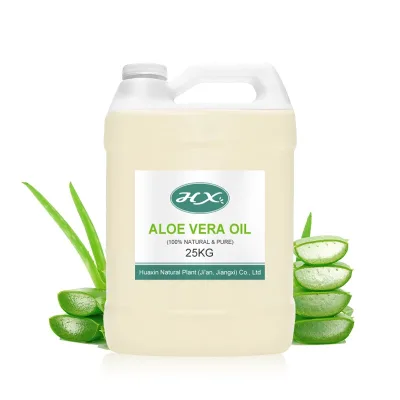
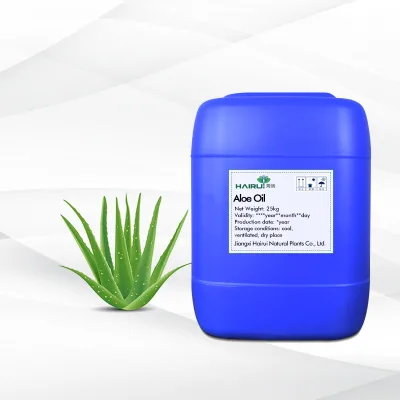
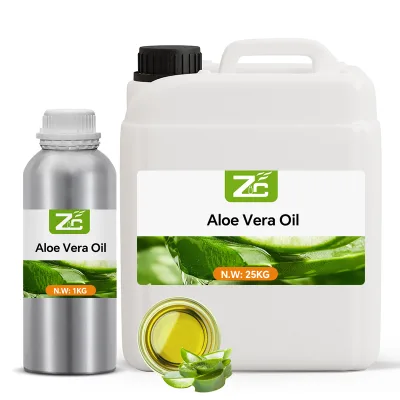
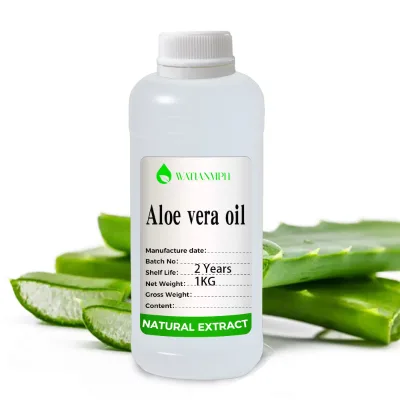
The physical state and packaging of the product serve as immediate indicators of quality and intended handling procedures. The observed listings describe the product state as liquid, with packaging options ranging from small 1kg units to large 180kg galvanized steel drums. This variability suggests that the supply chain accommodates both small-batch artisanal production and large-scale industrial manufacturing. Procurement teams must select a packaging format that preserves the integrity of the oil during transit, ensuring the "Cool Dry Place" storage requirement is maintained from the point of origin in Jiangxi, China, to the final destination.
Technical Specifications to Verify
Verification of the chemical composition is paramount, as the data highlights specific active ingredients such as Aloin, Aloe-Emodin, and Aloesin that define the therapeutic profile. Buyers must request batch-specific analysis reports to confirm the presence and concentration of these compounds, ensuring they meet the required thresholds for efficacy. The presence of Linoleic Acid is also noted as a main ingredient, which contributes to the oil's moisturizing properties, but the exact ratio of these components can vary significantly between suppliers offering "Pure Essential Oil Grade A" versus those offering "Food Grade B" materials.
Purity levels and grade separation are critical technical parameters that distinguish high-quality therapeutic oil from lower-grade industrial alternatives. The observed data includes purity claims ranging from 99% to 100% pure natural, alongside grade separations that include Food, Pharma, and Chemical grades. Procurement professionals must demand certificates of analysis that explicitly state the purity percentage and confirm the absence of contaminants, as the "Perfume Grade C" designation found in some listings may not be suitable for therapeutic applications requiring higher purity standards.
Compliance and Safety Documentation
Safety documentation is a non-negotiable prerequisite for sourcing therapeutic grade oils, particularly when the product is intended for direct skin application or potential internal use. The presence of an MSDS (Material Safety Data Sheet) is a confirmed fact in the observed listings, providing essential information on handling, storage, and emergency procedures. However, buyers must ensure that the MSDS corresponds to the specific batch and grade being purchased, as safety profiles can differ between "Chemical Grade" and "Pharma Grade" materials, even if they originate from the same botanical source.
Regulatory compliance extends beyond safety data sheets to include specific certifications that validate the product's quality and origin. While the data confirms the product originates from China, specifically Jiangxi, buyers should verify if the supplier holds additional international certifications relevant to the target market, such as GMP or ISO standards. The "OEM/ODM Accepted" status indicates flexibility in production, but it also necessitates a review of the supplier's quality control protocols to ensure that custom formulations do not compromise the safety or efficacy of the final therapeutic product.
Cost Drivers and Commercial Terms
The cost of Therapeutic Grade Aloe Vera Oil is heavily influenced by the grade of the raw material and the complexity of the extraction method. Listings indicate a wide price range, likely driven by the distinction between "Cold Pressed" oils and those produced via "Distillation," as well as the difference between "Pure Essential Oil Grade A" and lower grades. Buyers should anticipate that higher purity levels and specific active ingredient concentrations will command a premium, and they must evaluate whether the cost difference justifies the potential therapeutic benefits for their specific application.
Commercial terms, including Minimum Order Quantity (MOQ) and lead times, vary significantly across the observed listings, affecting inventory planning and cash flow. The data shows MOQs ranging from 1kg to 25kg, with some listings suggesting a standard of 25kg while others accommodate smaller 1kg orders. Procurement teams must negotiate terms that align with their production schedules, considering that the shelf life is typically 24 months, which allows for some flexibility in stockpiling but requires careful management to prevent degradation over time.
Supplier Qualification and Quality Control
Supplier qualification requires a deep dive into their manufacturing capabilities and quality assurance processes, especially given the "OEM/ODM" nature of many available listings. Buyers should assess whether the supplier has in-house testing facilities to verify the presence of key ingredients like Aloin and Aloe-Emodin before shipment. The ability to provide custom packaging and tailored formulations is a valuable asset, but it must be balanced against the supplier's track record for maintaining consistency in product quality across different batches and production runs.
Quality control protocols must be rigorously defined to ensure that the final product meets the specified "Therapeutic Grade" standards. The data indicates that the product is transported via ordinary goods trucks, which implies that the supplier must have robust packaging solutions to prevent leakage or contamination during transit. Buyers should request evidence of their storage practices, specifically confirming that the oil is kept in a "Cool Dry Place" to maintain its stability and potency, as improper storage can degrade the active compounds and render the oil ineffective for its intended therapeutic purpose.
Long-Term Procurement Checks
Establishing a long-term procurement relationship involves regular audits and continuous monitoring of product quality to ensure consistency over time. Given the 2-year shelf life of the product, buyers should implement a system for tracking batch numbers and expiration dates to prevent the use of degraded materials in their final products. Regular re-testing of incoming shipments is essential to verify that the purity and active ingredient levels remain within the specified parameters, especially when sourcing from a supplier that offers customized production runs.
Market dynamics and regulatory changes can impact the availability and compliance status of Therapeutic Grade Aloe Vera Oil, requiring proactive supply chain management. Buyers should maintain open communication with their suppliers to stay informed about any changes in raw material sourcing, extraction methods, or regulatory requirements in both the origin and destination countries. By fostering a collaborative relationship and maintaining strict quality control standards, procurement teams can mitigate risks and ensure a steady supply of high-quality aloe vera oil for their therapeutic applications.
FAQs
What is the purity level of Therapeutic Grade Aloe Vera Oil?
The product offers 99% purity for standard grades and 100% pure natural options for specific listings. Buyers can select from various grades including Perfume Grade C and Pure Essential Oil Grade A. This ensures high-quality raw materials suitable for cosmetic and healthcare applications while maintaining consistent chemical profiles.
Can I customize the packaging for bulk orders of aloe vera oil?
Yes, customization is available for packaging requirements. Options include drums or smaller units like 1kg, 5kg, 10kg, 25kg, and 180kg in galvanized steel drums. The supplier accepts OEM and ODM requests, allowing buyers to tailor packaging to their specific distribution needs and branding strategies effectively.
What is the minimum order quantity for Therapeutic Grade Aloe Vera Oil?
The minimum order quantity varies by product listing, ranging from 1KG to 25kg. Some items specify a 25kg MOQ, while others allow smaller trial orders of 1KG. This flexibility supports both small-scale testing and larger industrial procurement needs without requiring excessive initial inventory investment from the buyer.
How should Therapeutic Grade Aloe Vera Oil be stored to maintain quality?
Store the oil in a cool, dry place to preserve its integrity. The product has a shelf life of 24 months or 2 years depending on the specific grade. Proper storage prevents degradation of active ingredients like linoleic acid and ensures the oil remains suitable for aromatherapy, massage, and skincare applications.
Which extraction methods are used for natural aloe vera oil products?
Cold pressing and distillation are the primary extraction methods used. Cold pressing is highlighted for preserving natural properties, while distillation is used for other essential oil variants. These methods ensure the retention of key ingredients such as aloin and aloe-emodin, providing effective results for digestive, dermal, and spa applications.
What certifications are available for Therapeutic Grade Aloe Vera Oil suppliers?
MSDS certification is a high-confidence fact provided for these products. This documentation ensures safety data is available for transport and handling. Buyers should verify specific regulatory compliance for their target markets, as the product originates from China and is transported via ordinary goods trucks, requiring proper safety documentation for international trade.