Source Thermal Autumn Winter Knitted Cap for Sports, Skiing, and Daily Wear
Find 30 Thermal Autumn Winter Knitted Cap options from China suppliers. Compare acrylic knit styles, customization methods, and MOQs for sports, skiing, and daily use. Source reliable beanies with various pattern and embroidery choices; compare the available evidence and request quotations based on your requirements.
Key considerations
Products List
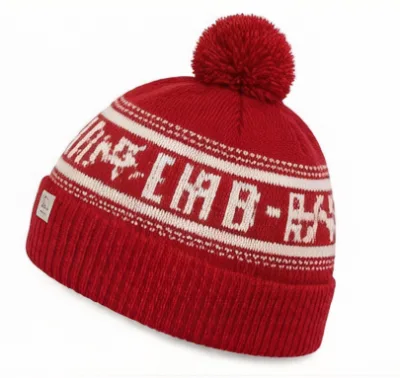


Autumn Winter Men Women Acrylic Soft Fashion Warm Thick Knitted Beanie Cap
$2.16 - $3.30
MOQ: 20 pieces

High Quality Outdoor Winter Warm Wool Knit Cap Beanie Warm Cap Knitted Hat
$0.95 - $2.86
MOQ: 100 Pieces


Comprehensive Sourcing Guide
Thermal Autumn Winter Knitted Cap Sourcing Guide
Buyers evaluating thermal autumn winter knitted caps must first distinguish between generic acrylic constructions and specialized knit variations. The observed market data indicates a primary material composition of 100% acrylic, which offers essential warmth retention and durability for cold-weather applications. This material choice supports a wide range of pattern types, including animal prints, geometric shapes, and floral designs, allowing for significant customization to match brand aesthetics.
Procurement decisions should also account for the specific construction techniques available, such as silk screen printing, heat-transfer printing, and various embroidery methods. These technical capabilities directly influence the final product's visual appeal and tactile quality. Buyers must verify that the selected supplier can execute the desired decoration, whether it is a woven label, custom embroidery, or an affixed cloth element, to ensure the final cap meets the intended design specifications.
Product Scope and Observed Listing Signals
The product scope for thermal autumn winter knitted caps encompasses a diverse array of styles, primarily identified as beanies or caps without brims. Observed listings confirm that these items are designed for unisex use and feature a stretchable, one-size-fits-most construction, typically accommodating head circumferences between 58 and 60 centimeters. This universal sizing strategy simplifies inventory management for buyers targeting broad consumer markets across North America, Europe, and other global regions.
Listing signals reveal that customization is a central feature of this category, with options for tailored patterns, logos, and even specific model numbers like 07NT003 or NTD009. The observed price range of 0.6 to 10 USD suggests a highly competitive market where volume and design complexity drive cost variations. Buyers should note that while some suppliers offer free samples for simple designs, the minimum order quantity typically starts at 50 pieces, requiring careful planning for initial stock levels.
Technical Specifications to Verify
Verification of technical specifications is critical to ensure the cap meets functional requirements for winter and spring seasons. Buyers must confirm the single package dimensions, often listed as 1x1x1 cm, and the gross weight of approximately 0.114 kg per unit, as these factors impact shipping logistics and packaging efficiency. Additionally, the crown structure is consistently described as "with crown," ensuring the hat maintains its shape and provides adequate coverage for the head during outdoor activities.
The production techniques available, ranging from digital printing to 3D embroidery, require specific verification to match the desired aesthetic outcome. Buyers should explicitly check if the supplier utilizes sublimation transfer or heat-transfer printing for color-intensive designs, as these methods differ significantly in color fastness and durability. Confirming the exact knitting method, whether it is a standard knit or a specific acrylic blend, ensures the thermal properties align with the intended use cases, such as skiing, cycling, or daily casual wear.
Compliance and Safety Documentation
While specific certification data is not universally listed in the provided product facts, buyers must request documentation regarding material safety and chemical compliance for all acrylic-based textiles. Since these caps are intended for direct skin contact in cold environments, verifying that the 100% acrylic material meets relevant flammability and chemical residue standards is essential for market entry, particularly in North America and Europe. Buyers should ask suppliers to provide test reports confirming the absence of harmful substances that could cause skin irritation during prolonged wear.
Documentation regarding the origin of the product is equally important, as listings indicate production in regions such as Fujian, Ningbo, Zhenjiang, and Qingdao in China. Buyers need to ensure that the supplier can provide clear proof of origin to satisfy customs regulations and any trade-specific requirements for goods entering the target market. Additionally, verifying the packaging standards, such as the use of polybags and cartons, helps ensure that the products arrive in pristine condition without damage or contamination during transit.
Cost Drivers and Commercial Terms
Cost drivers for thermal autumn winter knitted caps are heavily influenced by the complexity of the customization and the chosen production techniques. Simple designs with standard silk screen printing or basic embroidery generally fall within the lower end of the observed price spectrum, while intricate 3D embroidery or custom digital printing commands higher unit costs. Buyers must balance the desire for unique branding elements against the budget constraints, understanding that the minimum order quantity of 50 pieces sets a baseline for total expenditure.
Commercial terms regarding sample charges and lead times vary significantly among suppliers, with some offering free samples for simple designs while others may charge for complex prototypes. The observed selling units are typically single items, but bulk packaging often follows a 10 pieces per OPP bag standard, which affects how buyers calculate their total order volume. It is crucial to negotiate clear terms for sample approval and production lead times to avoid delays, especially when targeting seasonal peaks like the winter holiday market.
Supplier Qualification and Quality Control
Supplier qualification should focus on their ability to deliver consistent quality across the observed range of production models and styles. Buyers must assess the supplier's track record in handling various decoration methods, from hand embroidery to machine embroidery, to ensure that the final product matches the approved sample. The presence of multiple model numbers in the listings suggests a capacity for varied production runs, but buyers should verify the supplier's quality control processes to prevent defects in stitching or printing alignment.
Quality control checks must also include an evaluation of the packaging and labeling standards, as these are critical for brand presentation. Buyers should confirm that the supplier can accommodate specific packaging requests, such as buyer's options or standard polybag and carton combinations, to maintain product integrity. Additionally, verifying the supplier's ability to handle custom logos and woven labels ensures that the branding elements are applied correctly and securely, maintaining the professional appearance required for retail distribution.
Long-Term Procurement Checks
Long-term procurement success depends on establishing a reliable supply chain that can adapt to changing market demands and seasonal fluctuations. Buyers should monitor the supplier's ability to maintain consistent material quality, specifically the 100% acrylic composition, over multiple production cycles. Regular audits of the production facility in locations like Fujian or Qingdao can help ensure that the manufacturing processes remain stable and that the supplier continues to meet the required standards for thermal performance and durability.
Continuous communication regarding design updates and market trends is essential for maintaining a competitive edge in the thermal cap market. Buyers should leverage the supplier's flexibility in customization to introduce new patterns, such as tropical or fruit designs, that align with emerging fashion trends. By maintaining a proactive relationship with the supplier, buyers can ensure a steady flow of high-quality products that meet the evolving needs of their customers in sports, travel, and daily casual markets.
FAQs
What materials are used for thermal autumn winter knitted caps?
These caps are primarily made from 100% acrylic knit material. This synthetic fiber provides essential warmth and durability for cold weather conditions. The fabric is designed to be stretchable, ensuring a comfortable fit for most head sizes. Acrylic is also chosen for its ability to hold vibrant colors and withstand repeated washing without losing shape or softness.
Can I customize the logo on these knitted caps?
Yes, customization is available for logos on these products. Buyers can choose from woven labels, embroidery, or other customized methods to brand the caps. This flexibility allows businesses to add their unique identity to the merchandise. The customization options support various design requirements, making it suitable for promotional campaigns or private label projects.
What is the minimum order quantity for these beanies?
The standard minimum order quantity is fifty pieces. This MOQ applies to the general production of these knitted hats. Buyers should note that specific customization requests might influence the final order requirements. This threshold is designed to balance production efficiency with accessibility for small to medium-sized business orders.
Which printing methods are supported for these winter hats?
Several printing techniques are supported for these caps, including sublimation transfer print and digital printing. Additional methods like silk screen printing and various embroidery styles are also available. These options allow for detailed and colorful designs on the knit fabric. Buyers can select the method that best suits their design complexity and aesthetic preferences.
Where are these thermal caps manufactured?
These caps are manufactured in China, with origins in regions like Fujian, Qingdao, Ningbo, and Zhenjiang. This geographic concentration ensures access to established textile supply chains and manufacturing expertise. Buyers can expect consistent quality and efficient logistics from these production hubs. The specific origin may vary depending on the supplier's location and production capacity.
What sizes are available for these knitted beanies?
These beanies are generally one size fits most, with a head circumference of 58-60 cm. Some variations offer a size range from 52 cm to 62 cm to accommodate different head shapes. The stretchable knit material ensures a secure and comfortable fit for most adults. This universal sizing simplifies inventory management for buyers while meeting general consumer needs.